How Do You Clean Algae off Rocks
Just grab your tools and discover the best techniques for effectively cleaning algae off rocks while preserving your local ecosystem.
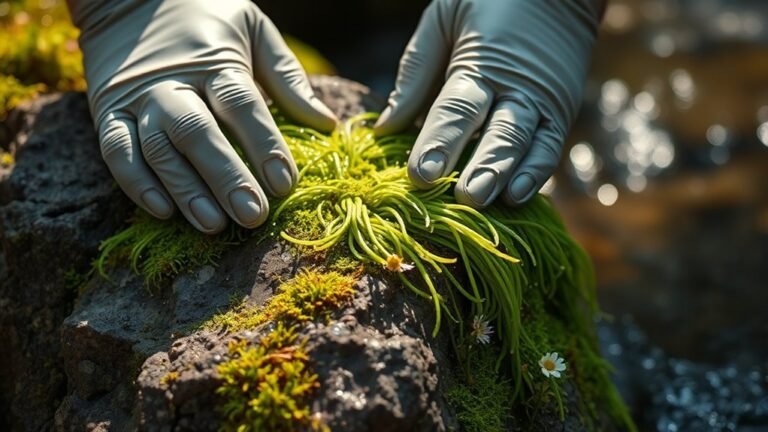
Just grab your tools and discover the best techniques for effectively cleaning algae off rocks while preserving your local ecosystem.

You can clean your office chair naturally by mixing essential oils like tea tree or lavender, known for their antimicrobial properties, with water or a mild carrier. Always test the solution on a hidden spot first to avoid damage or discoloration. For fabric chairs, gently blot stains and air dry; leather needs a diluted oil…

To clean your carpet in 10 minutes, start by gathering a vacuum, stain remover, cloths, and a simple vinegar-water solution. Quickly vacuum the carpet using slow, overlapping strokes to lift dirt, then spray and blot any stains gently. Next, fluff the fibers with a soft brush or your fingers, mist lightly with water, and let…

You’ll want to focus on regularly disinfecting high-touch surfaces like door handles, light switches, and kitchen counters using effective, EPA-approved cleaners. Establish daily cleaning routines with proper PPE, and perform weekly deep cleans, especially in restrooms and food prep areas. Sort waste carefully to avoid contamination, and train your staff thoroughly to maintain consistency and…

When cleaning your kitchen, use dish soap or degreasers to cut through grease effectively, letting solutions sit before scrubbing gently. For disinfecting, a vinegar and water mix works naturally and safely—just spray and wait 10 minutes. Avoid using the same cloth for all tasks to stop bacteria spread, and wipe surfaces regularly to prevent buildup….
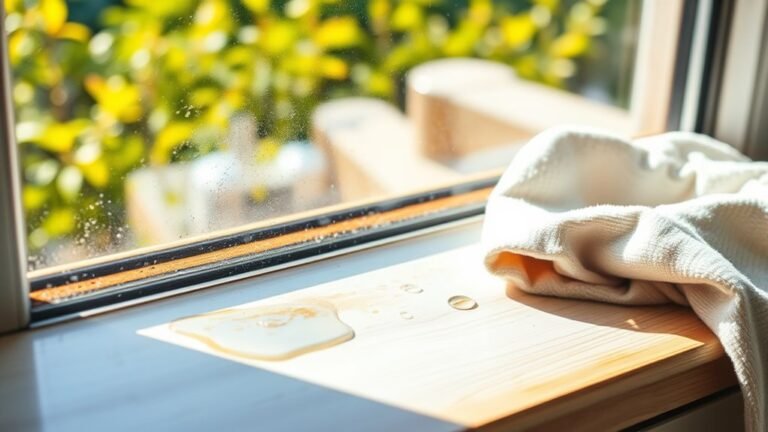
To remove stubborn stains from your windowsills, first identify the stain type—whether ink, grease, mold, paint, or hard water deposits. Use appropriate cleaning tools like soft brushes, microfiber cloths, and mild solutions such as white vinegar or rubbing alcohol. Apply the solution, let it sit to loosen grime, gently scrub without damaging the surface, then…

To clean dust in your office, use microfiber cloths and vacuum cleaners with HEPA filters to trap fine particles without spreading dust. Dust surfaces with gentle, sweeping motions, and clean electronics carefully with damp cloths and compressed air after unplugging them. Regularly vacuum carpets and change HVAC filters to improve air quality. Keep your workspace…

You can make a homemade chair cleaner by mixing distilled water, white vinegar, and a teaspoon of liquid Castile soap in a spray bottle. For upholstery, dilute vinegar with water and always test on a hidden spot first to avoid damage. For leather, add mild soap to the water-vinegar mix and follow with a leather…
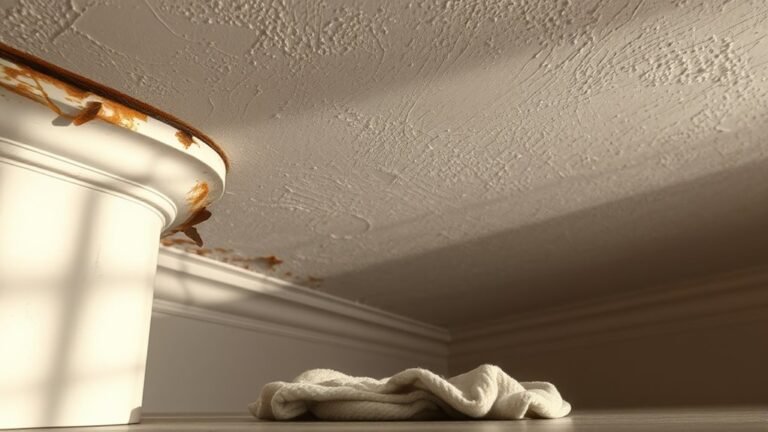
You shouldn’t use harsh chemicals on your ceilings because they can cause discoloration and release harmful fumes. Avoid scrubbing too hard or using abrasive tools, as they can scratch and wear down surfaces. Don’t ignore mold signs—address them quickly to stop damage and health risks. Be careful not to soak your ceiling, since excess moisture…

To disinfect high-touch areas on your baseboards, focus on spots like entryways, staircases, kitchens, and bathrooms where germs often gather. Use microfiber cloths with a natural or chemical disinfectant that suits your space and health preferences. Clean every one to two weeks, or more if you have kids or pets. Always follow safety tips like…