Budget-Friendly DIY Cleaning Products for AC
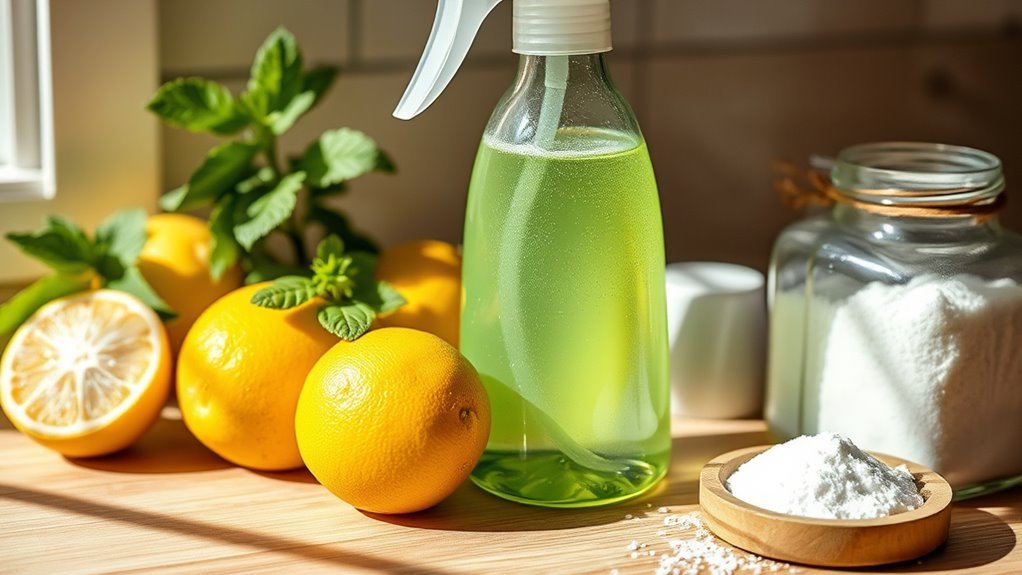
You can clean your AC affordably using household items like vinegar, baking soda, and dish soap. Mix equal parts white vinegar and water for a natural coil cleaner that cuts grime without harsh chemicals. Sprinkle baking soda to control odors and freshen filters. Dish soap diluted with water helps break down grease safely. Add lemon juice for extra degreasing power. With simple supplies and safety in mind, you’ll keep your AC running efficiently and discover easy upkeep tips ahead.
Essential Tools for DIY AC Cleaning
Before you plunge into cleaning your AC, you’ll need to gather a few essential tools to make the job easier and more effective. Start with basic cleaning tools like a soft brush, microfiber cloths, and a spray bottle to apply your cleaning solutions evenly. Don’t forget a screwdriver to open the AC casing safely. You’ll also want a vacuum with a brush attachment to remove dust from coils and vents thoroughly. For maintenance supplies, pick up gentle degreasers and a fin comb to straighten bent fins without damage. Having these cleaning tools and maintenance supplies on hand guarantees you can work efficiently and confidently, giving you the freedom to maintain your AC unit without relying on costly professional services. Staying prepared means you’re in control of your comfort and budget.
How to Make a Vinegar-Based Coil Cleaner
You’ll find vinegar is a powerful natural cleaner that’s great for AC coils because it cuts through grime without harsh chemicals. Making your own vinegar-based coil cleaner is simple and cost-effective. Let’s walk through the easy steps to prepare and apply this solution for a fresh, efficient AC unit.
Vinegar Benefits Explained
Since vinegar naturally breaks down dirt and mineral deposits, it’s an excellent choice for cleaning your AC coils. Its unique vinegar properties, like acidity and natural antimicrobial effects, make it perfect for tackling grime without harsh chemicals. You’ll love how vinegar uses tap into simple, effective cleaning, giving you freedom from pricey, toxic cleaners. Plus, vinegar is safe, eco-friendly, and easy to find, so you’re never tied down by complicated products. When you use vinegar-based coil cleaners, you’re harnessing a powerful solution that loosens buildup and improves your AC’s efficiency. This means better airflow and longer-lasting equipment. Embracing vinegar’s natural benefits lets you maintain your system on your terms, saving money while staying environmentally conscious.
Step-by-Step Cleaning Guide
Vinegar’s natural cleaning power makes it easy to create your own effective coil cleaner at home. Start by mixing equal parts white vinegar and water in a spray bottle. Next, turn off your AC unit to guarantee safety. Spray the vinegar solution generously onto the coils, focusing on areas with visible dirt or grime. Let it sit for 15-20 minutes to break down buildup. Then, use a soft brush to gently scrub the coils, applying efficient cleaning techniques to avoid damage. Rinse with water and allow the coils to dry completely before turning the unit back on. Following these AC maintenance tips not only saves money but also gives you control over your system’s care, keeping your air conditioner running smoothly and efficiently.
Using Baking Soda for Odor Control
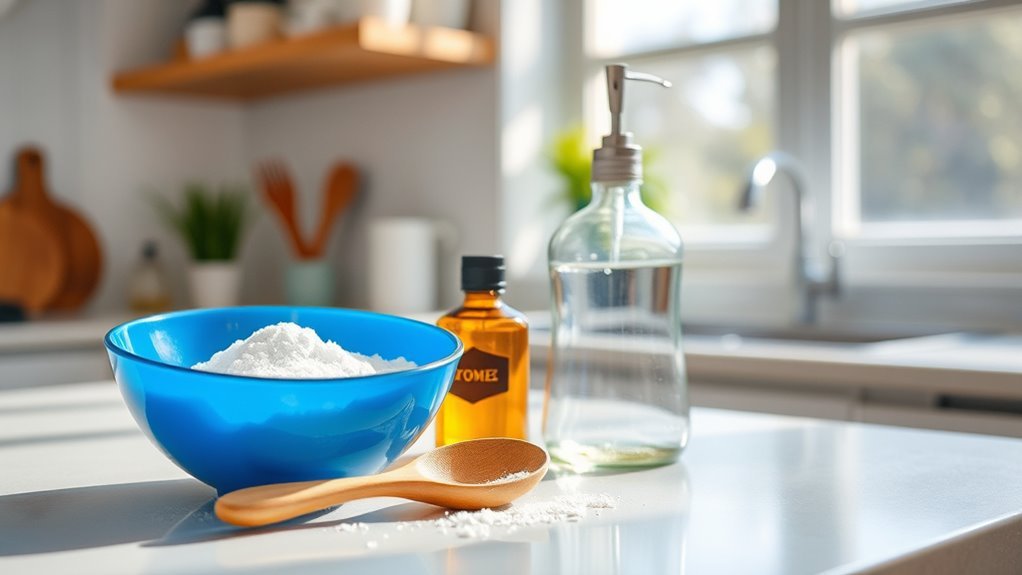
Baking soda is a simple yet effective solution for controlling odors in your AC system. Its natural odor absorption properties make it a top choice for anyone wanting fresh, clean air without harsh chemicals. One of the baking soda benefits is that it safely neutralizes musty smells, giving you freedom from unpleasant odors without extra cost.
Here’s a quick look at how baking soda works for odor control:
| Application | Baking Soda Benefits | Result |
|---|---|---|
| Sprinkle on filters | Absorbs trapped odors | Fresher airflow |
| Clean drip pans | Neutralizes moisture smells | Prevents mold growth |
| Sprinkle in vents | Eliminates stale air | Enhances air quality |
Use baking soda regularly to keep your AC smelling fresh and your home feeling free.
Creating a Natural Degreaser for AC Components
Although dealing with grease buildup on your AC components might seem challenging, you can easily create a natural degreaser using simple household ingredients. Combine equal parts white vinegar and water with a few drops of lemon juice for enhanced degreaser effectiveness. These natural ingredients break down grease without harsh chemicals, giving you control over what touches your system. Spray the solution on greasy areas, let it sit for a few minutes, then wipe clean with a soft cloth. This DIY approach not only saves you money but also reduces exposure to toxic substances, supporting both your freedom and your health. By choosing natural ingredients, you maintain your AC’s efficiency and protect your space without compromising on power or performance. It’s a simple, effective way to keep things running smoothly.
The Role of Dish Soap in AC Maintenance
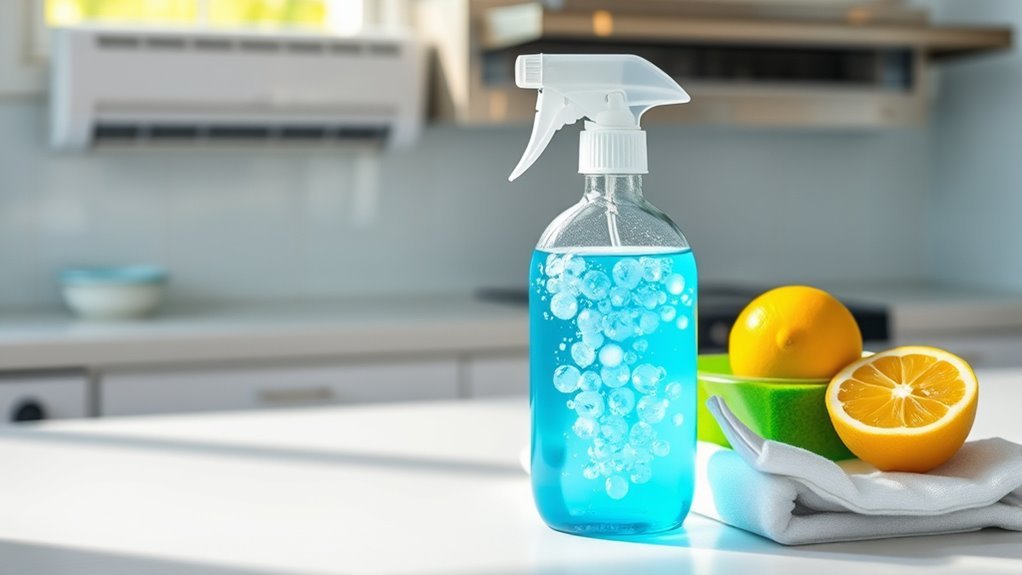
You can use dish soap to effectively break down grease and grime on your AC components without harsh chemicals. Just make sure to dilute it properly and avoid soaking electrical parts to keep things safe. With the right approach, dish soap becomes a simple, affordable tool in your AC maintenance routine.
Dish Soap Cleaning Benefits
A simple dish soap can play a surprisingly effective role in maintaining your AC unit. One of the top dish soap benefits is its ability to cut through grease and grime without harsh chemicals, making it perfect for eco friendly cleaning. When you mix a few drops with water, you get a gentle yet powerful cleaner that removes dirt from coils and filters, helping your AC run smoothly and efficiently. Using dish soap means you’re choosing a non-toxic option that’s safe for your home and the environment. Plus, it’s budget-friendly and easy to find, giving you the freedom to keep your AC in top shape without breaking the bank or relying on chemical-laden products. It’s a simple step toward cleaner air and a healthier home.
Safe Usage Tips
While dish soap is a gentle and effective cleaner for your AC, using it correctly guarantees you don’t accidentally cause damage. For safe handling, always dilute dish soap with water before applying it to your AC components to avoid residue build-up or corrosion. Avoid spraying directly onto electrical parts and make certain the unit is powered off during cleaning. After use, rinse thoroughly with clean water to remove any soap traces. Regarding product storage, keep your dish soap in a cool, dry place, tightly sealed to preserve its effectiveness and prevent contamination. Proper storage and careful handling not only protect your AC but also give you the freedom to maintain your unit confidently and safely. Following these tips helps you enjoy the benefits without worries.
Preparing a Lemon Juice Solution for Mold Removal
One simple and effective way to tackle mold in your AC is by preparing a lemon juice solution. Lemon properties like natural acidity and antibacterial qualities make it a powerful mold-fighting agent. To create your solution, squeeze fresh lemon juice into a spray bottle, then dilute it with equal parts water. This blend not only helps remove existing mold but also supports mold prevention by creating an environment mold struggles to thrive in.
Before spraying, turn off your AC and wipe down visible mold spots with a cloth. Then, mist the lemon solution generously on affected areas. Let it sit for about 10 minutes to break down mold spores, then wipe clean. Using this natural remedy gives you the freedom to maintain a fresh, mold-free AC without harsh chemicals.
Tips for Cleaning AC Filters With Household Ingredients
If you want your AC to run efficiently and improve indoor air quality, regularly cleaning its filters is essential. Using common household ingredients, you can take control of your filter maintenance without relying on expensive products. Here are some tips to get you started:
Keep your AC efficient and air fresh by regularly cleaning filters with simple household ingredients.
- Gently vacuum the filter to remove loose dust and debris before washing.
- Mix a solution of warm water and mild dish soap to soak the filter, loosening trapped dirt.
- Rinse thoroughly with clean water and let it air dry completely before reinstalling.
Safety Precautions When Using DIY Cleaning Solutions
Because DIY cleaning solutions often involve common household ingredients, you should still handle them carefully to avoid any accidents or damage. Always guarantee proper ventilation when mixing or applying these solutions to prevent inhaling fumes. Wearing protective gear like gloves and goggles is a smart move to protect your skin and eyes from irritation. Keep your workspace well-organized and avoid mixing incompatible substances. Here’s a quick safety checklist:
| Precaution | Why It Matters |
|---|---|
| Proper ventilation | Prevents harmful fume buildup |
| Protective gear | Shields skin and eyes from chemicals |
| Correct mixing | Avoids dangerous chemical reactions |
| Safe storage | Keeps solutions away from children |
Stick to these tips, and you’ll enjoy a safe, effective DIY cleaning experience with your AC.
Frequently Asked Questions
Can DIY Cleaning Products Damage My AC Unit?
You might wonder if homemade cleaners can damage your AC unit. While DIY solutions give you freedom and save money, you’ve got to be careful with what you use. Harsh ingredients can harm delicate parts, reducing efficiency or causing breakdowns. For safe AC maintenance, stick to gentle, non-corrosive ingredients and avoid over-saturating components. That way, you keep your system running smoothly without risking costly repairs or loss of comfort.
How Often Should I Clean My AC With Homemade Solutions?
You should aim for seasonal maintenance when using homemade solutions to clean your AC. Typically, cleaning frequency depends on how often you use the unit and your environment, but doing it at least twice a year—before summer and winter—keeps things running smoothly. This approach gives you the freedom to keep your AC efficient without overdoing it, ensuring a comfy space without unnecessary hassle or damage.
Are DIY AC Cleaners Safe for All Types of Air Conditioners?
You want freedom, you want safety, you want effectiveness. While many homemade recipes can clean your AC well, not all DIY cleaners are safe for every type of air conditioner. Some solutions might harm delicate components or reduce cleaning effectiveness. So, before you plunge in, check your AC’s manual and test a small area. That way, you maintain your freedom to clean without risking damage or poor performance.
Can I Store Homemade AC Cleaning Solutions for Future Use?
You can store homemade AC cleaning solutions for future use, but you’ll want to follow some storage tips to maintain solution longevity. Keep your mixture in an airtight container, away from direct sunlight and extreme temperatures. Label it with the date you made it, so you know when it’s time to mix a fresh batch. This way, you’ll have your cleaning solution ready whenever you need it, giving you more freedom and convenience.
What Are Signs My AC Needs Professional Cleaning Instead?
If your AC is struggling like a car stuck in mud, it’s time to call in professional maintenance. When you notice weak airflow, strange noises, or persistent odors, these signs mean your AC’s performance is compromised. Instead of feeling trapped by inefficiency, you deserve the freedom of a well-running system. Let experts handle deep cleaning to restore comfort and keep your unit humming smoothly without you lifting a finger.