Cleaning Checklist for Pet Mess Businesses
You’ll want to start by evaluating the site and gathering all essential supplies like microfiber cloths and pet-safe cleaners. Next, remove solid waste carefully using gloves and sealed bags to prevent odors and contamination. Treat stains promptly with spot cleaners, then disinfect affected areas thoroughly. Don’t forget to clean pet hair, deodorize, and manage waste disposal responsibly. Finish with equipment maintenance and a detailed final check to verify everything’s spotless. Keep going to discover expert tips that make the process easier.
Assessing the Cleaning Site
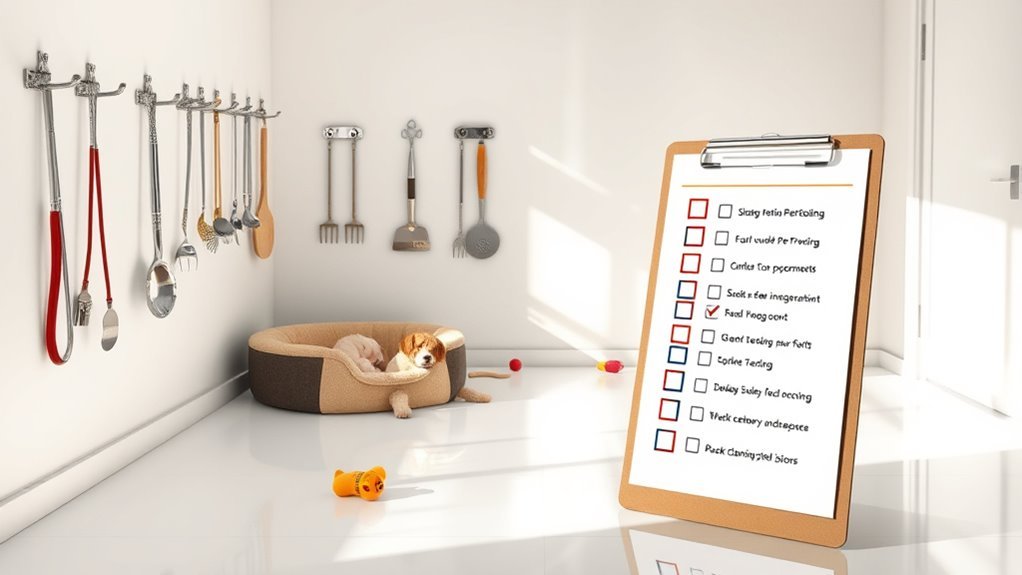
Before you begin cleaning, you need to thoroughly assess the site to understand the scope of the mess. A proper site evaluation helps you identify all affected areas and any hidden spots that need attention. You’ll want to take into account environmental factors like ventilation, flooring type, and nearby materials that could be damaged or contaminated. This step guarantees you approach the cleanup efficiently, avoiding surprises and wasted effort. Taking the time to evaluate the site gives you the freedom to plan your cleaning strategy smartly and effectively. By understanding the unique challenges each location presents, you can protect the environment and maintain safety, setting the stage for a thorough, successful pet mess cleanup.
Gathering Essential Cleaning Supplies
Before you start cleaning, make sure you have the right tools and safe chemicals on hand. Choosing the best supplies helps you work efficiently and keeps pets and clients safe. Don’t forget to organize everything properly for quick access during the job.
Must-Have Cleaning Tools
To tackle pet messes effectively, you’ll need a handful of essential cleaning tools that make the job faster and more thorough. Investing in the right cleaning gadgets not only saves time but also guarantees every nook and cranny is spotless. Eco friendly tools let you clean responsibly while maintaining freedom from harsh chemicals. Here’s a quick look at must-have items:
| Tool Type | Purpose |
|---|---|
| Microfiber Cloths | Trap dirt, gentle on surfaces |
| Sturdy Scrub Brushes | Remove stubborn stains |
| Portable Vacuum | Pick up hair and debris |
With these essentials, you’re set to handle pet messes efficiently and sustainably, giving you the freedom to focus on growing your business.
Safe Cleaning Chemicals
Choosing safe cleaning chemicals is essential when dealing with pet messes, as they protect both your clients’ animals and your staff. You want to prioritize chemical safety by selecting products that eliminate germs without harsh toxins. Eco friendly options are a smart choice—they reduce your environmental impact and lower the risk of irritation or harm to pets and people. Look for non-toxic, biodegradable cleaners designed specifically for pet-related stains and odors. Avoid bleach or ammonia, which can trigger respiratory issues or worsen messes. By choosing safe, eco friendly chemicals, you create a healthier workspace and build trust with clients who value responsible care. Your freedom to work effectively depends on products that balance power and safety effortlessly.
Storage and Organization
Having safe cleaning chemicals is just one part of managing pet messes effectively; keeping your supplies well-organized guarantees you can respond quickly and efficiently. When gathering essential cleaning supplies, focus on smart storage solutions that maximize space and keep everything accessible. Use clear bins or labeled containers so you can easily find what you need without wasting time. Incorporate organization tips like grouping similar items together—disinfectants in one spot, brushes in another—to streamline your workflow. Adjustable shelves or portable caddies can also help you stay flexible and mobile throughout your cleaning tasks. By setting up a system that works for you, you’ll maintain freedom from clutter, reduce stress, and assure every job gets done swiftly and thoroughly.
Removing Solid Pet Waste
Start by carefully picking up solid pet waste using disposable gloves and a sturdy bag to prevent any spills or contamination. Mastering efficient pet waste removal techniques is essential to keep your workspace clean and safe. You’ll want to act quickly—solid waste left unattended can cause odors and attract pests. Use tools like scoops or plastic liners to make the job easier and more hygienic. Always seal the waste tightly before disposal, ensuring it doesn’t leak or spread bacteria. By following these straightforward steps, you’ll maintain a sanitary environment that supports your freedom to work confidently without worrying about messes. Clean pet waste removal isn’t just about tidiness—it’s about creating a hassle-free, professional service that respects both your clients and your own peace of mind.
Treating Stains and Spots
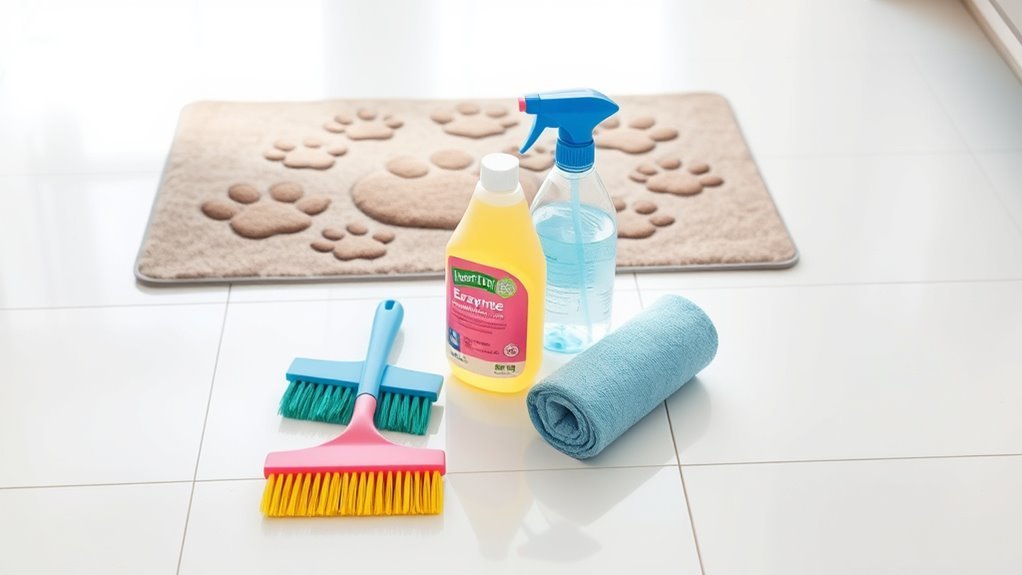
Although pet messes can be tough to clean, treating stains and spots promptly will save you time and effort later. You want to act fast and use effective stain removal techniques to keep your space fresh and inviting. Choose spot treatment products designed specifically for pet stains to avoid damage and lingering odors. Here’s how to tackle those stubborn marks:
- Blot the stain gently with a clean cloth—don’t rub, or you’ll spread it.
- Apply a pet-safe spot treatment product, following the instructions carefully.
- Let the product sit for the recommended time to break down the stain.
- Rinse the area with cold water and blot dry to finish.
Cleaning Pet Hair and Dander
Pet hair and dander can quickly accumulate, making your space look untidy and potentially triggering allergies. To keep things fresh and welcoming, start by incorporating regular pet grooming techniques. Brushing pets frequently reduces shedding and controls dander at the source. When cleaning, use a vacuum with a HEPA filter to trap fine particles effectively. Don’t forget allergy prevention tips like washing pet bedding often and using air purifiers to improve air quality. Sticky rollers and damp cloths work wonders for quick hair removal on furniture and surfaces. By staying consistent with these practices, you’ll maintain a clean, allergy-friendly environment that lets you and your clients enjoy freedom from mess and discomfort without hassle.
Disinfecting Affected Areas
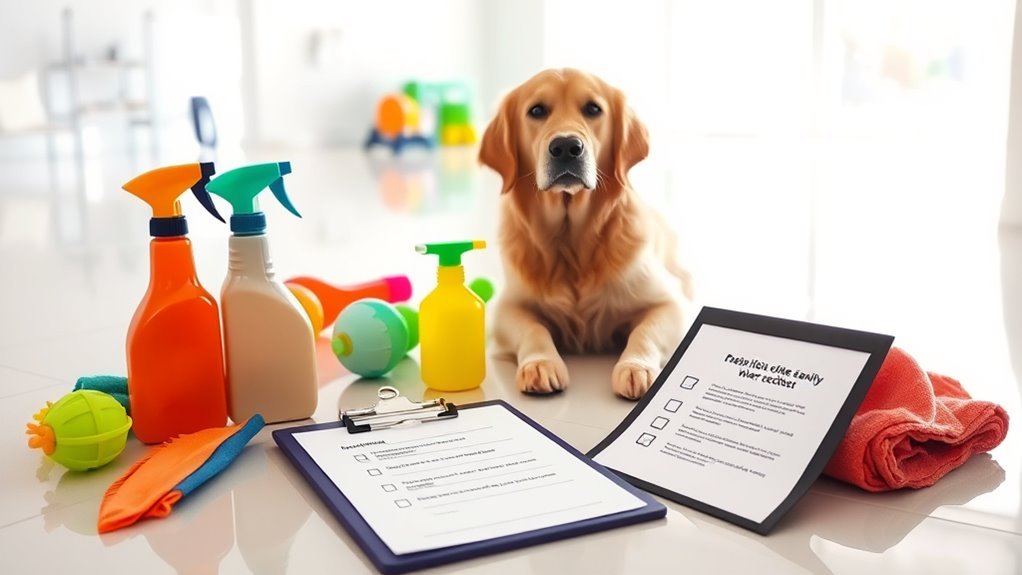
One of the most essential steps in maintaining a sanitary environment is disinfecting affected areas promptly and thoroughly. When you’re running a pet mess business, effective sanitization isn’t just about cleanliness—it’s about providing a safe space free from harmful bacteria and viruses. Focus on disinfecting surfaces where messes occur to prevent the spread of germs.
To guarantee you’re doing it right, follow these key steps:
- Use EPA-approved disinfectants suitable for pet-related messes
- Allow disinfectants to sit for the recommended contact time before wiping
- Wear gloves to protect your skin during the process
- Clean surfaces first to remove debris, then disinfect for maximum effect
Deodorizing and Odor Control
Since odors can linger long after visible messes are cleaned, you’ll need effective deodorizing techniques to keep your space fresh and inviting. Using odor neutralizers targets and eliminates smells at the source, while scent masking only covers them up temporarily. For lasting freedom from pet odors, prioritize neutralizers and complement them with subtle scent masking when needed.
| Technique | Purpose |
|---|---|
| Odor Neutralizers | Break down and remove odors |
| Scent Masking | Temporarily hide odors |
| Ventilation | Circulate fresh air |
| Absorbent Materials | Capture moisture and smells |
Cleaning and Maintaining Equipment
Controlling odors is only part of the challenge; keeping your cleaning equipment in top shape plays a big role in maintaining a fresh environment. You want your tools ready to perform efficiently whenever you need them, so equipment maintenance should be a priority. Regular inspections help you spot wear and tear early, preventing breakdowns that could slow you down.
To stay ahead, focus on:
- Cleaning tools immediately after use to prevent buildup
- Checking for damaged parts or worn brushes regularly
- Lubricating moving parts to guarantee smooth operation
- Storing equipment in a dry, ventilated space to avoid rust
Managing Waste Disposal
You’ll need to separate pet waste and cleaning materials properly to avoid contamination. Using safe disposal methods keeps your workspace hygienic and compliant with regulations. Let’s look at how to manage waste disposal effectively.
Proper Waste Segregation
Although managing pet waste can seem overwhelming, proper waste segregation is key to keeping your business clean and safe. You’ve got to focus on waste classification to separate hazardous materials from recyclables and general trash. This approach not only protects your staff and clients but also supports eco-friendly recycling practices that reduce landfill impact. To make it easier, follow these steps:
- Use clearly labeled bins for different waste types
- Train your team on identifying recyclable and non-recyclable waste
- Regularly monitor and audit waste segregation effectiveness
- Partner with local recycling facilities for proper disposal
Safe Disposal Methods
Effective waste disposal is essential for maintaining a hygienic environment in your pet mess business. To keep things clean and eco-friendly, use biodegradable bags for collecting pet waste. These bags break down naturally, reducing your environmental footprint while making cleanup hassle-free. Once you’ve gathered the waste, explore composting options if local regulations allow. Composting not only diverts waste from landfills but also transforms it into nutrient-rich soil, giving you a sustainable way to manage organic matter. Always guarantee that waste is securely sealed to prevent leaks or odors, and dispose of it promptly according to your area’s guidelines. By adopting these safe disposal methods, you protect both your business space and the planet, all while enjoying the freedom to operate responsibly and efficiently.
Final Inspection and Quality Check
Before wrapping up your cleaning process, it’s important to perform a thorough final inspection and quality check. This step guarantees your work meets the highest standards and leaves the space spotless for your clients. Focus on quality assurance to make certain nothing gets overlooked.
Perform a thorough final inspection to ensure your cleaning meets the highest standards and leaves no detail overlooked.
Here’s what to check during your final inspection:
- Confirm all pet messes are fully cleaned and odors eliminated
- Verify safe disposal containers are secure and sealed
- Inspect for any missed spots, stains, or lingering debris
- Make sure cleaning supplies are properly stored and the area is tidy
Frequently Asked Questions
What Cleaning Certifications Are Recommended for Pet Mess Businesses?
If you’re running a pet mess business, getting cleaning certifications like the IICRC or biohazard remediation is a smart move. These guarantee you meet high sanitation standards, giving your clients peace of mind. Since dog grooming also demands strict cleanliness, these certifications show you’re serious about hygiene and safety. You’ll have more freedom to grow your business, knowing you’re following expert guidelines that protect pets and people alike.
How Often Should Training on Cleaning Protocols Be Updated?
You should set your training frequency to update cleaning protocols at least every six months. This guarantees you’re always in the loop with the latest health standards and best practices. If there are significant protocol updates, don’t wait—train your team immediately. Staying proactive lets you maintain a clean, safe environment without feeling tied down, giving you the freedom to focus on growing your business confidently.
What Are the Best Practices for Handling Pet-Related Biohazards?
When handling pet-related biohazards, you’ve got to prioritize safe biohazard disposal to protect yourself and others. Use proper sanitation techniques like wearing gloves, disinfecting surfaces with pet-safe cleaners, and promptly containing waste. Don’t cut corners—always follow local regulations for hazardous waste. Staying informed and organized lets you keep your space clean without feeling trapped by the process. Freedom comes from knowing you’ve done it right and safely.
Are There Specific Insurance Requirements for Pet Mess Cleaning Services?
As the saying goes, “Better safe than sorry.” When running a pet mess cleaning service, you’ll want to make sure your insurance policies include solid liability coverage. This protects you from unexpected claims related to pet biohazards or property damage. While specific requirements vary by location, having all-encompassing coverage lets you work freely and confidently, knowing you’re shielded against potential risks. Always check local regulations to stay fully compliant.
How Can Businesses Market Their Pet Mess Cleaning Services Effectively?
You can market your pet mess cleaning services effectively by leveraging social media to reach your audience directly and showcase your expertise with before-and-after photos and testimonials. Don’t forget local advertising—flyers, community boards, and partnerships with pet stores can build trust and visibility. By combining these strategies, you’ll attract clients while keeping your freedom to run your business your way, making your brand stand out in the community.