Cleaning Mistakes That Damage Your Laundry
You’re damaging your laundry if you use too much detergent, overload the washer, or mix fabrics without sorting. Ignoring care labels and washing clothes in hot water can shrink or fade your garments. Skipping stain pre-treatment and misusing bleach also wears out fabrics. High-heat drying and neglecting washer maintenance lead to faster deterioration. Avoiding these mistakes will keep your clothes fresh and lasting longer. Keep going to uncover more ways to protect your wardrobe.
Using Excessive Detergent
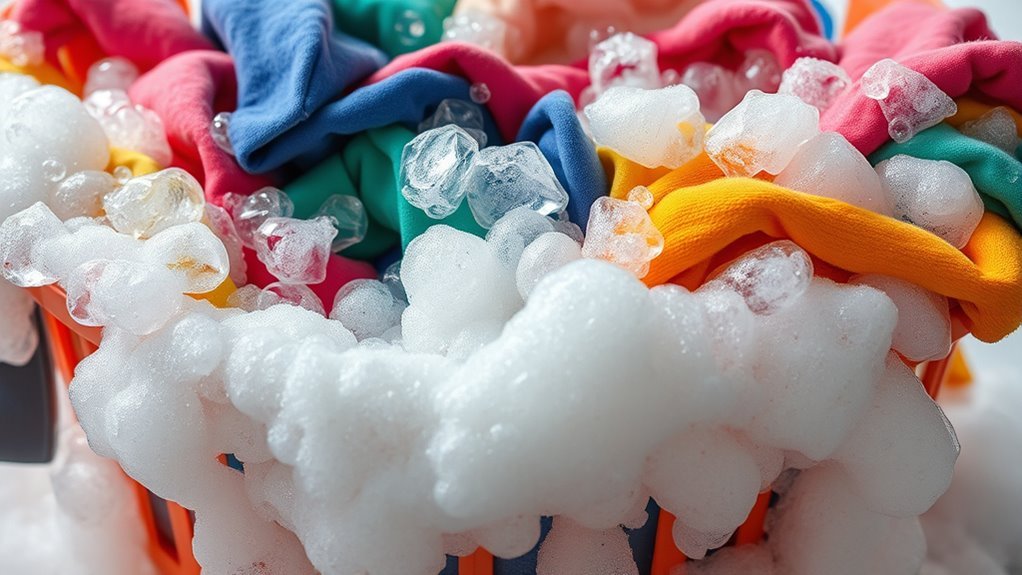
Using too much detergent might seem like a good way to get your clothes cleaner, but it actually causes more harm than good. When you overload your wash with detergent, it leaves detergent residue on your fabrics, making them feel stiff and irritating your skin. This buildup also traps dirt and odors instead of washing them away, reducing laundry efficiency. You want your clothes fresh and free, not weighed down by unnecessary chemicals. By using the right amount of detergent, you free yourself from excessive rinsing cycles and protect your garments from damage. Embrace simplicity—less detergent means better cleaning and a longer lifespan for your clothes. Choose to wash smart, not hard, and enjoy laundry that truly liberates you from hassle.
Overloading the Washing Machine
Although it might be tempting to pack every last piece of laundry into a single load, overloading your washing machine can cause more harm than good. When you exceed the machine capacity, clothes don’t get cleaned properly because there’s not enough space for water and detergent to circulate. Overloading also puts unnecessary strain on the motor and drum, potentially leading to costly repairs. To avoid this, practice proper load balancing by distributing clothes evenly inside the drum. This not only protects your machine but also guarantees your laundry comes out fresh and clean. Giving your washing machine the freedom to work within its limits means your clothes get the care they deserve, and you avoid the frustration of re-washing or damaged garments.
Mixing Different Fabric Types
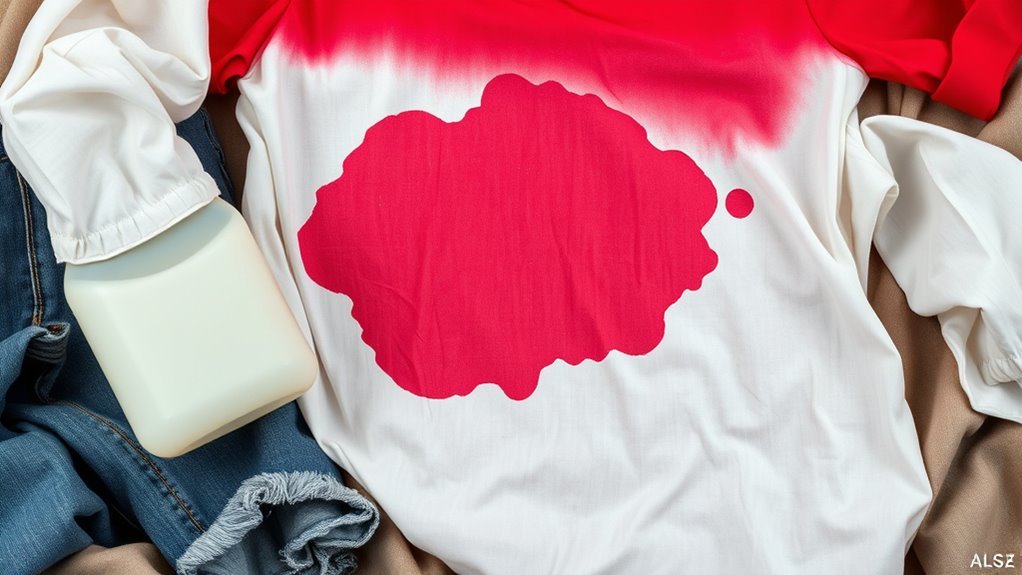
You might not realize that different fabrics need different care to stay in good shape. Mixing them can lead to color bleeding and damage to delicate materials. It’s important to sort your laundry to avoid these risks and keep your clothes looking their best.
Fabric Care Requirements
When you toss different fabric types together in one load, their varying care needs can cause serious damage. Each fabric demands specific water temperatures, detergents, and wash cycles to maintain garment longevity. Ignoring these can lead to shrinkage, color fading, or fabric weakening. To keep your clothes looking fresh and lasting longer, sorting by fabric care requirements is essential.
| Fabric Type | Recommended Care |
|---|---|
| Cotton | Warm water, regular cycle |
| Wool | Cold water, gentle cycle |
| Silk | Cold water, delicate cycle |
| Synthetic | Warm water, regular or gentle |
Respecting these needs lets you enjoy your wardrobe freely without worrying about ruining your favorite pieces.
Color Transfer Risks
Since fabrics release dyes differently during washing, mixing various types can increase the risk of color transfer. When you toss together cotton, polyester, and delicate fabrics, you’re inviting color bleeding that can ruin your favorite pieces. Some materials hold dye tightly, while others bleed easily, making dye transfer more likely when they’re washed together. To keep your laundry vibrant and free from unwanted stains, always separate items by fabric type and color intensity. Washing new or dark-colored clothes separately at first helps prevent mishaps. You want freedom in your wardrobe, not the frustration of unexpected color runs. By understanding how different fabrics behave in the wash, you can avoid common pitfalls and enjoy clean, bright clothes without the hassle of ruined garments.
Ignoring Care Labels
One simple slip can ruin your favorite clothes: ignoring care labels. These little tags hold the key to preserving your wardrobe’s life and look. The care label importance can’t be overstated—they provide fabric type guidelines essential for choosing the right wash, drying, and ironing methods. Skipping these instructions might seem like freedom, but it often leads to shrinking, fading, or weakening fabric fibers. When you respect care labels, you’re actually gaining freedom—the freedom to enjoy your clothes longer without damage. So, instead of guessing or rushing, take a moment to check those labels. It’s a small step that guards your style and lets you wear what you love, exactly how you want, time after time.
Washing Clothes in Hot Water
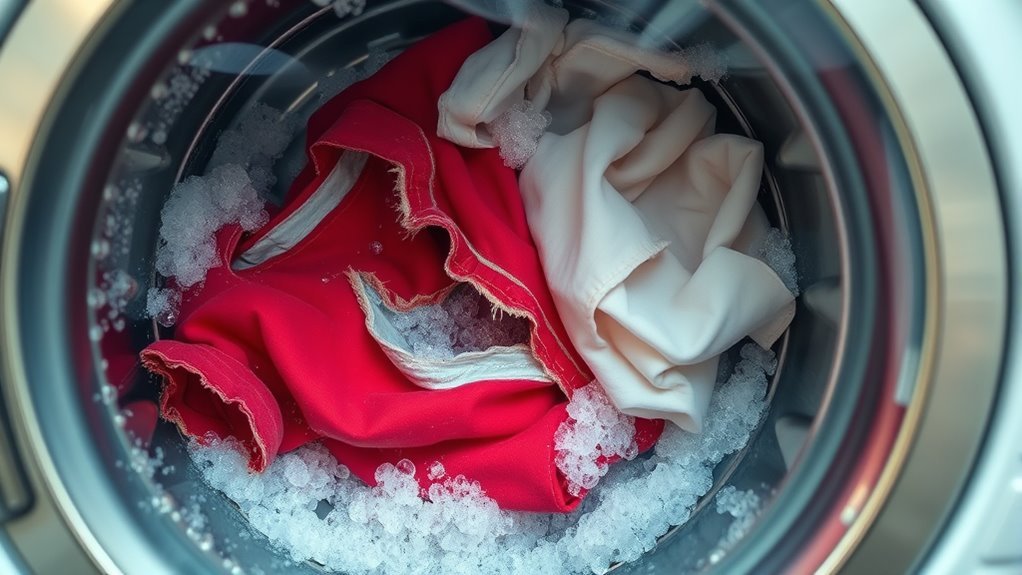
Although hot water might seem like the best choice for cleaning, it can actually harm many fabrics. Sure, hot water benefits include killing bacteria and loosening tough stains, making it tempting to use for every load. But think twice—hot water drawbacks include shrinking, fading, and weakening fibers, especially in delicate or synthetic clothes. You don’t want your favorite pieces falling apart or losing their shape just because you went for the hottest setting. Instead, save hot water for whites or heavily soiled items that can handle the heat. For most of your laundry, cooler water works just fine while preserving fabric integrity and colors. Embrace this freedom to protect your wardrobe and extend your clothes’ life by choosing the right water temperature every time.
Skipping Pre-Treatment for Stains
Choosing the right water temperature is just one part of effective laundry care, but it won’t fix stubborn stains on its own. If you skip pre-treatment for stains, you risk setting them permanently into your clothes. To truly free your laundry from marks, you need to apply fabric treatment products directly to the affected areas before washing. Using targeted stain removal techniques lets you tackle spots early, increasing the chance they’ll come out completely. Don’t rely solely on the wash cycle to do the work; prepping stains beforehand gives you control and better results. Embracing pre-treatment means you’re taking charge of your laundry’s freshness and longevity, rather than letting stains dictate how long your favorite garments last.
Using Bleach Incorrectly
If you don’t use bleach correctly, it can do more harm than good to your laundry. Different bleach types—chlorine or oxygen-based—require specific handling. Chlorine bleach is powerful but harsh; using it undiluted or in the wrong dilution ratios can weaken fabric fibers and cause yellowing. Oxygen bleach is gentler, but even then, following recommended dilution ratios is essential to avoid residue buildup or damage. Always check your clothing labels to see if bleach is safe, and never mix bleach types or combine bleach with ammonia or vinegar, as that creates toxic fumes. By respecting bleach types and sticking to proper dilution ratios, you keep your clothes looking fresh and vibrant, all while maintaining your freedom to clean without fear of ruining your favorite garments.
Drying Clothes on High Heat
When you dry clothes on high heat, you risk shrinking fabrics and weakening fibers, which can shorten the lifespan of your garments. High heat dangers aren’t always obvious until it’s too late—your favorite shirt suddenly fits like a kid’s or your jeans lose their shape. Fabric shrinkage happens because intense heat causes fibers to contract and break down faster. To keep your clothes looking and feeling great, opt for lower drying temperatures or air-dry whenever you can. This simple change gives you freedom from constant replacements and lets your wardrobe last longer. Avoiding high heat means you’re protecting your investment and embracing smarter laundry habits that keep your style intact without sacrificing convenience.
Neglecting Regular Washer Maintenance
Though you might not see it, neglecting regular washer maintenance can seriously harm your laundry results and even damage your clothes. Skipping routine upkeep shortens your washer lifespan, leading to costly repairs or replacements. To keep your machine running freely and efficiently, stick to a maintenance schedule that includes:
- Cleaning detergent dispensers and filters to avoid buildup.
- Running a monthly empty wash cycle with a washer cleaner to eliminate odors and residue.
- Checking hoses and seals for leaks or wear to prevent water damage.
Ignoring these steps means dirt, mold, and grime can accumulate, causing your clothes to come out less clean or even damaged. Keep your washer happy, and it’ll keep your laundry fresh and your freedom intact.
Frequently Asked Questions
How Often Should I Replace My Washing Machine Filters?
You might’ve heard that washing machine filters need changing every few months, but the truth is, it depends on usage and water quality. For effective washing machine maintenance, check your filter about every 3-6 months. If you live where water’s hard or wash a lot, you might need to replace or clean filters more often. Keeping up with filter replacement frequency frees you from unexpected clogs and keeps your laundry fresh without hassle.
Can Fabric Softener Harm Certain Types of Clothing?
Yes, fabric softener can harm certain types of clothing, especially activewear, towels, and moisture-wicking fabrics, by reducing their absorbency and breathability. If you want to keep your clothes feeling fresh and free, consider fabric softener alternatives like white vinegar or wool dryer balls. These options protect fibers better and align with smart laundry care tips, giving you the freedom to enjoy your wardrobe without worry or damage.
What Is the Best Way to Clean Delicate Lingerie?
Imagine treating your delicate lingerie like a fragile butterfly—gentle care guarantees it stays beautiful. You’ll want to hand wash it with mild detergent, avoiding harsh agitation that could damage fine fabrics. After rinsing, don’t wring it out; instead, lay it flat or hang it to air dry naturally. This approach preserves the freedom of movement and softness your lingerie deserves, letting you feel confident and unrestricted every time you wear it.
How Can I Prevent Color Fading in Dark Clothes?
To prevent color fading in dark clothes, you’ll want to focus on color preservation through smart washing techniques. Use cold water to keep dyes from bleeding, and turn clothes inside out before washing. Choose a gentle cycle and mild detergent made for colors. Avoid overloading the machine, and skip the dryer—air drying is your best bet. These steps help your clothes stay vibrant, giving you the freedom to wear them longer without worry.
Are Eco-Friendly Detergents as Effective as Regular Ones?
You might think eco-friendly detergents are as powerful as a superhero in a bottle, and in many cases, they really are! When it comes to eco friendly effectiveness, these detergents hold their own against regular ones, especially in removing everyday dirt and odors. Detergent comparisons show that, while some eco-friendly options might need a bit more time or warmer water, they’re a great choice if you want to protect the planet without sacrificing clean clothes.