Cleaning Techniques for Carpet Owners
You’ll want a vacuum with adjustable suction and a motorized brush for effective cleaning without damaging fibers. Tackle stains promptly using solutions matched to the stain type, testing first in hidden spots. For deep cleaning, consider hot water extraction or natural methods like baking soda and vinegar to maintain freshness and fiber integrity. Managing pet hair and odors requires specialized tools and prompt spot treatments. Understanding these will help you maintain your carpet’s appearance and longevity—there’s more expertise to explore for ideal care.
Choosing the Right Vacuum Cleaner for Your Carpet
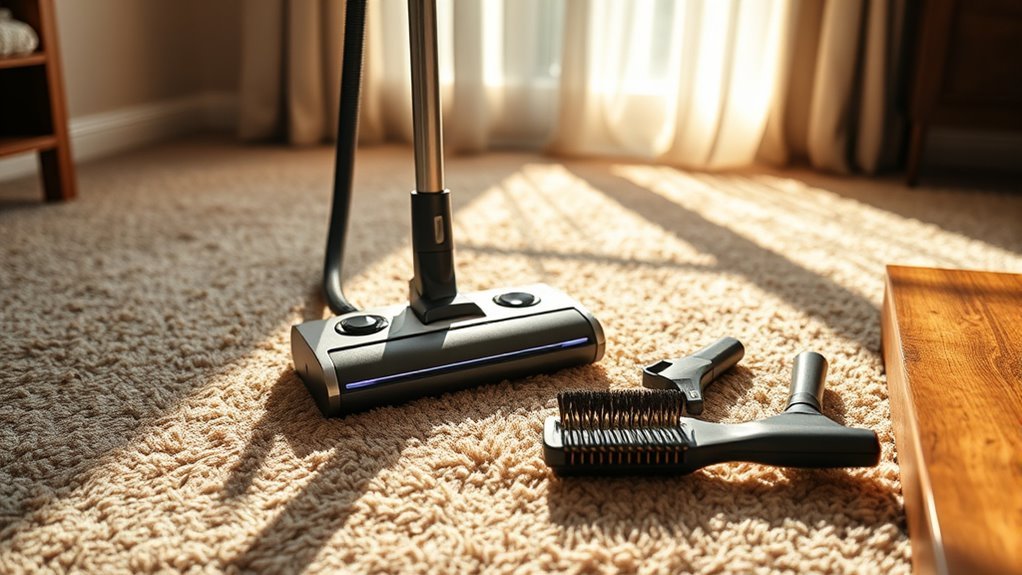
How do you determine the best vacuum cleaner for your carpet? Begin by evaluating the vacuum types available: upright, canister, robotic, and handheld models each offer unique advantages depending on carpet thickness and room layout. Suction power is critical; you want a vacuum with adjustable suction settings to avoid damaging delicate fibers while guaranteeing deep dirt removal. Consider models with motorized brush rolls for high-pile carpets, as they agitate fibers effectively, enhancing debris extraction. Additionally, check for HEPA filtration if allergies concern you, as it traps fine particles. Balancing suction power with maneuverability lets you clean thoroughly without strain, granting you the freedom to maintain your carpet’s integrity and appearance effortlessly. Choosing wisely guarantees a professional-grade clean tailored to your carpet’s specific needs. For optimal results, make sure to perform a quick pass with vacuum cleaner regularly to lift dirt and debris effectively.
Effective Spot Cleaning Methods for Stains
To effectively tackle stains, you need to first identify the type of stain to select the appropriate cleaning solution. Using the wrong product can worsen the stain or damage your carpet fibers. Acting quickly is essential—prompt treatment increases the chances of complete stain removal and prevents permanent discoloration. Always test cleaning solutions in inconspicuous areas to avoid damage to your carpet.
Identifying Stain Types
Why does identifying the stain type matter when you’re tackling carpet spots? Because each stain reacts differently to cleaning agents, applying the wrong method can worsen the damage or set the stain permanently. Utilizing stain identification techniques allows you to categorize common stain types such as protein-based (blood, food), tannin-based (coffee, wine), oil-based (grease, makeup), and dye-based stains (ink, grass). By recognizing these, you can tailor your approach precisely, ensuring effective removal without harming your carpet fibers. This technical awareness empowers you to act decisively and preserve your carpet’s integrity, granting you the freedom to maintain a clean environment with confidence. Accurate stain identification is the foundation of efficient spot cleaning, preventing trial-and-error and saving time.
Choosing Cleaning Solutions
Once you’ve accurately identified the stain type, selecting the appropriate cleaning solution becomes critical to effective removal. You’ll want to evaluate whether eco friendly options or commercial solutions best suit your carpet’s material and stain severity. Eco friendly options, often enzymatic or plant-based, offer low-toxicity benefits and minimize environmental impact, making them ideal if you prioritize sustainability and indoor air quality. Conversely, commercial solutions provide targeted chemical formulations designed for stubborn stains but may contain harsher agents requiring careful application to prevent fiber damage. Always test your chosen solution on a hidden carpet area first to check for discoloration or texture changes. By balancing your desire for freedom in choice with technical knowledge, you guarantee the best stain removal while preserving your carpet’s integrity and appearance.
Quick Stain Removal
Although quick stain removal demands immediate attention, understanding the correct spot cleaning methods guarantees efficient and thorough treatment. When a spill occurs, start by blotting the area with a clean, white cloth to absorb excess liquid—never rub, as this can set the stain. Apply appropriate stain removal techniques based on the stain type; for example, use a mild detergent solution for organic stains or a solvent-based cleaner for oil-based marks. Employ quick cleaning hacks like using club soda or vinegar mixtures for persistent spots, always testing on an inconspicuous area first. After treatment, rinse with cold water and blot dry. Acting promptly and using targeted methods assures you maintain your carpet’s integrity without relying on harsh chemicals or prolonged cleaning, giving you the freedom to enjoy a spotless living space effortlessly.
How to Deep Clean Your Carpet at Home
Before you begin deep cleaning your carpet, it’s essential to thoroughly prepare the area by removing furniture and vacuuming to eliminate surface debris. Utilizing effective methods such as hot water extraction or dry compound cleaning will guarantee contaminants are fully extracted from carpet fibers. After cleaning, apply proper post-cleaning care, including drying techniques and fiber protection, to maintain your carpet’s condition and extend its lifespan. Regularly scheduling professional carpet cleaning is important to enhance carpet freshness and longevity.
Preparing Carpet for Cleaning
To effectively prepare your carpet for deep cleaning, start by thoroughly vacuuming to remove loose dirt and debris embedded within the fibers. Next, conduct a detailed carpet assessment to identify stains, traffic patterns, and areas needing special attention. Prioritize furniture removal to access all carpeted areas, preventing obstruction and ensuring uniform cleaning. Consider the following preparation steps:
- Clear the room by moving furniture to a designated area
- Inspect carpet fibers for damage or discoloration
- Spot-treat visible stains with an appropriate pre-cleaner
- Check for and address any lingering odors
- Test cleaning solutions on a small, inconspicuous patch
This systematic approach gives you the freedom to clean your carpet deeply and effectively, maximizing results while safeguarding your investment.
Effective Deep Cleaning Methods
With your carpet properly prepared, you can now focus on applying deep cleaning techniques that penetrate the fibers to remove embedded dirt, allergens, and stains. Steam cleaning is highly effective; it uses hot water vapor to loosen and extract contaminants, sanitizing while preserving carpet integrity. Verify your steam cleaner’s temperature and pressure settings align with manufacturer guidelines to avoid fiber damage. Alternatively, carpet shampooing involves applying a specialized detergent that emulsifies dirt, followed by mechanical agitation and thorough extraction. Use a low-moisture shampoo formula to prevent over-wetting, which can promote mold growth. Both methods require careful drying to maintain carpet health. By mastering these techniques, you gain control over your carpet’s cleanliness, enhancing longevity and creating a healthier living space without relying on professional services.
Post-Cleaning Care Tips
Although deep cleaning removes most contaminants, proper post-cleaning care is essential to preserve your carpet’s condition and prevent rapid re-soiling. To maximize carpet protection and extend its lifespan, you’ll want to incorporate specific measures immediately after cleaning. Focus on these critical steps for effective post-cleaning care:
- Allow adequate drying time by ventilating the room and using fans to prevent mold growth.
- Avoid heavy foot traffic on the damp carpet to maintain fiber integrity.
- Apply a professional-grade carpet protector to repel spills and dirt.
- Schedule regular maintenance, including vacuuming and spot treatments, to sustain cleanliness.
- Rearrange furniture carefully to prevent crushing wet fibers and maintain pile resilience.
Using Natural Ingredients for Carpet Maintenance
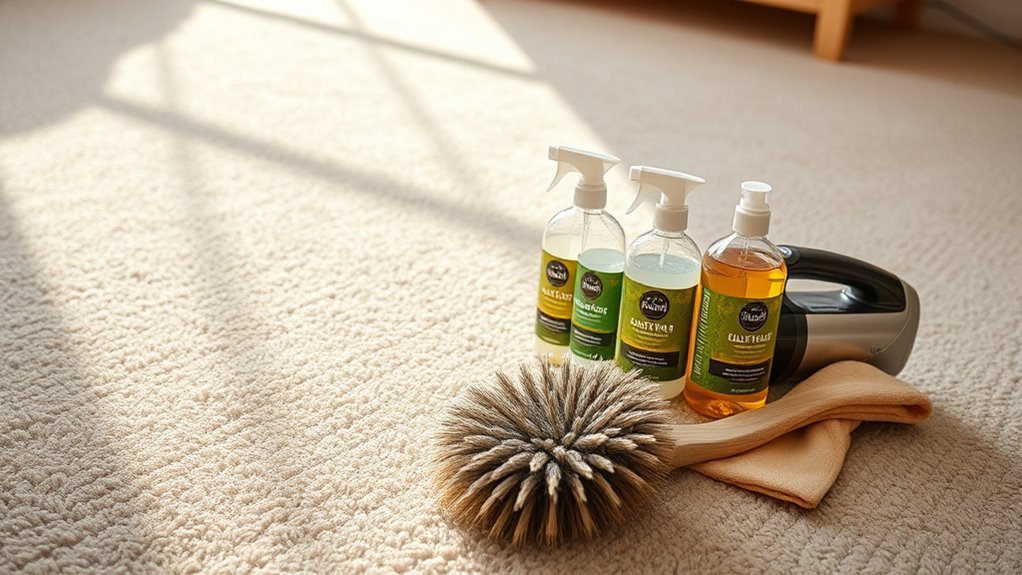
Since synthetic cleaners can sometimes leave residues or cause discoloration, using natural ingredients offers a safer alternative for maintaining your carpet’s appearance and longevity. You’ll find baking soda excellent for neutralizing odors and gently lifting dirt, while a vinegar solution works effectively to break down stains without harsh chemicals. Here’s a concise guide to their practical use:
| Ingredient | Purpose | Application Method |
|---|---|---|
| Baking Soda | Odor neutralizer | Sprinkle, let sit 15-30 mins, vacuum |
| Vinegar Solution | Stain remover | Mix with water (1:1), spray, blot |
| Lemon Juice | Brightener | Dilute, apply on stains, rinse |
| Salt | Absorbent for spills | Sprinkle on wet spots, vacuum |
| Cornstarch | Grease absorber | Apply on grease stains, brush off |
Combining these natural methods with regular vacuuming practices enhances overall carpet cleanliness and longevity.
Using these natural options, you maintain freedom from harmful residues while preserving your carpet’s integrity.
Tips for Removing Pet Hair and Odors
Natural ingredients can help maintain your carpet’s cleanliness, but dealing with pet hair and odors requires targeted strategies to keep your carpet fresh and hair-free. Begin by integrating regular pet grooming to minimize shedding at the source. Use a high-efficiency vacuum with a motorized brush to capture embedded hair effectively. Employ odor neutralizers specifically designed for carpets to chemically break down odor molecules rather than masking them. Consider a damp rubber glove to attract and lift hair clinging to fibers. Finally, spot-treat stains promptly with enzymatic cleaners to prevent lingering smells. Regular grooming not only controls shedding but also helps identify skin issues or health concerns early.
- Brush your pet weekly to reduce loose hair
- Vacuum carpets biweekly with HEPA filters
- Apply odor neutralizers after cleaning
- Use damp rubber gloves to remove stubborn hair
- Treat spots with enzymatic stain remover
These precise actions guarantee ideal carpet hygiene and freedom from pet-related residues.
Preventative Measures to Keep Carpets Clean Longer
To extend the cleanliness and lifespan of your carpet, implementing preventative measures is essential. Using carpet mats at entrances traps dirt and moisture, reducing debris accumulation. Regular grooming with a carpet rake lifts fibers, preventing matting and facilitating dirt removal. Additionally, promptly addressing spills and restricting food areas limit staining risks.
| Preventative Measure | Benefit |
|---|---|
| Carpet Mats | Reduces dirt and moisture infiltration |
| Regular Grooming | Maintains fiber integrity and appearance |
| Immediate Spill Cleanup | Prevents permanent staining |
| No-Shoe Policy | Minimizes outdoor contaminants |
| Area Designation for Eating | Controls food-related debris |
For thorough upkeep, consider using microfiber cleaning gloves for precision removal of dust and debris from carpeted surfaces and edges.
Dealing With High Traffic Areas and Wear
Although carpets are designed to withstand foot traffic, high traffic areas experience accelerated fiber wear and soil accumulation that can compromise their appearance and durability. To manage carpet wear effectively, you’ll want to focus on targeted maintenance strategies. Concentrate on these critical actions:
High traffic areas cause accelerated wear and soil buildup, requiring focused maintenance for lasting carpet beauty.
- Regularly vacuum high traffic zones with a high-suction vacuum to remove deep-seated dirt.
- Rotate rugs and furniture periodically to redistribute wear evenly.
- Apply protective treatments, like stain guards, to reinforce fiber resilience.
- Use entry mats to reduce soil tracked into these areas.
- Implement spot-cleaning immediately after spills to prevent permanent staining.
- In addition, adopting weekly vacuuming techniques helps prevent stubborn grime buildup and maintains carpet cleanliness.
When to Call Professional Carpet Cleaners
When your routine cleaning methods no longer restore your carpet’s appearance or eliminate odors, it’s time to contemplate professional carpet cleaning services. Knowing when to hire experts hinges on recognizing specific signs of professional intervention. Persistent stains that resist home treatments, embedded dirt in high-traffic zones, and lingering musty smells indicate deeper cleaning needs. Additionally, if your carpet’s fibers show matting or wear that vacuuming can’t reverse, professional equipment and expertise become essential. Allergies triggered by accumulated dust and pet dander also signal a need to call specialists. By identifying these signs of professional necessity early, you can maintain your carpet’s integrity and extend its lifespan without compromising your freedom to enjoy a clean, healthy living space. Regular maintenance practices such as addressing stains immediately can help delay the need for professional cleaning services.
Frequently Asked Questions
How Often Should I Replace My Carpet for Optimal Hygiene?
You should consider replacing your carpet every 7 to 10 years to maintain ideal hygiene standards. Carpet lifespan varies based on material and traffic, but prolonged use can harbor allergens and bacteria, compromising air quality. Regularly inspecting for wear and stains helps you decide when replacement is necessary. By adhering to these guidelines, you guarantee a clean, healthy environment while enjoying the freedom to choose carpets that suit your lifestyle and preferences.
Can Carpet Cleaning Improve Indoor Air Quality?
Think of your carpet as a sponge for airborne allergens, trapping dust, pollen, and pet dander. Regular carpet maintenance, including deep cleaning, effectively removes these contaminants, greatly improving indoor air quality. By extracting embedded allergens, you reduce respiratory irritants, promoting a healthier environment. Consistent upkeep not only preserves your carpet’s appearance but also supports your freedom to breathe clean air, enhancing overall well-being through a technically sound, professional approach to indoor hygiene.
Are Carpet Cleaning Machines Safe for All Carpet Types?
You’ll find that not all carpet cleaning machines are safe for every carpet type. Different carpet types require specific cleaning methods to avoid damage—delicate fibers like wool or silk need gentle, low-moisture techniques, while synthetic carpets tolerate more aggressive machines. It’s essential to match your cleaning method to your carpet’s material and construction to maintain its integrity and appearance. Always check manufacturer guidelines before using any machine to guarantee compatibility and avoid costly mistakes.
What Are the Best Storage Methods for Seasonal Rugs?
Think of your seasonal rugs as delicate butterflies needing careful shelter. For ideal rug maintenance tips, first thoroughly clean and dry them to prevent mold. Roll, don’t fold, to avoid creases, and wrap in breathable cotton or muslin fabric. Store in a cool, dry place away from direct sunlight. Using airtight containers can trap moisture, so opt for seasonal storage solutions that allow airflow, preserving your rugs’ freedom to breathe and last longer.
How Do Humidity Levels Affect Carpet Cleanliness?
Humidity impact on carpet cleanliness is significant because high moisture levels can promote mold, mildew, and dust mite growth within fibers. When you don’t control moisture levels, your carpet’s integrity weakens, leading to unpleasant odors and potential structural damage. To maintain ideal cleanliness, you need to monitor and regulate humidity with dehumidifiers or proper ventilation, ensuring your carpet stays dry, fresh, and free from microbial contamination that compromises your living freedom and comfort.