Common Mistakes When Cleaning Germs
When cleaning germs, you might be using ineffective products that don’t truly kill bacteria, or missing high-touch surfaces like door handles. Rushing through without proper techniques means germs stick around longer. Ignoring product instructions can reduce safety and effectiveness, while skipping regular cleaning lets germs build up. You might also be mixing chemicals unsafely or just disinfecting without cleaning first. Keep these in mind to boost your cleaning game—and discover smarter ways to protect your space.
Using Ineffective Cleaning Products
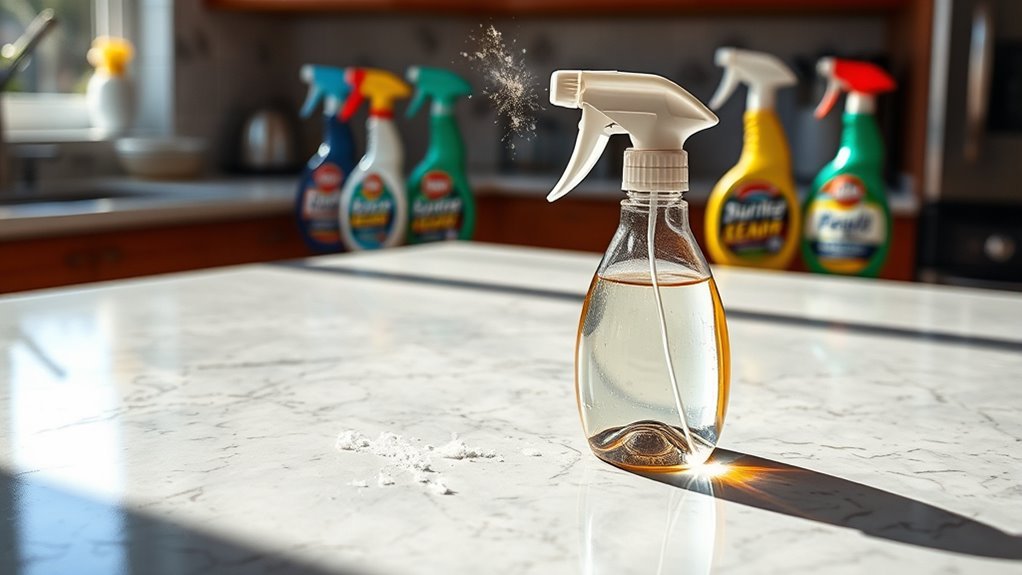
One common mistake people make when cleaning germs is using ineffective products. You might think any cleaner will do, but not all are created equal. If you want true freedom from worry, you need to choose products that actually work. While natural alternatives are appealing for their gentleness and eco-friendliness, you must guarantee they offer real product effectiveness against germs. Don’t just grab something because it’s labeled “natural”—check if it’s proven to kill bacteria and viruses. Otherwise, you risk cleaning without truly disinfecting, leaving germs behind. By selecting effective, tested cleaners—whether natural or conventional—you gain control over your environment and protect your health without compromise. Your freedom starts with smart choices in how you clean.
Overlooking High-Touch Surfaces
High-touch surfaces like door handles, light switches, and remote controls are often missed during routine cleaning, but they’re hotspots for germs. If you want to keep your space truly clean, don’t overlook these high touch areas. They’re the spots you and others touch constantly, making them prime targets for bacteria and viruses. Making these surfaces a top cleaning priority helps reduce the risk of illness and keeps your environment safer. It’s easy to get distracted by bigger tasks, but focusing on where germs gather most lets you maintain freedom from frequent sickness. So, next time you clean, zero in on those frequently touched spots—you’ll be surprised how much cleaner and healthier your space feels.
Not Following Proper Cleaning Techniques
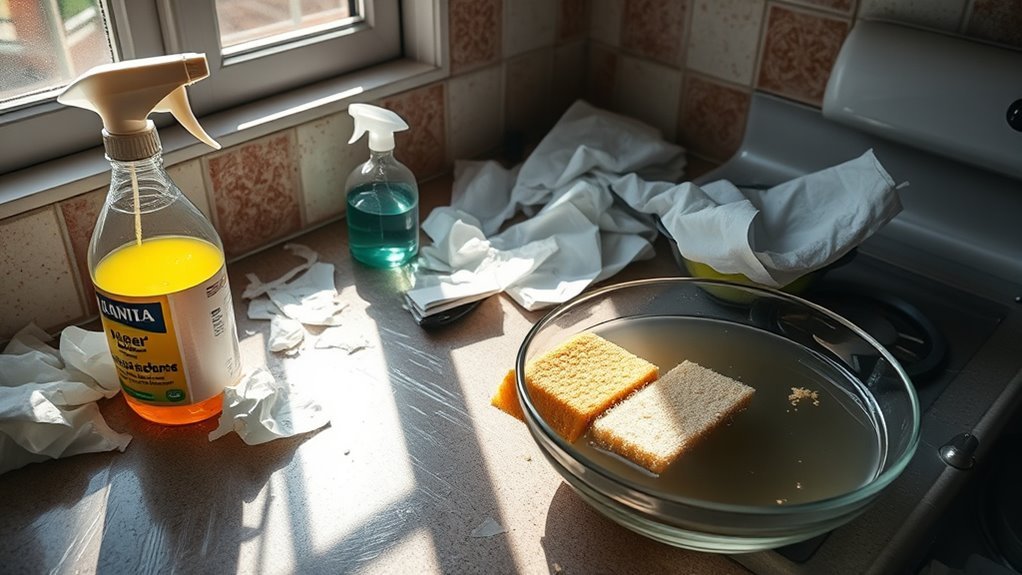
Even if you clean regularly, not using the right techniques can leave germs behind or spread them further. You might think wiping surfaces quickly is enough, but effective cleaning methods require more than just speed. It’s about applying the right amount of product, allowing proper contact time, and using the correct tools to physically remove germs. Without these effective strategies, you risk pushing bacteria around instead of eliminating them. For true freedom from germs, you need to be intentional with your approach—wipe in one direction, change cloths or wipes frequently, and focus on thoroughness over haste. When you follow proper cleaning techniques, you empower yourself to create a safer, healthier space without unnecessary effort or worry.
Ignoring Manufacturer Instructions
Although you may feel confident using your cleaning products, ignoring the manufacturer’s instructions can seriously reduce their effectiveness. Manufacturer guidelines are there for a reason—they guarantee you use the product safely and maximize its germ-killing power. Skipping these steps might seem like a shortcut, but it often leads to poor results or even damages surfaces. Plus, not checking for product compatibility can cause unwanted reactions or reduce cleaning efficiency. You want freedom in your cleaning routine, but that doesn’t mean ignoring essential details. Following the instructions empowers you to clean smarter, not harder. Respecting these guidelines means you’ll effectively eliminate germs without wasting time, money, or risking harm. In the end, sticking to manufacturer advice offers the freedom to enjoy a truly clean and safe environment.
Neglecting Regular Cleaning Schedules
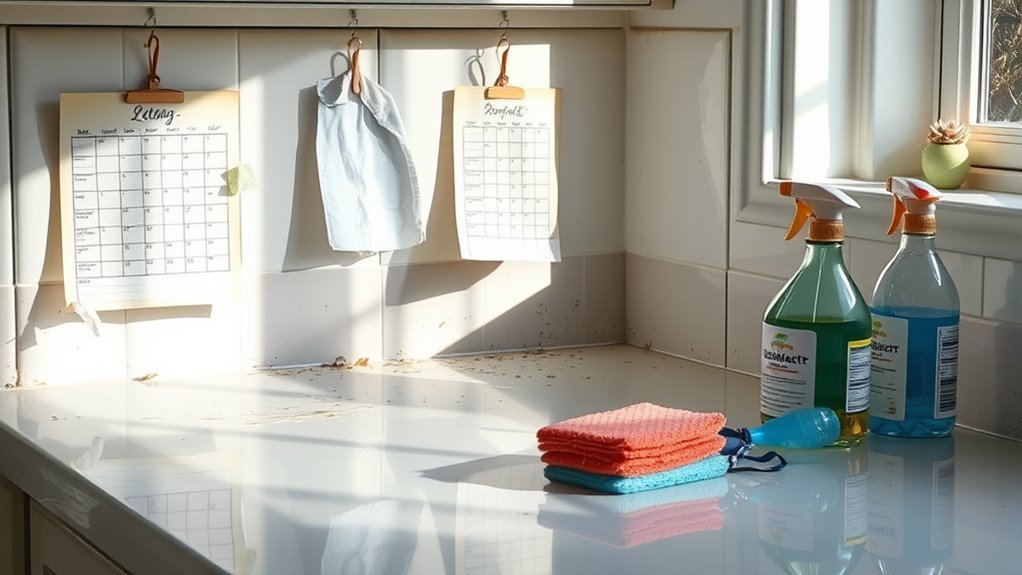
Following manufacturer instructions is just one part of keeping your space germ-free; sticking to a regular cleaning schedule is just as important. Without consistent cleaning frequency, germs can build up, limiting your freedom to enjoy a healthy environment. When you skip or delay cleaning, you risk letting bacteria thrive. Establish a routine that fits your lifestyle and stick to it—that’s where real freedom comes in.
| Area | Recommended Cleaning Frequency | Impact of Neglecting Schedule |
|---|---|---|
| Kitchen Surfaces | Daily | Germ buildup, food contamination |
| Bathroom | Every 2-3 days | Mold growth, bacteria proliferation |
| High-touch Items | Daily | Increased infection risk |
| Floors | Weekly | Dust and allergens accumulation |
Mixing Cleaning Chemicals Unsafely
Why would you risk your health by mixing cleaning chemicals without caution? Combining products like bleach and ammonia can trigger dangerous chemical reactions, releasing toxic gases that threaten your well-being. When you want the freedom to keep your space clean and safe, it’s essential to respect safety precautions. Always read labels carefully and never mix different cleaners unless you’re sure they’re compatible. Taking these steps protects you and those around you from harmful exposure. Remember, effective cleaning doesn’t mean reckless mixing—it means smart choices. By understanding how chemicals interact, you maintain control over your environment without sacrificing safety. So, don’t gamble with your health; follow safety precautions and keep your cleaning routine both powerful and safe.
Relying Solely on Disinfectants Without Cleaning
Mixing chemicals safely is just one part of effective cleaning. You might think spraying disinfectants alone is enough, but that’s a common mistake. Disinfectant effectiveness depends on first removing dirt and grime. If you skip this step, germs hide beneath debris, making your disinfectants less powerful. Prioritize cleaning before disinfecting to truly free your space from harmful microbes. Think of it this way: cleaning clears the battlefield, and disinfecting finishes the job. By focusing only on disinfectants, you limit their impact and risk leftover germs. Taking control means setting smart cleaning priorities—start with a thorough clean, then apply disinfectants. This approach gives you real freedom from germs, ensuring your efforts aren’t wasted.
Frequently Asked Questions
Can UV Light Be Used to Effectively Kill Germs on Surfaces?
You might wonder if UV light can effectively kill germs on surfaces. The truth is, UV effectiveness in germ elimination is pretty impressive when used correctly. You’ll get great results by exposing surfaces to UV-C light for the right amount of time. Just remember, it’s not a one-size-fits-all solution—it works best as part of your cleaning routine, helping you enjoy more freedom from worries about harmful germs.
How Long Do Germs Typically Survive on Different Materials?
Did you know some germs can survive up to 72 hours on plastic? Germ longevity really depends on material differences. On metals like copper, germs die quicker, sometimes within hours, but on fabrics or glass, they can linger longer. Understanding these differences lets you take control of your space without feeling restricted. By knowing where germs hang out, you can clean smarter and enjoy your freedom without constant worry.
Are Natural Cleaning Products as Effective as Chemical Disinfectants?
You might wonder if natural disinfectant effectiveness matches chemical disinfectants. While natural options like vinegar or tea tree oil can tackle some germs, they often don’t kill as many bacteria or viruses as chemical disinfectants do. However, if you value eco friendly cleaning alternatives, they offer a safer, less toxic way to keep things clean. Just remember, for heavy-duty disinfecting, you might need stronger products to truly protect your space.
What Role Does Humidity Play in Germ Survival on Surfaces?
Humidity levels greatly affect germ survival on different surface materials. When you’re in a dry environment, many germs struggle to survive, especially on porous surfaces. But in high humidity, moisture helps some bacteria and viruses persist longer, especially on smooth, non-porous materials like metal or plastic. So, understanding how humidity interacts with surface materials can help you decide when and how often to clean, keeping your space safer without feeling restricted.
Can Cleaning Tools Like Sponges Harbor and Spread Germs?
Yes, your sponges can definitely harbor germs if you’re not careful. Without proper sponge sanitation, they become a hotspot for bacteria, leading to germ transmission instead of cleaning. To keep your space truly clean and free, you’ve got to regularly sanitize your sponges—microwaving damp sponges or soaking them in bleach solutions helps kill germs. That way, you’re not just spreading messes, but actually reclaiming your freedom from hidden contaminants.