Daily Maintenance Tips for Mold
You can prevent mold by keeping indoor humidity between 30-50% and using dehumidifiers in damp spots. Make sure to ventilate bathrooms and kitchens well, using exhaust fans during showers or cooking. Fix any leaks immediately, and dry wet surfaces quickly. Regularly clean areas prone to moisture and consider mold-resistant paints and materials. Also, keep gutters clear to avoid water damage. Following these daily steps protects your home, and there’s more to explore about maintaining a mold-free space.
Monitor and Control Indoor Humidity

Although you might not notice it, indoor humidity plays a huge role in mold growth. Keeping it in check is essential if you want to maintain a healthy, mold-free space. You can start by installing humidity sensors in key rooms to keep a constant eye on moisture levels. These sensors help you act quickly before mold has a chance to settle. When humidity creeps above 60%, that’s your signal to ramp up dehumidifier usage. Running a dehumidifier not only reduces moisture but also gives you control over your environment, letting you breathe freely without worry. By actively monitoring and managing indoor humidity, you take charge of your space, preventing mold and embracing the freedom of a cleaner, healthier home.
Ensure Proper Ventilation in Key Areas
You’ll want to ventilate bathrooms regularly to keep moisture at bay. Using exhaust fans during and after showers helps reduce humidity quickly. Whenever possible, open windows to let fresh air circulate and prevent mold growth.
Ventilate Bathrooms Regularly
Since bathrooms are prone to moisture buildup, you should make sure to ventilate them regularly to prevent mold growth. Keeping air moving and reducing humidity is key to maintaining a mold-free space. You don’t have to feel trapped by dampness or musty smells—proper ventilation gives you control over your environment. Installing and using bathroom fans helps pull excess moisture out, making your bathroom a fresher, healthier place. Even simple habits like opening a window after a shower can greatly improve moisture control. By staying proactive with ventilation, you’re not just avoiding mold—you’re creating a bathroom that supports your freedom to enjoy a clean, comfortable home without worry. Taking these steps empowers you to keep mold at bay every day.
Use Exhaust Fans
Proper ventilation goes beyond just opening windows or running fans in the bathroom. Installing exhaust fans in key areas like kitchens, laundry rooms, and bathrooms guarantees moisture doesn’t linger, preventing mold growth. You’ll want to reflect on exhaust fan installation carefully—positioning and airflow effectiveness are vital. Don’t forget fan maintenance; clean and check your fans regularly to keep them running efficiently, avoiding blockages or reduced performance. Here’s a quick guide to help you manage your exhaust fans:
| Area | Purpose | Maintenance Tip |
|---|---|---|
| Bathroom | Remove steam and odors | Clean filters monthly |
| Kitchen | Eliminate cooking fumes | Check vent ducts quarterly |
| Laundry Room | Reduce humidity | Inspect fan blades regularly |
| Basement | Prevent dampness | Confirm fan runs during use |
Using exhaust fans smartly grants you freedom from mold worries.
Open Windows Often
Although exhaust fans play an essential role, opening windows often is just as important for keeping air fresh and moisture levels low. You want your living space to breathe freely—fresh air is key to preventing mold growth. By cracking open windows in key areas like the kitchen, bathroom, and living room, you encourage a natural airflow that removes humidity and stale air. This helps indoor plants thrive too, as they rely on clean air to stay healthy. Don’t hesitate to open windows daily, especially after cooking or showering when moisture spikes. You’ll feel the difference in your home’s atmosphere, and you’ll enjoy the freedom of a mold-resistant environment without relying solely on mechanical ventilation. Let your space flow naturally and stay fresh.
Fix Leaks and Water Damage Promptly
When you notice a leak or water damage, addressing it quickly can prevent mold from taking hold in your home. Don’t wait—act fast to maintain your freedom from mold’s grip. Start by scheduling regular plumbing inspections to catch issues before they escalate. These check-ups help you spot weak spots and leaks early. Next, consider investing in waterproofing solutions to protect vulnerable areas like basements or crawl spaces. Sealing these spots limits moisture intrusion, reducing mold risk. Remember, leaks and water damage create the perfect environment for mold to thrive, so prompt fixes keep your space safe and mold-free. Taking charge of maintenance empowers you to live freely without the worry of hidden mold problems lurking behind walls or under floors.
Clean and Dry Wet Surfaces Regularly
Because mold thrives in damp environments, you need to clean and dry wet surfaces promptly to keep it at bay. This is a crucial part of mold prevention strategies that give you control over your space. Whenever you spot moisture—whether from spills, condensation, or humidity—act quickly. Use effective cleaning techniques like wiping down surfaces with a mixture of water and mild detergent, then dry them thoroughly with a clean cloth or fan. Don’t forget hidden spots like under sinks or behind appliances where moisture can linger unnoticed. Regularly maintaining dry, clean surfaces stops mold spores from settling and growing, freeing you from the hassle of infestations. Staying proactive with these simple steps guarantees your environment stays fresh and mold-free, giving you more freedom in your daily life.
Use Mold-Resistant Products and Materials
You can cut down mold growth by choosing mold-resistant paint and building materials for your home. These products help prevent moisture from seeping in and creating a perfect environment for mold. Using them is a smart step toward keeping your space dry and mold-free.
Benefits of Mold-Resistant Paint
Although mold can be stubborn, choosing mold-resistant paint can make a big difference in keeping it at bay. This paint works as a key mold prevention strategy by containing antimicrobial agents that inhibit mold growth. When combined with proper paint application techniques, you guarantee a durable barrier that helps maintain your space’s freedom from mold.
| Benefit | How It Works | Why You Need It |
|---|---|---|
| Prevents Growth | Antimicrobial agents stop mold spores | Keeps air healthy and surfaces clean |
| Durable Coating | Resists moisture penetration | Extends paint life, saves money |
| Easy Maintenance | Smooth surface for quick cleaning | Reduces effort and time spent |
| Enhances Safety | Limits allergen buildup | Protects your family’s well-being |
| Cost-Effective | Less frequent repainting | Frees up your budget for other needs |
Choosing Mold-Resistant Building Materials
Selecting the right mold-resistant building materials can make a significant difference in preventing mold growth from the start. When you choose mold resistant insulation, you’re cutting down on moisture buildup inside walls, which is a prime spot for mold to thrive. Pair that with waterproof coatings on surfaces prone to dampness, like basements or bathrooms, and you create a strong barrier against mold development. These materials not only protect your home but also give you the freedom to enjoy a healthier, worry-free space. By opting for mold-resistant products, you’re taking control, reducing maintenance efforts, and preventing costly repairs. So, when building or renovating, don’t overlook these smart, durable choices—they’re your first line of defense for lasting mold prevention.
Keep Gutters and Downspouts Clear
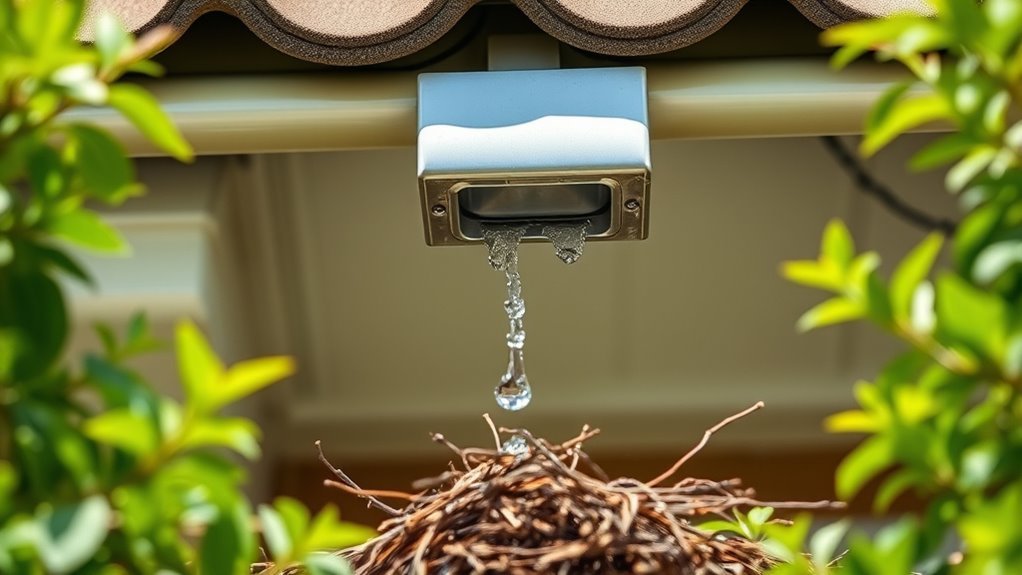
Since clogged gutters and downspouts can lead to water buildup and mold growth, it’s important to keep them clear. Proper gutter maintenance and thoughtful downspout installation are your first lines of defense against unwanted moisture. You want water flowing freely away from your home, not pooling where mold can thrive.
To stay on top of this, make sure you:
- Regularly remove leaves and debris to prevent blockages.
- Check that downspouts direct water at least 3-4 feet from your foundation.
- Inspect gutters for damage or sagging that could trap water.
Inspect and Maintain HVAC Systems
When you keep your HVAC system in good shape, you reduce the chances of mold developing inside your vents and ducts. Regularly changing HVAC filters and scheduling professional duct cleaning are key steps. Dirty filters trap moisture, creating a perfect mold breeding ground. Clean ducts improve air quality and keep your space mold-free.
| Task | Frequency | Benefit |
|---|---|---|
| Replace HVAC filters | Every 1-3 months | Prevents moisture buildup |
| Duct cleaning | Annually or as needed | Removes mold spores |
| Inspect system | Monthly | Early mold detection |
Keep control over your environment by maintaining your HVAC system. This freedom from mold guarantees healthier air and peace of mind.
Frequently Asked Questions
Can Mold Cause Allergic Reactions or Respiratory Issues?
Yes, mold can definitely cause allergic reactions and respiratory issues. If you’re exposed to mold, you might notice mold symptoms like sneezing, coughing, or itchy eyes. It can trigger allergic reactions, especially if you’re sensitive or have asthma. You don’t have to feel trapped by these symptoms, though—understanding the risks helps you take control and breathe easier, keeping your space healthy and free from mold’s impact.
What Types of Mold Are Most Common in Homes?
Think of your home as a garden where unwanted shadows grow—black mold often lurks in damp corners, symbolizing hidden threats to your freedom and health. Toxic mold, a notorious intruder, can quietly invade walls and ceilings, restricting your space like invisible chains. You’ll commonly find these molds alongside other types like mildew and penicillium, all vying to steal your comfort. Staying aware helps you reclaim control and breathe freely again.
Are There Natural Remedies to Prevent Mold Growth?
You can definitely use natural remedies to prevent mold growth. Try spraying a vinegar solution on damp areas; it’s a powerful, chemical-free way to keep mold at bay. Tea tree oil is another great option—you just mix a few drops with water and mist it around problem spots. These natural methods let you take control without harsh chemicals, giving you the freedom to maintain a fresh, mold-free space in a way that feels right for you.
How Can Mold Affect the Structural Integrity of a Building?
Mold can seriously weaken your building materials by breaking them down over time, especially wood and drywall. If you don’t keep moisture control in check, mold thrives, leading to rot and structural damage that compromises your safety and freedom in your space. You’ll want to tackle moisture issues early to protect your building’s integrity, ensuring your environment stays strong and healthy while you enjoy the freedom of a mold-free home.
When Should You Call a Professional for Mold Remediation?
Did you know that over 25% of homes have hidden mold issues? You should call a professional for mold remediation if you spot widespread growth, experience persistent musty odors, or notice health symptoms worsening. A thorough mold inspection helps pinpoint problems accurately, saving you from costly remediation costs down the road. Taking this step frees you from ongoing worries and guarantees your space stays safe and comfortable.