DIY Cleaner for Conference Table
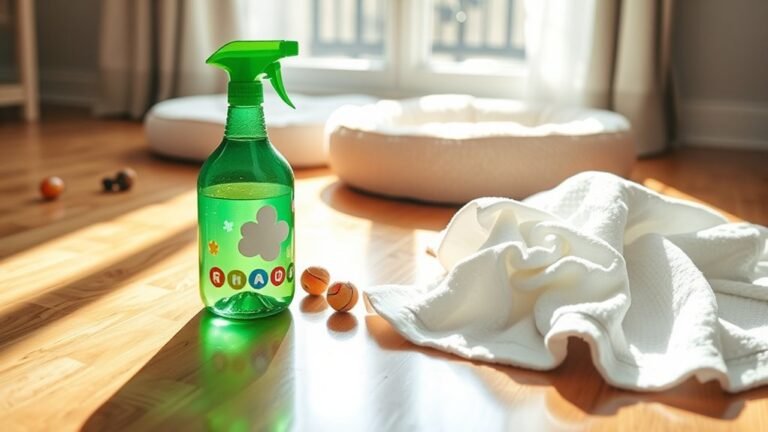
You can make an effective DIY cleaner for your conference table using equal parts distilled water and white vinegar with a few drops of mild liquid soap. This solution cleans gently without damaging finishes, ideal for glass, laminate, or sealed wood surfaces. Spray lightly and wipe with a soft, lint-free cloth, avoiding excess moisture. Always test on a small area first. For tailored tips on different surfaces and eco-friendly maintenance, there’s more useful information ahead.
Essential Ingredients for DIY Conference Table Cleaner

Creating an effective DIY cleaner for your conference table starts with selecting the right ingredients. You’ll want to prioritize natural alternatives that guarantee safety and environmental responsibility without sacrificing cleaning power. Ingredients like white vinegar, baking soda, and essential oils offer excellent disinfecting and deodorizing properties. However, it is critical to evaluate surface compatibility to avoid damage. For instance, vinegar is ideal for glass or laminate but may harm wood finishes. Similarly, oils should be diluted properly to prevent residue buildup. By carefully choosing components that align with your table’s material, you maintain its integrity while achieving a spotless finish. This approach grants you freedom from harsh chemicals, providing a cleaner that respects both your workspace and your principles. Additionally, using all-purpose vinegar spray is an eco-friendly and cost-effective way to cut through grime and disinfect surfaces naturally.
Step-by-Step Guide to Making Your Own Cleaner
To create an effective DIY cleaner for your conference table, you’ll need to gather the essential ingredients carefully. Follow precise mixing instructions to guarantee the solution is both safe and efficient. Additionally, applying the cleaner correctly will maximize its cleaning power and protect your table’s surface. Using natural ingredients like vinegar and baking soda ensures an eco-friendly and safe cleaning experience.
Essential Ingredients Needed
Three essential ingredients form the foundation of an effective DIY cleaner for your conference table: distilled water, white vinegar, and a mild liquid soap. Distilled water guarantees purity, preventing residue or mineral deposits. White vinegar acts as a powerful natural alternative to harsh chemicals, leveraging its acidic cleaning properties to break down grime and disinfect surfaces. The mild liquid soap contributes gentle yet effective cleansing without damaging the table’s finish. Selecting these natural alternatives offers you a safer, eco-friendly option that maintains the integrity of your conference table while providing peak cleanliness. By using these carefully chosen ingredients, you create a balanced formula that combines strength and safety, granting you the freedom to maintain a pristine workspace without compromising your values or the environment.
Mixing and Application Tips
Start by measuring equal parts of distilled water and white vinegar, then add a few drops of mild liquid soap to the mixture. Maintaining accurate mixing ratios guarantees the cleaner is both effective and safe for your conference table’s surface. Use a clean spray bottle to combine the ingredients thoroughly, shaking gently to avoid excessive bubbles. For application techniques, spray the solution evenly across the table, then wipe with a soft, lint-free cloth to prevent streaks or damage. Avoid soaking the surface; a light mist suffices. If stains persist, allow the solution to sit briefly before wiping. By adhering to these precise mixing ratios and application techniques, you gain complete control over the cleaning process while preserving the table’s finish and extending its lifespan.
Best Practices for Cleaning Different Table Surfaces

Although conference tables come in various materials, each surface demands specific cleaning methods to maintain its appearance and durability. When dealing with wood finishes, avoid harsh chemicals that can strip protective coatings; instead, use a gentle, pH-balanced cleaner applied with a soft cloth to preserve the wood’s natural luster. For surfaces with varied textures, such as laminate or glass inserts, tailor your approach: smooth laminates benefit from mild soap solutions, while textured areas require a soft brush to reach crevices without scratching. Always test your DIY cleaner on a discreet spot to verify compatibility with the material. By respecting the unique characteristics of each surface, you maintain the table’s integrity and extend its lifespan, giving you freedom from frequent, costly replacements while guaranteeing a professional, polished look. Regular maintenance, including gentle cleaning and avoiding harsh chemicals, helps in preventing damage and keeping the table looking fresh longer.
Eco-Friendly Tips for Maintaining a Germ-Free Table
When aiming to keep your conference table germ-free without compromising environmental responsibility, choosing eco-friendly cleaning practices is vital. You should opt for green cleaning solutions made from sustainable materials, such as vinegar, baking soda, and essential oils, which effectively eliminate germs without releasing harmful chemicals. Using reusable microfiber cloths instead of disposable wipes reduces waste and supports sustainability. Ascertain proper ventilation during cleaning to minimize indoor air pollution. Regularly disinfect high-touch areas with these eco-friendly agents to maintain hygiene while protecting the environment. By integrating sustainable materials into your cleaning routine, you not only safeguard health but also contribute to a greener workplace. This approach grants you the freedom to maintain cleanliness confidently and responsibly, aligning with both your values and practical needs. Additionally, choosing products with biodegradable materials helps prevent pollution and protects ecosystems.
Storage and Safety Tips for Homemade Cleaners

When storing your homemade cleaner, choose containers that are durable and airtight to maintain effectiveness and prevent leaks. Always label each container clearly with the contents and date of preparation to avoid confusion and guarantee safe use. Keep these cleaners in secure, cool, and dry locations away from children and pets to minimize risk. Additionally, ensure that the cleaning products you use are compatible with the conference table’s material to avoid surface damage.
Proper Container Selection
Anyone preparing a DIY cleaner must carefully select an appropriate container to guarantee both safety and effectiveness. When choosing container materials, opt for non-reactive options such as glass or high-density polyethylene (HDPE) plastics, which resist chemical degradation and preserve the cleaner’s integrity. Avoid metal containers that may corrode or react with acidic or alkaline solutions. Consider container sizes that suit your typical usage volume; smaller containers reduce waste and exposure, while larger ones are practical for frequent application. Ascertain the container has a secure, airtight lid to prevent contamination and evaporation. By selecting the proper container materials and sizes, you maintain the cleaner’s potency and safeguard your environment, granting you the freedom to use your homemade solution confidently and responsibly.
Labeling and Identification
Selecting the right container is only part of ensuring your DIY cleaner remains safe and effective. You must also implement clear labeling techniques to prevent misuse or accidental exposure. Use waterproof labels and permanent markers to write the cleaner’s name, date of preparation, and key ingredients. Identification methods such as color-coding or including hazard symbols can further enhance safety and quick recognition. Avoid vague descriptions; instead, be explicit to safeguard everyone who might handle the cleaner. Proper labeling not only supports safe use but also aligns with responsible storage practices, granting you freedom in managing your homemade solution confidently. By adopting these identification methods, you minimize risks and maintain an organized, secure environment around your conference table cleaner.
Safe Storage Locations
Although homemade cleaners can be highly effective, you’ll need to store them in locations that prioritize safety and accessibility. Safe storage guarantees that your DIY cleaner for the conference table remains potent and prevents accidental exposure. Effective organization is key to maintaining a tidy workspace while safeguarding everyone’s health.
| Location Type | Storage Recommendation |
|---|---|
| Locked Cabinet | Prevents unauthorized access |
| Cool, Dry Area | Preserves cleaner efficacy |
| Away from Food Items | Avoids contamination risk |
| Clearly Labeled Shelf | Enhances quick identification |
Choose storage spots that are out of reach of children and pets, well-ventilated, and free from direct sunlight. This approach not only safeguards your environment but also upholds freedom by allowing you to manage your supplies responsibly and independently.
Troubleshooting Common Cleaning Challenges
When you encounter stubborn stains or residue on your conference table despite using a DIY cleaner, it’s important to identify the underlying cause before proceeding. Addressing these issues effectively requires understanding the surface’s condition and the nature of the contaminants. Surface scratches may complicate cleaning efforts, trapping dirt and making stains appear more persistent. To troubleshoot common cleaning challenges, consider the following:
- Verify the cleaner’s compatibility with your table’s material to avoid damage.
- Gently test on a small, inconspicuous area first.
- Use a soft cloth or sponge to prevent aggravating surface scratches.
- For stubborn stains, apply the cleaner and let it sit briefly before wiping.
- If residues persist, consider a mild abrasive or consult manufacturer guidelines.
- Incorporating gentle fabric cleaners can enhance stain removal while preserving surface integrity.
Frequently Asked Questions
Can DIY Cleaners Damage Electronic Devices on the Table?
You should be cautious when using DIY ingredients, as some can damage electronic devices on the table. Ensuring DIY ingredients safety means avoiding harsh chemicals like ammonia or bleach, which can harm screens or sensitive components. Instead, use gentle solutions such as diluted vinegar or mild soap with water. Prioritize electronic device protection by applying cleaners with a soft cloth and keeping liquids away from ports and openings to prevent damage and maintain device longevity.
How Often Should I Deep Clean the Conference Table?
Did you know that 80% of germs on surfaces transfer within just a few hours? To maintain a hygienic environment, your cleaning frequency should align with a strict maintenance schedule. Deep clean your conference table at least once a week to eliminate buildup and guarantee longevity. Adjust this schedule based on usage intensity, but consistent deep cleaning is essential for preserving both appearance and functionality, giving you the freedom to focus on what truly matters.
Are DIY Cleaners Safe for Use Around Pets?
You’ll find that DIY cleaners can be safe around pets if you choose pet friendly ingredients like vinegar, baking soda, and mild essential oils. Always prioritize safe cleaning methods by avoiding harsh chemicals such as bleach or ammonia, which can harm your animals. Make certain the area is well-ventilated during and after cleaning, and keep pets away until surfaces are fully dry. This approach lets you maintain cleanliness without compromising your pet’s health.
Can I Use the Cleaner on Chairs and Other Furniture?
You can use the cleaner on chairs and other furniture, but you should first consider the chair materials and furniture finishes involved. Some finishes or fabrics may react differently to certain ingredients, so it’s wise to test a small, inconspicuous area before full application. This careful approach guarantees you maintain the integrity and appearance of all your furniture while enjoying the freedom to clean effectively and confidently.
What Should I Do if the Cleaner Causes an Allergic Reaction?
If you experience allergy symptoms after using the cleaner, immediately stop using it and rinse the affected area with plenty of water to reduce irritation. Seek medical advice if symptoms persist or worsen. For allergy prevention, always test a small, inconspicuous area before full application, and consider wearing gloves or a mask when applying the cleaner. Ensuring proper ventilation can also help minimize exposure and protect your health moving forward.