DIY Cleaner for Window Surfaces
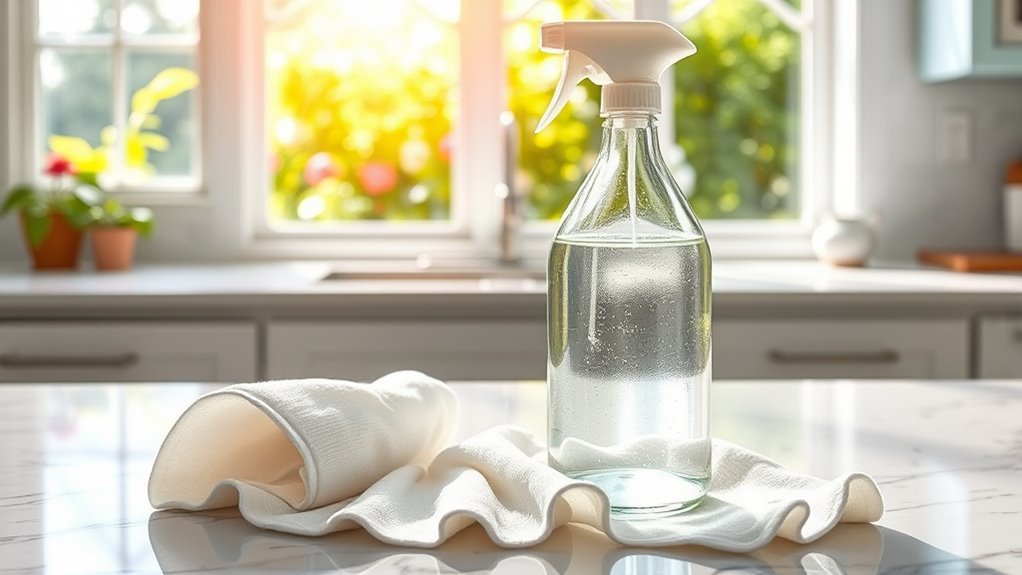
You can make a simple, effective DIY window cleaner using water, vinegar, and a few drops of dish soap. Just mix two parts water with one part vinegar in a spray bottle, add soap to cut grease, and spray on your windows. Use a microfiber cloth or squeegee for streak-free results. Avoid direct sunlight and wipe quickly to prevent spots. Want tips on prepping your windows and natural alternatives? There’s more to discover for shining glass.
Essential Ingredients for Homemade Window Cleaner
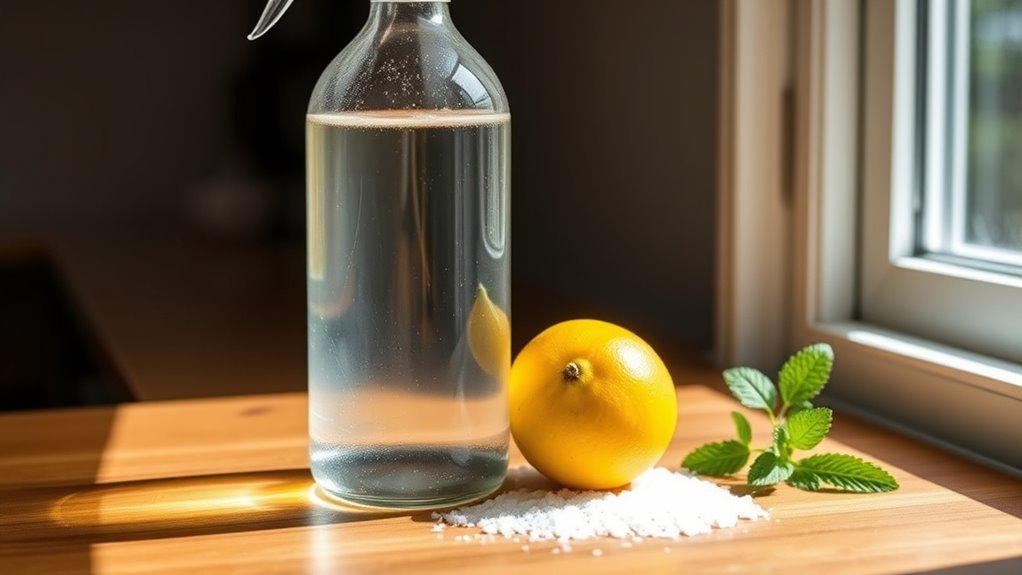
Although commercial window cleaners are widely available, making your own cleaner is simple and cost-effective. You can gain freedom from costly products by mixing just a few essential ingredients at home. The key to cleaning effectiveness lies in balancing ingredient ratios, typically combining water, vinegar, and a small amount of dish soap. Vinegar cuts through grime and streaks, while dish soap helps break down grease without leaving residue. Using the right proportion—usually one part vinegar to two parts water, with a few drops of soap—ensures your cleaner works efficiently. This DIY approach lets you control the ingredients, avoid harsh chemicals, and customize your solution as needed. By mastering these ingredient ratios, you empower yourself to keep your windows sparkling with minimal effort and expense.
Tools Needed for Effective Window Cleaning
To get your windows sparkling clean, you’ll need the right tools on hand. Choosing the proper cloth can make a big difference, and a squeegee offers benefits that help prevent streaks. Let’s look at the essential items you’ll want to gather before you start.
Essential Cleaning Tools
A few key tools will make your window cleaning faster and more effective. Don’t fall for cleaning myths that suggest complicated gadgets—simplicity and proper tool maintenance are your best friends. With the right essentials, you gain freedom from streaks and wasted time.
| Tool | Purpose | Maintenance Tip |
|---|---|---|
| Squeegee | Removes water and cleaner | Wipe blade after each use |
| Microfiber Cloth | Polishes and dries | Wash regularly, avoid fabric softeners |
| Spray Bottle | Applies DIY cleaner | Rinse nozzle to prevent clogging |
Master these essentials, and you’ll enjoy crystal-clear windows with less effort and more freedom to focus on what matters.
Choosing the Right Cloth
Choosing the right cloth can make all the difference in achieving streak-free, spotless windows. When you pick your cloth, go for microfiber cloths—they’re designed to trap dirt and moisture without scratching surfaces. Plus, they dry quickly, so you won’t be stuck waiting around. Avoid anything that leaves lint behind; lint free options are essential because stray fibers can ruin your clean finish and force you to start over. You want a cloth that feels soft yet durable, giving you freedom to clean confidently without worrying about smudges or residue. Using the right cloth means less frustration and more time enjoying those crystal-clear views you worked so hard to achieve. So, choose wisely and watch your windows shine effortlessly every time.
Benefits of a Squeegee
Nothing beats the efficiency of a squeegee when it comes to cleaning windows. You’re free to choose from various squeegee types—rubber blade, microfiber, or silicone—each designed to give you a streak-free shine effortlessly. Proper squeegee maintenance, like wiping the blade clean and storing it dry, guarantees it lasts longer and performs better.
| Squeegee Type | Best For | Maintenance Tip |
|---|---|---|
| Rubber Blade | Smooth glass surfaces | Clean blade after use |
| Microfiber | Delicate windows | Wash microfiber regularly |
| Silicone | Outdoor use | Store in dry place |
With the right squeegee and care, you gain freedom from streaks and smudges, making window cleaning quicker and more satisfying.
Step-by-Step Guide to Mixing Your DIY Cleaner
To mix your DIY window cleaner, you’ll need just a few essential ingredients that are easy to find. I’ll walk you through the simple steps to combine them correctly for the best results. Plus, I’ll share some tips on how to store your cleaner to keep it fresh and effective.
Essential Ingredients Needed
Creating your own window cleaner is simpler than you might think, especially when you have the right ingredients on hand. To start, you’ll need cleaning vinegar, which is powerful yet gentle enough to break down grime and leave glass streak-free. Adding lemon juice not only enhances the cleaner’s effectiveness with natural acidity but also gives it a fresh, uplifting scent. Alongside these, distilled water helps dilute the mixture, ensuring it’s safe for your windows without sacrificing cleaning power. Optionally, a few drops of essential oil can personalize your blend, making the chore feel less like a task and more like freedom in action. Keep these essentials ready, and you’re set to craft a reliable, eco-friendly cleaner tailored to your lifestyle.
Mixing Procedure Explained
Once you have your ingredients ready, mixing your DIY window cleaner is a quick and straightforward process that anyone can master. Start by pouring distilled water into a clean spray bottle—this guarantees purity and prevents streaks. Next, add equal parts white vinegar and rubbing alcohol; these form an effective base for your cleaning solutions. For a touch of freshness, include a few drops of essential oil if you like. Secure the spray cap tightly and shake gently to blend everything evenly. This simple mixture not only cuts through grime but also supports ongoing window maintenance by preventing buildup. With your custom cleaner ready, you’re free to tackle your windows anytime, enjoying a streak-free shine without relying on commercial products.
Storage Tips Provided
Proper storage is essential to keep your DIY window cleaner effective and safe. Using the right storage containers helps maintain the cleaner’s potency and prevents spills or contamination. Choose airtight, labeled containers to easily identify your solution. Also, consider your cleaning frequency; if you clean windows often, smaller containers may be more practical to avoid waste.
| Storage Tip | Recommendation |
|---|---|
| Container Type | Airtight plastic or glass bottles |
| Labeling | Clearly mark content and date |
| Storage Location | Cool, dark place away from sunlight |
| Cleaning Frequency | Adjust batch size accordingly |
With these tips, you’ll enjoy a ready-to-use cleaner that fits your lifestyle without sacrificing freedom or effectiveness.
Tips for Preparing Your Window Surfaces
Before you start cleaning, you’ll want to make sure your window surfaces are free of dust, dirt, and cobwebs. This step is essential in effective window preparation. Grab a soft brush or a microfiber cloth and gently sweep away any loose debris. Taking time for a thorough surface inspection helps you spot stubborn grime or damaged areas that need special attention. By doing this, you avoid spreading dirt while cleaning, which keeps your windows looking clear and fresh. Remember, prepping your windows properly lets your DIY cleaner work its magic without interference. It’s all about giving yourself the freedom to enjoy spotless windows without extra hassle. Proper window preparation sets the foundation for effortless, streak-free results down the line.
Best Techniques for Streak-Free Cleaning
With your windows prepped and free of debris, you’re ready to tackle cleaning without leaving streaks behind. Mastering streak prevention tips is all about technique and timing. Consistent cleaning frequency helps prevent buildup that makes streaks stubborn. Use a microfiber cloth or a squeegee for best results, wiping in a systematic pattern.
| Step | Tool | Tip |
|---|---|---|
| 1 | Microfiber cloth | Wipe in horizontal strokes |
| 2 | Squeegee | Start top, pull down slowly |
| 3 | Dry cloth | Buff edges for shine |
| 4 | Spray bottle | Light mist, avoid overspray |
Stick to these steps regularly, and your windows will gleam freely without pesky streaks. You’re in control of a clear, bright view every day.
Natural Alternatives to Vinegar in Window Cleaning
Although vinegar is a popular choice for cleaning windows, you might want to try natural alternatives that are just as effective and gentler on surfaces. These options give you freedom from vinegar’s strong smell and potential surface damage.
- Citrus cleaners – Lemon or orange juice mixed with water offers a fresh scent and powerful grease-cutting action.
- Baking soda – Use a paste of baking soda and water to tackle stubborn grime without scratching glass.
- Castile soap – A few drops diluted in water create a gentle yet effective cleaner.
- Cornstarch solution – Mixing cornstarch with water can polish windows and prevent streaks.
Experiment with these natural alternatives to find what suits your style and keeps your windows sparkling without harsh chemicals.
How to Store Your Homemade Cleaner Safely
Keeping your homemade window cleaner safe starts with choosing the right container and storage spot. Opt for safe containers like sturdy glass or BPA-free plastic bottles with secure lids to prevent leaks and chemical reactions. Avoid reusing food containers, as residues might mix with your cleaner. Once filled, clearly label materials used and the date of creation on the container. This helps you keep track and avoid confusion. Store your cleaner in a cool, dark place away from direct sunlight and out of reach of children and pets. Proper storage not only preserves the cleaner’s effectiveness but also guarantees your freedom to clean confidently without worrying about spills or accidents. With these simple steps, you can enjoy your DIY cleaner safely and stress-free.
Troubleshooting Common Window Cleaning Issues
If your windows aren’t coming out as spotless as you’d hoped, don’t worry—it’s usually caused by common issues that you can easily fix. Here’s how to tackle them for streak removal and a crystal-clear finish:
- Avoid direct sunlight – Cleaning windows in the sun causes your solution to dry too fast, leaving streaks.
- Use the right cloth – Microfiber cloths prevent lint and help with streak removal better than paper towels.
- Fight hard water spots – Hard water leaves mineral deposits; try wiping with vinegar to break them down before cleaning.
- Don’t overuse cleaner – Too much solution can cause streaks; spray lightly and wipe promptly for freedom from streaks.
Follow these tips, and your windows will shine freely, reflecting your clear view of the world.
Benefits of Using Eco-Friendly Window Cleaners
Getting your windows spotless is satisfying, but choosing the right cleaner can make a big difference beyond just appearance. When you opt for eco-friendly window cleaners, you’re reducing your environmental impact by avoiding harsh chemicals that harm ecosystems and pollute water sources. This choice aligns with your desire for freedom—not just from dirt, but from reliance on toxic products. Plus, these cleaners often use simple, natural ingredients you can even make yourself, which means you save money and control what goes into your home. The cost savings add up over time, freeing you from expensive store-bought solutions. By using eco-friendly products, you’re embracing a cleaner, healthier lifestyle that respects the planet and your budget, all while keeping your windows crystal clear.
Frequently Asked Questions
Can DIY Window Cleaner Remove Hard Water Stains?
You might find that DIY window cleaner can help with hard water stains, but it depends on the cleaning techniques you use. Hard water deposits are stubborn, so simple solutions won’t always cut it. Mixing vinegar or lemon juice with water often boosts effectiveness, breaking down mineral buildup. If you want freedom from harsh chemicals, these natural methods let you tackle stains without fuss, giving you control over what you apply and how you clean.
Is It Safe to Use Homemade Cleaner on Tinted Windows?
Oh sure, go ahead and use that homemade cleaner on your tinted windows—because who doesn’t want their privacy peeled away by a harsh chemical surprise? If you value tinted window safety, you might want to rethink. Many DIY concoctions can damage the film, reducing effectiveness and lifespan. While homemade cleaner effectiveness is tempting, respecting your tint’s delicate nature preserves your freedom from costly replacements and keeps your windows looking sharp. Choose wisely!
How Often Should I Clean My Windows With DIY Solution?
Your window cleaning frequency really depends on your lifestyle and environment. If you live in a dusty or rainy area, you might want to clean your windows every two weeks. Otherwise, once a month usually works well. For a flexible cleaning schedule, listen to your windows—they’ll show when they need attention. Keep it simple, and don’t stress; your freedom to choose when and how often to clean is what matters most.
Can I Add Essential Oils for Fragrance in My Cleaner?
Sure, sweet scents spice up your space! You can definitely add essential oils for fragrance in your cleaner. Popular essential oil types like lavender, lemon, or eucalyptus not only smell stunning but can offer subtle antibacterial benefits. Keep in mind, fragrance duration varies—citrus oils fade faster, while woody scents linger longer. Adding them lets you freely customize your cleaner’s aroma, making your windows sparkle with personal, pleasant perfume every time you wipe.
Will Homemade Cleaner Work on Mirrors as Well?
Absolutely, your homemade solutions can work great for mirror cleaning! Since mirrors have a similar surface to windows, these cleaners effectively remove smudges and streaks without harsh chemicals. Just make sure to use a soft cloth or microfiber towel to avoid scratches. You’ll enjoy the freedom of customizing your cleaner’s scent with essential oils too. So, go ahead and embrace your DIY spirit—your mirrors will sparkle just as much!