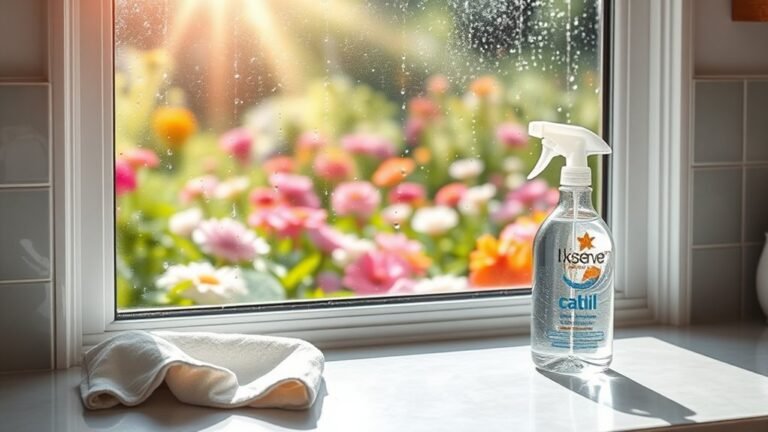
Essential Cleaning Tips for Sparkling Windowsills
To achieve spotless windowsills, start by decluttering and dusting the surface, followed by a thorough wash with the right cleaning solution. This two-step approach will leave your windowsills looking fresh and inviting, whether you’re prepping for a gathering or maintaining a clean home. Clean windowsills are not just about aesthetics; they play a crucial role in enhancing your home’s environment by reducing allergens and protecting your window frames. Here’s a comprehensive guide on how to keep your windowsills sparkling clean year-round.
The Importance of Clean Windowsills

Clean windowsills significantly enhance the overall aesthetics of your home and contribute to its curb appeal. They create a welcoming atmosphere, making your living space feel more organized and well-maintained. Beyond visual benefits, clean windowsills also play a crucial role in health and hygiene. Dust and allergens can accumulate in these often-overlooked areas, leading to respiratory issues and allergy flare-ups. Moreover, maintaining clean windowsills protects the integrity of window frames and surrounding areas, preventing damage from moisture and grime that can lead to costly repairs. Ignoring this aspect of home maintenance can result in both aesthetic and structural consequences.
Tools You’ll Need for Effective Cleaning

To effectively clean your windowsills, gather the following tools:
– Microfiber Cloths: These are essential for dusting and wiping down surfaces without leaving lint or streaks. Their electrostatic properties attract dust particles, making them ideal for cleaning delicate areas.
– Soft-Bristled Brush: A brush with soft bristles is perfect for reaching into corners and crevices where dust and dirt tend to accumulate. This ensures that no debris is left behind.
– Eco-Friendly Cleaning Solutions: Opt for environmentally friendly cleaning products that are effective at cutting through grime while being safe for both your family and the environment. Solutions containing vinegar or baking soda can be particularly effective for tough stains.
Investing in the right tools not only simplifies the cleaning process but also ensures that your windowsills are treated with care, preserving their appearance and functionality.
Step-by-Step Cleaning Before Window Treatment

Effective cleaning requires a systematic approach. Follow these steps to ensure thorough cleanliness:
1. Remove All Items: Start by clearing everything off your windowsills. This includes plants, decorative items, and anything else that may be present. This step allows for an unobstructed cleaning process.
2. Dust and Vacuum: Use a microfiber cloth to dust the surface and a soft-bristled brush to sweep away dirt and cobwebs from the corners. If your windowsills have a lot of buildup, consider using a vacuum cleaner with a brush attachment to remove loose debris effectively.
3. Wipe Down: Dampen a cloth with your chosen eco-friendly cleaning solution and wipe down the entire surface, focusing on stubborn stains or marks. For particularly tough spots, let the cleaning solution sit for a few minutes before wiping it away to loosen any entrenched grime.
By following these steps, you will create a clean slate for subsequent cleaning processes and treatments, ensuring that your windowsills are ready for a detailed shine.
Best Practices for Cleaning After Dusting
Once the initial cleaning is complete, focus on achieving a polished finish:
– Use a Glass Cleaner: After washing the windowsills, apply a glass cleaner to achieve a streak-free finish. Spray the cleaner onto a clean microfiber cloth rather than directly onto the surface to avoid overspray on walls or floors.
– Apply a Disinfectant: In high-traffic areas, it’s advisable to use a disinfectant to eliminate germs and bacteria. This is particularly important in homes with children or pets, where surfaces are frequently touched.
– Rinse and Dry: After applying any cleaning solutions, rinse the area with clean water to prevent any residue buildup. Subsequently, dry the windowsills thoroughly with a fresh cloth to avoid water spots, which can detract from the clean appearance.
Implementing these best practices will leave your windowsills not only clean but also hygienic, providing a safe environment for your household.
Maintaining Clean Windowsills Year-Round
To keep your windowsills looking their best, establish a maintenance routine:
– Schedule Regular Cleaning: Depending on your living environment, aim to clean your windowsills every month or at least every season. Regular cleaning prevents dirt and grime from building up, making each cleaning session easier.
– Use Coasters or Trays: To prevent stains from pots, decorations, or any items placed on the windowsill, consider using coasters or decorative trays. This simple measure can significantly reduce the need for frequent deep cleaning.
– Implement Quick Weekly Wipe-Downs: A quick weekly wipe-down with a damp cloth can help keep dust at bay and maintain the cleanliness of your windowsills. This routine can be done in just a few minutes and will save you time in the long run.
By maintaining a proactive cleaning schedule and implementing these strategies, you can ensure that your windowsills remain clean and inviting throughout the year.
Common Mistakes to Avoid
While cleaning windowsills may seem straightforward, there are common pitfalls to avoid:
– Skipping the Dusting Step: Never skip dusting before washing, as this can lead to mud-like stains when water mixes with dirt. Always dust first to ensure a thorough clean.
– Using Harsh Chemicals: Avoid using harsh chemicals that can damage the finish of your windowsills. Instead, opt for gentle, eco-friendly solutions that are effective without causing harm.
– Neglecting Corners and Edges: Often, dirt accumulates in corners and along edges, so make sure to pay special attention to these areas during cleaning. A soft-bristled brush can help ensure that no dirt is left behind.
By being mindful of these common mistakes, you can enhance the effectiveness of your cleaning routine and achieve the best results.
When to Seek Professional Help
There are instances when professional cleaning services may be warranted:
– Persistent Stains: If you encounter stains that won’t come out with DIY methods, it may be time to call in a professional who has specialized cleaning products and techniques.
– Signs of Mold or Mildew: If you notice mold or mildew developing on your windowsills, it’s essential to seek professional assistance to address the issue safely and effectively.
– Damage Beyond Cleaning: If your windowsills show signs of damage or deterioration that cleaning won’t resolve, a professional can assess and provide necessary repairs, ensuring the longevity of your window frames.
Recognizing when to seek professional help will not only save you time and effort but also protect your investment in your home.
Maintaining clean windowsills not only improves the look of your home but also contributes to a healthier living environment. By following these essential cleaning tips, you can ensure your windowsills remain sparkling and well-kept. Don’t wait—start your cleaning routine today!