How Can I Clean My Mouthguard Effectively?
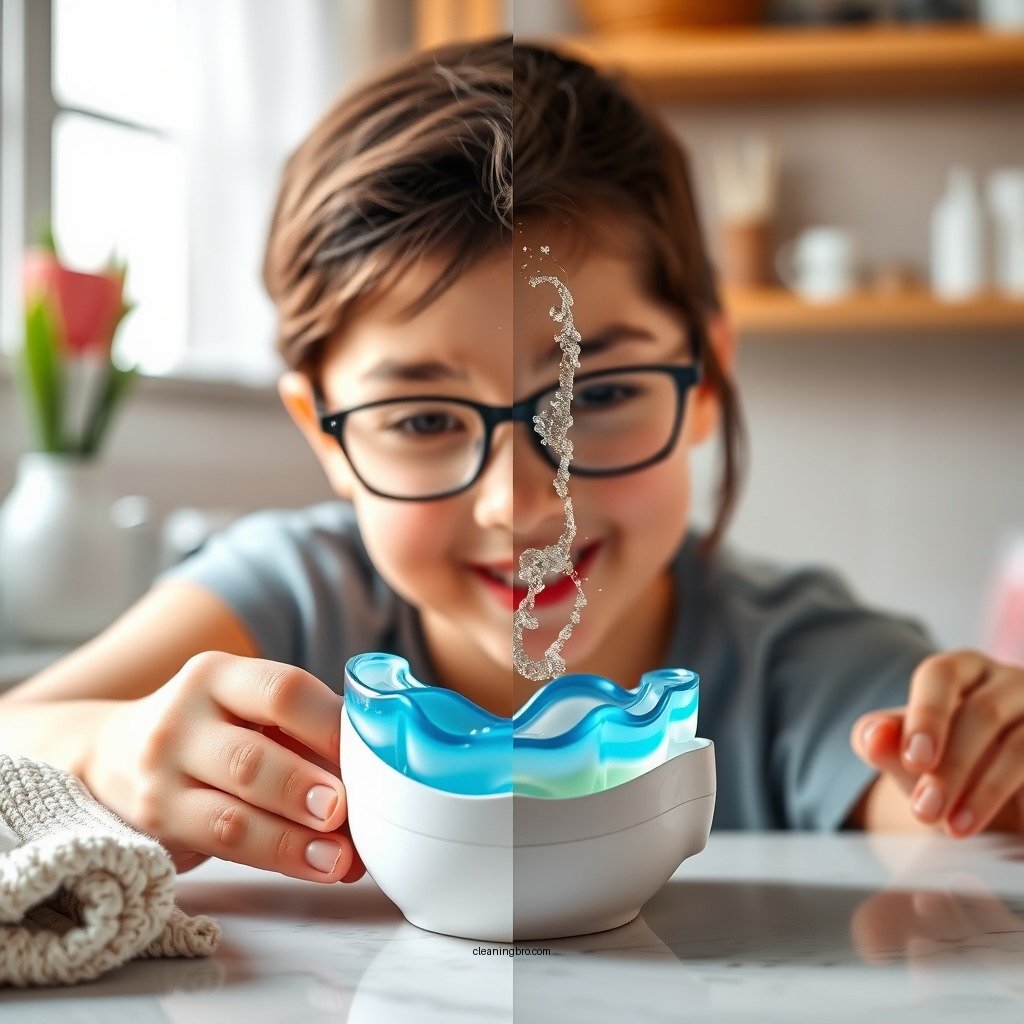
To clean your mouthguard effectively, it is essential to rinse it daily, use a gentle soap or toothpaste, and store it properly. Maintaining a clean mouthguard is crucial not only for your oral health but also for the longevity of the device. A well-maintained mouthguard can prevent the growth of bacteria and ensure that it continues to provide adequate protection for your teeth. In this article, we will explore various cleaning methods, offer tips for regular maintenance, and discuss best practices to ensure your mouthguard stays in optimal condition.
Daily Rinsing and Quick Cleaning
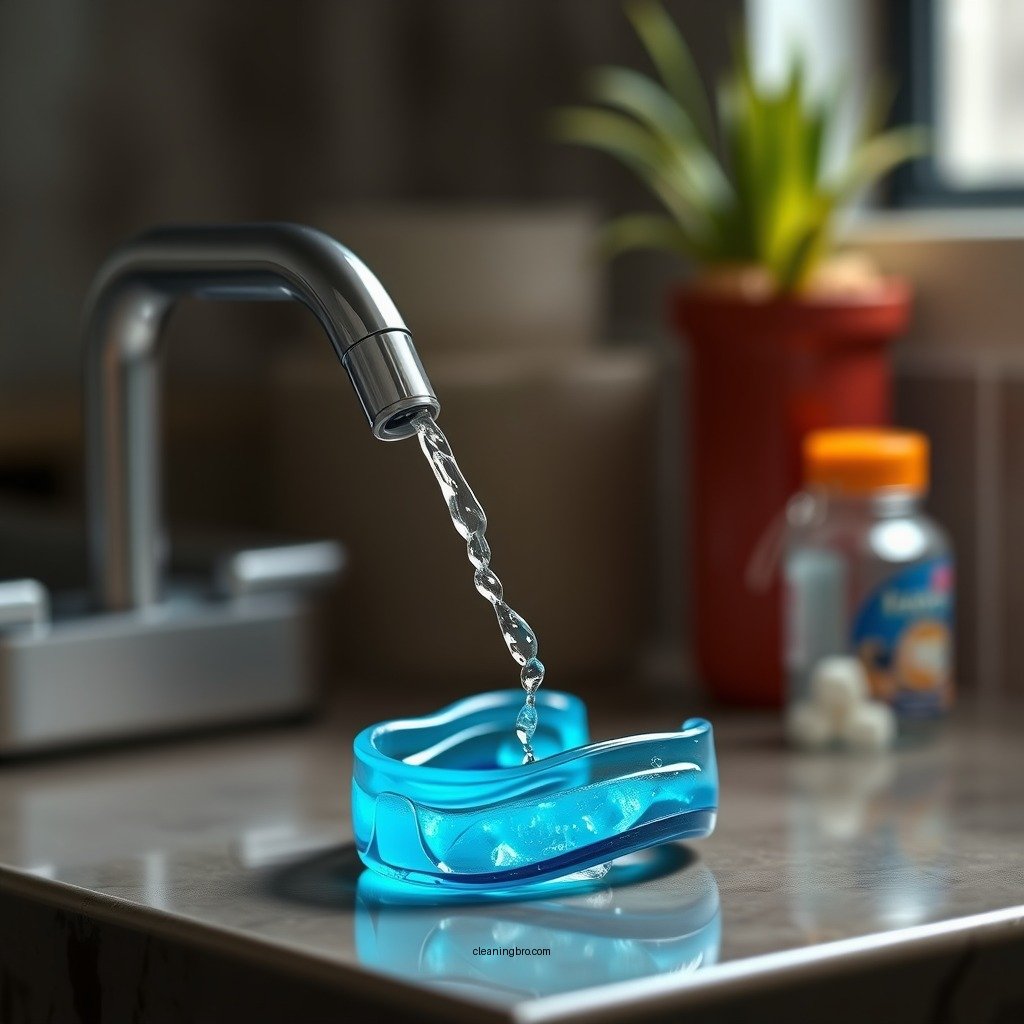
The first line of defense in mouthguard maintenance is daily rinsing. After each use, rinse your mouthguard with warm water to remove saliva, food particles, and other debris. This simple step will help prevent the build-up of bacteria that could harm your oral health.
For a more thorough clean, use a soft toothbrush or a cloth along with mild soap or toothpaste to gently scrub the surface of your mouthguard. It is important to choose a non-abrasive soap or toothpaste to avoid scratching the material, which can create crevices where bacteria can thrive. Focus on all surfaces of the mouthguard, including the inner and outer sides, to ensure a comprehensive clean.
If you are using a mouthguard for sports or other physical activities, you may want to consider rinsing it immediately after removal. This will help eliminate any sweat or bacteria that may have accumulated during use.
Deep Cleaning Techniques
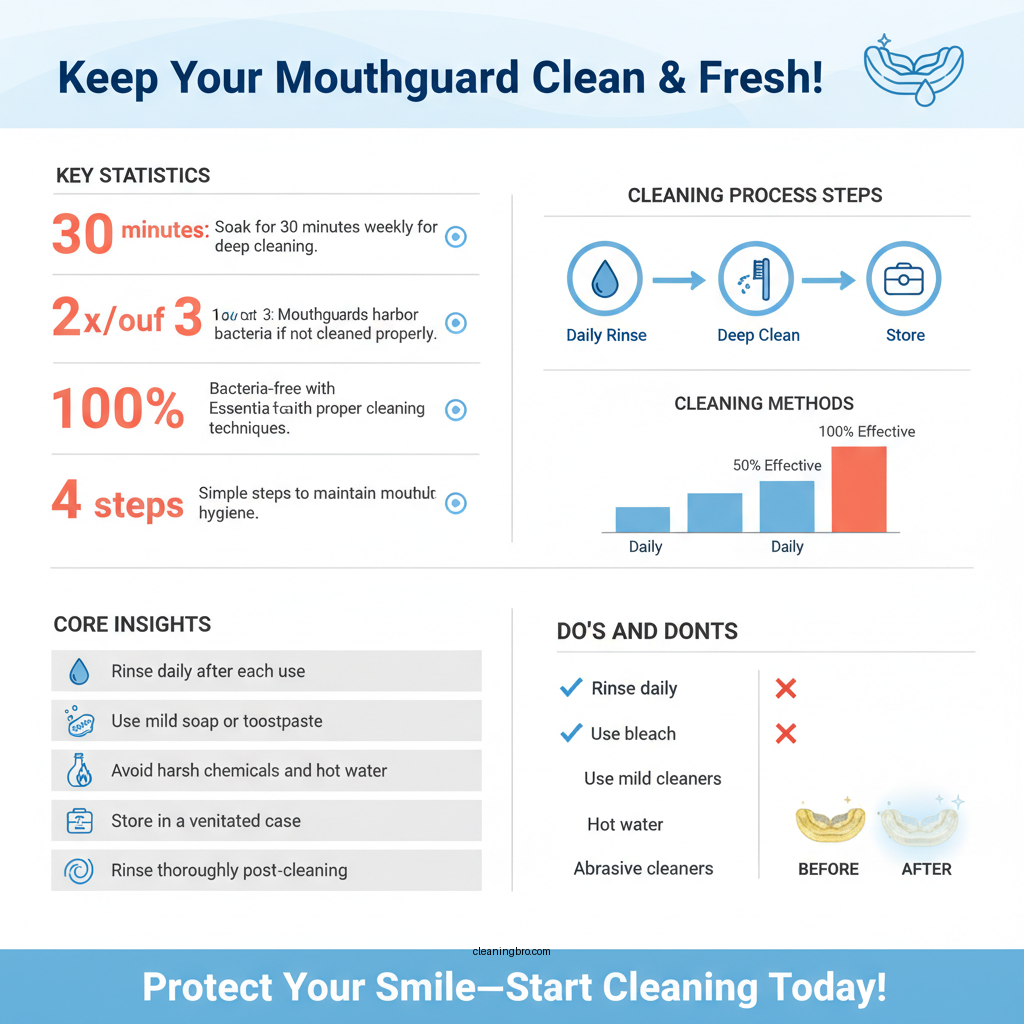
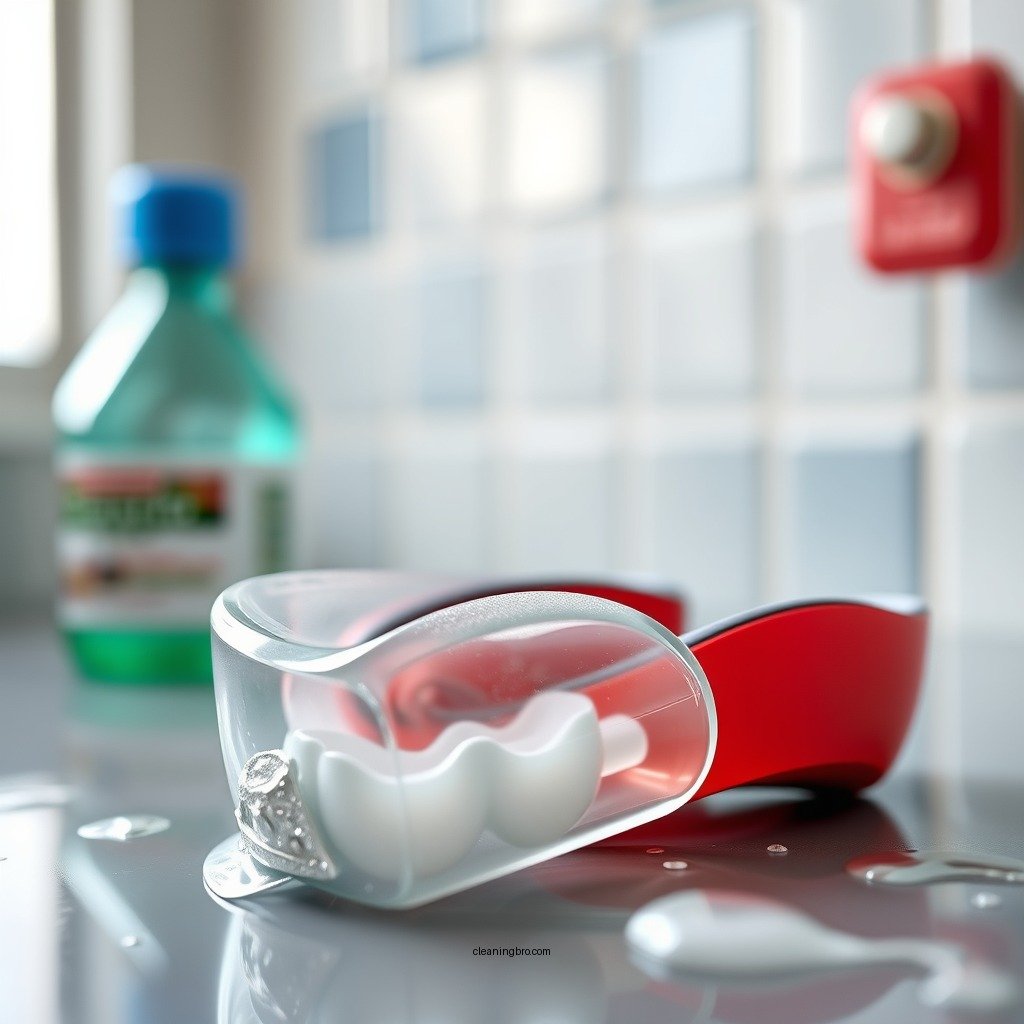
In addition to daily rinsing, deep cleaning your mouthguard is vital for ensuring it remains hygienic. A recommended method for deep cleaning is to soak your mouthguard in a solution of equal parts water and white vinegar or hydrogen peroxide for about 30 minutes once a week. These natural disinfectants effectively kill bacteria and neutralize odors without damaging the mouthguard material.
Avoid using harsh chemicals, bleach, or hot water, as these can deteriorate the mouthguard’s material, reducing its effectiveness and lifespan. Instead, opt for gentle cleaning solutions that will help maintain the integrity of your mouthguard while ensuring it remains free from harmful bacteria.
After soaking, rinse the mouthguard thoroughly under warm water to remove any residues from the cleaning solution. This step is crucial, as any lingering cleaning agent could irritate your gums or mouth upon use.
Proper Storage Practices
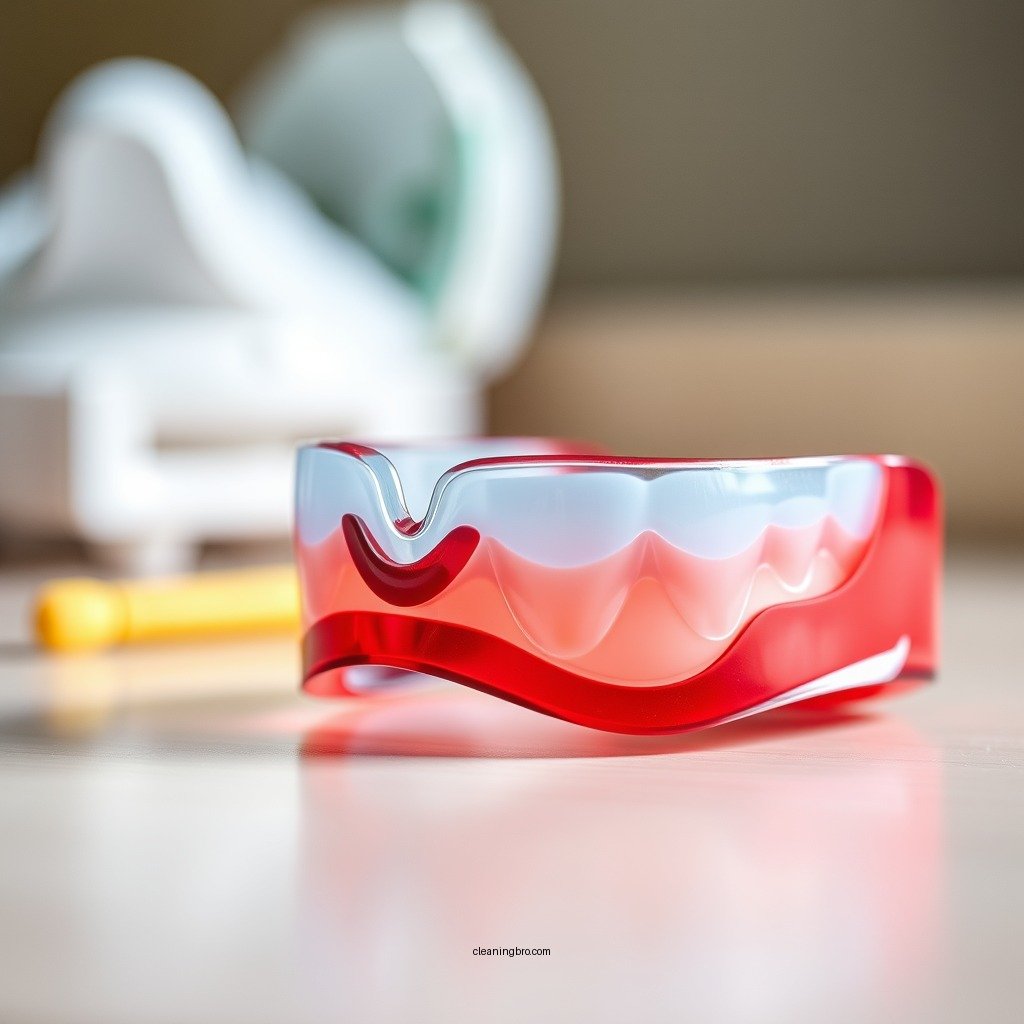
Proper storage of your mouthguard is equally important in maintaining its cleanliness and effectiveness. Always store your mouthguard in a well-ventilated case. This prevents moisture build-up, which can lead to bacterial growth. Ensure that the case is made of materials that allow air circulation, and avoid sealing the mouthguard in airtight containers.
It is also essential to clean the storage case regularly. Wash it with soap and water at least once a week to remove any bacteria that may accumulate inside. Allow the case to dry completely before placing the mouthguard back inside.
Data on Mouthguard Cleaning Methods
Top 7 Mouthguard Cleaning Methods
| # | Cleaning Method | Frequency | Effectiveness |
|---|---|---|---|
| 1 | Warm Water Rinse | After Each Use | High |
| 2 | Mild Soap Scrub | Daily | Very High |
| 3 | Vinegar Soak | Weekly | High |
| 4 | Hydrogen Peroxide Soak | Weekly | High |
| 5 | Baking Soda Paste | Bi-Weekly | Moderate |
| 6 | Dishwasher Safe Cleaning | Occasional | High |
| 7 | Alcohol-Free Mouthwash | Weekly | Moderate |
Signs Your Mouthguard Needs Replacement
Despite regular cleaning and proper storage, mouthguards do have a lifespan. It’s crucial to be vigilant about wear and tear. Look for signs such as cracks, tears, or any deformation, which indicate that the mouthguard may no longer provide adequate protection. A compromised mouthguard not only fails to protect your teeth but may also cause discomfort or injury to your gums or jaw.
Another indicator that your mouthguard may need replacement is a persistent odor or discoloration, even after thorough cleaning. Such changes can be a sign of bacterial colonization that could negatively affect your oral health.
If you notice any of these signs, it’s advisable to consult with your dentist for recommendations on suitable replacements that meet your specific needs.
Maintaining Oral Hygiene
Good oral hygiene is fundamental when using a mouthguard. Before wearing your mouthguard, ensure you brush and floss your teeth thoroughly to minimize bacteria transfer onto the guard. This practice helps create a cleaner environment and reduces the risk of oral infections.
Regular dental check-ups are essential to monitor your oral health and assess the condition of your mouthguard. Your dentist can provide personalized advice on the best cleaning methods based on the specific material and fit of your mouthguard. They may also recommend professional cleaning options available in their practice.
Tips for Specific Types of Mouthguards
Different types of mouthguards may require specific cleaning methods to maintain their effectiveness and comfort. For instance, boil-and-bite mouthguards are designed to be molded to your teeth, and using abrasive cleaners or harsh chemicals can alter their shape. It is best to follow the manufacturer’s guidelines for cleaning, which typically involve rinsing and gentle scrubbing with mild soap.
Custom-fitted mouthguards, on the other hand, may benefit from professional advice on cleaning from your dentist. The material used in custom guards can vary, and it is crucial to use cleaning methods that will not compromise their integrity.
Boil-and-Bite vs Custom Mouthguards vs Stock Mouthguards
| Feature | ⭐ Custom Mouthguards | Boil-and-Bite | Stock Mouthguards |
|---|---|---|---|
| Fit | Perfect Fit | Moldable | Loose |
| Protection Level | ✅ High | ✅ Moderate | ❌ Low |
| Comfort | Very Comfortable | Comfortable | Uncomfortable |
| Durability | ✅ High | ✅ Moderate | ❌ Low |
| Cleaning Ease | Easy | Moderate | Difficult |
| Price | $100+ | $20-$60 | $10-$20 |
| Customization | Fully Customizable | Limited Customization | No Customization |
| Adjustment Period | None | Short | Long |
| Breathability | Excellent | Good | Poor |
| Overall Maintenance | Low | Moderate | High |
| 🏆 Best For | Serious Athletes | Casual Players | Budget Users |
Maintaining a clean mouthguard is crucial for both hygiene and performance. By following the outlined cleaning methods and storage tips, you can ensure your mouthguard remains effective and safe for use. Remember to regularly assess its condition and consult your dentist for personalized care. Start implementing these practices today for a healthier smile!
Frequently Asked Questions
How do I properly clean my mouthguard after each use?
To properly clean your mouthguard after each use, rinse it under cool water immediately after removal to remove saliva and debris. Use a soft toothbrush and mild soap to gently scrub the surface, then rinse thoroughly. Ensure it is completely dry before storing it in a ventilated case to prevent bacterial growth.
What is the best way to disinfect my mouthguard?
The best way to disinfect your mouthguard is to soak it in a mixture of equal parts water and vinegar for about 30 minutes. Alternatively, you can use a denture cleaning tablet dissolved in water, following the product instructions. Both methods effectively kill bacteria and eliminate odors, ensuring your mouthguard is hygienic.
Why is it important to clean my mouthguard regularly?
Cleaning your mouthguard regularly is important to prevent the buildup of bacteria, mold, and plaque, which can lead to oral infections and unpleasant odors. A clean mouthguard not only promotes better oral health but also enhances your performance by ensuring it fits comfortably and securely during use.
Which cleaning products are safe to use on my mouthguard?
Safe cleaning products for your mouthguard include mild soap, non-alcoholic mouthwash, and denture cleaning tablets. Avoid using harsh chemicals or abrasive materials that could damage the mouthguard’s material. Always choose products that are specifically designed for oral appliances to maintain their integrity.
How often should I replace my mouthguard?
You should replace your mouthguard every 6 months to a year, depending on the frequency of use and signs of wear and tear. If you notice cracks, discoloration, or a change in fit, it’s time for a replacement. Regularly replacing your mouthguard ensures optimal protection for your teeth and jaw during sports or grinding.
References
- https://www.mayoclinic.org/healthy-lifestyle/adult-health/expert-answers/mouthguards/faq-20057822
https://www.mayoclinic.org/healthy-lifestyle/adult-health/expert-answers/mouthguards/faq-20057822 - https://www.ncbi.nlm.nih.gov/pmc/articles/PMC6580906/
https://www.ncbi.nlm.nih.gov/pmc/articles/PMC6580906/ - https://www.ncbi.nlm.nih.gov/pmc/articles/PMC6470397/
https://www.ncbi.nlm.nih.gov/pmc/articles/PMC6470397/ - Oral health
https://www.who.int/news-room/fact-sheets/detail/oral-health - https://www.cdc.gov/oralhealth/publications/index.html
https://www.cdc.gov/oralhealth/publications/index.html - https://www.ncbi.nlm.nih.gov/pmc/articles/PMC6655503/
https://www.ncbi.nlm.nih.gov/pmc/articles/PMC6655503/ - https://www.britannica.com/science/mouthguard
https://www.britannica.com/science/mouthguard - Google Scholar Google Scholar
https://scholar.google.com/scholar?q=how+to+clean+mouthguard - Google Scholar Google Scholar
https://scholar.google.com/scholar?q=mouthguard+cleaning+methods - Google Scholar Google Scholar
https://scholar.google.com/scholar?q=oral+hygiene+mouthguard+care