How Do Rabbits Clean Themselves: A Guide to Their Grooming Habits
Rabbits are inherently clean animals that maintain their hygiene through a meticulous grooming process. They spend a considerable portion of their day cleaning their fur, which is essential not only for their physical health but also for their mental well-being. In this article, we will explore the various methods rabbits employ to groom themselves, the significance of these grooming habits, and how pet owners can support their rabbits in maintaining a clean and healthy coat.
The Grooming Process of Rabbits
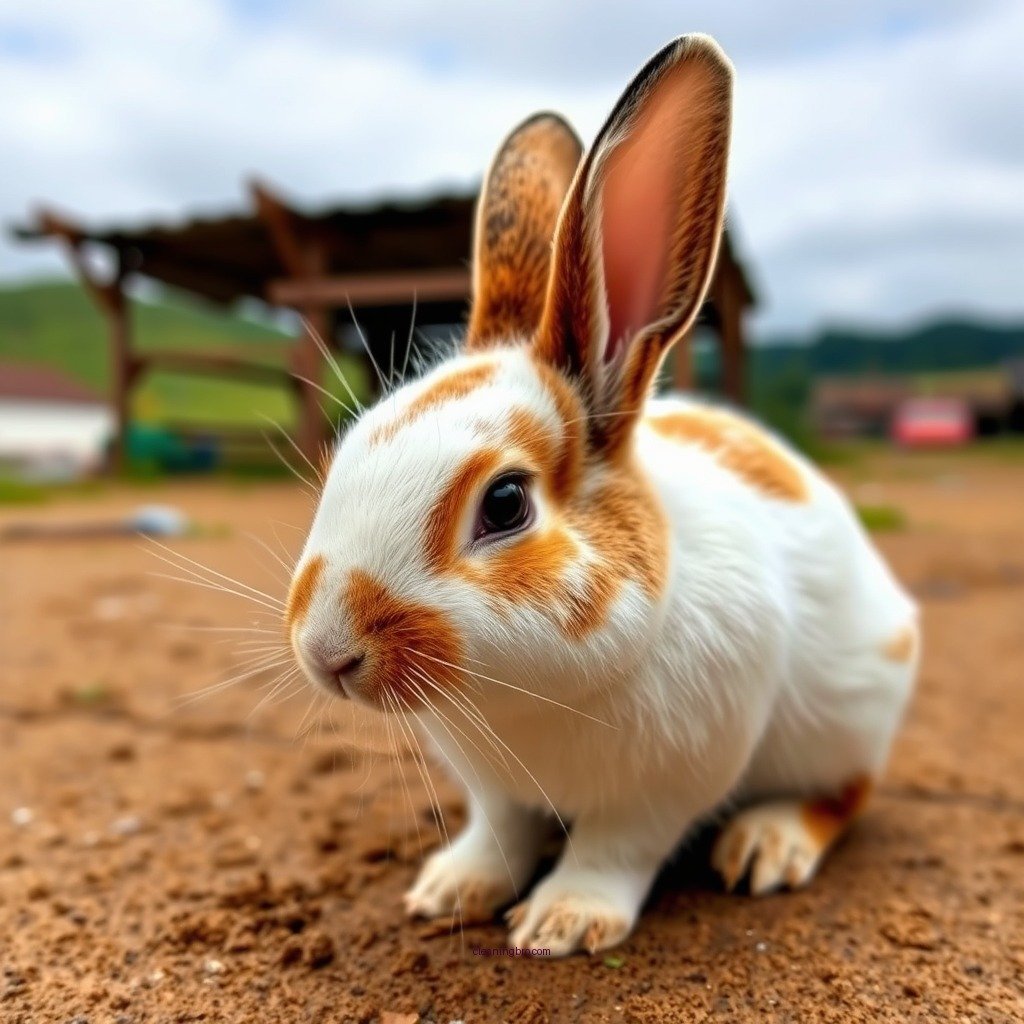
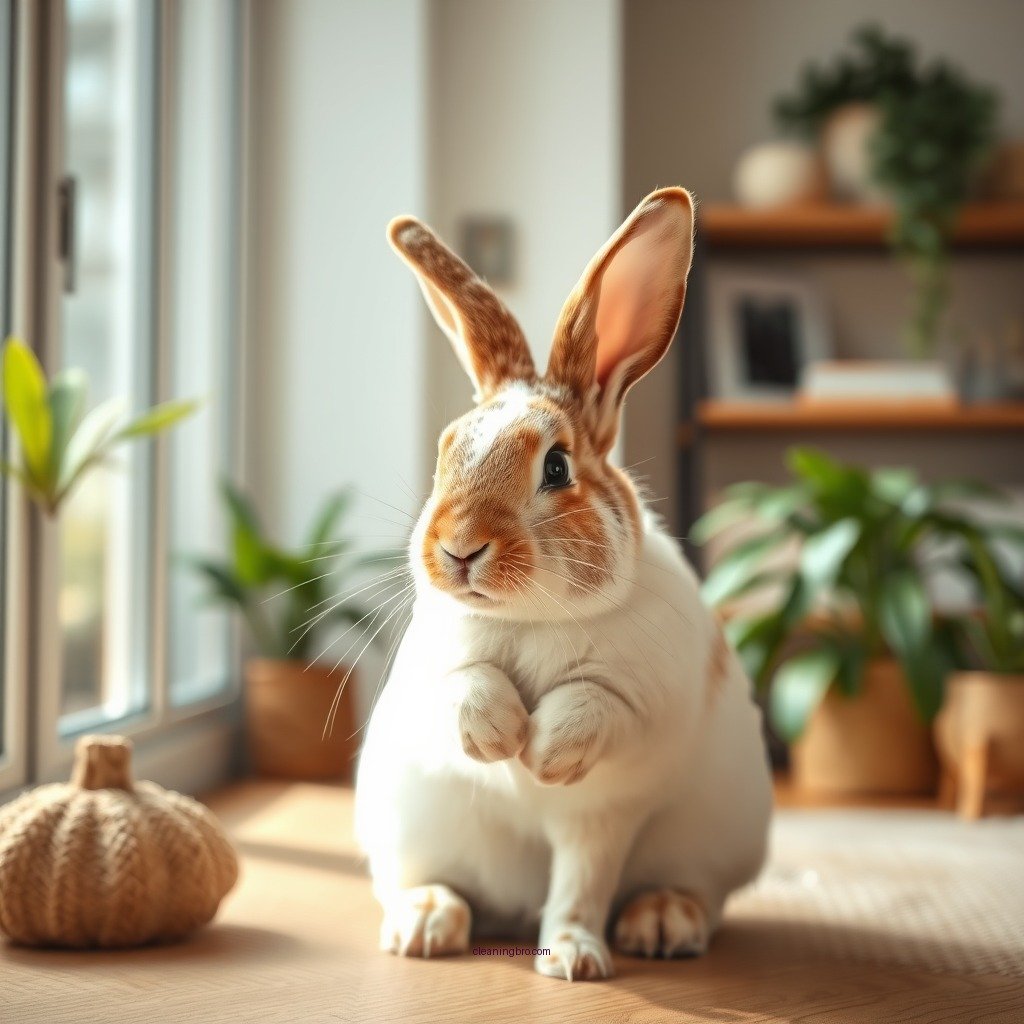
Rabbits have developed a unique and efficient grooming process that involves multiple techniques. First and foremost, they use their front paws to wipe their faces and clean their ears. This action is not merely about aesthetics; it helps them remove debris and keep their sensitive facial areas free from irritants. The paws themselves are quite dexterous, allowing rabbits to navigate around their facial features effectively.
Another critical aspect of a rabbit’s grooming routine is licking. Rabbits have a specialized tongue that is covered in tiny, hook-like structures called papillae. These structures enable them to effectively clean their fur by removing dirt and loose hair while also helping to distribute natural oils throughout their coat. This oil distribution is vital for keeping their fur healthy, shiny, and water-resistant, which is essential for temperature regulation.
Importance of Self-Grooming
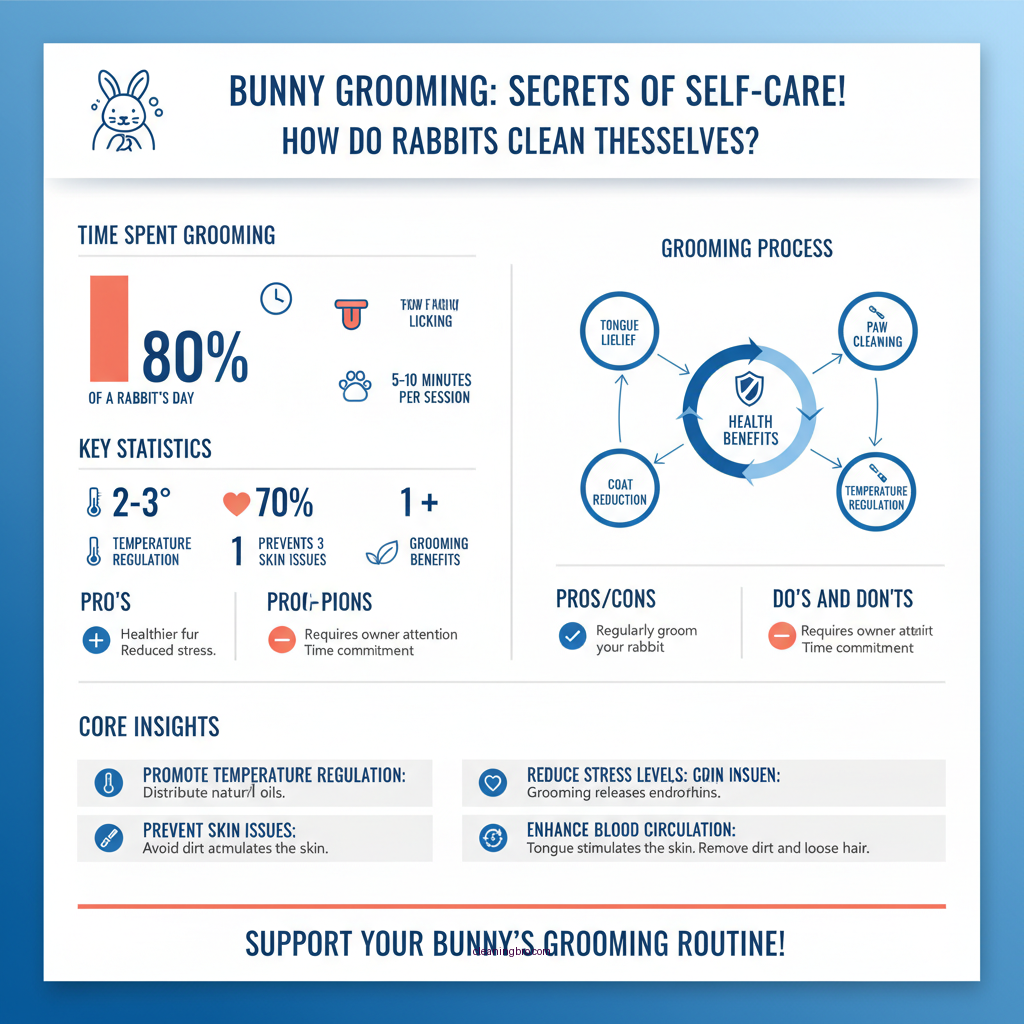
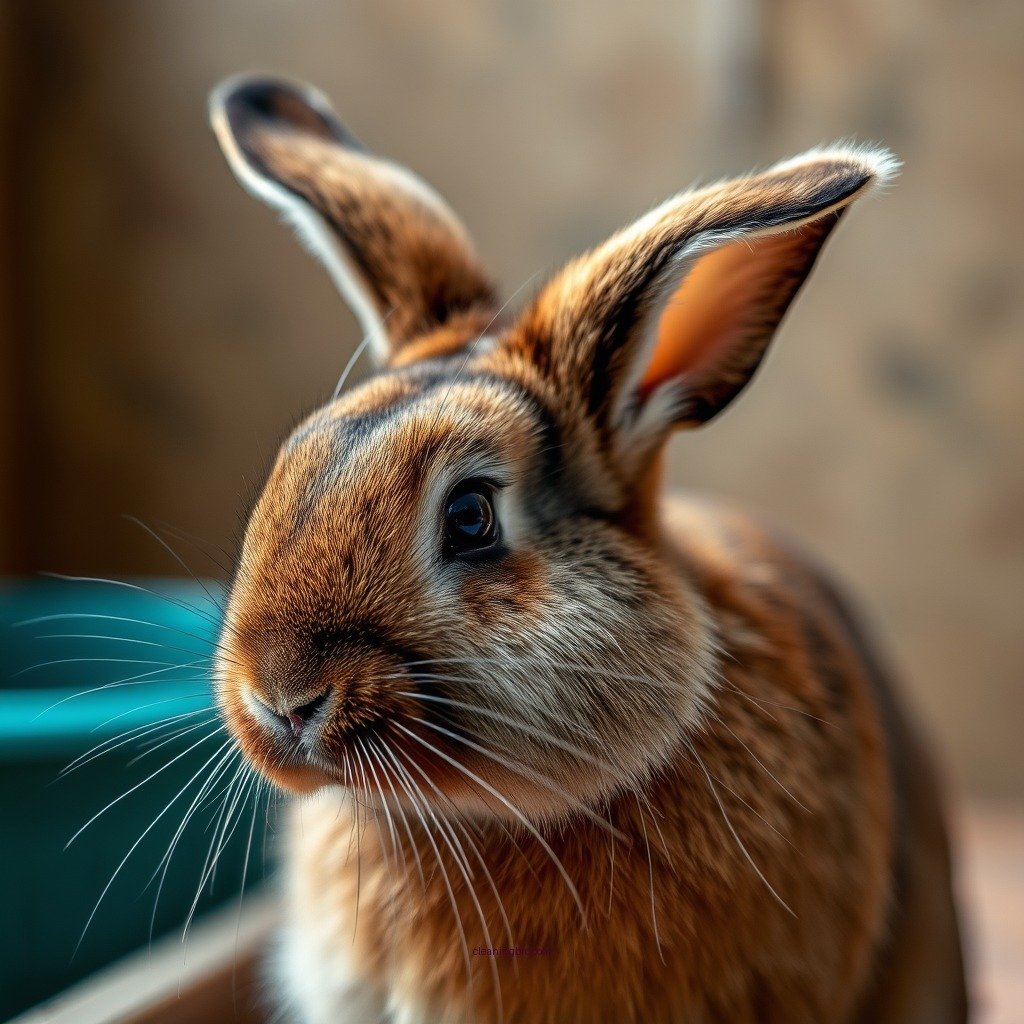
Self-grooming plays a crucial role in a rabbit’s overall health and well-being. One of the primary benefits is temperature regulation. By grooming and distributing their natural oils, rabbits can create a barrier that helps them manage their body temperature, especially in fluctuating environmental conditions. This self-care behavior is particularly vital during hot summer months or cold winters when they need to maintain optimal body temperatures.
Moreover, regular grooming significantly reduces stress in rabbits. When they groom themselves, it releases endorphins, which can help them feel more relaxed and content. Additionally, consistent grooming prevents matting and skin issues, such as dermatitis, which can arise from dirt accumulation or improper care. Overall, a well-groomed rabbit is a happy and healthy rabbit.
How Rabbits Use Their Tongue
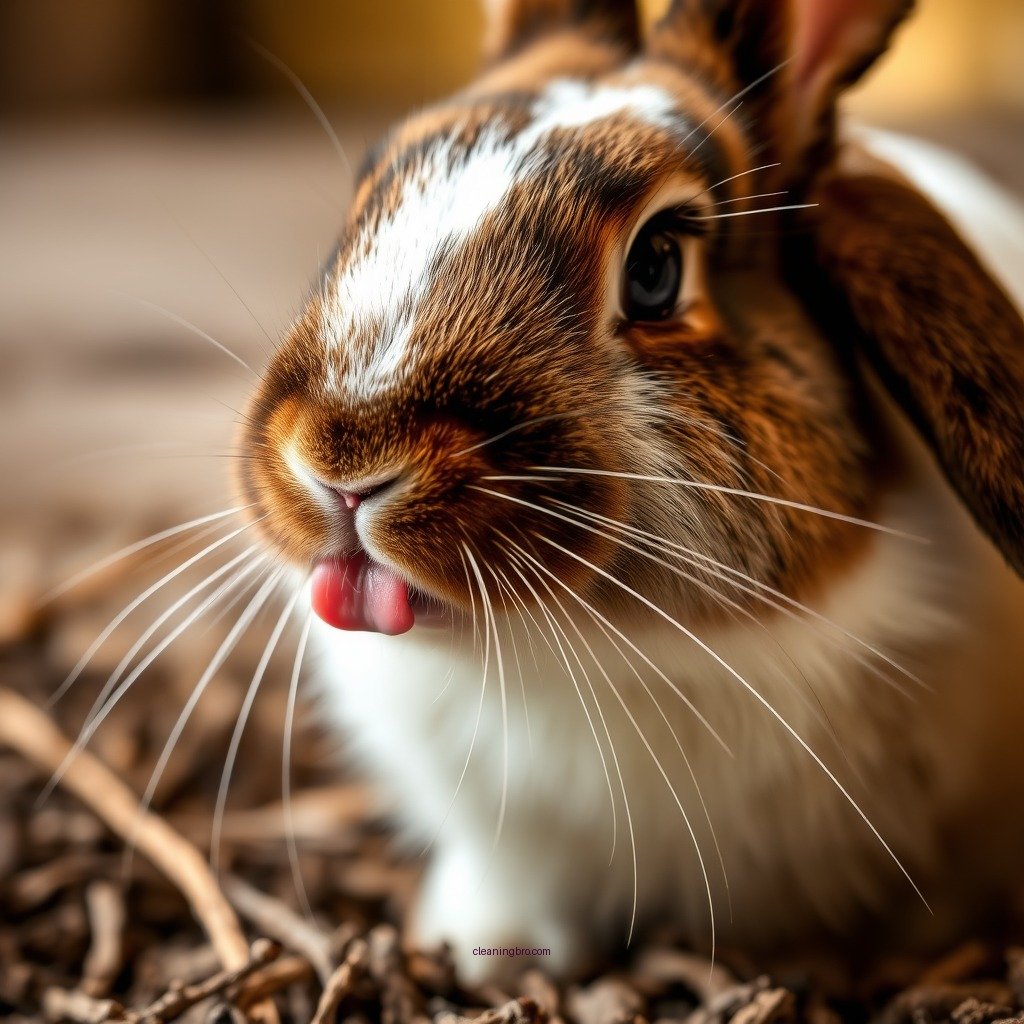
The rabbit’s tongue is a remarkable tool designed specifically for grooming. Its rough texture is ideal for cleaning fur, as it effectively dislodges dirt and debris. When rabbits lick themselves, they not only clean their fur but also stimulate their skin, promoting healthy blood circulation. This action is particularly essential during shedding seasons, as it helps remove loose fur and minimizes the risk of hairballs.
During these periods, rabbits may experience more intense grooming sessions, often leading to a significant amount of fur being ingested. This is why it’s important for pet owners to be vigilant about their rabbit’s shedding and provide support through regular brushing to reduce the amount of fur ingested.
Signs of Poor Grooming
Observing your rabbit’s grooming habits can provide significant insights into their health. Signs of poor grooming include excessive shedding, matted fur, or visible skin irritations. If you notice that your rabbit has not been grooming itself, it could indicate underlying health issues, such as dental problems, obesity, or stress-related disorders.
Additionally, a rabbit that is experiencing pain or discomfort may avoid grooming altogether. If you observe any of these signs, it’s crucial to consult a veterinarian to rule out any serious health concerns. Regular monitoring of your rabbit’s grooming habits can help you catch potential health issues early, ensuring your pet remains in good shape.
How to Assist in Your Rabbit’s Grooming
As a responsible pet owner, you can play an active role in assisting your rabbit with grooming. One of the most effective ways to help is through regular brushing. Brushing your rabbit not only helps manage shedding but also reduces the occurrence of hairballs, which can be detrimental to their health. Different breeds of rabbits may require different brushing frequencies, so understanding your rabbit’s specific needs is essential.
Providing a clean environment is also vital for your rabbit’s grooming routine. Ensure their living space is free from dirt and debris, and consider providing a safe area for them to explore. Regular cleaning of their habitat will help minimize the risk of dirt accumulating in their fur and affecting their grooming habits.
Rabbit Grooming Tools and Products
To effectively assist your rabbit in grooming, using the right tools is essential. A soft-bristle brush designed specifically for rabbits is highly recommended, as it is gentle on their sensitive skin and prevents any potential injury. Regular brushing not only helps to remove loose fur but also promotes bonding between you and your pet.
Additionally, consider using grooming wipes or sprays that are safe for rabbits to help with cleaning. These products can be beneficial for spot-cleaning areas that may require extra attention, such as the paws or around the eyes. Always ensure that any products used are free from harmful chemicals and safe for your pet.
Top 7 Breeds of Rabbits by Grooming Needs (2023)
| # | Breed | Grooming Frequency | Shedding | Coat Type |
|---|---|---|---|---|
| 1 | Angora | Every 2-3 days | High | Long |
| 2 | Holland Lop | Weekly | Medium | Medium |
| 3 | Netherland Dwarf | Every 2 weeks | Low | Short |
| 4 | Mini Rex | Every 1-2 weeks | Medium | Short |
| 5 | Dutch | Every 2 weeks | Medium | Short |
| 6 | English Angora | Every 2-3 days | High | Long |
| 7 | Lionhead | Weekly | Medium | Medium |
Rabbit Grooming Tools: Brush vs. Wipes vs. Sprays
| Feature | ⭐ Brush | Grooming Wipes | Sprays |
|---|---|---|---|
| Effectiveness | ✅ High | ✅ Medium | ✅ Low |
| Ease of Use | Moderate | Easy | Easy |
| Skin Sensitivity | Safe | Safe | Check ingredients |
| Cost | Low | Moderate | High |
| Cleaning Capability | High | Medium | Low |
| Bonding Experience | High | Medium | Low |
| Frequency of Use | Regular | Occasional | Sporadic |
| Overall Effectiveness | ✅ Best Choice | ✅ Good | ❌ Not Recommended |
| 🏆 Best For | Regular grooming | Quick cleaning | Occasional use |
In summary, rabbits are efficient self-groomers, utilizing their paws and tongues to keep clean. However, as a responsible pet owner, you can support their grooming routine through regular brushing and by monitoring their health. If you notice any signs of poor grooming, consult a veterinarian to ensure your furry friend remains healthy and happy. Regular attention to your rabbit’s grooming needs not only enhances their well-being but also strengthens the bond between you and your pet.
Frequently Asked Questions
How do rabbits clean themselves effectively?
Rabbits are known for their grooming habits, using their front paws and tongues to clean their fur. They meticulously lick their coats to remove dirt and loose hair, promoting a healthy and shiny appearance. This self-cleaning behavior is essential for maintaining their hygiene, as it helps prevent matting and skin issues.
Why do rabbits groom themselves so often?
Rabbits groom themselves frequently to maintain their cleanliness and comfort. Regular grooming helps them regulate their body temperature, remove parasites, and distribute natural oils throughout their fur. Additionally, grooming is a natural instinct that provides them with a sense of security and relaxation.
What can I do to help my rabbit with grooming?
To assist your rabbit in grooming, regular brushing is essential, especially for long-haired breeds. Providing a safe space with minimal stress during grooming sessions will encourage your rabbit to relax. Additionally, ensure they have access to chew toys and safe items to help keep their teeth and fur in good condition.
Which grooming tools are best for rabbits?
The best grooming tools for rabbits include a soft-bristle brush and a comb designed for small animals. A slicker brush can also be beneficial for removing loose fur and preventing mats. It’s important to choose tools that are gentle to avoid injuring your rabbit’s sensitive skin.
How can I tell if my rabbit is having grooming issues?
Signs that your rabbit may be experiencing grooming issues include matted fur, a dirty coat, or unkempt areas on their body. Additionally, if you notice excessive shedding or skin irritations, it could indicate that your rabbit is unable to groom properly. Regularly checking your rabbit’s coat will help you identify any potential grooming problems early on.
References
- Rabbit
https://en.wikipedia.org/wiki/Rabbit - https://www.ncbi.nlm.nih.gov/pmc/articles/PMC6262515/
https://www.ncbi.nlm.nih.gov/pmc/articles/PMC6262515/ - https://www.ncbi.nlm.nih.gov/pmc/articles/PMC5059991/
https://www.ncbi.nlm.nih.gov/pmc/articles/PMC5059991/ - https://www.sciencedirect.com/science/article/pii/S0197245617310836
https://www.sciencedirect.com/science/article/pii/S0197245617310836 - Rabbit | Description, Species, & Facts | Britannica
https://www.britannica.com/animal/rabbit - https://www.mayoclinic.org/healthy-lifestyle/pet-care/in-depth/rabbit-care/art-20046582
https://www.mayoclinic.org/healthy-lifestyle/pet-care/in-depth/rabbit-care/art-20046582 - Pet Rabbits in the UK – RSPCA – rspca.org.uk
https://www.rspca.org.uk/adviceandwelfare/pets/rabbits - https://www.theguardian.com/environment/2020/mar/11/how-rabbits-keep-their-coat-clean
https://www.theguardian.com/environment/2020/mar/11/how-rabbits-keep-their-coat-clean - Google Scholar Google Scholar
https://scholar.google.com/scholar?q=how+do+rabbits+clean+themselves - Google Scholar Google Scholar
https://scholar.google.com/scholar?q=rabbit+grooming+behavior