How Long Does It Take to Clean Teeth Effectively?
Cleaning your teeth typically takes about two minutes when done properly. This timeframe is crucial because it ensures that all surfaces of your teeth are adequately cleaned, helping to prevent cavities and gum disease. In this article, you’ll learn why this timeframe is essential, the techniques to maximize your cleaning, and how often you should maintain your oral hygiene routine.
The Importance of Time in Teeth Cleaning
Two minutes is the recommended duration for effective brushing, as endorsed by dental professionals worldwide. This duration allows you to thoroughly clean all areas of your mouth, including hard-to-reach spots that plaque and bacteria often inhabit. Research indicates that most people do not brush for the recommended time, leading to insufficient cleaning and potential oral health issues.
Brushing for longer than two minutes may sound beneficial; however, it can actually wear down tooth enamel and irritate the gums, increasing the risk of sensitivity and other dental problems. Conversely, brushing for less than the recommended two minutes often results in missed plaque buildup, which can lead to cavities and gum disease over time. Understanding the importance of this two-minute rule is vital for maintaining a healthy smile.
Recommended Brushing Techniques
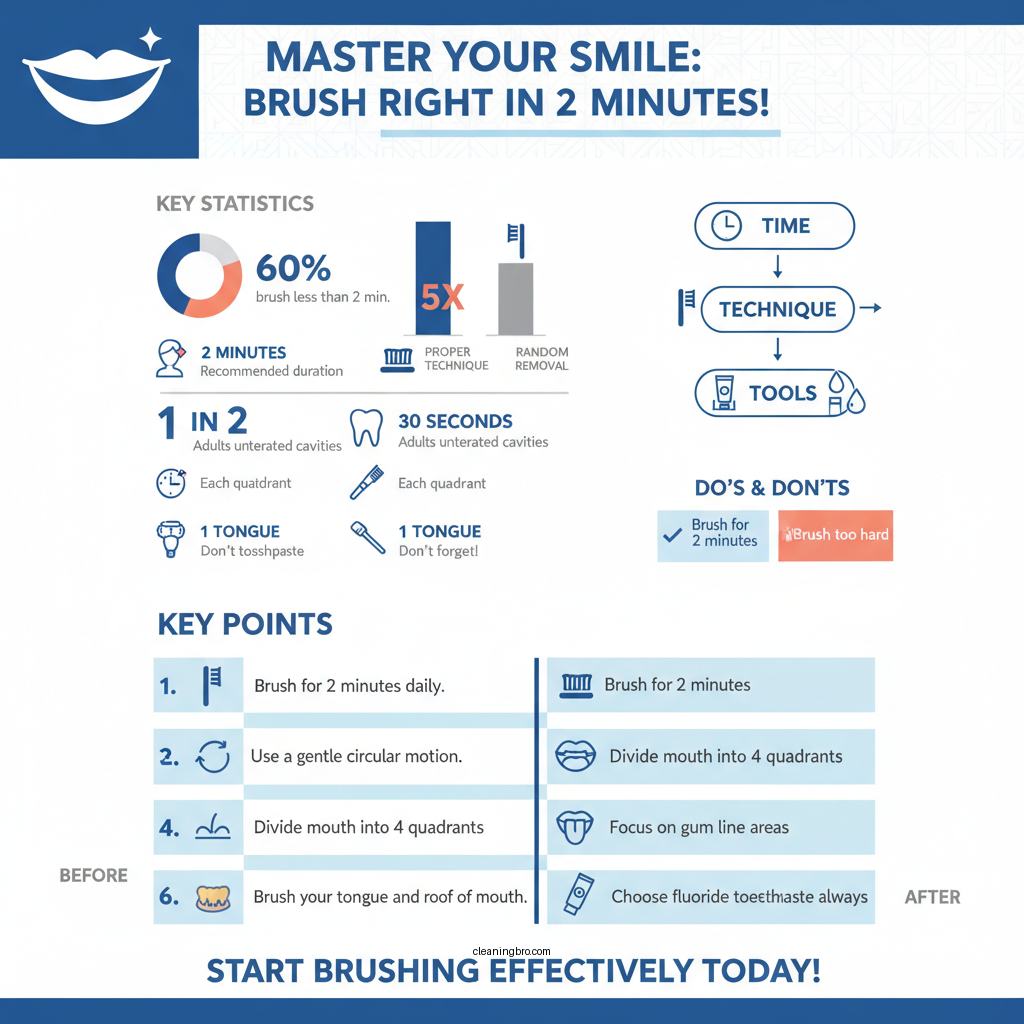
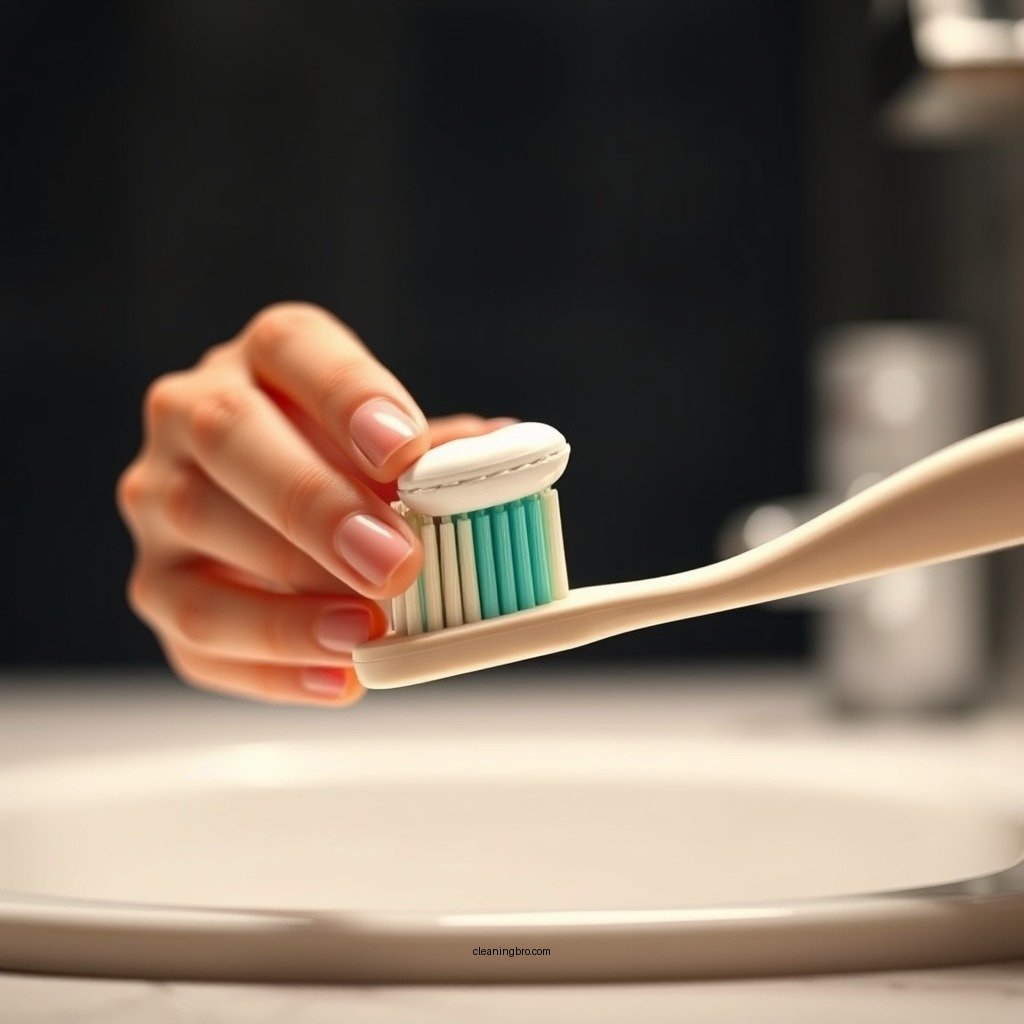
Effective tooth cleaning goes beyond just the length of time spent brushing; the technique employed is equally important. Here are some recommended brushing techniques to enhance your oral hygiene:
– Gentle Circular Motion: Use a soft-bristled toothbrush to clean all surfaces of each tooth in a gentle circular motion. This method is effective for removing plaque without damaging the gums or enamel.
– Divide Your Mouth into Quadrants: Split your mouth into four sections (upper right, upper left, lower right, lower left) and spend 30 seconds on each quadrant. This structured approach ensures that no area is neglected.
– Focus on the Gum Line: Pay special attention to the area where your teeth meet your gums, as plaque tends to accumulate here. A gentle angle of the toothbrush toward the gum line can help dislodge any debris and bacteria.
– Don’t Forget the Tongue: Bacteria can also harbor on your tongue, leading to bad breath and other oral issues. Make it a habit to brush your tongue and the roof of your mouth gently after cleaning your teeth.
Incorporating these techniques into your daily routine will maximize the effectiveness of your brushing sessions and contribute to better overall oral health.
The Role of Toothpaste and Tools
Selecting the right toothpaste and tools is essential for effective teeth cleaning. Here are some guidelines to help you make informed choices:
– Fluoride Toothpaste: Always opt for fluoride toothpaste as it strengthens tooth enamel and helps to prevent cavities. Many brands offer various flavors and formulations, so choose one that you enjoy using.
– Soft-Bristled Toothbrush: A toothbrush with soft bristles is recommended by dental professionals to avoid damaging gum tissue and enamel. Replace your toothbrush every three to four months or sooner if the bristles become frayed.
– Electric Toothbrushes: Consider investing in an electric toothbrush, which can be more effective at removing plaque due to their built-in timers and oscillating movements. Some studies suggest that electric toothbrushes can reduce cleaning time while providing superior plaque removal compared to manual brushing.
The right toothpaste and tools significantly contribute to the quality of your oral hygiene routine, making it easier to achieve effective cleaning within the recommended two minutes.
Top 7 Toothpaste Brands for Effective Cleaning (2024)
| # | Brand | Fluoride | Whitening | Sensitive Formula |
|---|---|---|---|---|
| 1 | Colgate Total | ✅ | ✅ | ✅ |
| 2 | Crest Pro-Health | ✅ | ✅ | ✅ |
| 3 | Sensodyne | ✅ | ❌ | ✅ |
| 4 | Arm & Hammer | ✅ | ✅ | ❌ |
| 5 | Tom’s of Maine | ✅ | ❌ | ✅ |
| 6 | Listerine Total Care | ✅ | ✅ | ❌ |
| 7 | Colgate Optic White | ✅ | ✅ | ❌ |
Flossing: An Essential Complement
Flossing should take about 1-2 minutes to ensure all food particles and plaque between teeth are removed. It is a crucial complement to brushing, as toothbrushes often miss the tight spaces between teeth. The American Dental Association recommends daily flossing to maintain optimal gum health and to prevent periodontal disease.
To floss effectively, use about 18 inches of floss, wrapping the ends around your middle fingers for better control. Gently slide the floss between your teeth, making a C-shape around each tooth to remove plaque and debris. Flossing not only cleans between teeth but also stimulates the gums, leading to improved gum health.
Incorporating flossing into your daily routine, ideally after brushing your teeth at night, will maximize your oral hygiene efforts and contribute to a healthier mouth.
Frequency of Teeth Cleaning
To maintain optimal oral health, it is recommended to brush your teeth at least twice a day—once in the morning and once before bedtime. This routine helps combat plaque buildup and reduces the risk of cavities. Some people may also benefit from an additional brushing session after lunch, particularly if they consume sugary or acidic foods.
In addition to daily brushing and flossing, regular dental check-ups every six months are essential for professional cleaning and monitoring oral health. During these visits, dental professionals can provide a thorough cleaning, assess your brushing and flossing techniques, and identify any potential issues before they escalate.
Adhering to this frequency not only keeps your teeth clean but also ensures that your overall oral health remains in check.
Additional Oral Hygiene Practices
Beyond brushing and flossing, incorporating additional oral hygiene practices can further enhance your dental health:
– Mouthwash: Consider using an antibacterial mouthwash for extra protection against germs and freshening breath. Look for mouthwashes that contain fluoride for added cavity protection.
– Chewing Sugar-Free Gum: Chewing sugar-free gum after meals can help stimulate saliva production, which neutralizes acids produced by bacteria in the mouth. This practice can reduce plaque buildup and freshen your breath.
– Regular Tongue Cleaning: In addition to brushing, using a tongue scraper or brushing your tongue daily can help remove bacteria and food particles that contribute to bad breath.
By integrating these practices into your routine, you can significantly improve your oral hygiene and maintain a healthier mouth.
The Impact of Diet on Oral Health
Diet plays a critical role in oral health. Foods and beverages high in sugar can contribute to plaque formation and tooth decay. Sugary snacks, candies, and soft drinks increase the risk of cavities if consumed frequently and without proper oral care.
To promote better oral health, consider limiting sugary snacks and beverages. Instead, incorporate crunchy fruits and vegetables, such as apples and carrots, into your diet. These foods can help naturally clean your teeth as you eat, providing an additional layer of protection against plaque.
Moreover, drinking plenty of water, especially fluoridated water, aids in rinsing away food particles and bacteria, further supporting your oral hygiene efforts.
Maintaining a balanced diet rich in fruits, vegetables, whole grains, lean proteins, and dairy products can have a positive impact on your oral health, contributing to a brighter, healthier smile.
Manual Toothbrush vs. Electric Toothbrush vs. Interdental Brushes
| Feature | ⭐ Electric Toothbrush | Manual Toothbrush | Interdental Brushes |
|---|---|---|---|
| Cleaning Efficiency | ✅ High | ✅ Moderate | ✅ Very High |
| Ease of Use | ✅ Simple | Requires Technique | ✅ Easy |
| Timer Function | ✅ Built-in | ❌ Not Available | ❌ Not Available |
| Price | $30 – $200 | $2 – $10 | $5 – $15 |
| Battery Life | Up to 2 weeks | N/A | N/A |
| Replacement Frequency | Every 3-6 months | Every 3-4 months | Every 1-3 months |
| Travel-Friendly | ✅ Compact | ✅ Lightweight | ✅ Easy to Carry |
| Best For | Overall Oral Hygiene | Budget-Friendly | Interdental Cleaning |
By understanding the importance of time, techniques, tools, and additional practices for teeth cleaning, you can greatly enhance your oral hygiene routine. Remember that consistency is key; regular brushing, flossing, and dietary choices will all contribute to a healthier mouth. Make it a habit to set a timer for your next brushing session to ensure you are dedicating the right amount of time to your oral care.
In summary, effective teeth cleaning requires just two minutes of your day, alongside daily flossing and mindful dietary practices. By adhering to these guidelines and visiting your dentist regularly, you can maintain a bright and healthy smile for years to come.
Frequently Asked Questions
How long does it typically take to clean teeth at a dentist appointment?
A professional teeth cleaning at a dentist usually takes around 30 to 60 minutes. The duration depends on various factors, such as the amount of plaque buildup and whether additional treatments, like polishing or fluoride application, are needed to ensure optimal oral health.
How often should I have my teeth professionally cleaned?
It is generally recommended to have your teeth professionally cleaned every six months. However, individuals with specific dental issues or higher risk of gum disease may need to schedule cleanings more frequently, possibly every three to four months, to maintain good oral hygiene.
What can I do to speed up the teeth cleaning process at home?
To expedite your at-home teeth cleaning routine, ensure you brush twice a day for at least two minutes each time and floss daily. Using an electric toothbrush can enhance plaque removal efficiency, while rinsing with an antibacterial mouthwash can help reduce bacteria and maintain fresh breath.
Why does it take longer to clean teeth for some patients?
The time required for teeth cleaning can vary based on individual dental health, such as the presence of gum disease, plaque buildup, or the need for additional treatments. Patients with extensive tartar or those who have not had regular cleanings may require more time for thorough cleaning and assessment.
Which tools are best for effective at-home teeth cleaning?
Essential tools for effective at-home teeth cleaning include a high-quality toothbrush, fluoride toothpaste, dental floss, and an interdental brush or water flosser. Incorporating these tools into your daily routine can significantly improve your oral hygiene and help reduce plaque buildup between dental visits.
References
- https://www.mayoclinic.org/healthy-lifestyle/adult-health/in-depth/oral-hygiene/art-20045805
https://www.mayoclinic.org/healthy-lifestyle/adult-health/in-depth/oral-hygiene/art-20045805 - https://www.cdc.gov/oralhealth/publications/factsheets/cleaning-teeth.html
https://www.cdc.gov/oralhealth/publications/factsheets/cleaning-teeth.html - https://www.nidcr.nih.gov/health-info/tooth-brushing
https://www.nidcr.nih.gov/health-info/tooth-brushing - Oral health
https://www.who.int/news-room/fact-sheets/detail/oral-health - https://www.britannica.com/science/tooth
https://www.britannica.com/science/tooth - Google Scholar Google Scholar
https://scholar.google.com/scholar?q=how+long+does+it+take+to+clean+teeth - Google Scholar Google Scholar
https://scholar.google.com/scholar?q=oral+hygiene+teeth+cleaning+duration - Google Scholar Google Scholar
https://scholar.google.com/scholar?q=tooth+cleaning+time+recommendations - https://pubmed.ncbi.nlm.nih.gov/25841165/
https://pubmed.ncbi.nlm.nih.gov/25841165/ - how long does it take to clean teeth – Search results
https://en.wikipedia.org/wiki/Special:Search?search=how+long+does+it+take+to+clean+teeth