How Much PSI is Needed to Effectively Clean Concrete?
Cleaning concrete effectively requires a pressure washer with a PSI (pounds per square inch) rating of at least 3000 PSI for optimal results. This level of pressure is essential for removing tough stains, dirt, and grime from concrete surfaces. In this article, we will explore the ideal PSI for various cleaning tasks, the factors influencing pressure requirements, and tips for safe and effective cleaning.
Understanding PSI and Its Importance
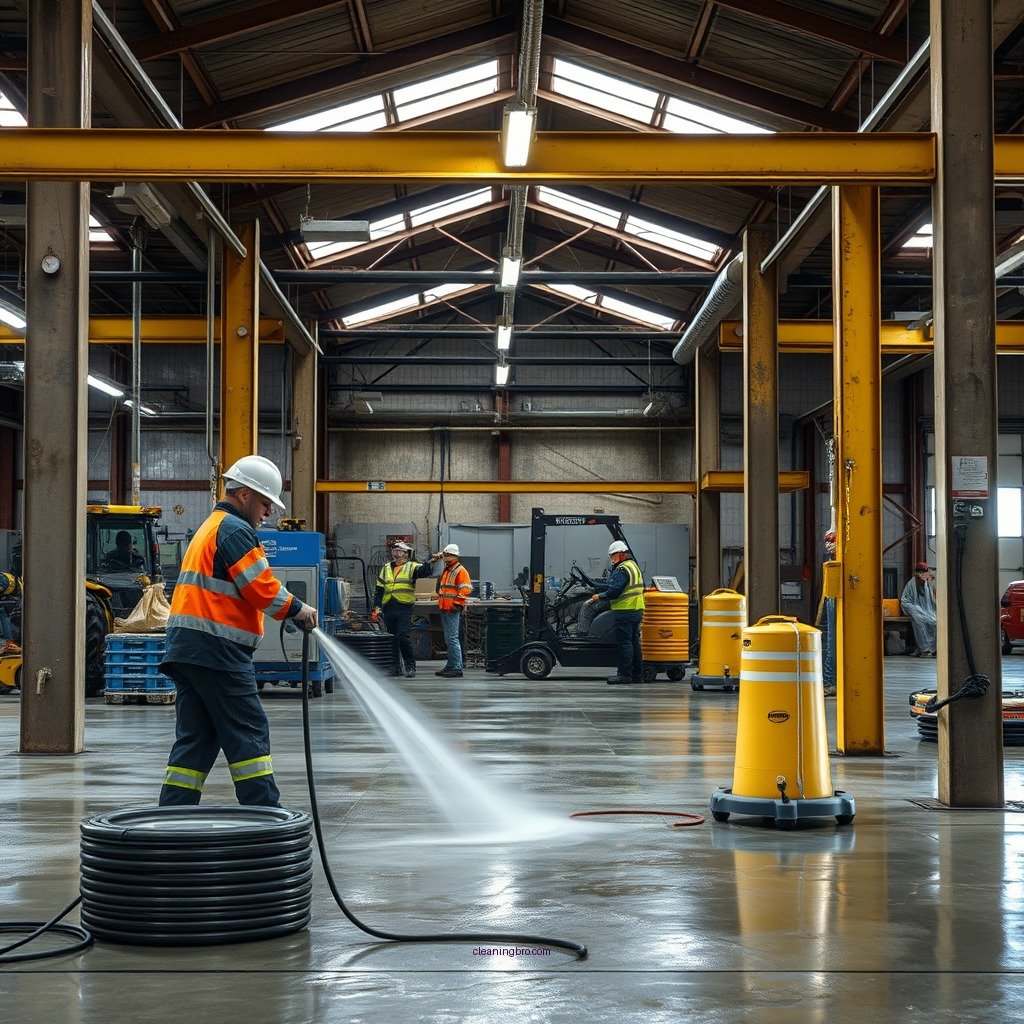
PSI, or pounds per square inch, is a critical measurement that indicates the force at which water is expelled from a pressure washer. It is essential to understand that the higher the PSI, the greater the cleaning power; however, this also comes with potential risks. Higher PSI ratings are effective for removing stubborn stains such as oil, paint, or mildew, but they can also damage softer surfaces or older concrete if used improperly. Thus, selecting the correct PSI for your specific cleaning task is crucial to achieving effective results without causing damage.
A PSI rating of at least 3000 is generally recommended for most concrete cleaning tasks. This level of pressure is sufficient for effectively cleaning driveways, patios, and sidewalks, allowing you to remove accumulated dirt, moss, and algae. It’s essential to balance the need for high pressure with the potential for surface damage, ensuring that your cleaning efforts yield the desired results without compromising the integrity of the concrete.
Ideal PSI for Different Concrete Cleaning Tasks
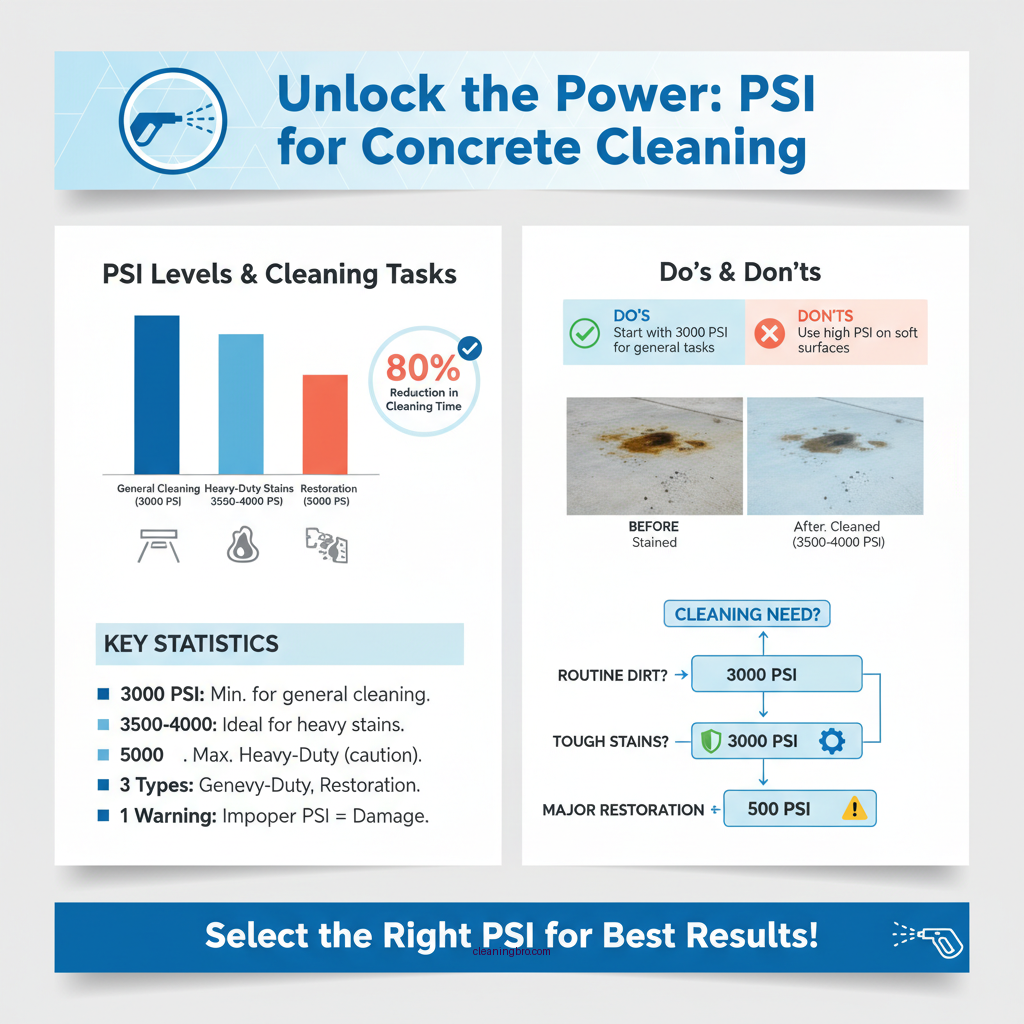
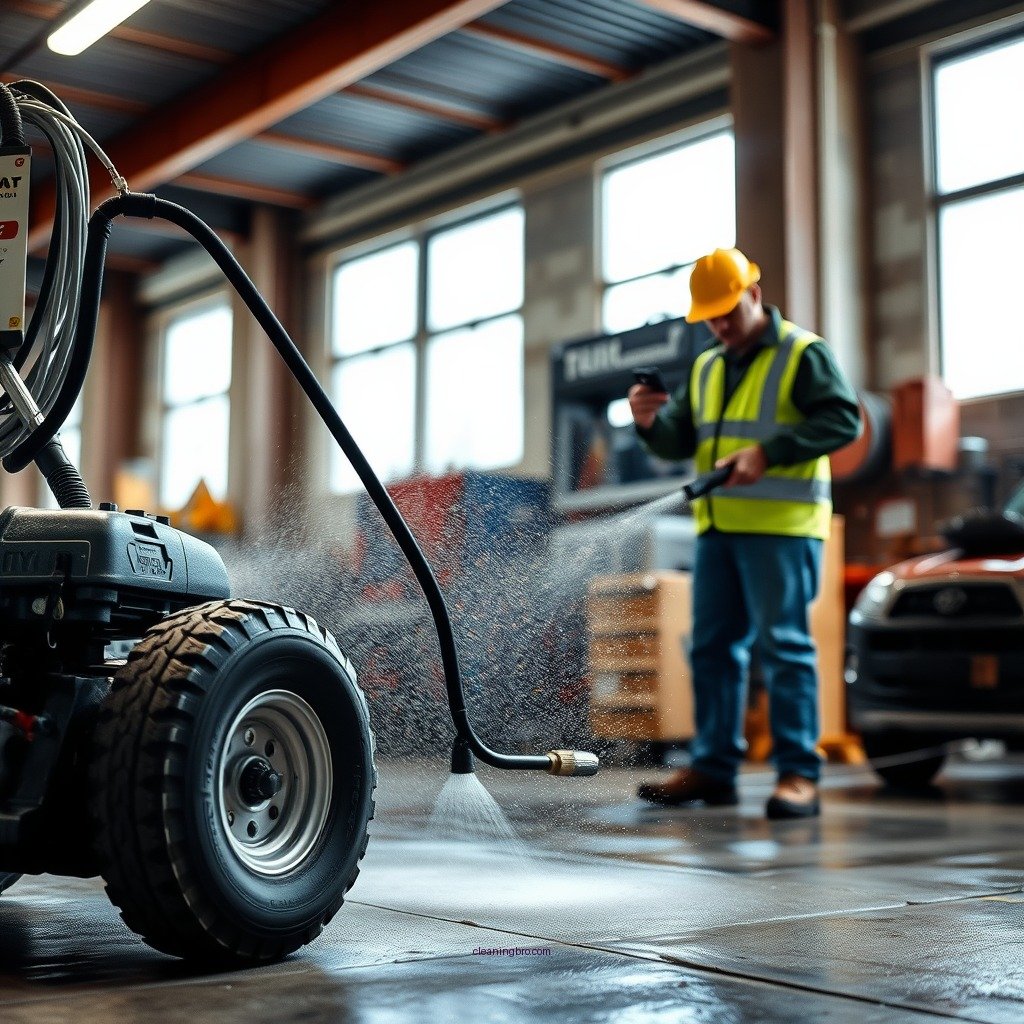
Different cleaning tasks require varying levels of pressure to achieve optimal results. Below are general guidelines for PSI requirements based on the nature of the cleaning task:
– General Cleaning: For routine cleaning of concrete surfaces, a pressure washer with a PSI of 3000 is often sufficient. This level effectively removes dirt, grime, and light stains, making it ideal for patios and walkways.
– Heavy-Duty Cleaning: For more challenging tasks, such as removing oil stains or paint from concrete, you may need a pressure washer capable of delivering between 3500 to 4000 PSI. This higher pressure is crucial for breaking down tough stains and ensuring that the surface is thoroughly clean.
– Restoration Projects: In cases where concrete surfaces have become heavily stained or discolored, using a pressure washer with a PSI of up to 5000 may be necessary. However, caution is advised to prevent damage to the concrete.
Understanding the specific requirements for each cleaning task will help you select the appropriate pressure washer and technique, ultimately leading to successful cleaning outcomes.
Choosing the Right Pressure Washer
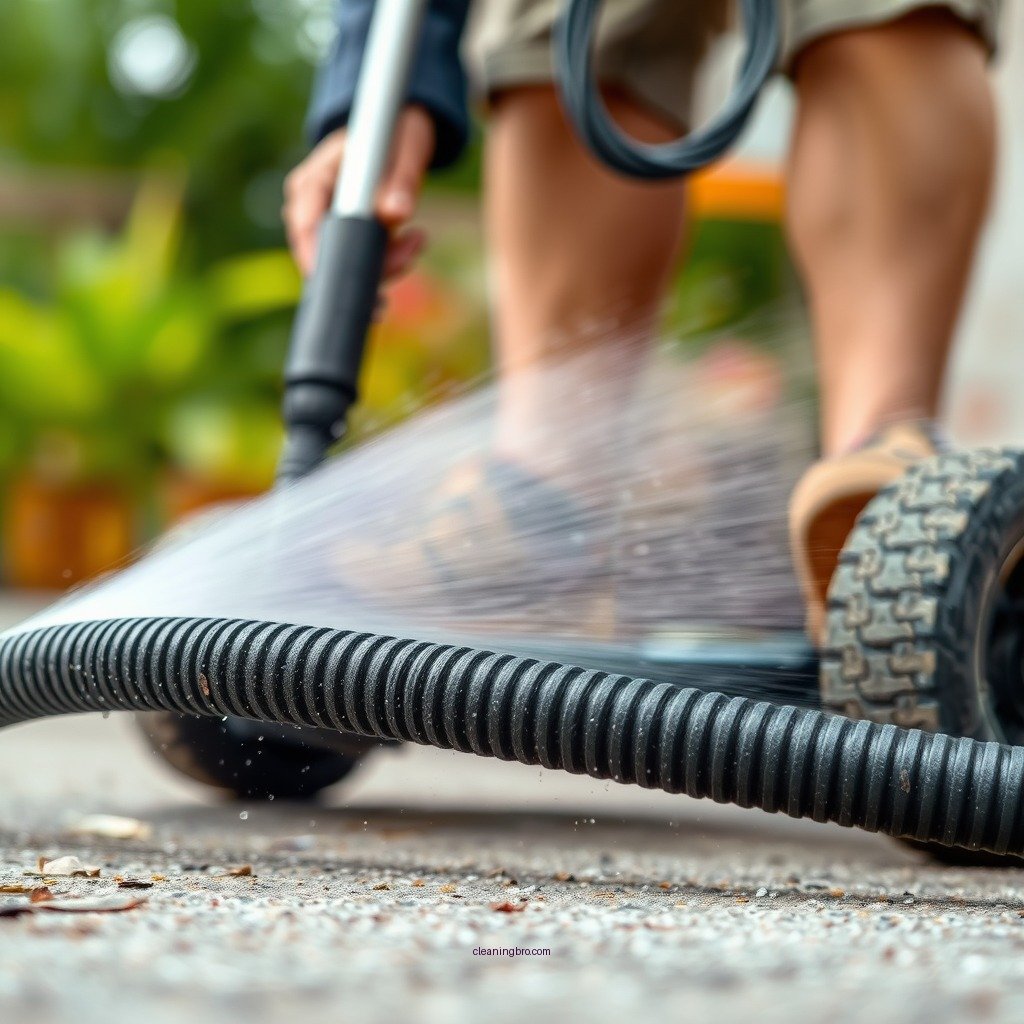
When selecting a pressure washer for concrete cleaning, consider the following factors to ensure you choose the right model for your needs:
– Gas vs. Electric: Gas-powered pressure washers typically offer higher PSI ratings and are better suited for heavy-duty cleaning tasks. They are ideal for larger jobs or areas where electricity is not readily available. Electric models, while less powerful, are often sufficient for light to moderate cleaning tasks and are generally quieter and easier to maintain.
– Job Size and Frequency: Consider the size of the area you need to clean and how often you will use the pressure washer. For occasional use, an electric model may suffice, but for regular or commercial use, investing in a higher-capacity gas-powered unit may be justified.
By evaluating your specific needs, you can choose a pressure washer that not only meets your PSI requirements but also provides the necessary durability and efficiency for your cleaning projects.
Tips for Safe Concrete Cleaning
Safety should always be a top priority when using a pressure washer. Here are essential tips to ensure safe and effective concrete cleaning:
– Personal Protective Equipment (PPE): Always wear appropriate protective gear, including goggles to shield your eyes from debris, gloves to protect your hands, and sturdy footwear to prevent slips and falls.
– Test a Small Area: Before proceeding with full-scale cleaning, test a small, inconspicuous area to gauge the pressure impact on the concrete surface. This practice helps identify any potential damage before applying high pressure to more visible areas.
– Maintain a Safe Distance: Keep the nozzle at a safe distance from the surface—generally between 12 to 24 inches—especially for high PSI tasks. This distance helps prevent damage while still allowing effective cleaning.
By following these safety measures, you can ensure a more secure cleaning experience while achieving the best results.
Additional Factors to Consider
Several additional factors can influence the effectiveness of your concrete cleaning efforts:
– Surface Texture: The texture of the concrete surface can significantly affect your PSI requirements. Rough or porous surfaces may require higher PSI to penetrate and clean effectively, while smoother surfaces may need less pressure.
– Water Temperature: Using hot water can enhance the cleaning efficiency of your pressure washer, especially when combined with high PSI. Hot water helps to loosen stubborn grime and stains, making the cleaning process more effective.
Understanding these factors allows you to tailor your approach, ensuring thorough and effective cleaning while minimizing the risk of damaging the concrete.
Maintaining Your Pressure Washer
Proper maintenance of your pressure washer is crucial for optimal performance and longevity. Regular upkeep can prevent mechanical issues and ensure that your unit operates at its best. Here are some maintenance tips:
– Check Hoses and Nozzles Regularly: Inspect hoses for any signs of wear or leaks and ensure that nozzles are clean and unobstructed. Replacing worn components promptly will help maintain the pressure washer’s efficiency.
– Flush the System After Use: After using your pressure washer, it’s advisable to flush the system with clean water to remove any detergent or debris that may cause clogs or corrosion.
– Follow Manufacturer Guidelines: Adhere to the manufacturer’s recommendations for maintenance schedules, including oil changes, filter replacements, and seasonal storage procedures.
By implementing a regular maintenance routine, you can extend the life of your pressure washer and ensure that it remains a reliable tool for your concrete cleaning tasks.
Ideal PSI Ratings for Common Cleaning Tasks (2024)
| # | Cleaning Task | Recommended PSI | Surface Type | Notes |
|---|---|---|---|---|
| 1 | General Cleaning | 3000 PSI | Smooth Concrete | Best for light stains |
| 2 | Oil Stain Removal | 3500 PSI | Rough Concrete | Use degreaser for best results |
| 3 | Paint Removal | 4000 PSI | Any Concrete | Test surface first |
| 4 | Mold and Mildew | 3500 PSI | Smooth Concrete | Add bleach for effectiveness |
| 5 | Rust Stain Removal | 4000 PSI | Any Concrete | May require multiple passes |
| 6 | Heavy Duty Cleaning | 5000 PSI | Very Rough Concrete | Extreme caution advised |
| 7 | Restoration Projects | 4000-5000 PSI | Old Concrete | Assess surface condition first |
PSI Effectiveness by Cleaning Task (%)
Top 3 Pressure Washers for Concrete Cleaning
| Feature | ⭐ Simpson Cleaning PS4240 | Generac 6596 | Sun Joe SPX3000 |
|---|---|---|---|
| Max PSI | 4200 PSI | 3100 PSI | 2030 PSI |
| Power Source | Gas | Gas | Electric |
| Weight | 120 lbs | 70 lbs | 30 lbs |
| Water Flow Rate | 3.4 GPM | 2.4 GPM | 1.76 GPM |
| Hose Length | 50 ft | 30 ft | 20 ft |
| Warranty | 2 Years | 3 Years | 2 Years |
| Price | $399 | $299 | $159 |
| Ease of Use | ✅ | ✅ | ❌ |
| Best For | Heavy-duty jobs | Versatile use | Light cleaning |
In conclusion, using the right PSI is crucial for effective concrete cleaning. Aim for at least 3000 PSI for general tasks while considering the specific requirements for tougher stains. Ensure you follow safety measures and maintain your pressure washer for best results. Ready to tackle your concrete cleaning project? Get your pressure washer and start transforming those surfaces today!
Frequently Asked Questions
What PSI is recommended for cleaning concrete surfaces?
For cleaning concrete surfaces, a pressure washer with a PSI range of 2,500 to 3,000 is generally recommended. This level of pressure is effective for removing dirt, grime, and stains without damaging the concrete. It’s important to use the right nozzle and technique to achieve the best results.
How do I determine the right PSI for my concrete cleaning project?
To determine the right PSI for your concrete cleaning project, consider the level of dirt and stains present. For light cleaning, a PSI of around 1,500 to 2,000 may suffice, while heavy stains or oil spills typically require 3,000 PSI or more. Always test a small area first to ensure that the pressure won’t damage the surface.
Why is using the correct PSI important when cleaning concrete?
Using the correct PSI is crucial when cleaning concrete because too high a pressure can cause surface damage, such as etching or chipping, while too low a pressure may not effectively remove stubborn stains. Proper pressure ensures a thorough clean while maintaining the integrity of the concrete surface, prolonging its lifespan.
What is the best pressure washer PSI for removing oil stains from concrete?
The best pressure washer PSI for removing oil stains from concrete is typically between 3,000 and 4,000 PSI. This higher pressure helps break down the oil and lift it from the porous concrete surface. Additionally, using a degreaser can enhance the cleaning process when tackling tough oil stains.
Which nozzle should I use with my pressure washer for cleaning concrete?
For cleaning concrete, a 25-degree or 40-degree nozzle is usually the best choice, as these provide a wide spray pattern that helps cover a larger area while still delivering effective cleaning power. If you’re dealing with tough stains, you may want to switch to a 15-degree nozzle for a more focused stream, but be cautious to avoid damaging the concrete.
References
- Pressure washing
https://en.wikipedia.org/wiki/Pressure_washing - https://www.extension.purdue.edu/extmedia/WS/WS-20.pdf
https://www.extension.purdue.edu/extmedia/WS/WS-20.pdf - https://www.fs.fed.us/t-d/pubs/htmlpubs/htm07232812/
https://www.fs.fed.us/t-d/pubs/htmlpubs/htm07232812/ - Progress Toward Safe Nanotechnology in the Workplace | NIOSH | CDC
https://www.cdc.gov/niosh/docs/2007-123/default.html - https://www.nature.com/articles/s41598-019-50353-9
https://www.nature.com/articles/s41598-019-50353-9 - Google Scholar Google Scholar
https://scholar.google.com/scholar?q=how+much+psi+needed+to+clean+concrete - Google Scholar Google Scholar
https://scholar.google.com/scholar?q=pressure+washing+concrete+psi - Google Scholar Google Scholar
https://scholar.google.com/scholar?q=cleaning+concrete+pressure+requirements - https://pubmed.ncbi.nlm.nih.gov/28570828/
https://pubmed.ncbi.nlm.nih.gov/28570828/ - how much psi needed to clean concrete – Search results
https://en.wikipedia.org/wiki/Special:Search?search=how+much+psi+needed+to+clean+concrete