How Often Should I Clean My Retainers for Optimal Care?
Cleaning your retainers daily is essential for maintaining oral hygiene and extending their lifespan. Regular cleaning helps prevent plaque buildup and odors, ensuring your retainers stay fresh and effective. In this article, we’ll explore how often to clean your retainers, the best cleaning methods, and tips for maintaining your oral health.
The Importance of Regular Cleaning

Regular cleaning of your retainers is not merely a matter of aesthetics; it plays a vital role in your overall oral health. Retainers can harbor bacteria, plaque, and food particles, which can lead to various oral health issues such as gum disease, bad breath, and even tooth decay. By keeping your retainers clean, you minimize the risk of these problems, ensuring that your teeth and gums remain healthy.
Additionally, for those who wear clear retainers, regular cleaning helps maintain their clarity and appearance. Over time, untreated retainers can become discolored, making them less visually appealing and potentially affecting your confidence when wearing them. Therefore, establishing a diligent cleaning routine is crucial for both health and cosmetic reasons.
Daily Cleaning Routine
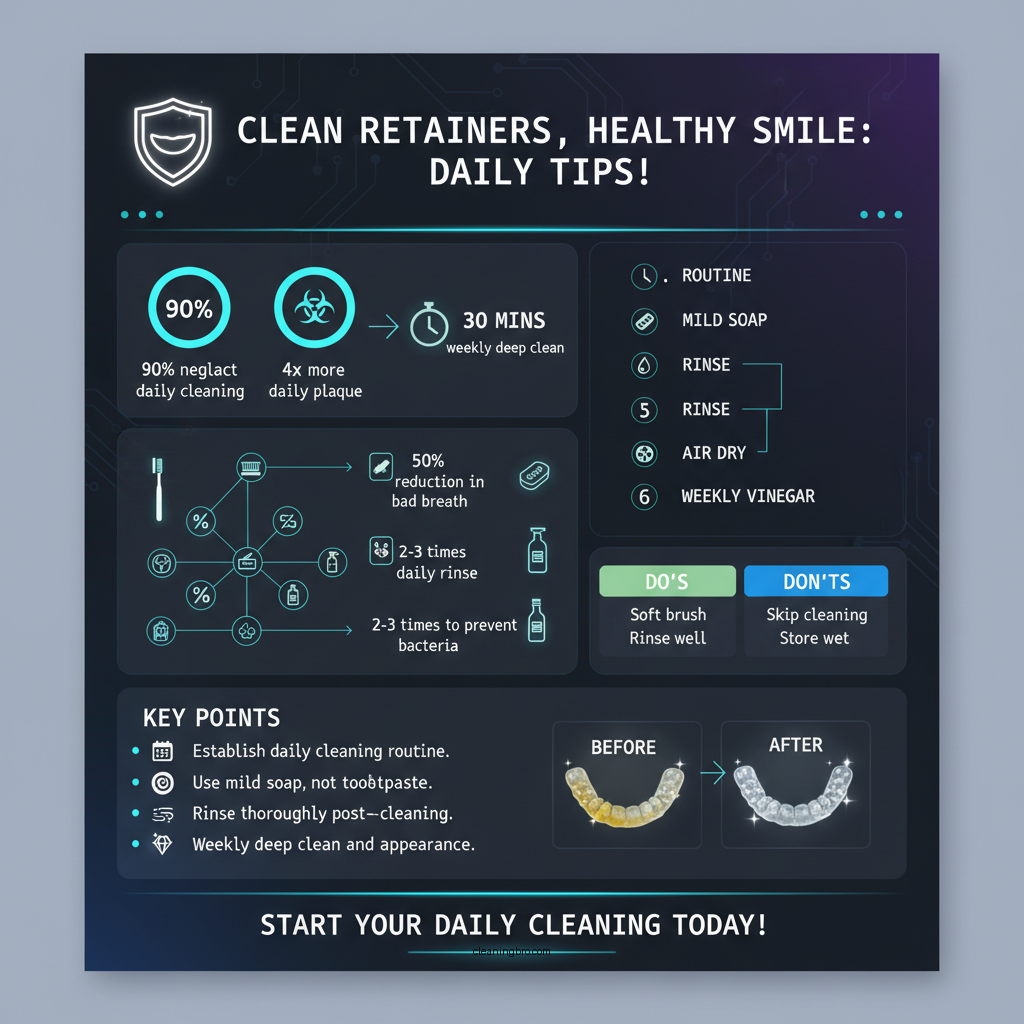

To keep your retainers in optimal condition, a daily cleaning routine is essential. Here are the steps you should follow:
1. Use a Soft Toothbrush: Select a soft-bristled toothbrush specifically for your retainers. This will help you clean them without scratching or damaging the surface.
2. Mild Soap or Retainer Cleaner: Use a mild soap or a specialized retainer cleaner to avoid harsh chemicals that can degrade the material of your retainers. Avoid using toothpaste, as it can be abrasive and lead to scratches.
3. Rinse Thoroughly: After brushing, rinse the retainers under warm water to remove any soap residue. This step is crucial, as leftover cleaner can lead to irritation in your mouth.
4. Air Dry: Place your retainers on a clean towel to air dry completely before storing them in their case. This prevents moisture buildup, which can promote bacterial growth.
By following these steps daily, you can effectively maintain the cleanliness and integrity of your retainers.
Weekly Deep Cleaning
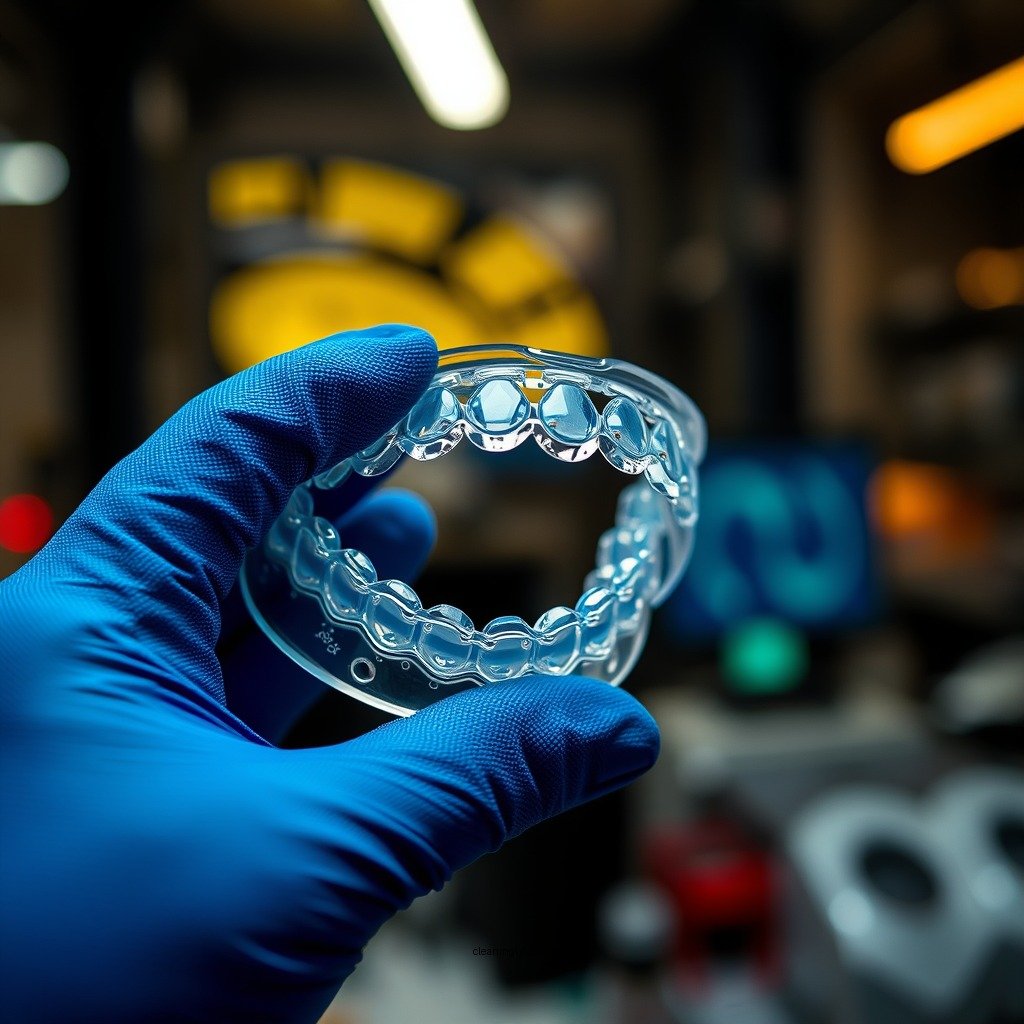
In addition to daily care, a more thorough weekly cleaning is recommended to address any stubborn stains or odors that may develop over time. Here’s how to perform a weekly deep clean:
1. Soak in a Vinegar and Water Solution: Mix equal parts white vinegar and water in a bowl. Soak your retainers in this solution for about 30 minutes. Vinegar acts as a natural disinfectant, helping to eliminate bacteria and odors.
2. Use a Specialized Cleaner: Alternatively, consider using a commercial retainer cleaner that is designed to break down tougher stains and kill bacteria. Follow the manufacturer’s instructions for soaking times.
3. Rinse and Brush: After soaking, rinse the retainers thoroughly with warm water. Then, gently brush them again to remove any remaining debris.
4. Store Properly: Ensure your retainers are completely dry before storing them in a protective case. This will help prevent any bacterial growth during storage.
Incorporating this deep cleaning routine into your schedule will keep your retainers fresh and functional.
Common Retainer Cleaning Methods (2024)
| # | Cleaning Method | Effectiveness | Time Required | Frequency |
|---|---|---|---|---|
| 1 | Vinegar Solution | High | 30 mins | Weekly |
| 2 | Mild Soap | Medium | 10 mins | Daily |
| 3 | Commercial Cleaner | High | 15 mins | Weekly |
| 4 | Hydrogen Peroxide | Medium | 20 mins | Monthly |
| 5 | Baking Soda | High | 30 mins | Weekly |
| 6 | Saltwater Rinse | Medium | 5 mins | Monthly |
| 7 | Ultrasonic Cleaner | Very High | 10 mins | Weekly |
Signs Your Retainers Need Cleaning
Recognizing when your retainers require cleaning is essential for maintaining oral hygiene. Here are some signs that indicate it’s time to give them a thorough clean:
– Noticeable Odor or Taste: If you detect an unpleasant smell or taste when wearing your retainers, it’s a clear sign that bacteria or food particles may be trapped in them.
– Visible Discoloration or Buildup: Any visible stains or cloudy areas on the retainer surface suggest that cleaning is necessary. Buildup can be due to plaque or food debris.
– Changes in Fit: If your retainers feel uncomfortable or don’t fit as they should, it may be due to buildup impacting their shape and effectiveness.
Being proactive and attentive to these signs can help prevent further issues and keep your retainers in good condition.
Tips for Maintaining Retainers
Maintaining your retainers goes beyond cleaning; it involves proper care and handling. Here are some essential tips:
1. Store Retainers in a Protective Case: When not in use, always place your retainers in a protective case to shield them from dust, damage, and potential contamination.
2. Avoid Hot Water: Hot water can warp the material of your retainers, leading to poor fit and discomfort. Always use lukewarm or cool water for cleaning.
3. Limit Exposure to Food and Drink: Avoid eating or drinking while wearing your retainers, as this can lead to staining or buildup. Remove them before meals for optimal care.
4. Inspect Regularly: Regularly check your retainers for any signs of wear or damage. If you notice cracks or significant wear, consult your orthodontist for guidance.
5. Follow Your Orthodontist’s Instructions: If your orthodontist has provided specific cleaning or care instructions, be sure to adhere to those guidelines for the best results.
By integrating these tips into your daily routine, you’ll ensure your retainers remain functional and hygienic.
Best Practices for Oral Hygiene
In addition to maintaining your retainers, practicing good oral hygiene is essential for overall dental health. Here are some best practices:
– Brush and Floss Daily: Make sure to brush your teeth at least twice a day and floss daily to remove plaque and prevent tartar buildup. This will also help keep your retainers cleaner for longer.
– Use Mouthwash: Incorporate an antibacterial mouthwash into your routine to help reduce bacteria in your mouth, which can transfer to your retainers.
– Regular Dental Check-Ups: Schedule biannual visits with your dentist for professional cleanings and check-ups. Your dentist can provide tailored advice based on your oral health needs.
– Stay Hydrated: Drink plenty of water throughout the day to maintain saliva production, which is crucial for washing away food particles and bacteria.
By adhering to these best practices, you can significantly enhance your oral health and ensure that your retainers remain in optimal condition.
Maintaining clean retainers is crucial for both your dental health and the effectiveness of your orthodontic treatment. By following a regular cleaning schedule, incorporating deep cleaning techniques, and practicing good oral hygiene, you can ensure your retainers remain in top condition. Be sure to implement these tips and prioritize your oral health today!
Frequently Asked Questions
How often should I clean my retainers?
You should clean your retainers daily to prevent the buildup of plaque and bacteria. Regular cleaning helps maintain oral hygiene and keeps your retainers in good condition. Use a soft toothbrush and mild soap or a specialized retainer cleaner to ensure they are properly sanitized.
What is the best way to clean my retainers?
The best way to clean your retainers is to use a soft-bristled toothbrush along with mild dish soap or a dedicated retainer cleaner. Avoid using toothpaste, as it can be abrasive and scratch the surface. Additionally, soaking your retainers in a solution of equal parts water and white vinegar can help remove stubborn stains and odors.
Why is it important to clean my retainers regularly?
Cleaning your retainers regularly is crucial because it prevents the accumulation of harmful bacteria and plaque that can lead to oral health issues, such as gum disease and bad breath. Additionally, properly maintained retainers are less likely to develop odors or discoloration, ensuring they remain comfortable and effective.
How often should I soak my retainers in cleaning solution?
You should soak your retainers in a cleaning solution at least once a week for optimal hygiene. This extended cleaning helps remove any buildup that daily brushing may miss. Make sure to follow the instructions on the cleaning solution to avoid damaging your retainers.
Which cleaning products are safe for my retainers?
Safe cleaning products for your retainers include gentle dish soap, specialized retainer cleaners, and solutions specifically designed for orthodontic appliances. Avoid harsh chemicals or bleach, as they can damage the material of your retainers. Always check with your orthodontist for recommendations on the best products to use.
References
- https://www.mayoclinic.org/healthy-lifestyle/adult-health/in-depth/braces/art-20045788
https://www.mayoclinic.org/healthy-lifestyle/adult-health/in-depth/braces/art-20045788 - https://www.ncbi.nlm.nih.gov/pmc/articles/PMC5524597/
https://www.ncbi.nlm.nih.gov/pmc/articles/PMC5524597/ - https://www.cdc.gov/oralhealth/publications/faq/retainers.html
https://www.cdc.gov/oralhealth/publications/faq/retainers.html - https://www.webmd.com/oral-health/what-to-know-about-retainers
https://www.webmd.com/oral-health/what-to-know-about-retainers - https://www.healthline.com/health/retainers
https://www.healthline.com/health/retainers - Google Scholar Google Scholar
https://scholar.google.com/scholar?q=how+often+should+i+clean+my+retainers - Google Scholar Google Scholar
https://scholar.google.com/scholar?q=retainer+cleaning+frequency - how often should i clean my retainers – Search results
https://en.wikipedia.org/wiki/Special:Search?search=how+often+should+i+clean+my+retainers - https://www.ncbi.nlm.nih.gov/search/research-articles/?term=how+often+should+i+clean+my+retainers
https://www.ncbi.nlm.nih.gov/search/research-articles/?term=how+often+should+i+clean+my+retainers