How Often Should I Clean My Shotgun?
Cleaning your shotgun is essential for maintaining its performance and longevity, and it should be done after every use, especially if you’ve fired lead or corrosive ammunition. Regular cleaning helps to prevent rust and malfunctions, ensuring your shotgun is always ready when you need it. In this article, we’ll explore the best cleaning practices and frequency based on usage, along with essential cleaning supplies, a step-by-step cleaning process, and tips for long-term care.
Importance of Regular Cleaning
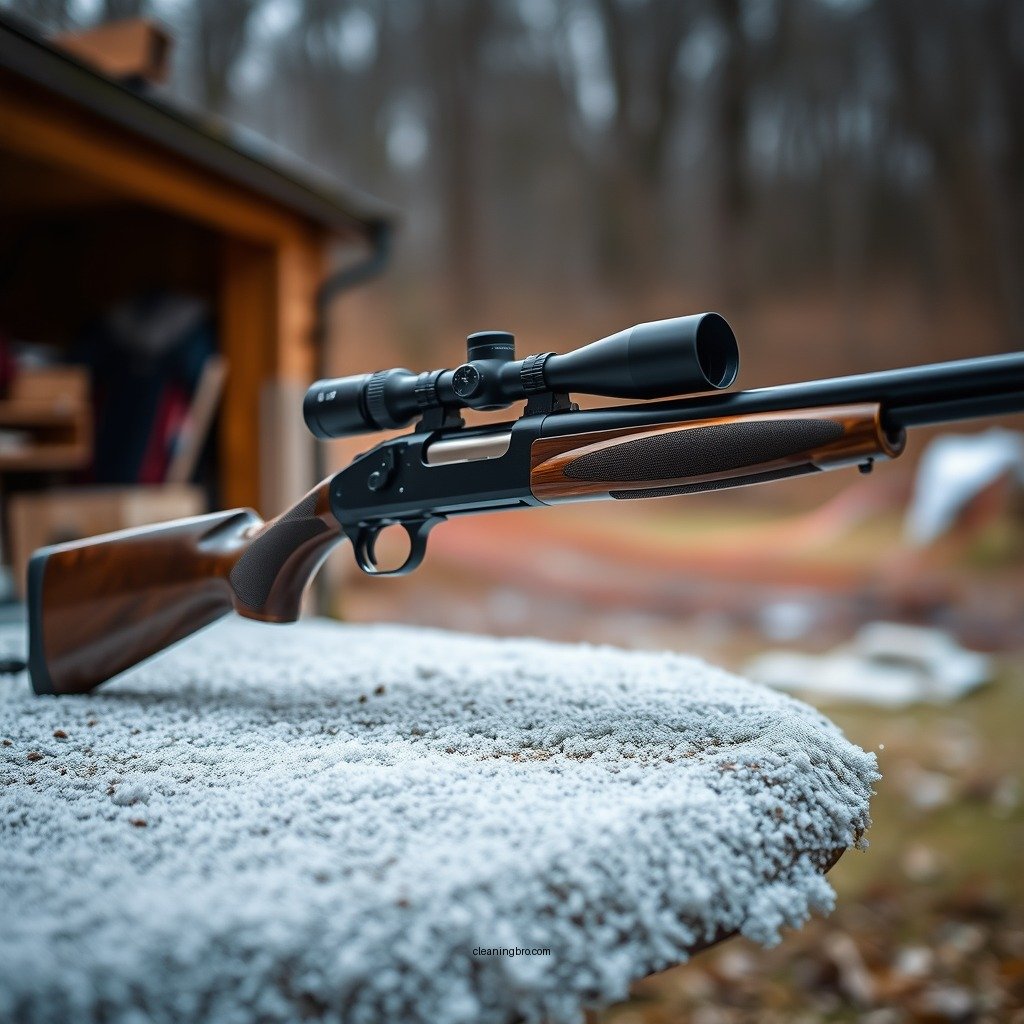
Regular cleaning of your shotgun cannot be overstated. The primary reasons for maintaining a consistent cleaning routine include:
– Prevention of Rust and Corrosion: Shotguns are often exposed to moisture, whether from the environment, sweat, or the ammunition itself. Residue from shots can lead to rust and corrosion, severely affecting the firearm’s integrity and performance. Regular cleaning removes moisture and debris, keeping the metal surfaces protected.
– Enhancement of Performance and Reliability: A clean shotgun functions more reliably. Residues from gunpowder, oil, and dirt can accumulate in the action and barrel, leading to malfunctions and failures to fire. Regular cleaning ensures smooth operation, allowing for consistent performance and your peace of mind when it matters the most.
Frequency Based on Usage
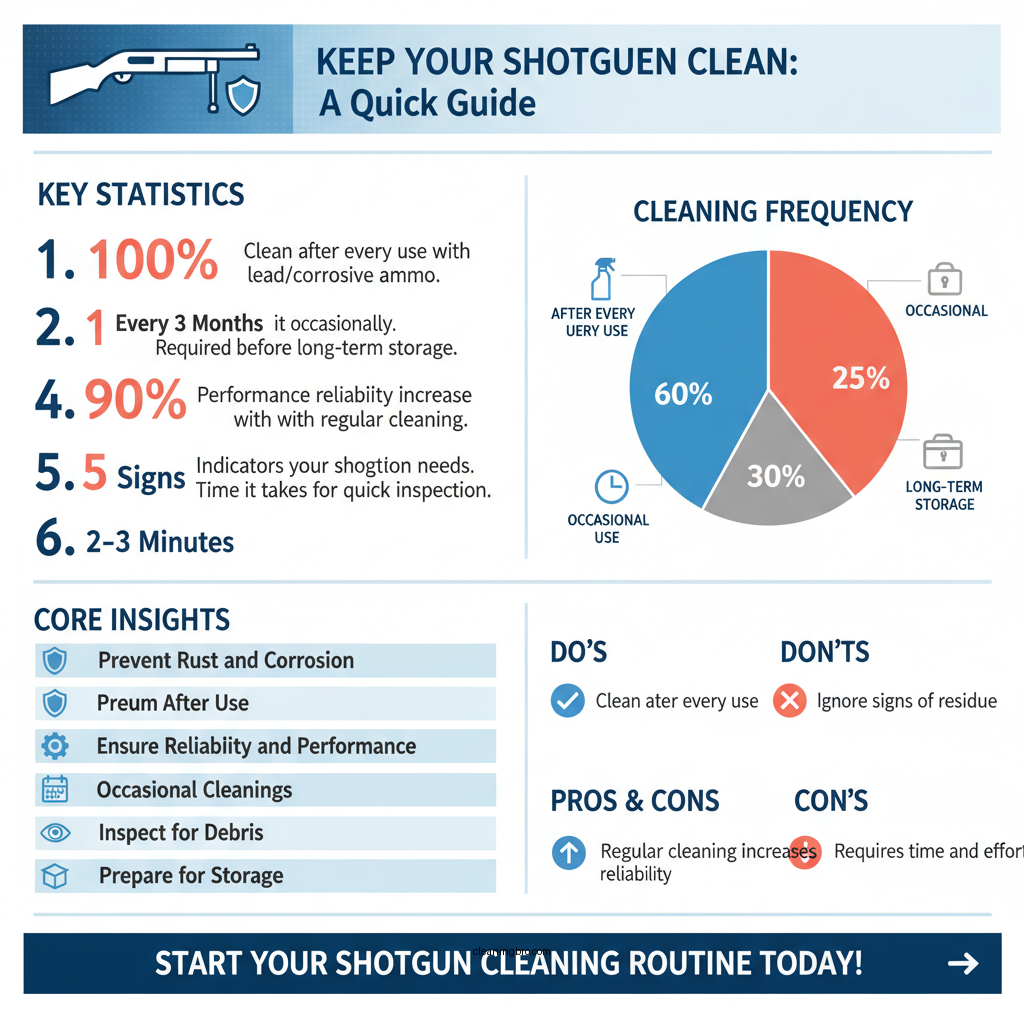

The frequency of cleaning your shotgun should depend on how often you use it:
– After Every Use: If you frequently shoot your shotgun, particularly with lead or corrosive ammunition, it is crucial to clean it after each outing. This practice prevents the buildup of residues that can lead to corrosion and performance issues.
– Occasional Use: For those who shoot their shotgun less frequently, a thorough cleaning every few months may suffice. However, if you notice any signs of buildup or residue, it’s wise to clean it immediately to ensure optimal performance.
– Long-Term Storage: If you plan to store your shotgun for an extended period, it is advisable to give it a comprehensive cleaning before putting it away. This will help protect the firearm from dust and moisture during storage.
Signs Your Shotgun Needs Cleaning

Recognizing when your shotgun needs cleaning can prevent potential issues down the line. Here are some common signs to look out for:
– Difficulty in Cycling or Loading Shells: If you experience resistance when cycling the action or loading shells, this could indicate that dirt or residue has accumulated, obstructing the smooth operation of the shotgun.
– Visible Dirt or Debris: A visual inspection can reveal dirt or debris inside the action or barrel. If you notice any buildup, it’s time to clean your shotgun to ensure proper function and safety.
Cleaning Supplies You’ll Need
To effectively clean your shotgun, you’ll need specific supplies tailored for firearm maintenance:
– Gun Cleaning Solvent and Oil: High-quality solvents and oils are designed to remove fouling and protect your shotgun from rust. Look for products specifically formulated for shotguns.
– Brushes, Patches, and Cleaning Rod: A variety of brushes (nylon and brass) are essential for scrubbing the barrel and action. Cleaning patches will be used with the cleaning rod to remove dirt and solvent residue from the bore.
– Rags and Q-tips: Rags will help dry and polish surfaces, while Q-tips can reach smaller areas for a more detailed clean.
Step-by-Step Cleaning Process
Cleaning your shotgun involves several steps to ensure all components are properly maintained:
1. Disassemble the Shotgun: Always refer to the manufacturer’s guidelines for proper disassembly. Remove the barrel and any other detachable parts.
2. Clean the Barrel: Use a cleaning rod and brush to scrub the barrel with solvent. Follow up with cleaning patches until they come out clean. This step is vital to remove any lead or residue buildup.
3. Clean the Action: Apply solvent to a brush and scrub the action to remove grime. Use a rag to wipe down the exterior and interior parts. Ensure all moving parts are free from debris.
4. Lubricate: After cleaning, apply a light coat of gun oil to all metal surfaces, focusing on moving parts to ensure smooth operation.
5. Reassemble the Shotgun: Carefully reassemble your shotgun, ensuring all components are correctly placed and secured.
Storage Tips for Long-Term Care
Proper storage is essential for maintaining your shotgun’s condition when not in use:
– Store in a Cool, Dry Place: Avoid storing your shotgun in humid areas, as moisture can lead to rust. A climate-controlled environment is ideal.
– Use a Silicone Cloth: Before storing, wipe down all surfaces with a silicone cloth. This provides an additional layer of protection against moisture and dust.
– Secure Storage: Utilize a gun safe or secure cabinet to prevent unauthorized access and protect your shotgun from physical damage.
Common Mistakes to Avoid
Here are some common pitfalls to sidestep when it comes to cleaning your shotgun:
– Neglecting to Clean After Non-Lead Ammunition: Many shooters mistakenly believe that non-lead ammunition does not require cleaning. However, residues from all types of ammunition can affect performance and should not be overlooked.
– Overusing Cleaning Solvents: Using excessive amounts of cleaning solvent can damage finishes and cause more harm than good. Always follow the recommended amounts specified by the manufacturer.
– Skipping Regular Maintenance: Even if your shotgun appears to be functioning well, regular maintenance is crucial. Waiting until you notice a problem can lead to more significant issues down the line.
Top Shotgun Cleaning Supplies (2024)
| # | Product | Type | Price | Rating |
|---|---|---|---|---|
| 1 | Hoppe’s No. 9 Gun Cleaner | Solvent | $10.99 | ★★★★☆ |
| 2 | Break-Free CLP | Cleaner/Lubricant | $12.49 | ★★★★★ |
| 3 | M-Pro 7 Gun Cleaner | Solvent | $9.99 | ★★★★☆ |
| 4 | Birchwood Casey Gun Scrubber | Cleaner | $7.99 | ★★★★☆ |
| 5 | Hoppe’s Lubricating Oil | Lubricant | $8.99 | ★★★★★ |
| 6 | Otis Technology Gun Cleaning Kit | Cleaning Kit | $49.99 | ★★★★★ |
| 7 | Dewey Rods Cleaning Rod | Cleaning Rod | $15.99 | ★★★★☆ |
Best Shotgun Cleaning Supplies: A Comparison
| Feature | ⭐ Otis Technology Kit | Hoppe’s No. 9 | Break-Free CLP |
|---|---|---|---|
| Price | $49.99 | $10.99 | $12.49 |
| Includes Cleaning Rod | ✅ | ❌ | ❌ |
| Lubricant Included | ✅ | ✅ | ✅ |
| Number of Brushes | 5 | 2 | 3 |
| Portability | ✅ Compact | ❌ Bulky | ❌ Bulky |
| Cleaning Solution Included | ✅ | ✅ | ✅ |
| Customer Rating | ★★★★★ | ★★★★☆ | ★★★★★ |
| Best For | Comprehensive Cleaning | General Use | Light Cleaning |
Maintaining your shotgun through regular cleaning is crucial for its performance and lifespan. By understanding the right frequency and process, you can ensure your firearm remains in excellent condition. Make a cleaning schedule based on your usage, gather the proper supplies, and enjoy shooting with confidence knowing your shotgun is well cared for. Regular maintenance not only enhances the performance of your firearm but also ensures your safety and enjoyment while shooting.
Frequently Asked Questions
How often should I clean my shotgun after shooting?
It’s recommended to clean your shotgun after every use, especially if you’ve shot a significant number of rounds. Regular cleaning helps prevent residue buildup from gunpowder and shot, which can lead to malfunctions or rust. If you only use your shotgun occasionally, a thorough cleaning every few months is advisable to maintain its performance.
What is the best way to clean my shotgun?
The best way to clean your shotgun involves disassembling it according to the manufacturer’s instructions, then using a cleaning rod with a bore brush and patches to clean the barrel. Apply gun oil to the moving parts and wipe down the exterior with a soft cloth to remove dirt and fingerprints. Always ensure you use the appropriate cleaning supplies designed specifically for shotguns to avoid damage.
Why is it important to clean my shotgun regularly?
Regular cleaning of your shotgun is crucial for maintaining its reliability and longevity. Residue from ammunition can cause corrosion and affect the firing mechanism, leading to potential safety hazards. Additionally, a well-maintained shotgun will perform better and ensure accuracy when you need it most.
Which cleaning supplies do I need for my shotgun?
Essential cleaning supplies for your shotgun include a cleaning rod, bore brush, cleaning patches, gun oil, and a soft cloth. You may also want to invest in a cleaning kit specifically designed for shotguns, which often includes all necessary tools. High-quality cleaning products can enhance the effectiveness of your cleaning routine and protect your firearm.
How can I tell if my shotgun needs cleaning?
You can tell if your shotgun needs cleaning by checking for visible residue, rust, or a sticky action when cycling the action. If you notice decreased accuracy or misfires, it’s a sign that your shotgun may need attention. Additionally, if you’ve been shooting in wet or muddy conditions, it’s best to clean your shotgun promptly to prevent damage.
References
- Shotgun
https://en.wikipedia.org/wiki/Shotgun - NRA-ILA | Home
https://www.nraila.org/articles/20161111/cleaning-your-shotgun - https://pubmed.ncbi.nlm.nih.gov/26923444/
https://pubmed.ncbi.nlm.nih.gov/26923444/ - https://www.theguardian.com/sport/2020/sep/05/how-to-clean-your-shotgun
https://www.theguardian.com/sport/2020/sep/05/how-to-clean-your-shotgun - https://www.sciencedirect.com/topics/agricultural-and-biological-sciences/shotgun
https://www.sciencedirect.com/topics/agricultural-and-biological-sciences/shotgun - Mornings – ABC listen
https://www.abc.net.au/news/2020-03-03/what-you-need-to-know-about-cleaning-your-shotgun/12019174 - Shotgun | Hunting, Home Defense & Self-Protection | Britannica
https://www.britannica.com/technology/shotgun - https://scholar.google.com/scholar?q=how+often+should+i+clean+my+shotgun Google Scholar
https://scholar.google.com/scholar?q=how+often+should+i+clean+my+shotgun - https://scholar.google.com/scholar?q=shotgun+maintenance+frequency Google Scholar
https://scholar.google.com/scholar?q=shotgun+maintenance+frequency - https://scholar.google.com/scholar?q=shotgun+cleaning+guidelines Google Scholar
https://scholar.google.com/scholar?q=shotgun+cleaning+guidelines