How Often Should I Clean the Chicken Coop?
To maintain a healthy environment for your chickens, you should clean the chicken coop at least once a week. However, the frequency can vary based on factors like the size of the coop, the number of chickens, and the season. In this article, you’ll discover how to determine the right cleaning schedule for your coop, the benefits of regular cleaning, and essential tips for an effective cleaning routine.
Understanding the Cleaning Needs
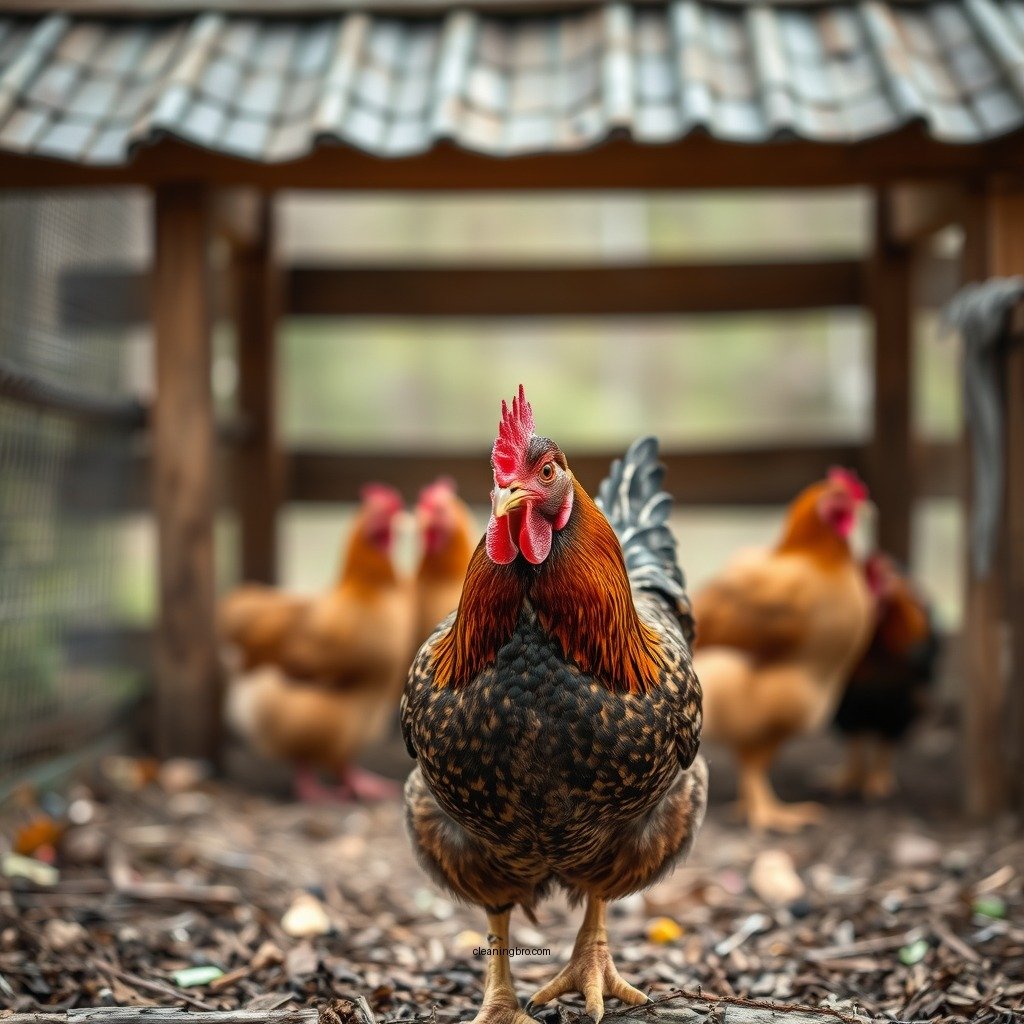
The first step in establishing a cleaning routine for your chicken coop is to assess its size. Larger coops may not require daily or weekly cleaning as frequently as smaller ones due to the greater volume of space available for waste accumulation. For instance, a spacious coop housing 10 chickens might only need a thorough clean every two weeks, while a smaller coop with the same number of chickens may require weekly attention.
Additionally, the chicken population plays a crucial role in determining cleaning frequency. More chickens produce more waste, which can lead to unsanitary conditions if not managed properly. For example, a flock of 20 chickens in a confined space may necessitate daily spot-checks and weekly deep cleaning sessions to maintain optimal hygiene levels.
Factors Influencing Cleaning Frequency
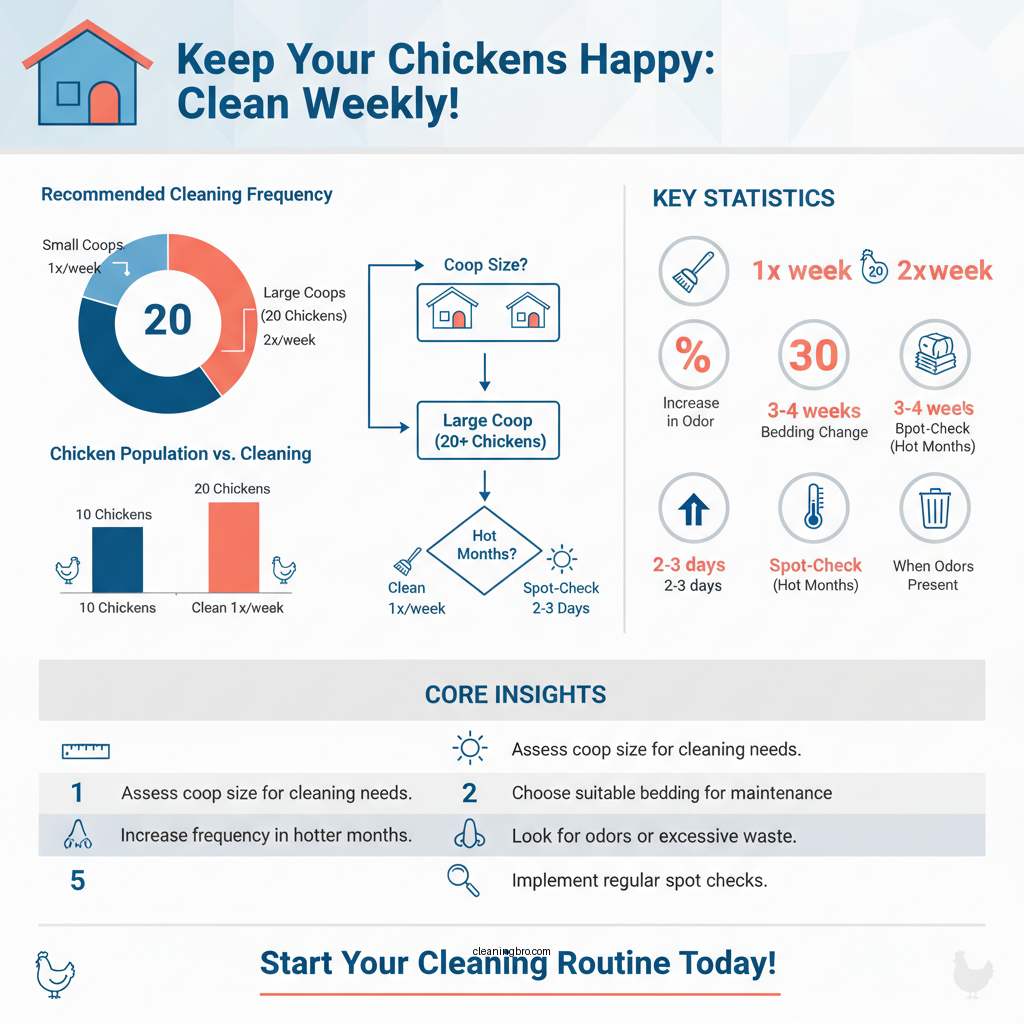
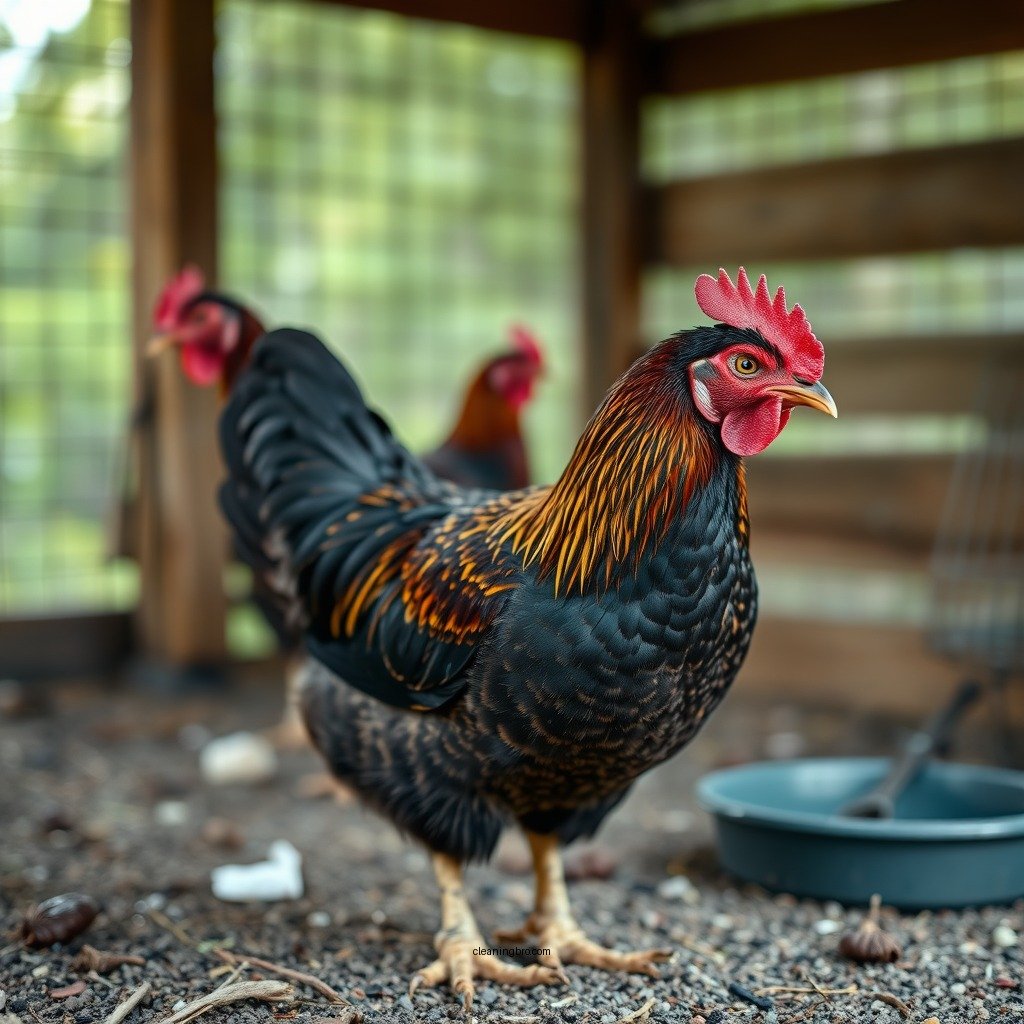
Several factors can influence how often you should clean your chicken coop, starting with seasonal changes. During hotter months, the heat can accelerate the decomposition of chicken waste, leading to unpleasant odors and attracting pests like flies and rodents. This scenario necessitates more frequent cleaning to ensure a comfortable and healthy environment for your birds.
The type of bedding used in the coop is another significant factor. Some materials, such as straw, tend to break down more quickly and absorb moisture, requiring more regular changes. In contrast, other bedding options like pine shavings can last longer and may only need replacement every few weeks. Understanding the characteristics of your chosen bedding can help you develop a more efficient cleaning schedule.
Signs That Your Coop Needs Cleaning
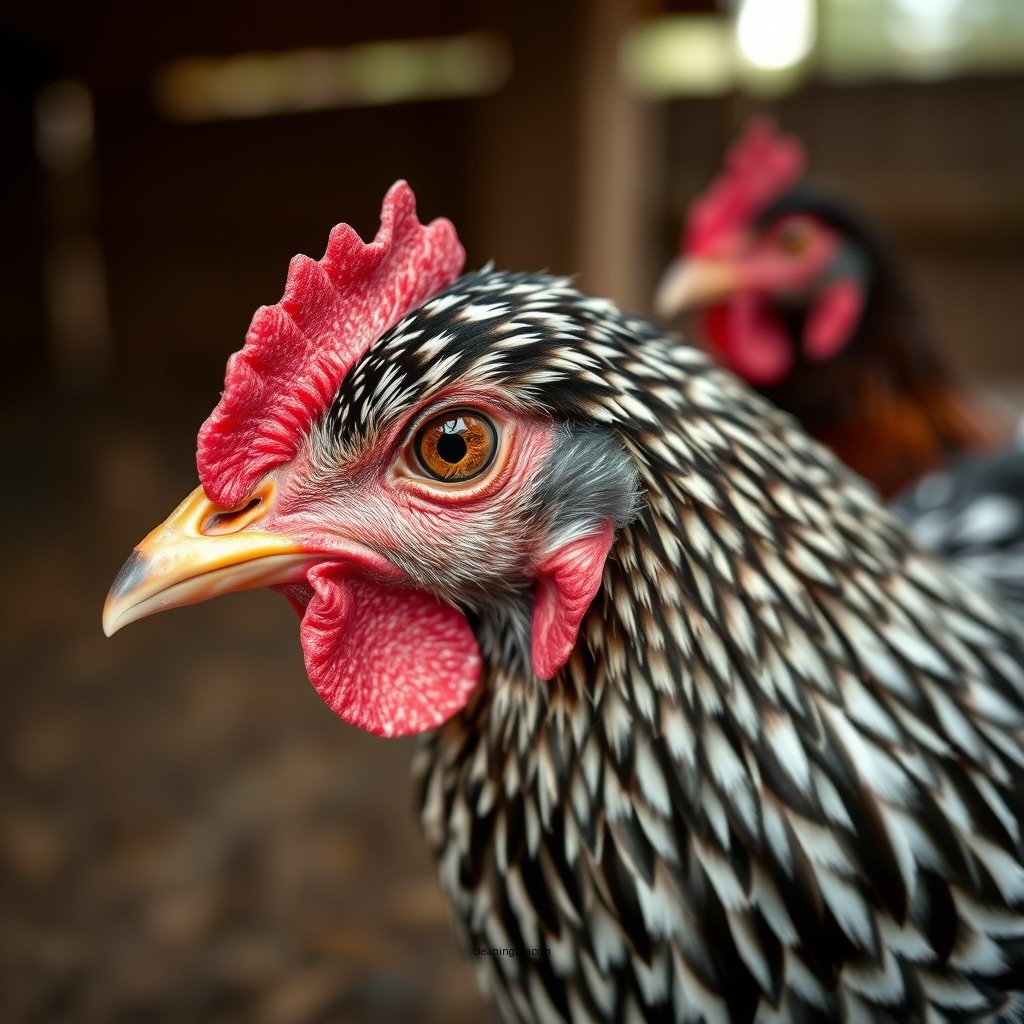
There are several telltale signs that your chicken coop requires cleaning. One of the most evident indicators is the presence of unpleasant odors. A strong smell emanating from the coop is a clear signal that waste has accumulated to a concerning level, making it an urgent task to clean the area thoroughly.
Another sign to watch for is excessive waste accumulation. If you notice a buildup of droppings, bedding that looks excessively soiled, or an overall untidy appearance, it is time for a thorough cleaning. Regular spot checks can help you catch these signs early before they become a more significant issue.
Average Cleaning Frequency Based on Coop Size and Chicken Count
| # | Coop Size (sq ft) | Chicken Count | Recommended Cleaning Frequency |
|---|---|---|---|
| 1 | 50 | 5 | Weekly |
| 2 | 100 | 10 | Every 10 Days |
| 3 | 150 | 15 | Every 2 Weeks |
| 4 | 200 | 20 | Every 3 Weeks |
| 5 | 300 | 30 | Monthly |
| 6 | 400 | 40 | Monthly |
| 7 | 500+ | 50+ | Every 6 Weeks |
Cleaning Techniques and Best Practices
To maintain a hygienic coop, implement daily spot cleaning as part of your routine. This involves removing droppings and soiled bedding immediately, which can significantly reduce odors and the risk of disease. Spot cleaning should take just a few minutes each day, making it an efficient task that pays off in the long run.
In addition to daily maintenance, a thorough deep cleaning should occur at least once a month. This process involves removing all bedding, scrubbing surfaces with a safe disinfectant, and ensuring that all areas, including nesting boxes and roosts, are clean. Proper ventilation during this process is essential to prevent the buildup of ammonia from chicken waste, which can be harmful to your flock.
Tools and Supplies for Cleaning
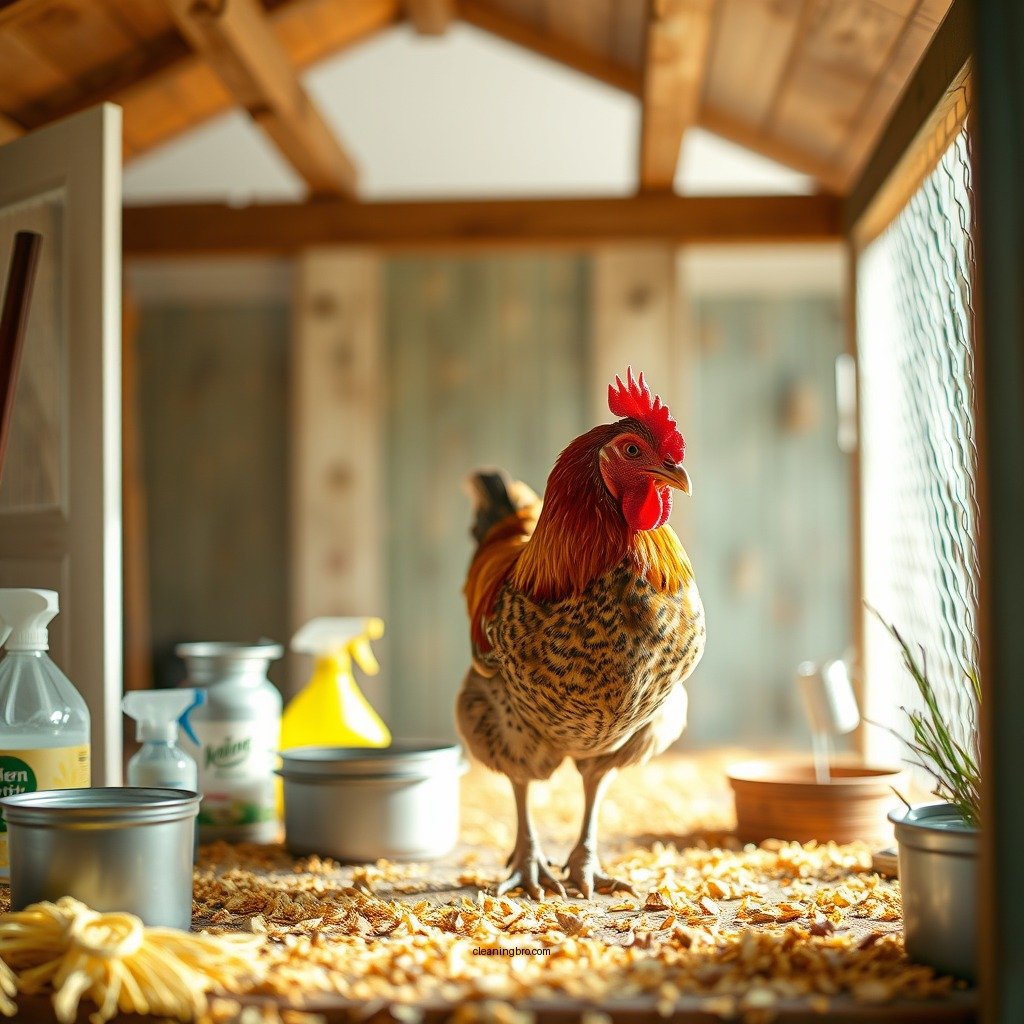
Equipping yourself with the right tools can make cleaning your chicken coop more efficient. Essential tools include a broom, shovel, and disinfectant sprays specifically designed for poultry environments. A sturdy rake can also be beneficial for managing bedding materials.
When selecting bedding options, consider absorbent materials like pine shavings or straw. Pine shavings are particularly effective as they can help absorb moisture and control odors, while straw provides insulation during colder months. Regularly replacing bedding will also help in maintaining a clean and comfortable environment for your chickens.
Bedding Options for Chicken Coops
| Feature | ⭐ Pine Shavings | Straw | Hay |
|---|---|---|---|
| Absorbency | Excellent | Good | Poor |
| Odor Control | Excellent | Average | Poor |
| Cost | Moderate | Low | High |
| Insulation | Good | Excellent | Poor |
| Dust Levels | Low | High | Very High |
| Availability | Common | Common | Not Common |
| Ease of Use | Easy | Moderate | Difficult |
| Composting Potential | Excellent | Good | Poor |
| Overall Rating | ★★★★☆ | ★★★☆☆ | ★★☆☆☆ |
| 🏆 Best For | Hygiene & Odor Control | Insulation & Comfort | Livestock Feed |
Benefits of Regular Cleaning
Regular cleaning of the chicken coop brings numerous benefits. Firstly, it leads to healthier chickens as a clean environment significantly reduces the risk of diseases and parasites. A well-maintained coop fosters better egg production and overall well-being of your flock, thus enhancing their quality of life.
Moreover, maintaining a clean coop contributes to improved longevity of the structure. Regular maintenance prevents structural damage from waste buildup, which can lead to costly repairs or replacements in the future. By investing time in proper cleaning, you are also investing in the long-term health of your chickens and the durability of your coop.
In summary, cleaning your chicken coop weekly is essential, but factors like coop size and chicken number can adjust this schedule. Regular cleaning not only ensures a healthier environment for your birds but also prolongs the life of your coop. To get started, create a cleaning checklist and establish a routine that works best for you and your flock.
Frequently Asked Questions
How often should I clean the chicken coop for optimal hygiene?
You should clean the chicken coop at least once a week to maintain optimal hygiene. This includes removing old bedding, cleaning feeders and waterers, and inspecting for any signs of pests or disease. Regular maintenance helps prevent odors and keeps your chickens healthy.
What signs indicate that my chicken coop needs cleaning?
Signs that your chicken coop needs cleaning include a strong odor, the accumulation of droppings, and excessive dust or debris. If you notice your chickens are less active or exhibiting signs of stress, it could also be a sign that the coop is not clean enough. Regular inspections can help you catch these issues early.
Why is it important to clean the chicken coop regularly?
Regularly cleaning the chicken coop is crucial for preventing disease and maintaining the overall health of your flock. A dirty environment can lead to respiratory issues, parasites, and other health problems. Additionally, a clean coop contributes to better egg production and overall chicken well-being.
What is the best cleaning schedule for a chicken coop?
The best cleaning schedule for a chicken coop typically involves a weekly deep clean, with daily spot cleaning to remove droppings and uneaten feed. In addition, plan for a thorough cleaning and disinfection every few months to keep the environment healthy. Adjust your schedule based on the size of your flock and prevailing weather conditions.
Which cleaning products are safe to use in a chicken coop?
When cleaning a chicken coop, it’s best to use non-toxic, biodegradable products such as vinegar, baking soda, or specialized poultry-safe cleaners. Avoid harsh chemicals that can harm your chickens or contaminate their environment. Always ensure the coop is well-ventilated during and after cleaning to protect your flock.
References
- https://www.extension.purdue.edu/extmedia/AS/AS-619-W.pdf
https://www.extension.purdue.edu/extmedia/AS/AS-619-W.pdf - https://www.extension.umn.edu/animals/animal-science/chickens/
https://www.extension.umn.edu/animals/animal-science/chickens/ - https://www.extension.iastate.edu/topic/chickens
https://www.extension.iastate.edu/topic/chickens - Page not found
https://www.clemson.edu/extension/livestock/chickens/index.html - https://www.ncbi.nlm.nih.gov/pmc/articles/PMC5744632/
https://www.ncbi.nlm.nih.gov/pmc/articles/PMC5744632/ - Publication : USDA ARS
https://www.ars.usda.gov/research/publications/publication/?seqNo115=335055 - Google Scholar Google Scholar
https://scholar.google.com/scholar?q=how+often+should+i+clean+the+chicken+coop - Google Scholar Google Scholar
https://scholar.google.com/scholar?q=cleaning+chicken+coop+guidelines - Google Scholar Google Scholar
https://scholar.google.com/scholar?q=chicken+coop+maintenance+and+sanitation - how often should i clean the chicken coop – Search results
https://en.wikipedia.org/wiki/Special:Search?search=how+often+should+i+clean+the+chicken+coop