How Often Should You Clean a Glock: Best Practices
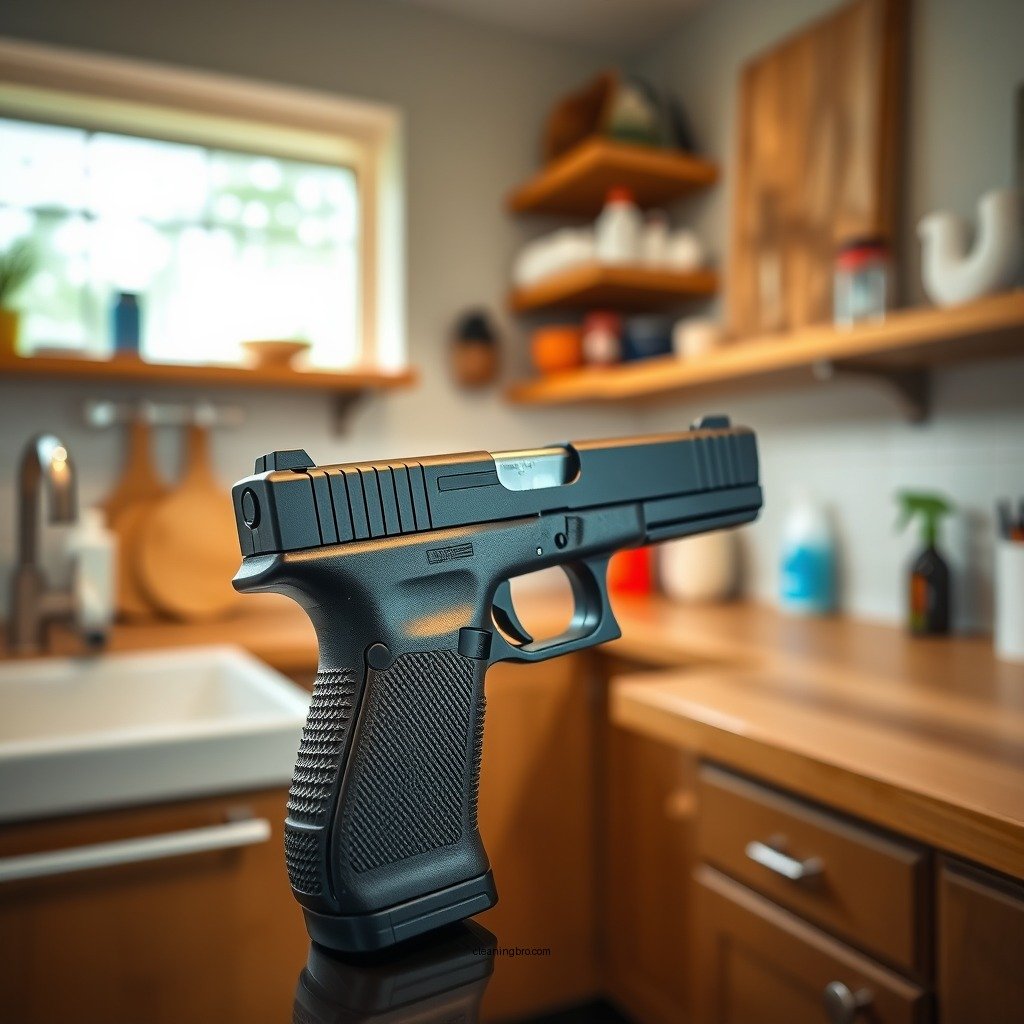
Keeping your Glock clean is essential for optimal performance and longevity. Ideally, you should clean your Glock after every use, especially if you’ve shot a significant number of rounds. Regular cleaning helps maintain reliability and ensures safety, so in this article, we’ll explore best practices and guidelines for cleaning your Glock effectively.
Frequency of Cleaning
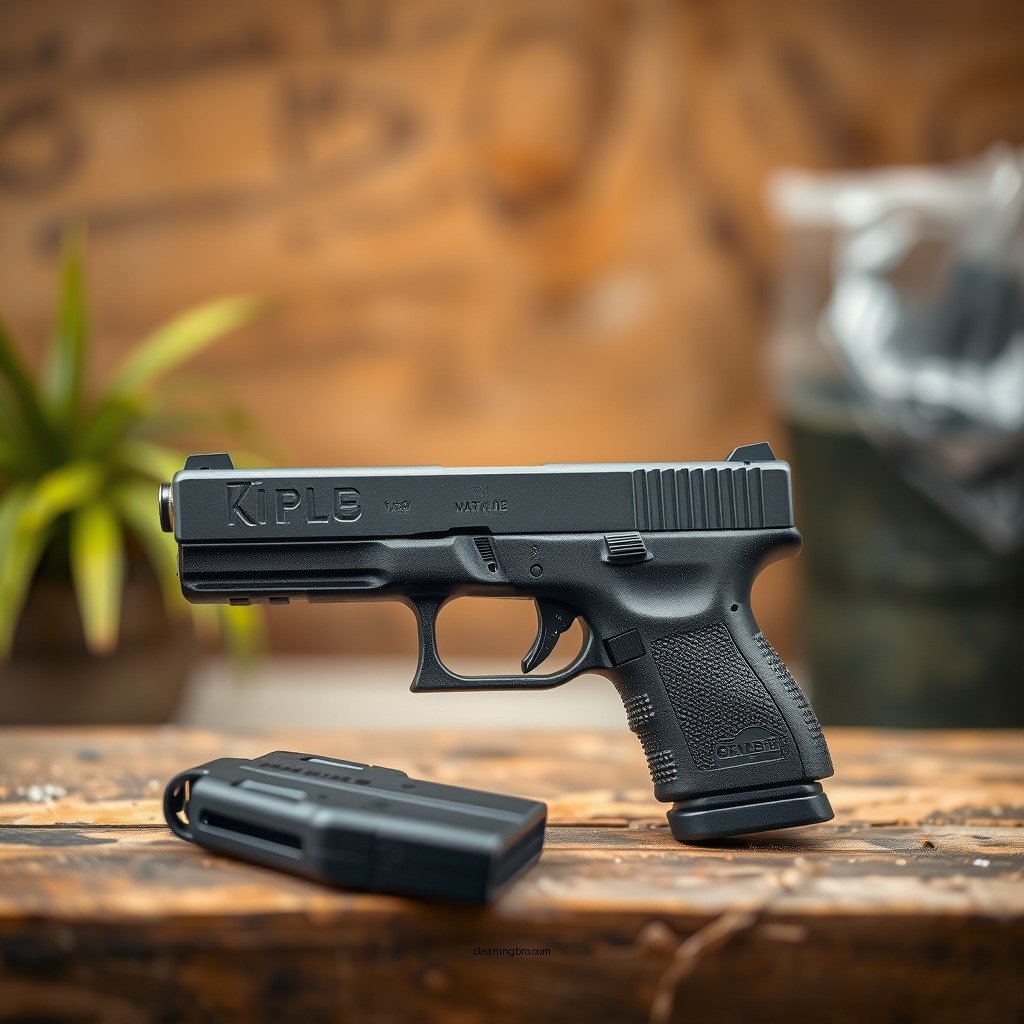
The frequency of cleaning your Glock is influenced by several factors, primarily how often you use it. Cleaning your firearm after each use is the best practice to prevent residue buildup from gunpowder, lead, and other materials that can impair functionality and safety. This is particularly important after a day at the shooting range where a significant number of rounds have been fired.
Additionally, environmental factors play a critical role in determining cleaning frequency. If your Glock has been exposed to rain, dirt, or extreme temperatures, it is advisable to clean it more often. Moisture can cause rust and corrosion, while dirt can lead to malfunctions. Paying attention to these factors can help you maintain your Glock in optimal condition.
Recommended Cleaning Schedule
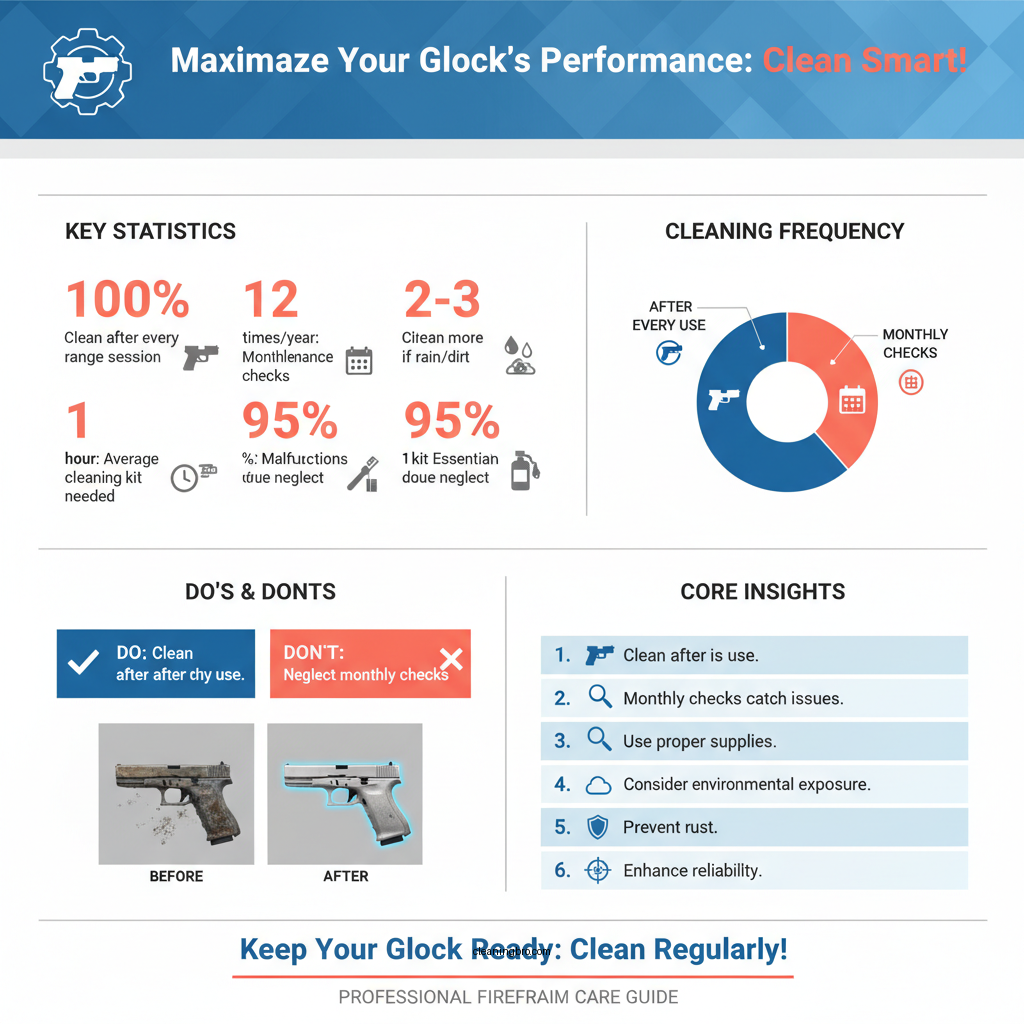

A well-structured cleaning schedule is vital for ensuring the longevity and reliability of your Glock.
– After every range session: A thorough clean is essential to ensure proper function for your next outing. This includes disassembling the firearm and cleaning each component to remove any contaminants.
– Monthly maintenance: Even if the Glock is not used, conducting monthly checks can help catch potential issues early. This proactive approach ensures that your firearm remains in excellent working condition, preventing any unexpected failures during use.
Regular cleaning and maintenance can save you from costly repairs and enhance your shooting experience.Essential Cleaning Supplies
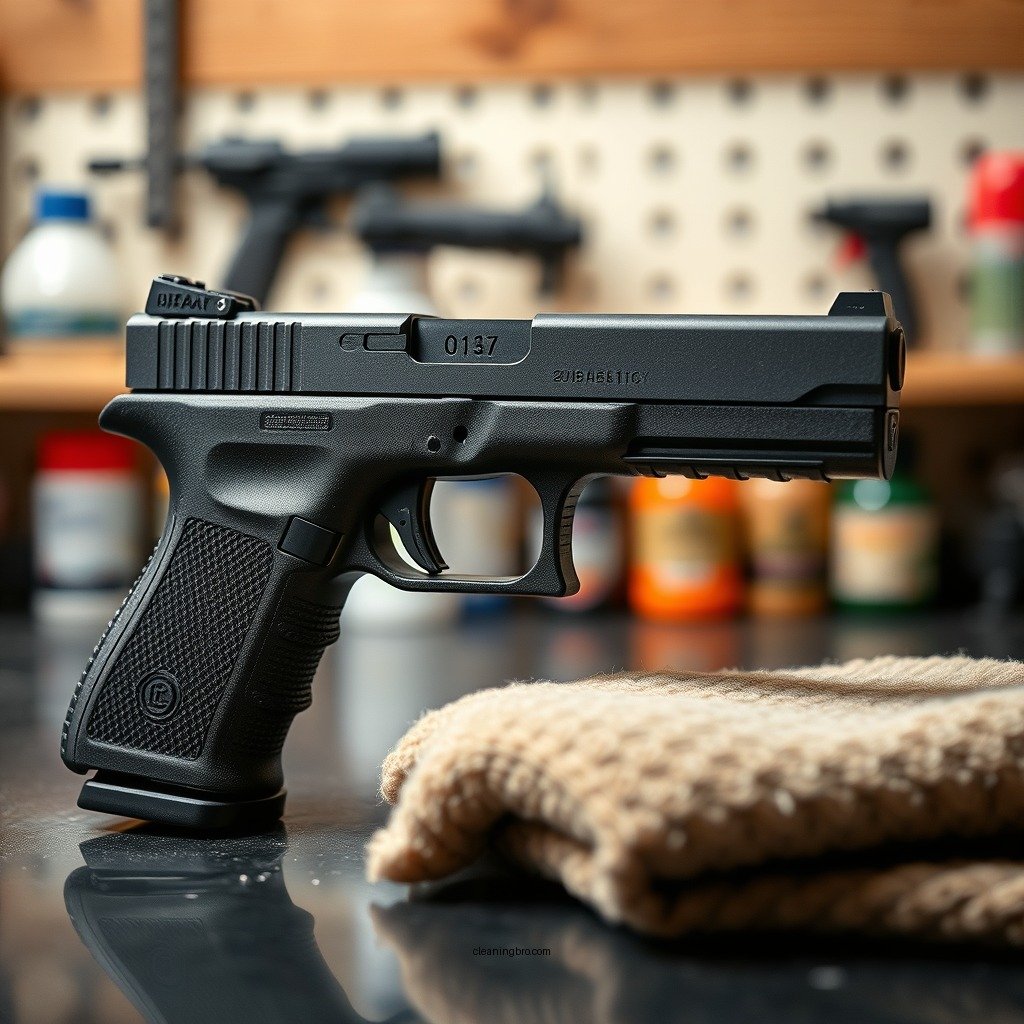
To effectively clean your Glock, having the right supplies is critical. Here’s a list of essential cleaning supplies you should invest in:
– Cleaning kit: A quality cleaning kit should include brushes, rods, cleaning patches, and a cleaning rod. Look for kits specifically designed for Glock firearms to ensure compatibility and effectiveness.
– Lubricants: Use lubricants that are specially formulated for firearms. These lubricants help ensure smooth operation and protect against wear and tear. They also reduce friction, which can enhance the performance of your Glock.
Having these tools on hand will make the cleaning process more efficient and effective.
Essential Cleaning Supplies for Glock Maintenance
| # | Item | Purpose | Recommended Brands |
|---|---|---|---|
| 1 | Cleaning Kit | Complete cleaning solution | Hoppe’s, Birchwood Casey |
| 2 | Gun Oil | Lubrication and protection | Clenzoil, Break-Free |
| 3 | Bore Brush | Cleaning barrel interiors | Otis, Tipton |
| 4 | Cleaning Patches | Removing debris | Pro-Shot, Birchwood Casey |
| 5 | Cotton Swabs | Detail cleaning | N/A |
| 6 | Gun Cleaner | Removing fouling | M-Pro 7, Hoppe’s |
| 7 | Lubricating Cloth | Applying oil | N/A |
Step-by-Step Cleaning Process
Cleaning your Glock involves several systematic steps to ensure thoroughness and safety. Here’s a step-by-step guide:
1. Disassemble the Glock: Follow the manufacturer’s guidelines to safely take apart your firearm. Ensure it is unloaded before beginning the disassembly process.
2. Clean each component: Focus on the barrel, slide, and frame. Use a bore brush to clean the barrel thoroughly, and make sure to remove any carbon buildup and grime. Pay special attention to the breech face and other areas prone to residue accumulation.
3. Inspect the parts: While cleaning, check for any signs of wear, damage, or corrosion. Address any issues immediately to prevent further complications.
4. Reassemble the Glock: After cleaning and ensuring everything is dry, reassemble your Glock. Apply the proper amount of lubricant to ensure smooth operation, avoiding over-lubrication.
By following this structured cleaning process, you ensure that your Glock remains reliable and performs optimally.
Common Mistakes to Avoid
Cleaning your Glock is straightforward, but several common mistakes can undermine your efforts:
– Neglecting the magazine: Many firearm owners forget that magazines require cleaning too. A dirty magazine can lead to feeding issues and malfunctions. Regularly clean your Glock’s magazine to ensure reliable feeding.
– Over-lubrication: While lubrication is essential, too much can attract dirt and debris. Apply only what is necessary to prevent gumming and ensure easy operation of moving parts.
Avoiding these pitfalls will enhance the effectiveness of your cleaning routine and contribute to your Glock’s longevity.
Signs Your Glock Needs Cleaning
Recognizing when your Glock requires cleaning is crucial for its maintenance. Here are some signs to look for:
– Decreased performance: If you notice misfires, jams, or failure to feed, it may indicate that your Glock needs cleaning. Regular maintenance can prevent these issues from escalating.
– Visible dirt and residue: A quick visual inspection can reveal if your firearm is due for a clean. Pay attention to areas that collect grime, especially after a shooting session.
Being proactive about cleaning can help maintain your Glock’s functionality and safety.
Additional Maintenance Tips
In addition to regular cleaning, consider these maintenance tips to keep your Glock in top shape:
– Regular inspections: Periodically check for wear on parts such as the recoil spring, firing pin, and barrel. Replacing worn parts can prevent malfunctions and extend the lifespan of your firearm.
– Stay informed: Follow Glock’s official recommendations and updates for best practices in maintenance. This knowledge can help you stay current on any new products or methods for cleaning and maintaining your firearm.
By incorporating these tips into your maintenance routine, you will enhance the reliability and performance of your Glock.
In conclusion, maintaining your Glock through regular cleaning and inspections is crucial for its reliability and safety. By following these guidelines, including a structured cleaning schedule and using the right supplies, you’ll ensure your firearm operates smoothly and effectively. For detailed cleaning tips and product recommendations, check out our other articles on firearm maintenance. Consistency in care will not only enhance performance but also ensure your Glock remains a trusted companion for years to come.
Frequently Asked Questions
How often should you clean a Glock for optimal performance?
You should clean your Glock after every shooting session, especially if you fire a significant number of rounds. Regular cleaning helps maintain optimal performance, prevents malfunctions, and extends the lifespan of your firearm. Additionally, if your Glock is exposed to dirt, moisture, or harsh conditions, it’s wise to clean it immediately after use.
What are the steps to properly clean a Glock?
To clean a Glock, first ensure the firearm is unloaded and disassembled. Use a cleaning rod and brush to clean the barrel, followed by a patch to remove residue. Wipe down the slide, frame, and other components with a lint-free cloth, then lubricate moving parts with a small amount of gun oil. This thorough process ensures your Glock functions reliably each time.
Why is it important to clean a Glock regularly?
Regular cleaning of your Glock is crucial for maintaining its reliability and safety. Cleaning helps remove carbon buildup, dirt, and moisture that can lead to corrosion and malfunctions. Additionally, a well-maintained Glock will perform better and can enhance your accuracy and shooting experience.
Which cleaning products are best for maintaining a Glock?
The best cleaning products for maintaining a Glock include a quality gun cleaner, lubricant, and a cleaning kit with brushes and patches. Look for products specifically designed for firearms to ensure they are safe and effective. Brands like Hoppe’s and CLP are popular choices among gun owners for their reliability and performance.
How can I tell if my Glock needs cleaning?
You should clean your Glock if you notice decreased accuracy, failure to fire, or visible buildup of dirt and carbon on the components. Additionally, if your firearm has been exposed to adverse weather conditions or has not been used for an extended period, it’s a good idea to clean it before your next use. Regular inspection will help you maintain optimal functionality.
References
- Glock
https://en.wikipedia.org/wiki/Glock - https://www.ncbi.nlm.nih.gov/pmc/articles/PMC6359215/
https://www.ncbi.nlm.nih.gov/pmc/articles/PMC6359215/ - https://pubmed.ncbi.nlm.nih.gov/23603862/
https://pubmed.ncbi.nlm.nih.gov/23603862/ - https://www.hhs.gov/fitness/physical-activity/cleaning-firearms.html
https://www.hhs.gov/fitness/physical-activity/cleaning-firearms.html - Google Scholar Google Scholar
https://scholar.google.com/scholar?q=how+often+should+you+clean+a+glock - Google Scholar Google Scholar
https://scholar.google.com/scholar?q=Glock+cleaning+frequency - https://www.sciencedirect.com/science/article/abs/pii/S1051911919305601
https://www.sciencedirect.com/science/article/abs/pii/S1051911919305601 - https://www.theguardian.com/us-news/2021/mar/18/glock-gun-cleaning-education
https://www.theguardian.com/us-news/2021/mar/18/glock-gun-cleaning-education - https://www.nytimes.com/2020/02/22/us/glock-cleaning.html
https://www.nytimes.com/2020/02/22/us/glock-cleaning.html - https://www.britannica.com/topic/Glock
https://www.britannica.com/topic/Glock