How Often Should You Clean Pool Filters: A Guide
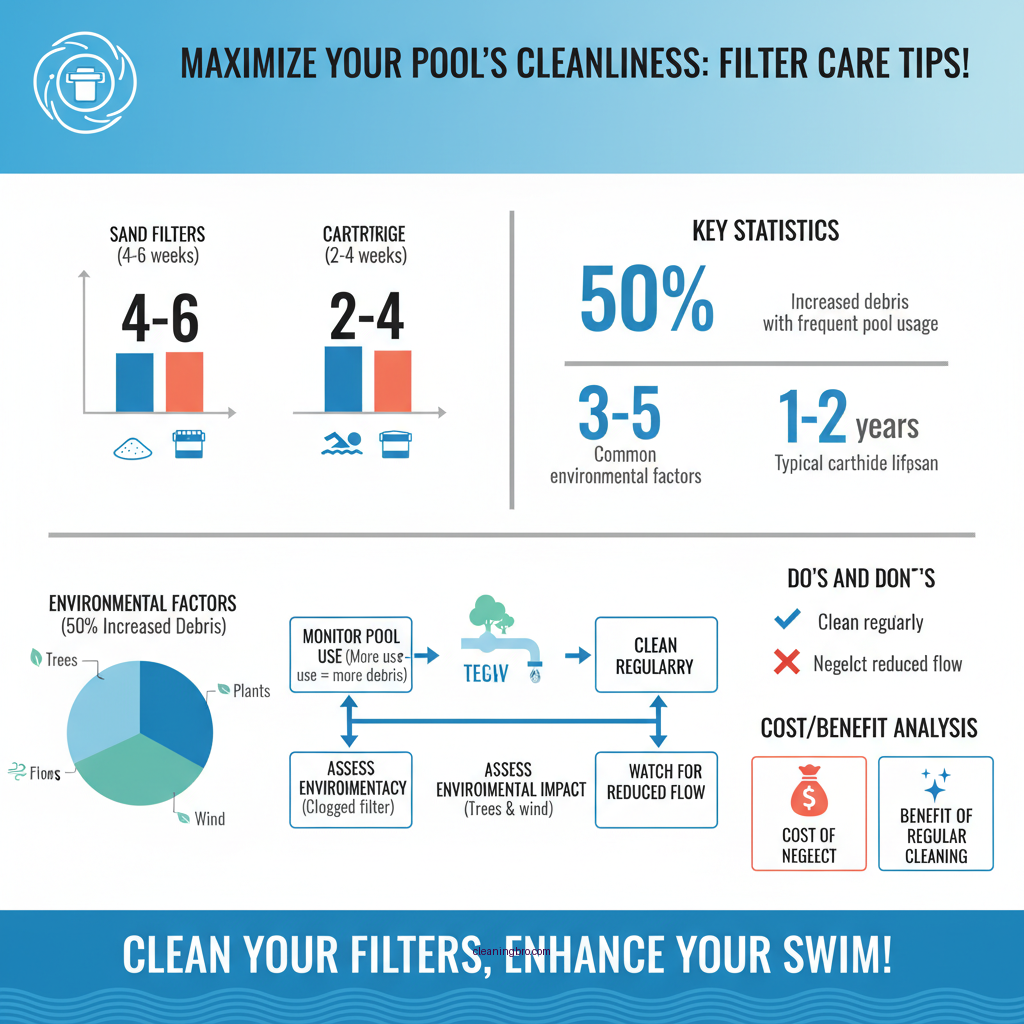
Keeping your pool filters clean is essential for maintaining optimal water quality and ensuring the longevity of your pool equipment. Generally, you should clean your pool filters every 4 to 6 weeks, but this can vary based on usage, pool type, and environmental factors. Regular maintenance not only enhances your swimming experience but also prevents costly repairs or replacements down the line. In this guide, you’ll learn about the factors that influence filter cleaning frequency and tips for maintaining clean filters.
Understanding Pool Filter Types
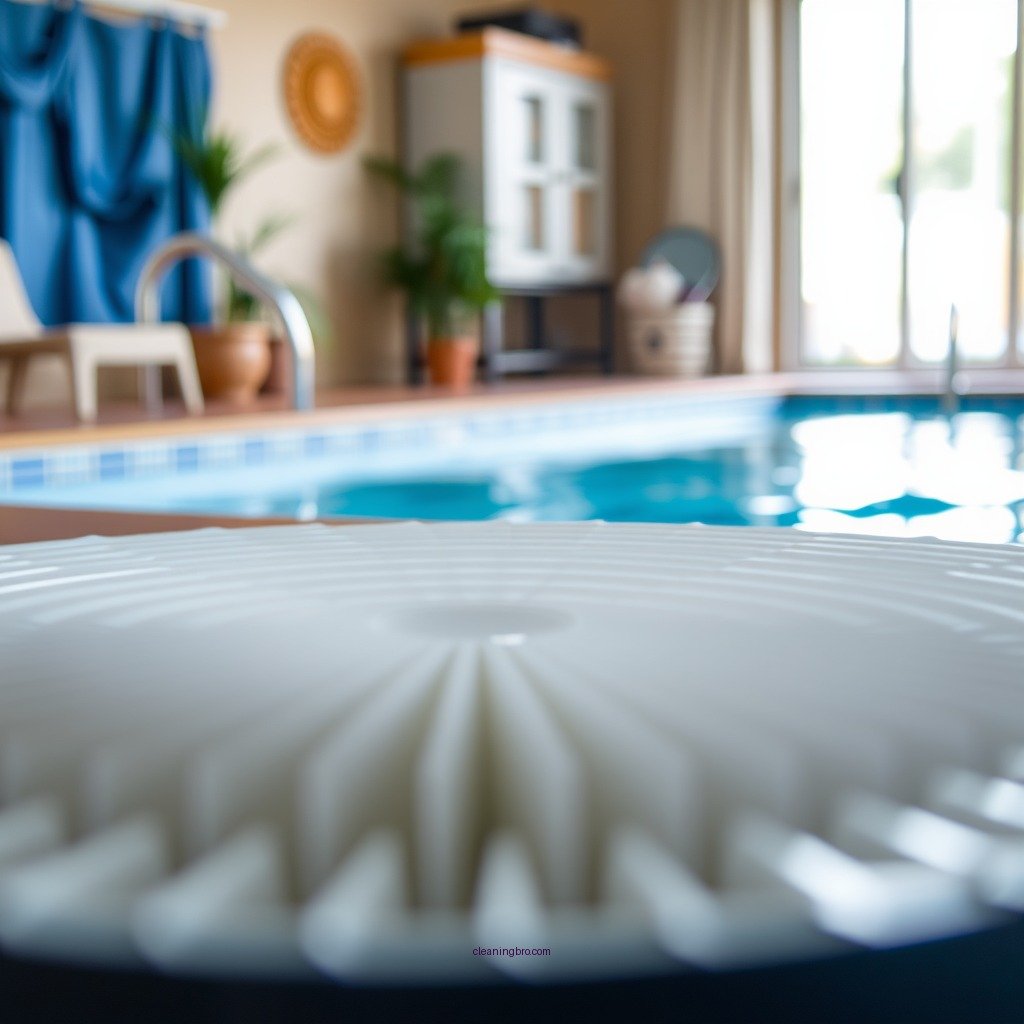
When it comes to pool filters, understanding the different types is crucial for effective maintenance. Each filter type has unique characteristics and cleaning requirements.
– Sand Filters: Sand filters are among the most common types used in residential pools. They work by trapping debris in a bed of sand, which requires backwashing every 4-6 weeks depending on the pool’s usage. Backwashing involves reversing the flow of water through the filter to dislodge trapped debris, allowing it to be washed away. Regular backwashing ensures efficient filtration and prevents sand from becoming compacted.
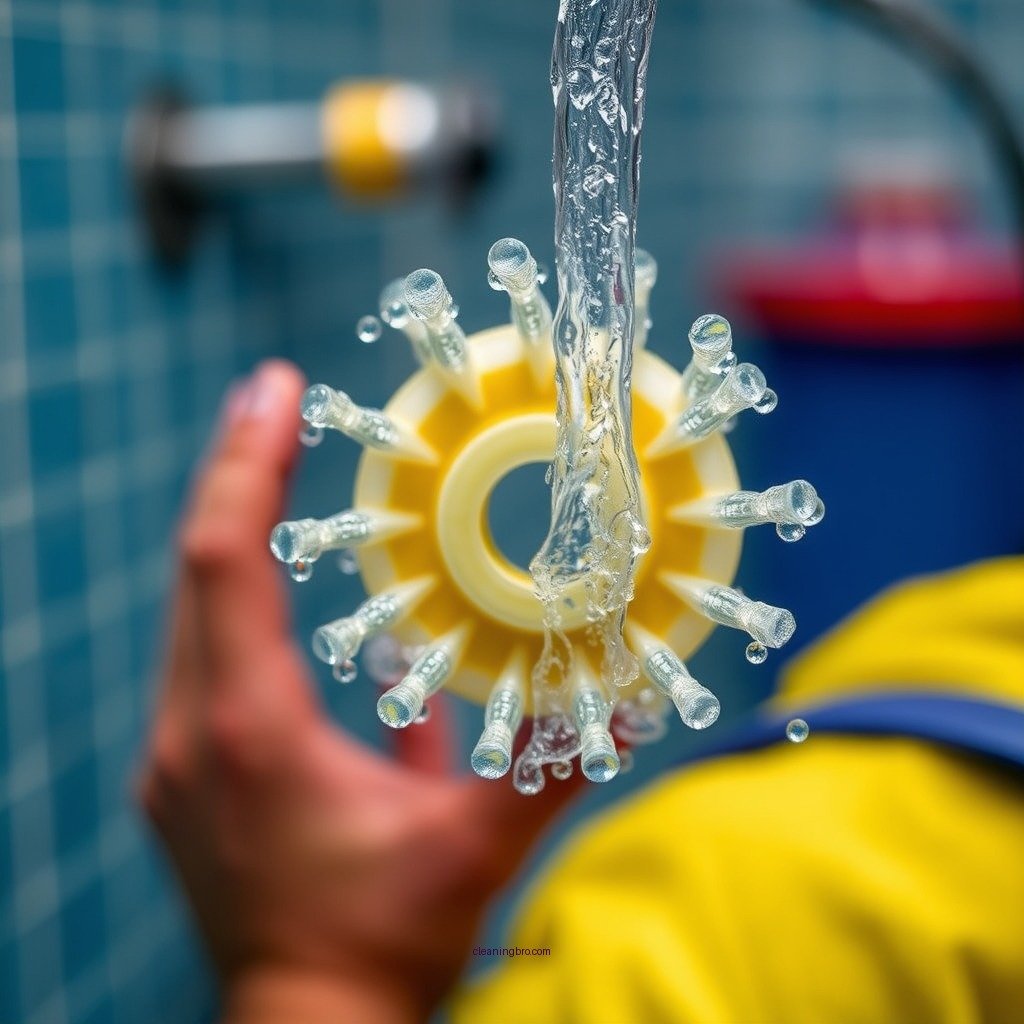
– Cartridge Filters: Cartridge filters utilize a pleated fabric to trap debris and are generally easier to maintain than sand filters. They should be cleaned every 2-4 weeks, especially after periods of heavy use or after storms that may introduce additional debris into the pool. Cleaning involves removing the cartridge from the filter and rinsing it with a hose to remove dirt and contaminants. Over time, cartridges may need to be replaced, typically every 1-2 years.
Factors Affecting Cleaning Frequency
Several factors can influence how often you need to clean your pool filters:
– Pool Usage: The frequency of pool use has a direct impact on filter cleanliness. A pool that hosts frequent gatherings or is used daily will accumulate more debris and require more frequent cleaning. Conversely, a pool used less often may be able to go longer between cleanings.
– Environmental Conditions: The location of your pool plays a significant role in how much debris it collects. Pools surrounded by trees, plants, or areas prone to high winds will accumulate leaves, pollen, and other organic matter more quickly. In such cases, filters may need to be cleaned more often to prevent clogging and maintain water clarity.
Signs Your Filter Needs Cleaning
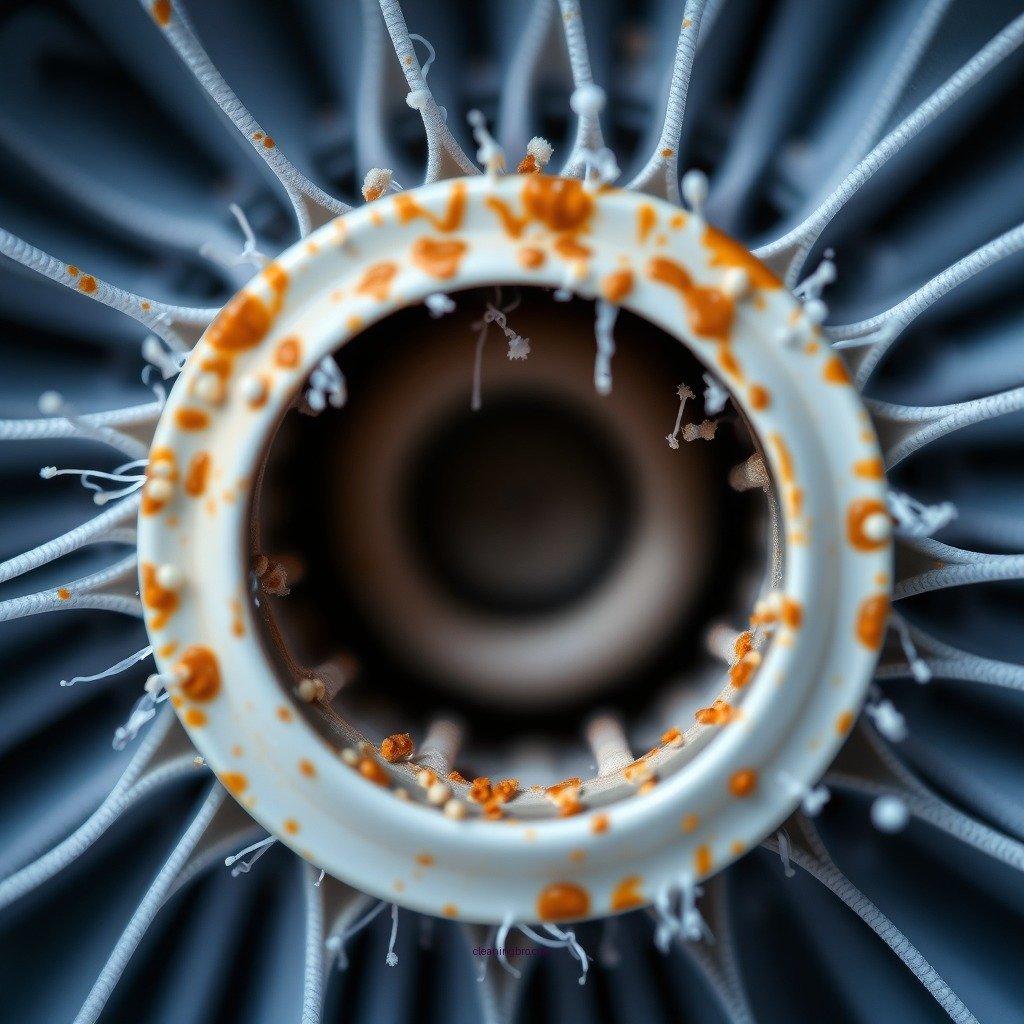
Monitoring the performance of your pool filter can help you determine when it needs cleaning. Look for these signs:
– Reduced Water Flow: If you notice a significant drop in water circulation or pressure, this may indicate that your filter is clogged. This reduction in flow can lead to water quality issues, making it essential to check and clean the filter promptly.
– Increased Pressure: High pressure readings on the filter gauge suggest that the filter is working harder than it should be, typically due to a buildup of dirt and debris. If your gauge reads 8-10 psi higher than normal, it’s time to clean your filter.
Cleaning Methods for Pool Filters
There are different methods for cleaning pool filters, depending on their type:
– Backwashing: This method is primarily used for sand filters. To backwash, simply turn the valve to reverse the water flow, allowing debris to be expelled. It’s a straightforward process but should be done carefully to avoid losing too much water.
– Hose Cleaning: For cartridge filters, a simple hose cleaning is effective. Remove the cartridge and use a garden hose to spray off dirt and debris. Pay special attention to the pleated sections, as these can trap a significant amount of contaminants. Consider soaking the cartridge in a cleaning solution every few months for a deeper clean.
Maintenance Tips for Optimal Performance
To ensure your filters operate efficiently, consider these maintenance tips:
– Regular Monitoring: Make it a habit to check the pressure gauges weekly. Keeping an eye on these readings can help you catch issues early and maintain optimal water circulation.
– Schedule Routine Maintenance: Establish a cleaning schedule based on your pool’s specific usage and environmental conditions. This proactive approach will save you time and effort in the long run, ensuring your pool remains clean and inviting.
Professional vs. DIY Cleaning
When it comes to cleaning your pool filters, you have two main options: do it yourself or hire a professional service.
– DIY Cleaning: Cleaning your pool filters on your own can be cost-effective and allows for flexibility in scheduling. However, it requires a basic understanding of the equipment and proper cleaning techniques to avoid damaging the filters.
– Professional Services: Hiring professionals can be beneficial for those with complex filtering systems or for those who are unsure about maintenance procedures. Professionals can provide thorough cleaning and maintenance services, ensuring all aspects of your pool filtration system are functioning optimally.
Top 7 Pool Filter Types and Their Maintenance Schedule (2024)
| # | Filter Type | Cleaning Frequency | Average Lifespan | Cost Range |
|---|---|---|---|---|
| 1 | Sand Filter | Every 4-6 weeks | 5-10 years | $200-$600 |
| 2 | Cartridge Filter | Every 2-4 weeks | 2-4 years | $100-$300 |
| 3 | Diatomaceous Earth Filter | Every 4-6 weeks | 5-7 years | $400-$1,200 |
| 4 | Pre-Filter | Every month | 2-3 years | $50-$150 |
| 5 | Saltwater Filter | Every 4-6 weeks | 5-10 years | $200-$800 |
| 6 | Inline Filters | Every month | 2-5 years | $100-$400 |
| 7 | Vacuum Filters | Every use | 1-3 years | $150-$500 |
Maintenance Frequency of Pool Filters (2024)
Sand Filter vs Cartridge Filter vs Diatomaceous Earth Filter: Full Comparison
| Feature | ⭐ Sand Filter | Cartridge Filter | Diatomaceous Earth Filter |
|---|---|---|---|
| Price | $200-$600 | $100-$300 | $400-$1,200 |
| Cleaning Frequency | Every 4-6 weeks | Every 2-4 weeks | Every 4-6 weeks |
| Average Lifespan | 5-10 years | 2-4 years | 5-7 years |
| Maintenance Cost | Low | Moderate | High |
| Effectiveness | ✅ Good | ✅ Excellent | ✅ Best-in-class |
| Ease of Use | Moderate | Easy | Moderate |
| Clogging Risk | Low | Moderate | High |
| Environmental Impact | Low | Moderate | High |
| Compatibility | Widely compatible | Compatible with various systems | Requires specific systems |
| 🏆 Best For | Budget-conscious users | Low-maintenance pools | High-efficiency filtration |
To summarize, maintaining a regular cleaning schedule for pool filters is crucial for water clarity and equipment longevity. Assess your pool’s specific needs and environmental factors to determine the best cleaning routine. For optimal results, consider developing a maintenance plan or consulting with a professional service. By doing so, you ensure that your pool remains a safe and enjoyable space for relaxation and recreation.
Frequently Asked Questions
How often should you clean pool filters?
You should clean your pool filters at least every 4 to 6 weeks during the swimming season. However, if your pool is heavily used or surrounded by trees and debris, you may need to clean them more frequently, possibly every 2 to 3 weeks, to maintain optimal water clarity and chemical balance.
What are the signs that my pool filter needs cleaning?
Common signs that your pool filter needs cleaning include a significant increase in the pressure gauge reading, poor water circulation, and cloudy water despite proper chemical treatment. Additionally, if you notice that your pool’s water doesn’t seem to be clearing up after regular maintenance, it may be time to clean the filters.
Why is it important to clean pool filters regularly?
Regular cleaning of pool filters is crucial for maintaining water quality and ensuring the efficiency of your pool’s filtration system. Clogged filters can lead to increased energy consumption, higher chemical use, and even damage to the pool equipment, which can result in costly repairs.
What is the best method to clean different types of pool filters?
The best method to clean pool filters depends on the type: for cartridge filters, remove and rinse them with a hose; for sand filters, backwash according to the manufacturer’s instructions; and for DE filters, you will need to remove and clean the grids, then recharge with DE powder. Regular maintenance of each filter type helps ensure long-lasting performance and cleaner pool water.
Which pool filter cleaning products are recommended?
Recommended pool filter cleaning products include filter cleaners specifically designed for cartridge and DE filters, which help break down oils and organic debris. Look for biodegradable and environmentally friendly options to keep your pool safe while ensuring effective cleaning. Regular use of these products can enhance the lifespan and efficiency of your pool filters.
References
- https://www.cdc.gov/healthywater/swimming/pools/index.html
https://www.cdc.gov/healthywater/swimming/pools/index.html - https://www.mayoclinic.org/healthy-lifestyle/healthy-home/expert-answers/pool-cleaning/faq-20057900
https://www.mayoclinic.org/healthy-lifestyle/healthy-home/expert-answers/pool-cleaning/faq-20057900 - https://www.epa.gov/healthywater/drinkingwater/publications/healthier-pools.html
https://www.epa.gov/healthywater/drinkingwater/publications/healthier-pools.html - https://www.who.int/news-room/fact-sheets/detail/safe-water
https://www.who.int/news-room/fact-sheets/detail/safe-water - https://www.sciencedirect.com/topics/engineering/pool-filter
https://www.sciencedirect.com/topics/engineering/pool-filter - https://www.britannica.com/science/pool
https://www.britannica.com/science/pool - https://www.poolandspa.com/pool-filter-maintenance
https://www.poolandspa.com/pool-filter-maintenance - Google Scholar Google Scholar
https://scholar.google.com/scholar?q=how+often+should+you+clean+pool+filters - Google Scholar Google Scholar
https://scholar.google.com/scholar?q=pool+filter+maintenance+frequency - Google Scholar Google Scholar
https://scholar.google.com/scholar?q=cleaning+pool+filters+health+guidelines