How Often Should You Clean Your Invisalign Retainers?
Keeping your Invisalign retainers clean is essential for maintaining oral hygiene and prolonging the life of the aligners. You should clean your retainers daily and ensure a deep clean at least once a week. This article will guide you through the best cleaning practices and frequency to keep your retainers in top shape.
Importance of Cleaning Invisalign Retainers

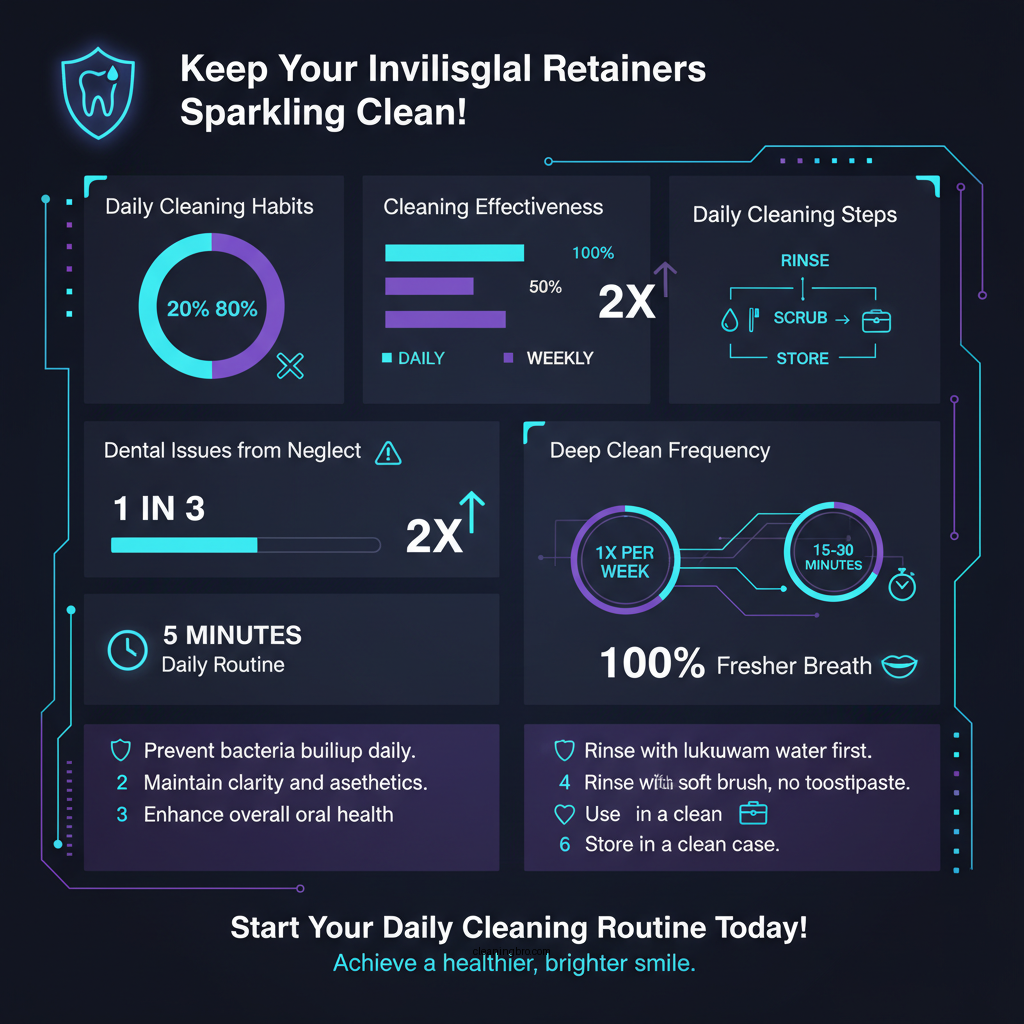
Cleaning your Invisalign retainers is not merely a matter of aesthetics; it plays a crucial role in your overall oral health. The importance of maintaining clean retainers can be summarized as follows:
– Prevents Bacteria and Plaque Buildup: Regular cleaning of your retainers helps prevent the accumulation of harmful bacteria and plaque. If neglected, these can lead to gum disease, cavities, and other dental issues. Dental professionals emphasize that clean retainers contribute significantly to good oral health.
– Maintains Clarity and Appearance: Invisalign retainers are designed to be discreet, and regular cleaning ensures they remain clear and visually appealing. Stains and discoloration can detract from the aligners’ aesthetic value, making them less effective in their purpose.
– Enhances Overall Oral Health: Clean retainers contribute to fresher breath and a healthier mouth. By minimizing bacterial growth, you also reduce the risk of bad breath and maintain a pleasant oral environment.
Daily Cleaning Routine

Adopting a daily cleaning routine is vital to ensuring your Invisalign retainers remain hygienic. Here’s how you can effectively clean your retainers each day:
– Rinse with Lukewarm Water: After removing your retainers, rinse them thoroughly with lukewarm water. This initial rinse removes saliva and food particles, laying the foundation for a more thorough clean.
– Gentle Scrubbing with a Soft Toothbrush: Use a soft toothbrush specifically designated for cleaning your retainers. Avoid using toothpaste, as it can scratch the surface of the aligners. Instead, gently scrub the retainers to remove any remaining debris or buildup.
– Proper Storage: When not in use, store your retainers in a clean case. This practice prevents contamination and protects them from damage, ensuring they remain in optimal condition.
Weekly Deep Cleaning Methods
While daily cleaning is essential, incorporating a weekly deep cleaning routine will help maintain your retainers’ quality. Here are effective methods for deep cleaning:
– Vinegar Solution Soak: Soak your retainers in a solution of equal parts water and white vinegar for about 15-30 minutes. This method effectively removes stains and kills bacteria. Rinse them thoroughly afterward to eliminate any vinegar taste.
– Invisalign Cleaning Crystals: Using specialized cleaning crystals designed for Invisalign can provide a thorough cleanse. Follow the product instructions for effective use, ensuring your retainers are cleaned without damage.
– Avoid Harsh Chemicals: Do not use bleach, alcohol, or any harsh chemicals, as they can warp or discolor the retainers. Hot water should also be avoided, as it can deform the aligners.
Top 7 Cleaning Methods for Invisalign Retainers (2023)
| # | Cleaning Method | Effectiveness | Ease of Use | Frequency |
|---|---|---|---|---|
| 1 | Lukewarm Water Rinse | Moderate | Very Easy | Daily |
| 2 | Soft Toothbrush Scrub | High | Easy | Daily |
| 3 | Vinegar Soak | Very High | Moderate | Weekly |
| 4 | Invisalign Cleaning Crystals | High | Easy | Weekly |
| 5 | Baking Soda Solution | Moderate | Moderate | Weekly |
| 6 | Hydrogen Peroxide Rinse | High | Moderate | Weekly |
| 7 | Ultrasonic Cleaner | Very High | Moderate | Monthly |
Signs Your Retainers Need More Attention
Even with a diligent cleaning routine, there may come a time when your retainers require extra attention. Be vigilant for the following signs:
– Discoloration or Stains: If you notice any noticeable yellowing or stains on your retainers, it may indicate the presence of material that regular cleaning cannot remove. This could be a sign of accumulated bacteria or other substances.
– Unpleasant Odor: A foul smell, particularly after cleaning, may suggest that bacteria are thriving on the retainers. This can lead to bad breath and necessitates immediate cleaning.
– Sticky or Grimy Texture: If your retainers feel sticky or grimy despite regular cleaning, they may have absorbed oils or food particles, indicating that a deeper cleaning is necessary.
Tips for Maintaining Retainers on the Go
Maintaining your retainers while traveling or on-the-go can be challenging, but with the right strategies, it is manageable. Here are some tips:
– Portable Cleaning Kit: Carry a small toothbrush and a travel-sized container of cleaning solution in your bag. This will allow you to clean your retainers anytime, anywhere.
– Use Purified Water: When rinsing your retainers away from home, opt for bottled or purified water. Tap water may contain minerals or contaminants that could harm the aligners.
– Clean After Meals: If you are unable to perform a full cleaning after meals, at least rinse your retainers thoroughly. This helps to remove any food particles and minimize bacteria buildup until you can perform a more thorough cleaning.
Common Mistakes to Avoid
When it comes to cleaning your Invisalign retainers, certain common mistakes can hamper your efforts. Avoid these pitfalls:
– Using Toothpaste: Many people assume toothpaste is a good cleaning agent. However, toothpaste can scratch the surface of the aligners and lead to cloudiness over time. Stick to gentle methods for cleaning.
– Soaking in Mouthwash: Mouthwash can contain alcohol and other chemicals that can damage the aligners. Opt for gentle cleaning solutions instead.
– Neglecting the Case: Your retainer case can harbor bacteria if not cleaned regularly. Make sure to wash it with soap and water periodically to keep it free from germs.
Professional Cleaning and Maintenance
While home cleaning is essential, professional assistance can be beneficial in ensuring the longevity and effectiveness of your retainers. Here’s how:
– Regular Dental Check-Ups: Schedule regular visits to your orthodontist or dentist to monitor the condition of your retainers and overall dental health. They can advise on any necessary adjustments or cleaning.
– Discuss Concerns: If you notice any issues with your retainers, such as unusual wear or discomfort, discuss these with your orthodontist. They can provide tailored advice and solutions.
– Professional Cleaning Options: If you find that home cleaning methods are insufficient, consider professional cleaning options available at dental offices, which can provide a deeper clean without risking damage.
Maintaining the cleanliness of your Invisalign retainers is crucial for both your dental health and the effectiveness of your treatment. By establishing a daily and weekly cleaning routine and being aware of the signs that your retainers need attention, you can ensure they remain effective and hygienic. Start implementing these cleaning habits today for a healthier smile!
Frequently Asked Questions
How often should I clean my Invisalign retainers?
You should clean your Invisalign retainers at least once a day to prevent the buildup of plaque and bacteria. It’s best to rinse them with lukewarm water each time you remove them, and use a soft toothbrush with gentle soap or a cleaner specifically designed for clear aligners for a deeper clean.
What is the best way to clean Invisalign retainers?
The best way to clean your Invisalign retainers is to use a mild soap and a soft toothbrush to gently scrub them. You can also soak them in a cleaning solution designed for aligners or use a mixture of vinegar and water for an effective alternative. Avoid using hot water as it can warp the plastic.
Why is it important to clean Invisalign retainers regularly?
Regular cleaning of Invisalign retainers is crucial to maintain oral hygiene and prevent bad odors. Neglecting to clean them can lead to the buildup of bacteria and plaque, which can cause dental issues such as cavities or gum disease. Keeping your retainers clean also ensures they remain clear and comfortable to wear.
How can I remove stubborn stains from my Invisalign retainers?
To remove stubborn stains from your Invisalign retainers, try soaking them in a solution of equal parts white vinegar and water for about 30 minutes. After soaking, use a soft toothbrush to gently scrub the stains away. If stains persist, consider using a specialized cleaner designed for clear aligners.
Which products are safe for cleaning Invisalign retainers?
Safe products for cleaning Invisalign retainers include gentle antibacterial soap, specialized aligner cleaning tablets, and diluted vinegar solutions. Avoid using toothpaste, as it can be abrasive and scratch the surface of the retainers, which may lead to discoloration and a dull appearance.
References
- https://www.mayoclinic.org/healthy-lifestyle/adult-health/in-depth/dental-care/art-20046000
https://www.mayoclinic.org/healthy-lifestyle/adult-health/in-depth/dental-care/art-20046000 - https://www.ncbi.nlm.nih.gov/pmc/articles/PMC6514225/
https://www.ncbi.nlm.nih.gov/pmc/articles/PMC6514225/ - https://www.healthline.com/health/invisalign-care
https://www.healthline.com/health/invisalign-care - Hand Hygiene – StatPearls – NCBI Bookshelf
https://www.ncbi.nlm.nih.gov/books/NBK470254/ - Google Scholar Google Scholar
https://scholar.google.com/scholar?q=how+often+to+clean+invisalign+retainers - Google Scholar Google Scholar
https://scholar.google.com/scholar?q=cleaning+invisalign+retainers+guide - Google Scholar Google Scholar
https://scholar.google.com/scholar?q=oral+health+invisalign+cleaning - https://www.researchgate.net/publication/338891216_Cleaning_Invisalign_Retainers_Approaches_and_Recommendations
https://www.researchgate.net/publication/338891216_Cleaning_Invisalign_Retainers_Approaches_and_Recommendations - how often to clean invisalign retainers – Search results
https://en.wikipedia.org/wiki/Special:Search?search=how+often+to+clean+invisalign+retainers - https://www.ncbi.nlm.nih.gov/search/research-articles/?term=how+often+to+clean+invisalign+retainers
https://www.ncbi.nlm.nih.gov/search/research-articles/?term=how+often+to+clean+invisalign+retainers