How Often Should You Clean Your Shotgun: A Practical Guide
Understanding the Importance of Cleaning
Cleaning your shotgun is vital for several reasons. First and foremost, it prevents rust and corrosion, which can lead to significant damage over time. Moisture and residues from gunpowder, lead, and other materials can accumulate in the barrel and other components, creating an environment conducive to rust formation. Regular cleaning removes these harmful elements, extending the life of your firearm.
Moreover, consistent maintenance ensures reliable performance during use. A clean shotgun is less likely to experience malfunctions or jams, which can be particularly critical in hunting or competitive shooting scenarios where every shot counts. When you clean your shotgun regularly, you also maintain optimal accuracy, as debris can affect the precision of your shots.
Factors Influencing Cleaning Frequency
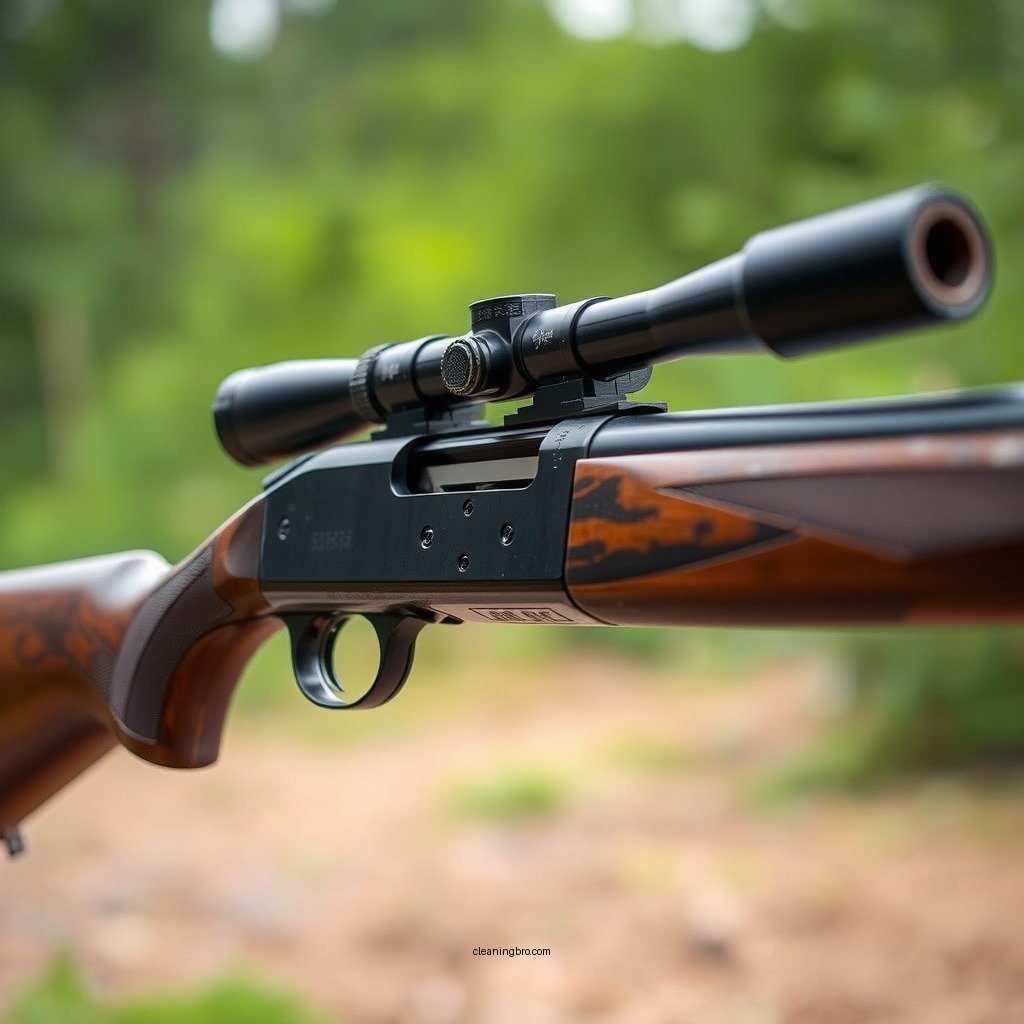
Several factors can influence how often you should clean your shotgun:
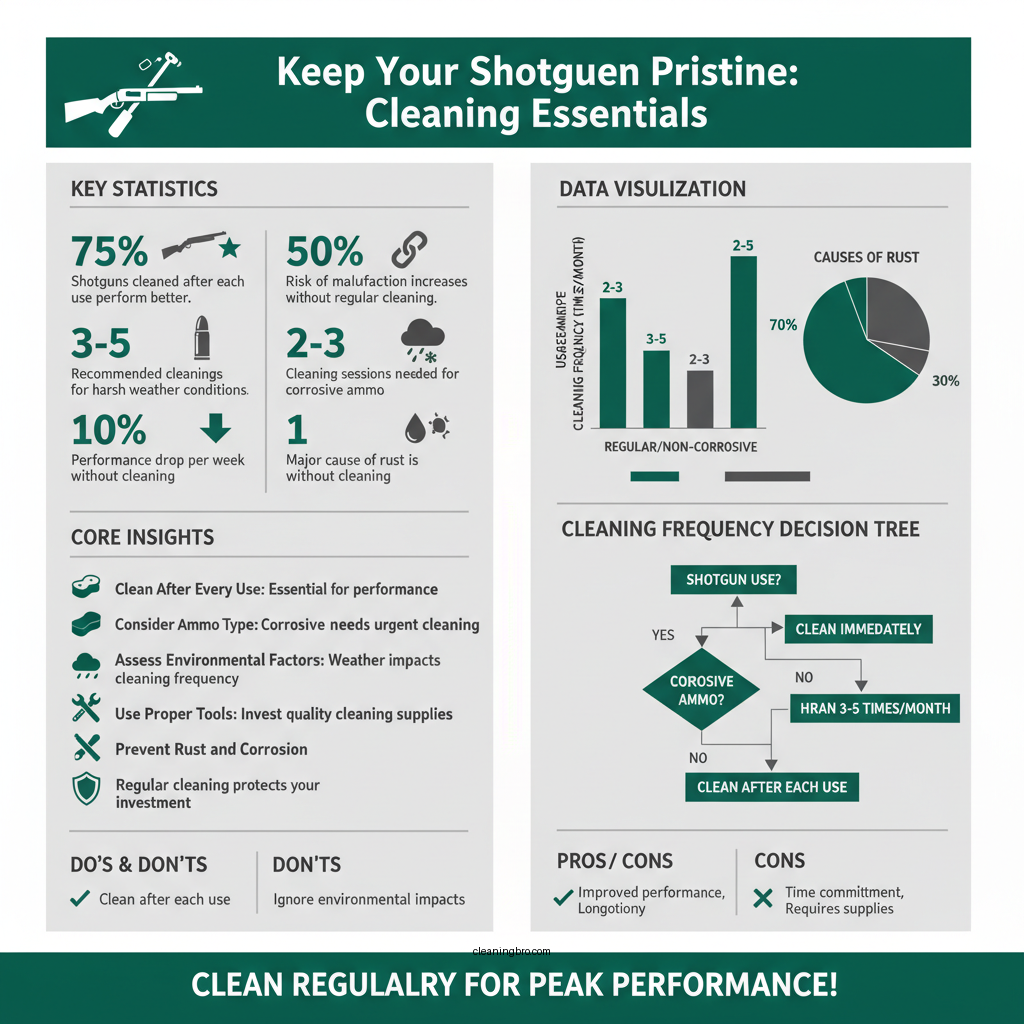
– Frequency of Use: If you frequently use your shotgun, particularly in harsh conditions or during extended shooting sessions, it will require more frequent cleaning. Regular exposure to dirt, moisture, and firing will necessitate a thorough cleaning routine.
– Type of Ammunition: The type of ammunition you use can also dictate your cleaning frequency. Corrosive or dirty ammunition will leave more residue and fouling in your shotgun, meaning you might need to clean it immediately after use. In contrast, high-quality, non-corrosive ammo may allow for slightly longer intervals between cleaning sessions.
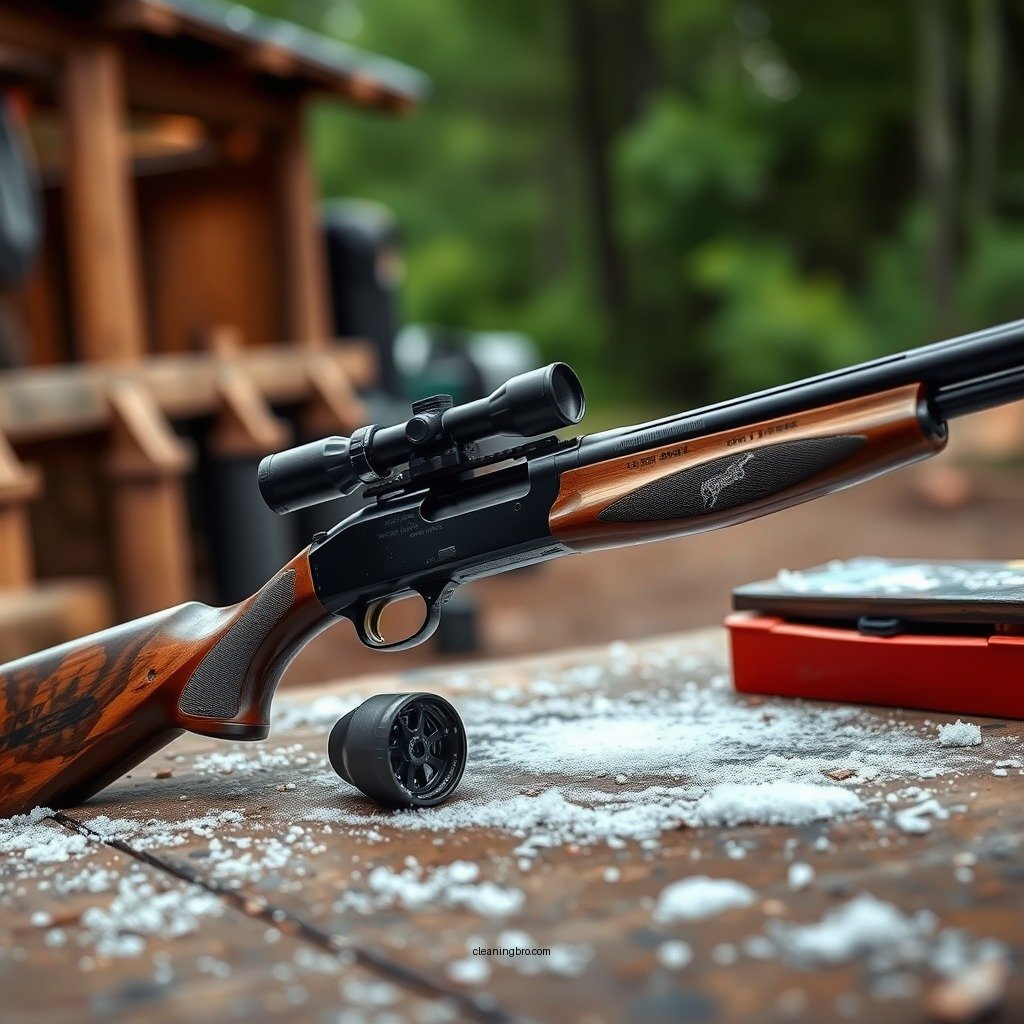
– Environmental Conditions: If you are shooting in adverse weather conditions, such as rain or snow, your shotgun will likely require more frequent cleaning. Moisture can lead to rust, and dirt can accumulate more quickly in these environments.
Essential Cleaning Tools and Supplies

To properly clean your shotgun, you will need a few essential tools and supplies:
– Cleaning Rod and Patches: A cleaning rod is used to push patches through the barrel, effectively removing debris and fouling. Ensure that the cleaning rod is appropriately sized for your shotgun to avoid any damage.
– Gun Oil and Solvent: Gun oil is crucial for lubrication, while a solvent is necessary for breaking down fouling and residues. A good quality solvent will help dissolve carbon and lead deposits, making the cleaning process more effective.
– Bore Brushes and Chamber Brushes: These brushes help scrub away stubborn deposits from the bore and chamber. Make sure to choose brushes that are compatible with your shotgun’s gauge.
– Lint-free Cloths: These are ideal for wiping down external surfaces, ensuring that no lint or fibers are left behind to interfere with the shotgun’s operation.
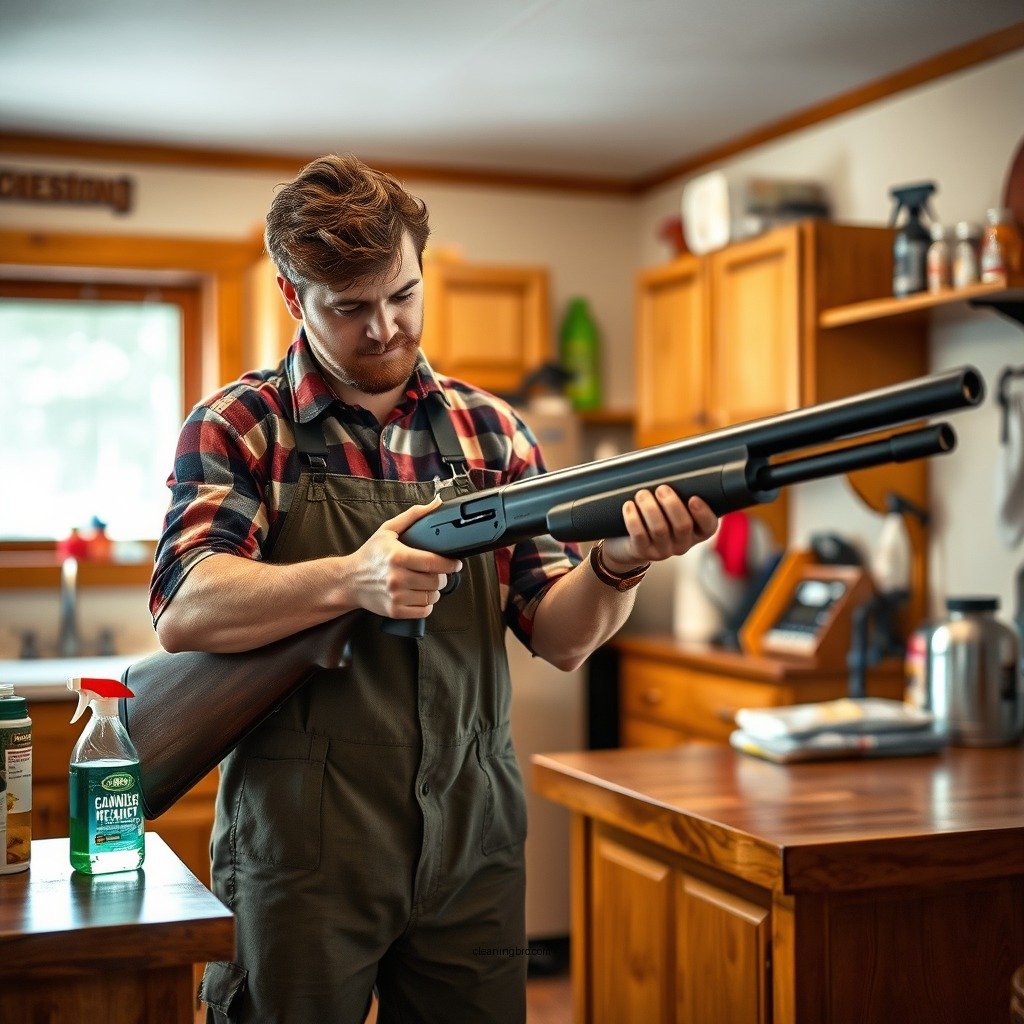
– Protective Gloves: Using gloves can help keep your hands clean and prevent any oils or solvents from damaging your skin.
Step-by-Step Cleaning Process
Cleaning your shotgun can be broken down into a systematic process:
1. Disassemble the Shotgun: Follow the manufacturer’s instructions to safely disassemble your shotgun. Ensure that you remove the barrel and any other components that require cleaning.
2. Clean the Barrel Thoroughly: Using a cleaning rod, attach a patch soaked in solvent and push it through the barrel from the breach to the muzzle. Repeat this process with clean patches until they come out clean. Use a bore brush if necessary to scrub away stubborn fouling.
3. Clean the Action and Other Components: Use a brush and solvent to clean the action, chamber, and other parts of the shotgun. Pay special attention to any areas where dirt and debris may accumulate.
4. Lubricate Moving Parts: Apply a light coat of gun oil to all moving parts to ensure smooth operation. Avoid over-lubricating, as excess oil can attract dirt.
5. Reassemble the Shotgun: Once all parts are clean and dry, carefully reassemble your shotgun according to the manufacturer’s instructions.
6. Final Wipe Down: Use a lint-free cloth to wipe down the exterior of the shotgun to remove any remaining dirt or fingerprints.
Signs Your Shotgun Needs Cleaning
Knowing when your shotgun needs cleaning is essential for maintaining its performance. Here are some signs to watch for:
– Difficulty in Loading or Firing: If you experience resistance when loading shells or notice misfires, it could indicate a build-up of debris inside the shotgun.
– Visible Fouling or Residue: If you can see dirt, carbon build-up, or any residue on the exterior or within the action, it’s a clear sign that maintenance is overdue.
– Inconsistent Accuracy: If your shots are straying off target, it may be due to fouling in the barrel affecting accuracy. Regular cleaning can help maintain precision.
Long-term Maintenance Tips
To ensure the longevity of your shotgun, consider these long-term maintenance tips:
– Store Your Shotgun Properly: Always store your shotgun in a dry, cool place to prevent moisture accumulation. A quality gun safe or cabinet is advisable to protect against humidity and temperature fluctuations.
– Perform a Deep Clean Periodically: Even if the shotgun hasn’t been used in a while, it’s wise to perform a deep clean every few months. This means thoroughly cleaning the barrel, action, and all components to remove any potential build-up.
– Inspect Regularly: Regularly inspect your shotgun for any signs of wear or damage. Look for rust, loose parts, or any other issues that might require attention.
Professional Services vs. DIY Cleaning
When it comes to cleaning your shotgun, you have two main options: professional cleaning services or DIY maintenance.
– Benefits of Professional Cleaning: Utilizing professional cleaning services can be beneficial for complex issues. Trained gunsmiths can thoroughly inspect and clean your shotgun, ensuring that any underlying problems are addressed. This option is particularly advisable for vintage or high-end firearms requiring specialized care.
– DIY Cleaning: On the other hand, DIY cleaning is a cost-effective approach that allows you to maintain your shotgun regularly. By following proper cleaning techniques, you can ensure your firearm remains in excellent condition and develop a deeper understanding of its mechanics.
Ultimately, the choice between professional services and DIY cleaning will depend on your level of expertise and the specific needs of your shotgun.
Top 7 Shotgun Manufacturers by Popularity (2024)
| # | Brand | Model | Gauge | Popularity Rating |
|---|---|---|---|---|
| 1 | Remington | 870 | 12 | ★★★★☆ |
| 2 | Mossberg | 500 | 12 | ★★★★☆ |
| 3 | Benelli | Super Black Eagle | 12 | ★★★★★ |
| 4 | Browning | Citori | 12 | ★★★★☆ |
| 5 | Beretta | A400 | 12 | ★★★★☆ |
| 6 | Winchester | SXP | 12 | ★★★★☆ |
| 7 | Stoeger | M3000 | 12 | ★★★☆☆ |
Shotgun Cleaning Kits Comparison
| Feature | ⭐ Pro Shotgun Cleaning Kit | Hoppes 9 Cleaning Kit | Birchwood Casey Kit |
|---|---|---|---|
| Price | $29.99 | $24.99 | $19.99 |
| Includes Oil | ✅ | ✅ | ✅ |
| Includes Solvent | ✅ | ✅ | ❌ |
| Bore Brush Included | ✅ | ✅ | ✅ |
| Number of Patches | 50 | 25 | 20 |
| Carrying Case | ✅ | ❌ | ✅ |
| Suitable for All Gauges | ✅ | ❌ | ✅ |
| Multi-purpose Kit | ✅ | ❌ | ✅ |
| User Rating | ★★★★☆ | ★★★☆☆ | ★★★☆☆ |
| 🏆 Best For | All-round cleaning | Budget-friendly | Compact kit |
Maintaining your shotgun through regular cleaning is essential for its performance and longevity. By following these guidelines and understanding the factors that influence cleaning frequency, you can ensure your firearm remains in optimal condition. Make cleaning a habit, and consider investing in professional services if needed for thorough care. Remember, a well-maintained shotgun not only enhances your shooting experience but also ensures your safety and reliability on the field.
Frequently Asked Questions
How often should you clean your shotgun after use?
You should clean your shotgun after every use, especially if you’ve fired a large number of rounds or used it in harsh conditions. Regular cleaning helps prevent rust, buildup of residue, and ensures optimal performance. Even if you haven’t shot it, a periodic cleaning every few months is advisable to maintain its condition.
What is the best way to clean a shotgun?
The best way to clean a shotgun involves disassembling it according to the manufacturer’s instructions, then using a cleaning rod, bore brush, and patches to clean the barrel. Apply a suitable gun solvent to remove fouling, followed by oiling the moving parts to prevent corrosion. Always ensure you use the right tools and products specific for shotguns to avoid damage.
Why is it important to clean your shotgun regularly?
Regular cleaning of your shotgun is crucial to maintain its reliability and longevity. Residue from gunpowder and moisture can lead to rust and malfunction if not addressed. Additionally, a clean shotgun ensures better accuracy and safety during use, as it prevents jams and other operational issues.
Which cleaning products are best for shotguns?
The best cleaning products for shotguns include a high-quality gun cleaning solvent, a bore cleaner specifically designed for shotguns, and lubricating oils that offer protection against rust. Brands like Hoppe’s, Break-Free, and CLP are popular choices among firearm enthusiasts. Be sure to select products that are non-toxic and safe for the environment.
How do I know if my shotgun needs cleaning?
You can tell your shotgun needs cleaning if you notice a buildup of carbon, dirt, or oil on the barrel and action, or if it becomes less smooth when cycling. If you experience misfires or jams more frequently, it’s also a sign that it’s time for a thorough cleaning. Regular inspections after each use can help determine when it’s necessary to clean your shotgun.
References
- Shotgun
https://en.wikipedia.org/wiki/Shotgun - NRA-ILA | Home
https://www.nraila.org/articles/20200930/how-often-should-you-clean-your-gun - https://www.sciencedirect.com/topics/agricultural-and-biological-sciences/shotgun
https://www.sciencedirect.com/topics/agricultural-and-biological-sciences/shotgun - https://www.bbc.com/news/magazine-24810969
https://www.bbc.com/news/magazine-24810969 - https://www.theguardian.com/sport/2020/feb/03/how-to-clean-your-gun
https://www.theguardian.com/sport/2020/feb/03/how-to-clean-your-gun - https://www.nytimes.com/2021/10/03/sports/shooting-sports.html
https://www.nytimes.com/2021/10/03/sports/shooting-sports.html - https://pubmed.ncbi.nlm.nih.gov/25005741/
https://pubmed.ncbi.nlm.nih.gov/25005741/ - https://www.nrahlf.org/articles/cleaning-your-gun-how-often-is-enough/
https://www.nrahlf.org/articles/cleaning-your-gun-how-often-is-enough/ - Google Scholar Google Scholar
https://scholar.google.com/scholar?q=how+often+should+you+clean+your+shotgun - Google Scholar Google Scholar
https://scholar.google.com/scholar?q=shotgun+cleaning+frequency