How Often to Clean a Suppressor: Essential Guidelines
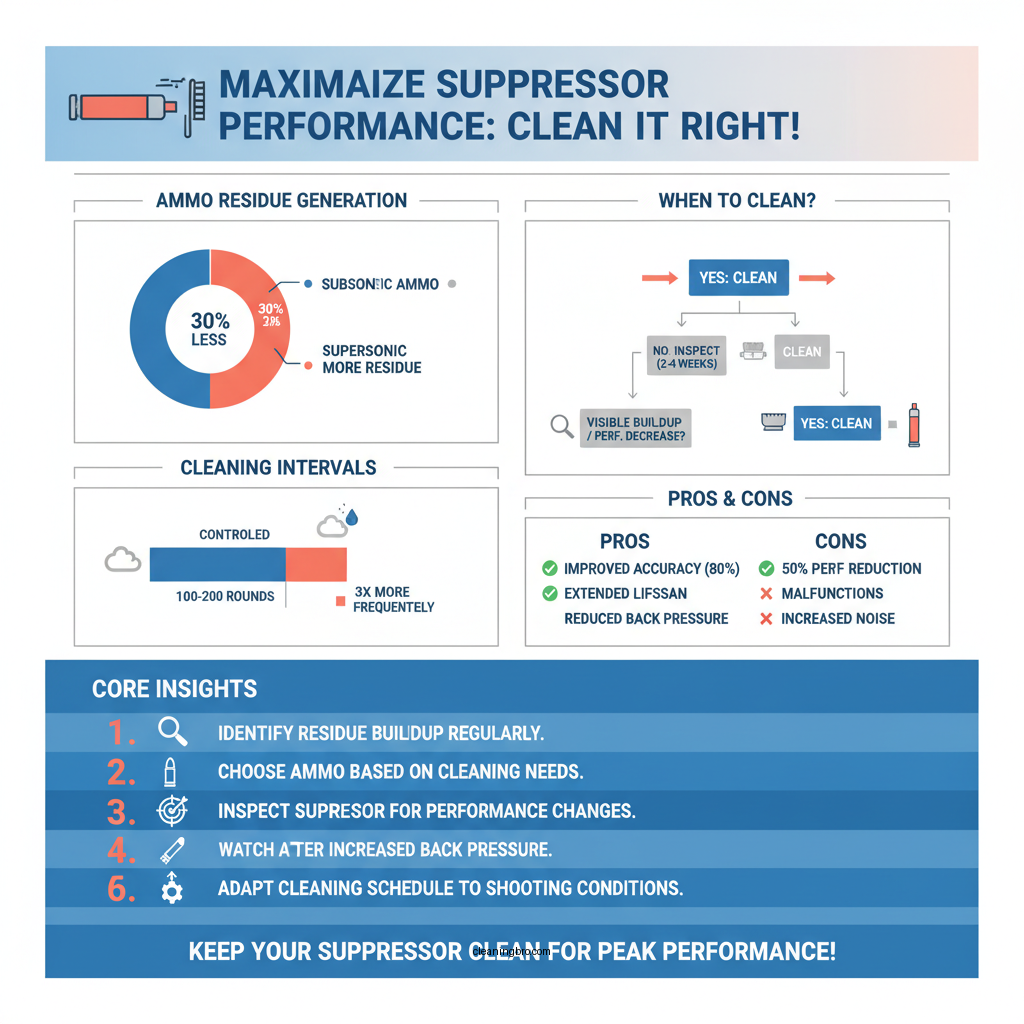
Cleaning a suppressor is crucial for maintaining optimal performance and longevity, and it should generally be done every 100-200 rounds of ammunition fired. However, factors such as the type of ammunition used and the environment in which you shoot can influence this frequency. This article will guide you through understanding when and how to clean your suppressor effectively, ensuring it remains in peak condition for every shooting session.
Understanding Suppressor Functionality
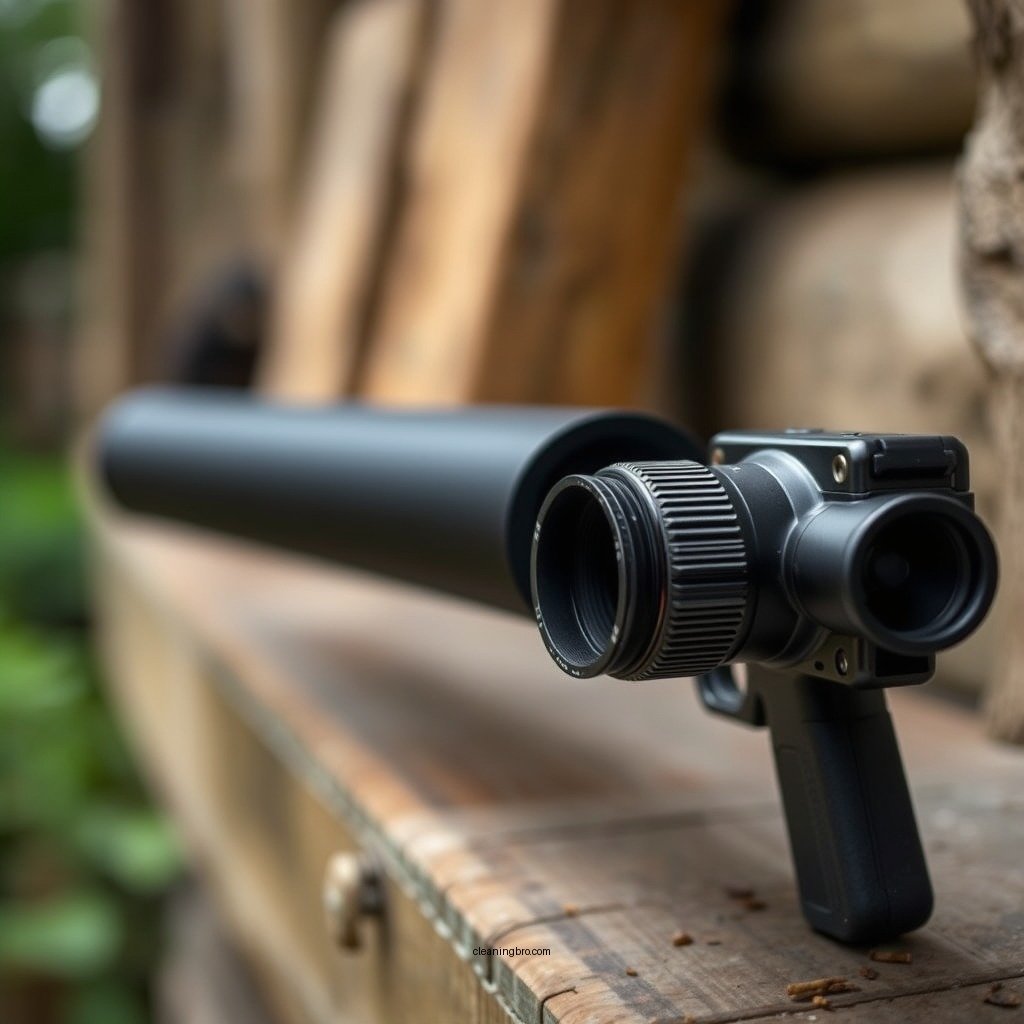
Suppressors, also known as silencers, are designed to reduce the noise generated when a firearm is discharged. They accomplish this by slowing down and cooling the high-pressure gases that exit the muzzle. When a bullet is fired, a significant amount of gas is rapidly expelled, creating a loud bang. Suppressors mitigate this by allowing the gases to expand and cool before they exit the muzzle, resulting in a quieter shot.
However, the effectiveness of a suppressor can diminish over time due to the buildup of residue from fired ammunition. This residue primarily consists of carbon, lead, and other particulates that accumulate in the suppressor’s internal components. If left uncleaned, this buildup can lead to increased back pressure, reduced accuracy, and a louder noise signature, ultimately compromising the suppressor’s performance. Therefore, regular cleaning is essential for preserving the integrity and functionality of your suppressor.
Factors Influencing Cleaning Frequency

Several factors can influence how often you should clean your suppressor:
– Type of ammunition: The kind of ammunition used plays a significant role in determining the cleaning frequency. For instance, subsonic ammunition typically generates less gas and residue compared to supersonic ammunition, resulting in a cleaner suppressor over time. If you primarily use subsonic rounds, you may extend your cleaning intervals.
– Environmental conditions: The conditions in which you shoot can also affect residue accumulation. If you frequently shoot in dusty or wet environments, you may find that dirt and moisture contribute to more rapid buildup, necessitating more frequent cleaning. Conversely, shooting in controlled environments can help maintain a cleaner suppressor.
Signs That Your Suppressor Needs Cleaning
Understanding when your suppressor requires cleaning is vital for maintaining its performance. Here are some signs to look out for:
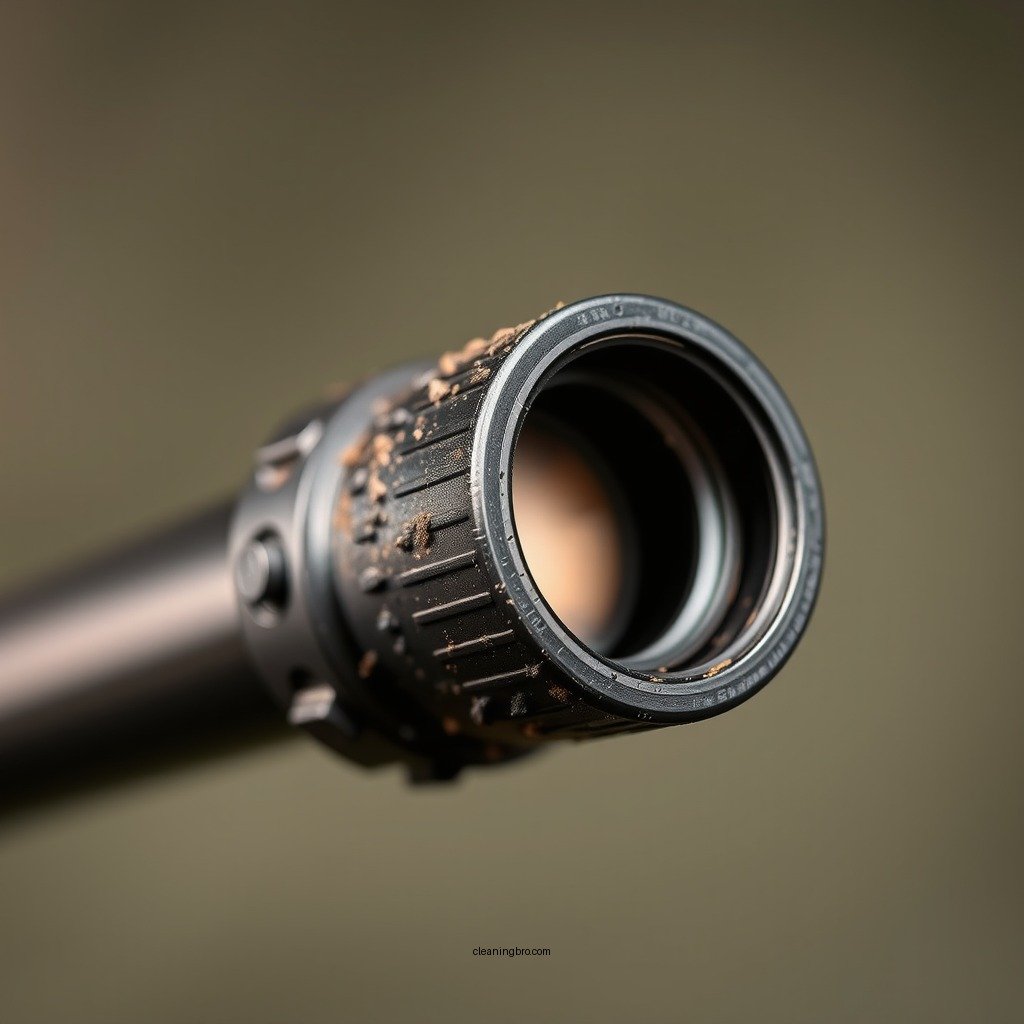
– Decreased performance: If you notice an increase in back pressure or hear louder shots than usual, these could be indicators that your suppressor is in need of cleaning. A sudden change in the sound signature can often signal excessive buildup.
– Visible buildup: Regularly inspecting your suppressor can help you identify carbon fouling and debris. If you see noticeable residue or discoloration on the exterior, it’s a good indication that the interior may also be in need of a thorough cleaning.
Cleaning Tools and Materials
When it comes to cleaning your suppressor, having the right tools and materials is essential. Here’s a list of recommended items:
– Recommended tools:
– Cleaning rod
– Brushes (nylon or bronze)
– Solvent specifically designed for suppressors
– Cotton swabs or patches
– Safety gear: Always wear gloves and eye protection during the cleaning process to protect yourself from chemicals and debris. Also, ensure you work in a well-ventilated area to avoid inhaling harmful fumes.
Step-by-Step Cleaning Process
Cleaning a suppressor can be straightforward if you follow the manufacturer’s instructions. Here’s a step-by-step guide:
1. Disassemble the suppressor: Carefully follow the manufacturer’s guidelines to disassemble your suppressor. This will typically involve unscrewing the end caps and removing the internal baffles.
2. Clean the internal baffles and tube: Using a cleaning rod and brush, scrub the inside of the suppressor thoroughly. Apply a solvent to break down carbon deposits and lead buildup. Be sure to clean each baffle individually, as this is where most of the residue accumulates.
3. Rinse and dry: After cleaning, rinse the components with warm water to remove any solvent residue. Dry all parts completely to prevent rust or corrosion, especially if your suppressor is made of steel.
4. Reassemble and lubricate: Once dry, reassemble the suppressor according to the manufacturer’s instructions. You may want to apply a light coat of oil to any threaded areas to ensure smooth operation.
Maintenance Tips for Longevity
To ensure your suppressor has a long life and optimal performance, consider the following maintenance tips:
– Store your suppressor properly: Keep your suppressor in a dry, clean environment to minimize dirt buildup. A protective case can help shield it from dust and moisture.
– Regular inspections: Conduct routine inspections for signs of wear or damage. Look for cracks, dents, or excessive wear on threads. Addressing these issues early can prevent more significant problems down the line.
– Use appropriate ammunition: Choosing high-quality ammunition can reduce the amount of residue produced. Avoid using cheap or substandard rounds that may generate excessive fouling.
Common Mistakes to Avoid
While cleaning your suppressor is essential, there are common pitfalls you should avoid:
– Over-cleaning: Excessive cleaning can wear down internal components and threads. It’s essential to strike a balance between ensuring cleanliness and avoiding overzealous scrubbing.
– Ignoring manufacturer guidelines: Each suppressor model has specific cleaning and maintenance recommendations. Always consult the manufacturer’s guidelines to ensure you’re not inadvertently damaging the suppressor.
Top 7 Suppressor Models by Popularity and Features (2024)
| # | Model | Weight | Length | Material | Noise Reduction |
|---|---|---|---|---|---|
| 1 | AAC Ti-RANT 9M | 6.4 oz | 7.75 in | Titanium | 34 dB |
| 2 | SilencerCo Omega 9K | 7.5 oz | 5.1 in | Stainless Steel | 40 dB |
| 3 | Dead Air Sandman-S | 7.0 oz | 7.5 in | Stainless Steel | 34 dB |
| 4 | Rugged Obsidian 9 | 8.0 oz | 7.8 in | Aluminum | 35 dB |
| 5 | Sig Sauer SRD 9 | 7.3 oz | 6.6 in | Aluminum | 32 dB |
| 6 | YHM Turbo K | 8.2 oz | 6.8 in | Aluminum | 36 dB |
| 7 | Q Erector | 7.0 oz | 7.0 in | Aluminum | 33 dB |
AAC Ti-RANT 9M vs SilencerCo Omega 9K vs Dead Air Sandman-S
| Feature | ⭐ AAC Ti-RANT 9M | SilencerCo Omega 9K | Dead Air Sandman-S |
|---|---|---|---|
| Weight | 6.4 oz | 7.5 oz | 7.0 oz |
| Length | 7.75 in | 5.1 in | 7.5 in |
| Material | Titanium | Stainless Steel | Stainless Steel |
| Noise Reduction | 34 dB | 40 dB | 34 dB |
| Caliber Compatibility | 9mm | 9mm / .300 BLK | 5.56mm / .308 Win |
| Disassembly | Easy | Easy | Moderate |
| Price Range | $900 | $1,000 | $800 |
| Warranty | Lifetime | Lifetime | Lifetime |
| User Ratings | ★★★★☆ | ★★★★★ | ★★★★☆ |
| 🏆 Best For | Tactical shooting | Versatile use | Precision shooting |
Regular cleaning of your suppressor every 100-200 rounds is essential for maintaining its effectiveness and ensuring longevity. By understanding the signs of buildup, using the proper tools, and avoiding common mistakes, you can keep your suppressor in top condition. Proper maintenance not only enhances performance but also extends the life of your investment. For additional insights or to share your own cleaning experiences, please engage in the comments below.
Frequently Asked Questions
How often should I clean my suppressor?
The frequency of cleaning your suppressor largely depends on usage. For regular shooters, it’s recommended to clean the suppressor every 300 rounds or after a day of heavy shooting. If you use subsonic ammunition or shoot less frequently, you can extend the cleaning interval, but regular maintenance is crucial to ensure optimal performance.
What is the best way to clean a suppressor?
The best way to clean a suppressor involves disassembling it (if applicable) and using a dedicated cleaning solution designed for firearm accessories. Soaking the parts in this solution can help break down carbon buildup, followed by scrubbing with a brush and rinsing thoroughly. Always ensure the suppressor is completely dry before reassembly to prevent any moisture-related issues.
Why is it important to clean my suppressor regularly?
Regular cleaning of your suppressor is important to maintain its performance and longevity. Carbon buildup can lead to increased back pressure, which may affect accuracy and reliability. Additionally, neglecting to clean your suppressor can result in permanent damage, requiring costly repairs or replacement.
Which tools do I need to clean my suppressor effectively?
To clean your suppressor effectively, you’ll need a few essential tools: a cleaning rod, brushes (nylon or brass), a cleaning solvent specifically for suppressors, and microfiber cloths. Some shooters also recommend using a bore snake for thorough cleaning. Investing in quality tools will help ensure a more efficient and effective cleaning process.
How do I know when my suppressor needs cleaning?
You can tell your suppressor needs cleaning when you notice a decrease in its sound suppression effectiveness, increased recoil, or a change in your firearm’s accuracy. Additionally, if you see significant carbon buildup or hear unusual noises while firing, it’s a clear sign that cleaning is overdue. Regular inspection after each use will help you identify these issues promptly.
References
- https://en.wikipedia.org/wiki/Suppressor_(firearms
https://en.wikipedia.org/wiki/Suppressor_(firearms - https://www.sciencedirect.com/topics/engineering/suppressor
https://www.sciencedirect.com/topics/engineering/suppressor - https://www.ncbi.nlm.nih.gov/pmc/articles/PMC5801568/
https://www.ncbi.nlm.nih.gov/pmc/articles/PMC5801568/ - https://www.ncbi.nlm.nih.gov/pmc/articles/PMC3042669/
https://www.ncbi.nlm.nih.gov/pmc/articles/PMC3042669/ - https://journals.sagepub.com/doi/abs/10.1177/1550059410380397
https://journals.sagepub.com/doi/abs/10.1177/1550059410380397 - Google Scholar Google Scholar
https://scholar.google.com/scholar?q=how+often+to+clean+suppressor - Google Scholar Google Scholar
https://scholar.google.com/scholar?q=suppressor+cleaning+frequency - Vitamin C (Ascorbic Acid) – StatPearls – NCBI Bookshelf
https://www.ncbi.nlm.nih.gov/books/NBK499877/ - https://www.bbc.com/news/technology-38119885
https://www.bbc.com/news/technology-38119885 - how often to clean suppressor – Search results
https://en.wikipedia.org/wiki/Special:Search?search=how+often+to+clean+suppressor