How to Clean a Beer Tap Line: A Step-by-Step Guide
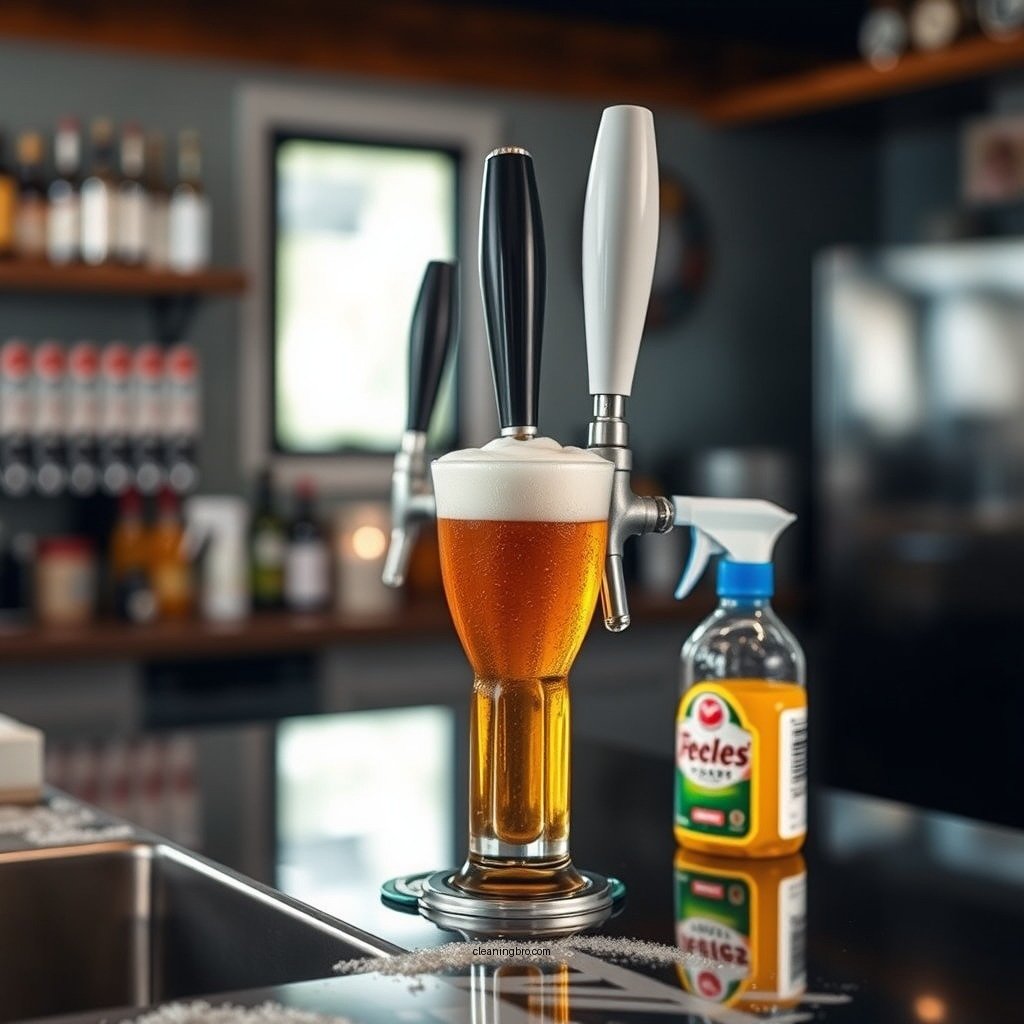
Cleaning a beer tap line is crucial for ensuring the quality and taste of your beer. Regular cleaning eliminates build-up and bacteria, which can compromise the flavor and aroma of the beer you serve. In this guide, you’ll learn the best practices for efficiently cleaning your beer tap line, ensuring a fresh and crisp pour every time.
Why Cleaning Your Beer Tap Line is Important
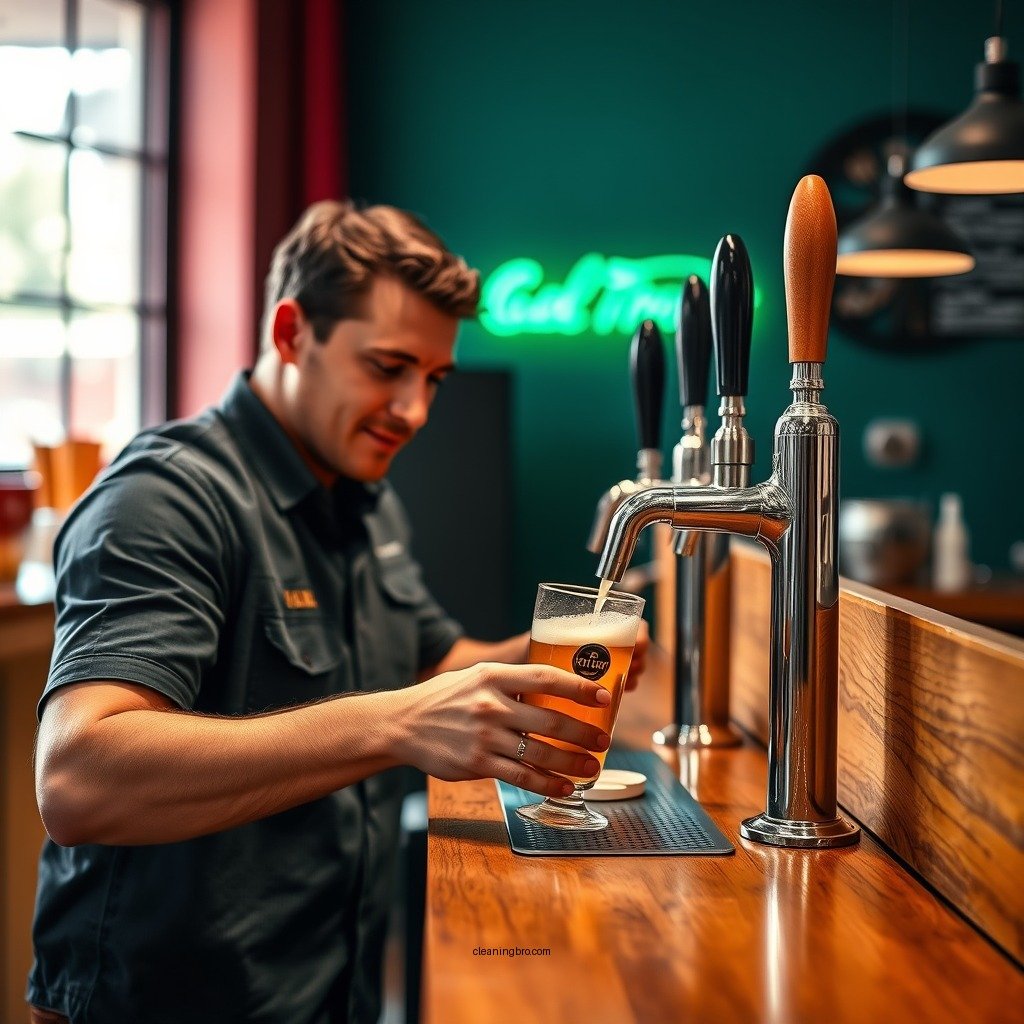
Cleaning your beer tap line is not just a matter of hygiene; it directly affects the quality of the beer served. Over time, residue from beer can accumulate in the lines, leading to off-flavors and unpleasant odors. Additionally, these residues can harbor bacteria, which pose health risks and can alter the taste of your beer.
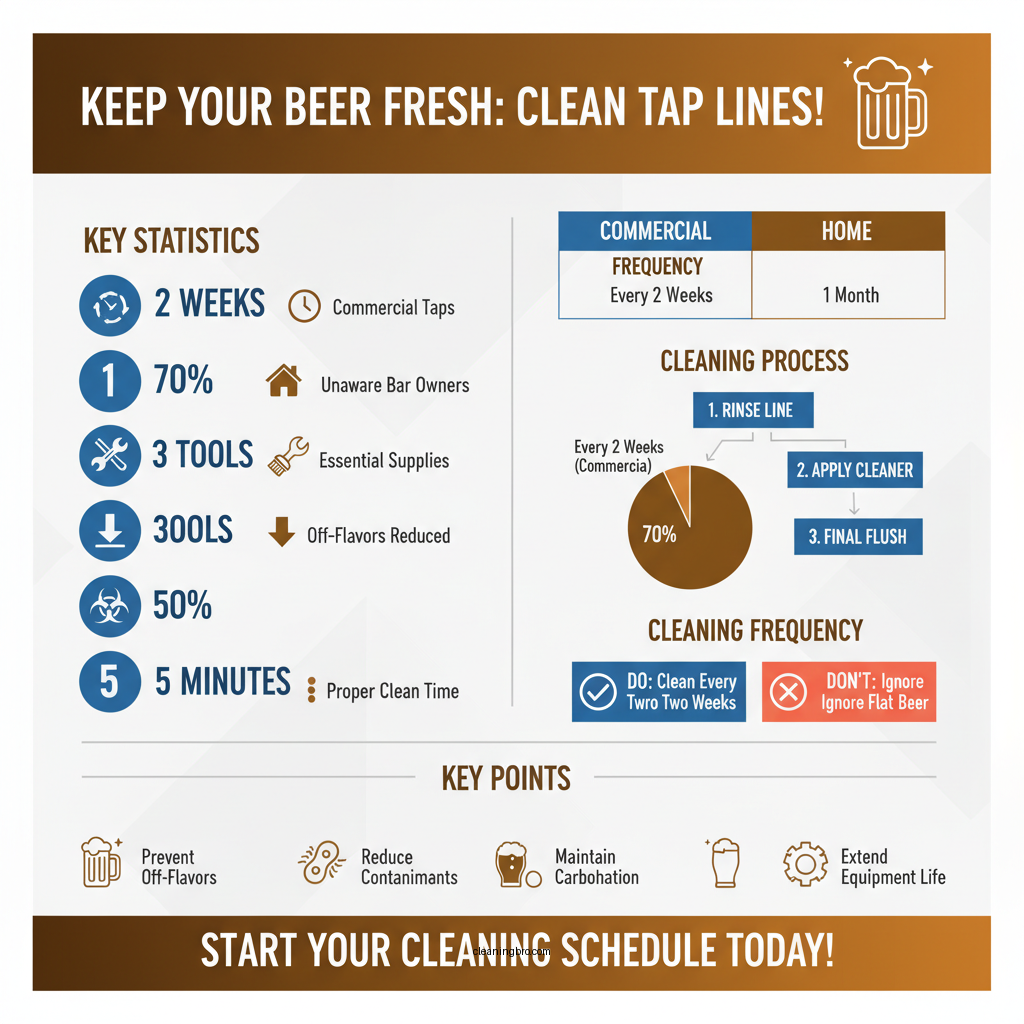
– Prevents Off-Flavors and Odors: Residue build-up can lead to stale tasting beer, negatively impacting the drinking experience. Regular cleaning ensures a fresh taste.
– Reduces Contamination Risk: Bacteria thrive in damp environments, and unclean lines can lead to contamination, potentially causing health issues.
– Maintains Carbonation Integrity: A clean line ensures that the beer retains its intended carbonation level, providing the right mouthfeel and experience for the drinker.
When to Clean Your Beer Tap Line
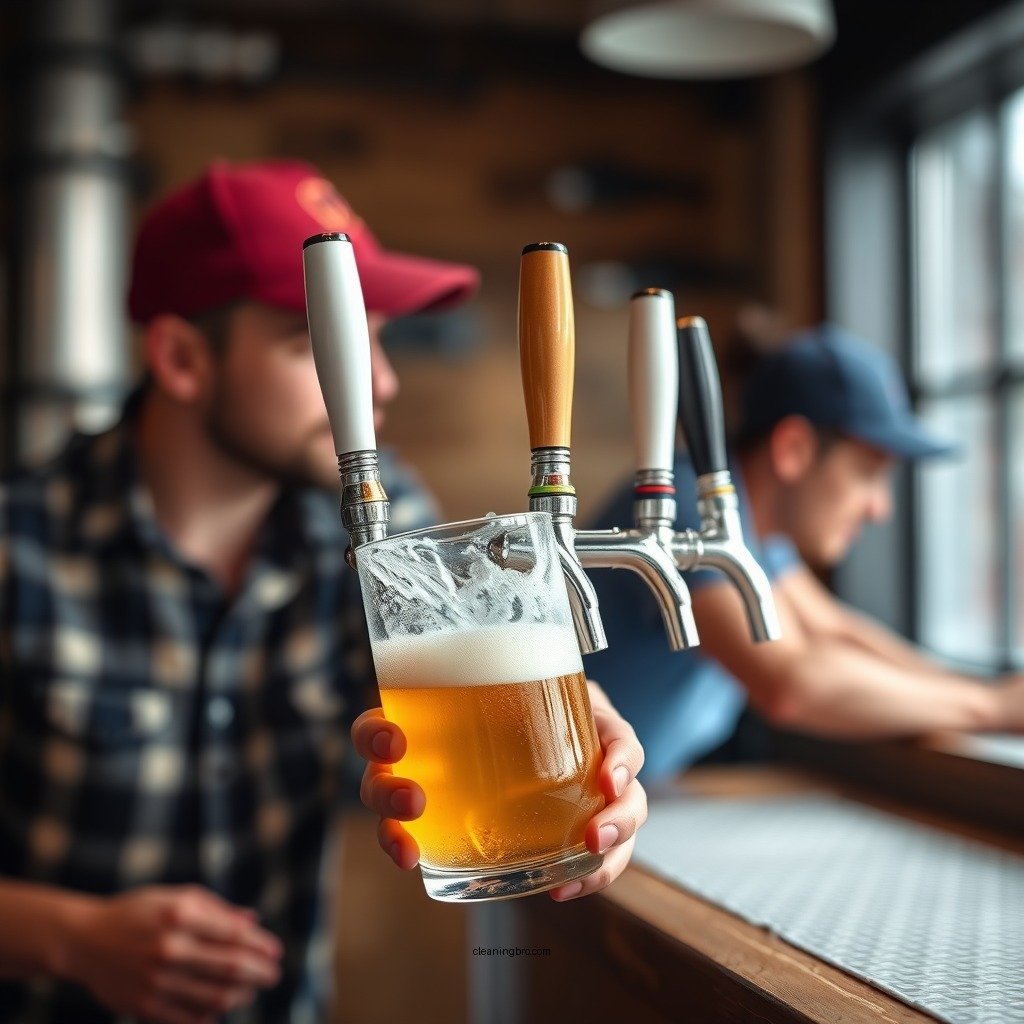
Establishing a cleaning schedule is essential for both commercial and home setups. The frequency of cleaning can depend on usage level and the beer type being served.
– Suggested Frequency: For commercial setups, lines should ideally be cleaned every two weeks, whereas home setups may require cleaning every month, or more frequently if the tap is used often.
– Signs That Indicate Cleaning Is Needed: If you notice flat beer, unusual flavors, or any off-putting odors, it’s time to clean your lines. A sudden decrease in beer quality is often a clear signal.
– Importance of Regular Maintenance: Regular maintenance not only ensures better tasting beer but can also extend the life of your tap equipment, saving you costs in repairs and replacements.
Tools and Supplies Needed
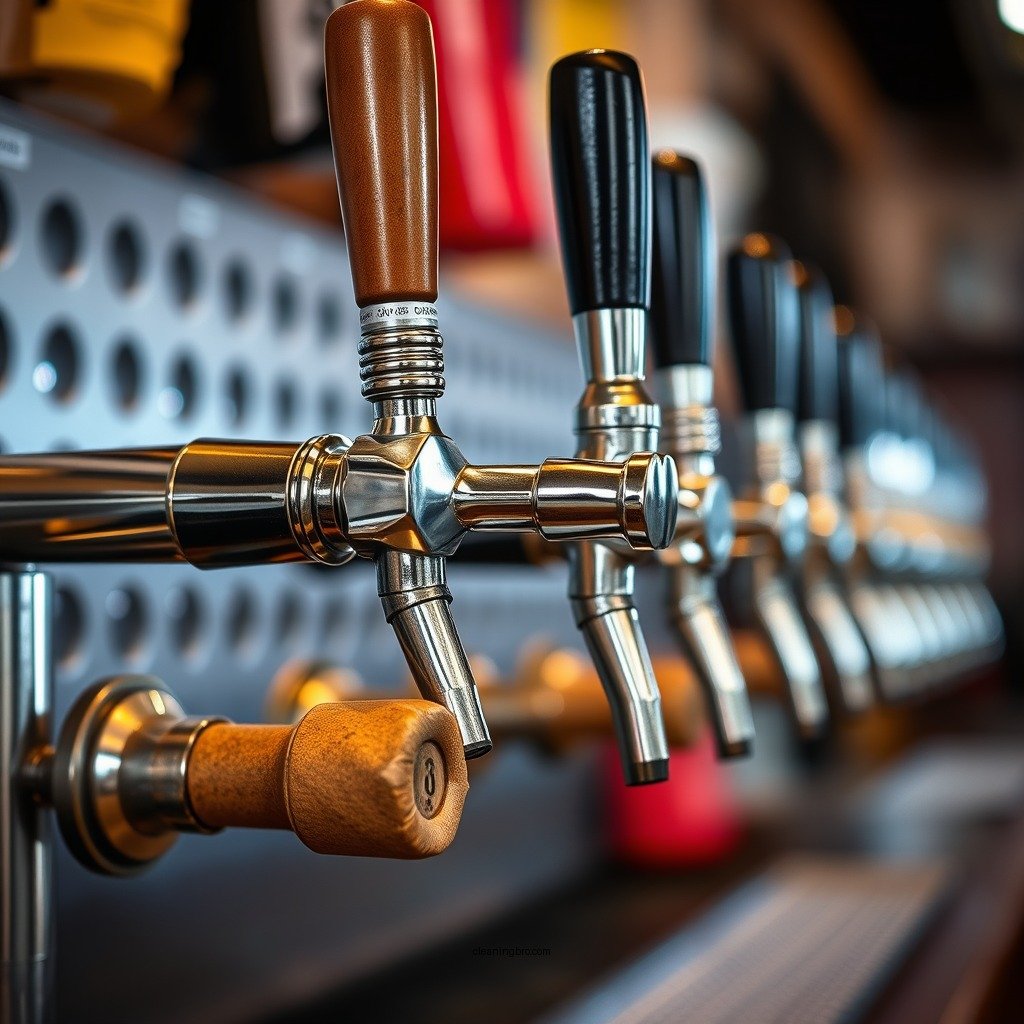
To effectively clean your beer tap line, you’ll need specific tools and cleaning supplies. Using the right equipment can significantly improve your cleaning results.
Essential Cleaning Supplies
1. Cleaning Solution: A specialized beer line cleaning solution is essential. Look for products that are safe for use with your type of lines (e.g., stainless steel or plastic).
2. Brushes: A line cleaning brush helps remove stubborn residue from the inside of the lines.
3. Bucket: A clean bucket is necessary for mixing the cleaning solution and rinsing.
4. Disconnect Tool: This tool helps safely disconnect the beer lines from the tap and keg.
Recommendations
– Cleaning Kits: Consider purchasing a complete beer line cleaning kit, which often includes all the necessary tools and solutions for optimal cleaning.
– Specific Products: Brands like BLC and Star San are highly rated for their effectiveness in cleaning beer lines.
Top 7 Beer Line Cleaning Products (2024)
| # | Product | Type | Size | User Rating |
|---|---|---|---|---|
| 1 | BLC Beer Line Cleaner | Liquid | 32 oz | ★★★★☆ |
| 2 | Star San | Foam | 16 oz | ★★★★★ |
| 3 | Line Cleaner Brush | Tool | 1 pc | ★★★★☆ |
| 4 | Cleaning Kit Pro | Kit | 1 kit | ★★★★★ |
| 5 | PBW Cleaner | Powder | 1 lb | ★★★★☆ |
| 6 | Keg O’s Cleaning Kit | Kit | 1 kit | ★★★★★ |
| 7 | BrewClean | Liquid | 64 oz | ★★★★☆ |
Step-by-Step Cleaning Process
Cleaning your beer tap line can be done in a few straightforward steps. Here’s a detailed guide for you to follow:
1. Disconnect the Beer Line: Start by safely disconnecting the beer line from the tap and keg using the disconnect tool. Make sure to have a bucket underneath to catch any residual beer.
2. Prepare the Cleaning Solution: In a clean bucket, mix the cleaning solution according to the manufacturer’s instructions. Typically, this means diluting the solution with water.
3. Flush the Lines: Attach the cleaning solution to the beer line. Using a pump or CO2 source, flush the solution through the line, ensuring it runs through the tap and into the bucket. This should typically take a few minutes.
4. Brush the Lines: Use the line cleaning brush to scrub inside the lines, focusing on areas where residue may accumulate. This step is crucial for removing stubborn build-up.
5. Rinse Thoroughly: After the cleaning solution has been flushed, rinse the lines with clean water multiple times to ensure no cleaning solution remains. This step is vital to prevent any cleaning agent from affecting the beer’s taste.
6. Reconnect the Lines: Once the lines are rinsed and dried, reconnect the beer line to the tap and keg.
7. Run a Test Pour: Before serving, run a small amount of beer through the tap to ensure everything is functioning correctly and the taste is as expected.
Common Mistakes to Avoid
Avoiding common pitfalls can make your cleaning process more effective and efficient. Here are some mistakes to steer clear of:
– Overlooking Certain Parts of the System: Ensure every component, including couplers and faucets, is cleaned. Neglecting any part can lead to contamination.
– Using Incorrect Cleaning Solutions: Always use products specifically designed for beer lines. Household cleaners can leave residues that are harmful.
– Neglecting to Rinse Thoroughly: Failing to rinse the lines completely can leave cleaning solution residues, affecting the flavor of your beer.
Tips for Maintaining Clean Tap Lines
To keep your tap lines in optimal condition, consider implementing these maintenance tips:
– Best Practices for Regular Maintenance: Establish a routine cleaning schedule based on usage. Daily checks should include visual inspections for leaks and build-up.
– Keep the Tap Area Dry: Moist environments encourage bacterial growth, so ensure the area around the tap is clean and dry.
– Regularly Monitor Beer Quality: Always taste test your beer after cleaning. If you notice any off-flavors, it may indicate residual cleaning solution or build-up.
Final Thoughts on Beer Tap Line Maintenance
A clean beer tap line is essential for serving quality beer. Regular cleaning not only enhances the flavor and aroma of your beer but also ensures your equipment remains in good condition. Establishing a routine cleaning schedule can significantly improve the overall drinking experience for you and your guests. We encourage you to share your own tips or experiences in the comments below, as community feedback is invaluable for maintaining the best practices in beer tap line maintenance. By following this guide, you can ensure that your beer tap line remains clean and your beer stays fresh.
Frequently Asked Questions
How often should I clean my beer tap lines?
It is recommended to clean your beer tap lines every 2 weeks to ensure optimal taste and quality. Regular cleaning helps prevent the buildup of yeast, bacteria, and beerstone, which can negatively impact flavor and lead to clogs. Consistent maintenance ensures a fresh pour and enhances the overall drinking experience.
What supplies do I need to clean beer tap lines effectively?
To clean beer tap lines effectively, you will need a cleaning solution specifically designed for beer systems, a keg coupler, a cleaning brush, and a bucket or sink. Additionally, having gloves and sanitizing wipes on hand can help maintain cleanliness during the process. Using the right tools ensures a thorough and efficient cleaning job.
Why is it important to clean beer tap lines?
Cleaning beer tap lines is crucial because it prevents off-flavors caused by bacteria and residues that accumulate over time. Neglecting to clean the lines can lead to poor beer quality, unpleasant tastes, and even health risks. Regular maintenance preserves the integrity of your beer and keeps customers satisfied.
What is the best method for cleaning beer tap lines?
The best method for cleaning beer tap lines involves using a specialized beer line cleaner and following a step-by-step process. First, disconnect the keg and attach the cleaning solution to the tap. Flush the lines with the cleaner for about 15-20 minutes, then rinse with water to remove any residue. This method ensures a thorough clean and maximizes beer quality.
Which cleaning solution is most effective for beer tap lines?
The most effective cleaning solutions for beer tap lines are those specifically formulated for draft beer systems, such as alkaline-based cleaners. These solutions effectively dissolve organic matter and buildup within the lines. Always follow the manufacturer’s instructions to achieve the best results and maintain the integrity of your beer system.
References
- https://www.britannica.com/technology/draught-beer
https://www.britannica.com/technology/draught-beer - https://pubmed.ncbi.nlm.nih.gov/24615681/
https://pubmed.ncbi.nlm.nih.gov/24615681/ - https://www.ncbi.nlm.nih.gov/pmc/articles/PMC4316264/
https://www.ncbi.nlm.nih.gov/pmc/articles/PMC4316264/ - https://www.cdc.gov/healthywater/drinking/cleaning_beer_taps.html
https://www.cdc.gov/healthywater/drinking/cleaning_beer_taps.html - https://www.sciencedirect.com/topics/food-science/beer-line-cleaning
https://www.sciencedirect.com/topics/food-science/beer-line-cleaning - https://www.nature.com/articles/s41598-020-69299-5
https://www.nature.com/articles/s41598-020-69299-5 - Google Scholar Google Scholar
https://scholar.google.com/scholar?q=cleaning+beer+tap+lines - Google Scholar Google Scholar
https://scholar.google.com/scholar?q=beer+tap+sanitation - Google Scholar Google Scholar
https://scholar.google.com/scholar?q=maintenance+of+beer+dispensing+systems - Google Scholar Google Scholar
https://scholar.google.com/scholar?q=how+to+clean+a+beer+tap+line