How to Clean a Boat Gas Tank: Step-by-Step Guide
Cleaning a boat gas tank is crucial for ensuring optimal engine performance and preventing fuel contamination. By regularly maintaining your gas tank, you can avoid costly repairs and enhance the longevity of your boat’s fuel system. In this guide, we will provide you with a comprehensive, step-by-step process to clean your gas tank effectively, ensuring it’s free of debris, algae, and other harmful contaminants.
Understanding the Importance of a Clean Gas Tank
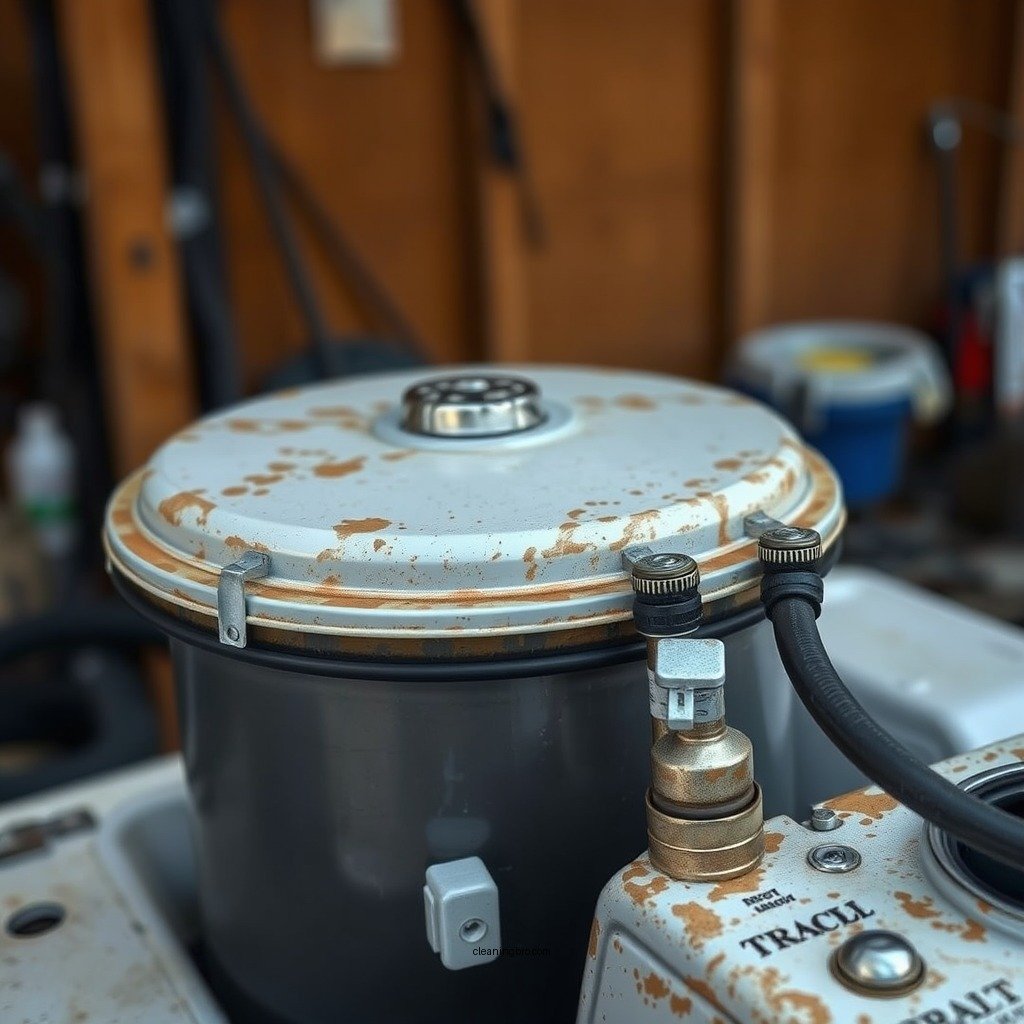
A clean gas tank is essential for several reasons. Firstly, it prevents engine problems caused by fuel contamination, which can lead to poor performance, stalling, or even engine failure. Dirt, rust, and algae buildup can clog fuel filters and injectors, causing the engine to work harder than necessary, which ultimately reduces its lifespan.
Regular maintenance of the gas tank can extend the life of your boat’s fuel system. By removing contaminants, you not only improve engine efficiency but also prevent potential safety hazards associated with fuel leaks or combustion issues. Furthermore, maintaining a clean gas tank contributes to better fuel economy, allowing you to enjoy more time on the water without frequent stops for refueling.
Safety Precautions Before You Start
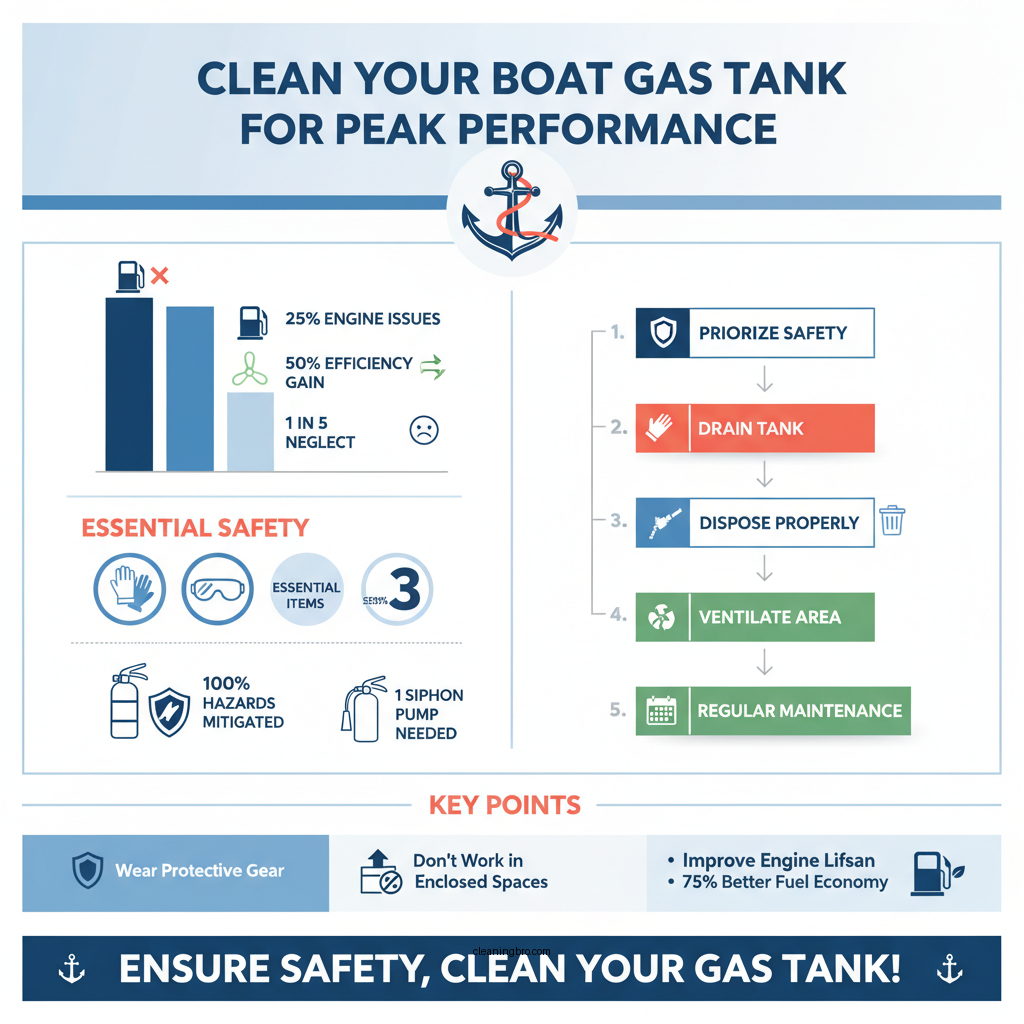
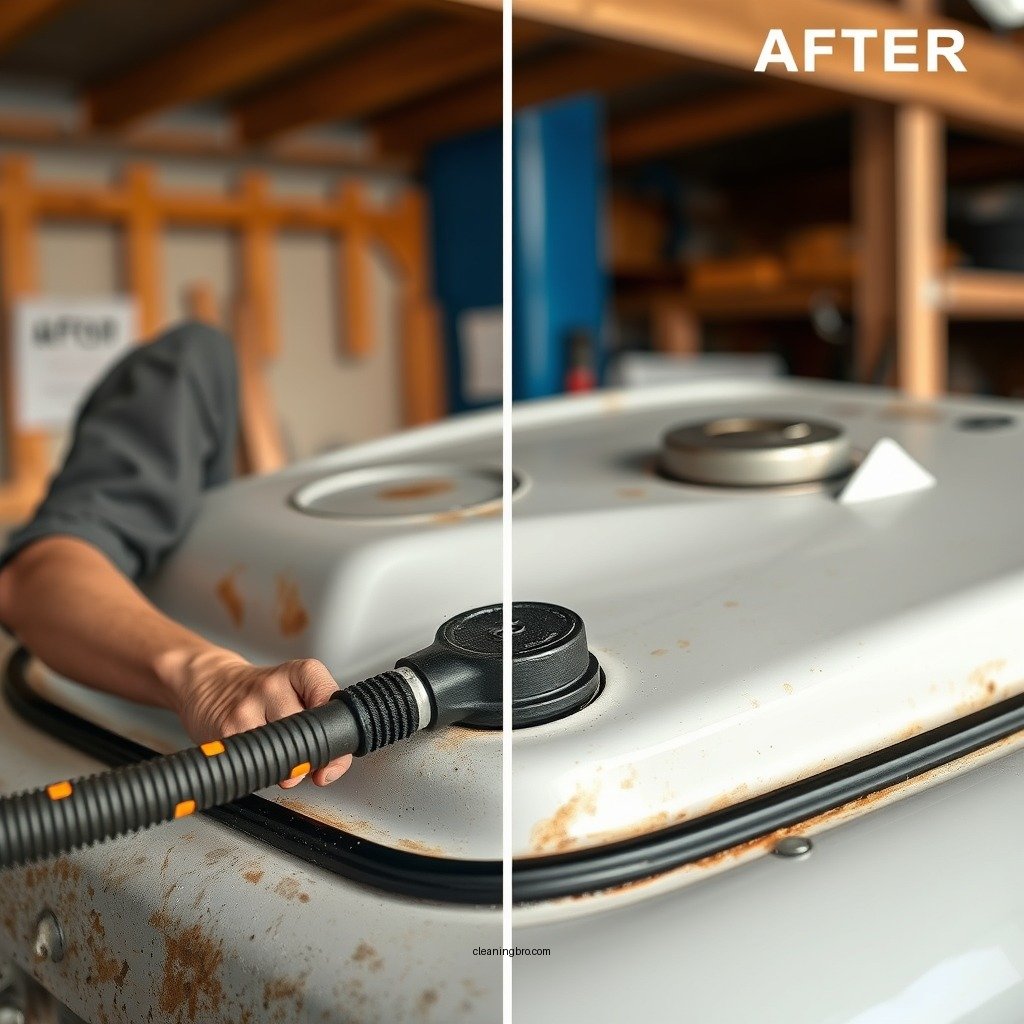
Before embarking on the cleaning process, it’s crucial to prioritize safety. Ensure that the boat is in a well-ventilated area to avoid inhaling harmful fumes from the fuel. Working in an enclosed space can lead to a buildup of toxic vapors, posing serious health risks.
Additionally, wearing protective gear is essential. Equip yourself with gloves and goggles to safeguard against chemicals and potential splashes from fuel or cleaning agents. Make sure to have a fire extinguisher nearby, as fuel is highly flammable. Following these safety precautions will help you carry out the cleaning process effectively and safely.
Draining the Gas Tank

The first step in cleaning your boat’s gas tank is to drain it completely. This process can be performed using a siphon pump, which allows for a safe and efficient removal of fuel. Ensure that you have approved containers ready for storing the drained fuel, as improper disposal can lead to environmental damage.
When siphoning, ensure that you follow the manufacturer’s guidelines for your specific siphon pump. Typically, you will insert the siphon into the gas tank, create a vacuum, and allow the fuel to flow into the container. Once drained, seal the containers carefully and label them for proper disposal according to local regulations.
Top 7 Boat Gas Tank Cleaning Products (2024)
| # | Product | Type | Effectiveness | User Rating |
|---|---|---|---|---|
| 1 | Star Tron Enzyme Fuel Treatment | Cleaner | High | ★★★★☆ |
| 2 | Sea Foam Motor Treatment | Cleaner | Medium | ★★★★☆ |
| 3 | Star brite Fuel Tank Cleaner | Cleaner | High | ★★★★★ |
| 4 | Lucas Oil Fuel Treatment | Cleaner | Medium | ★★★★☆ |
| 5 | Yamaha Ring Free Fuel Additive | Additive | High | ★★★★★ |
| 6 | K100 Fuel Treatment | Cleaner | Medium | ★★★★☆ |
| 7 | STP Fuel Injector Cleaner | Cleaner | High | ★★★★☆ |
Cleaning the Interior of the Gas Tank
Once the tank is drained, the next step is to clean the interior thoroughly. Begin by inspecting the tank using a flashlight to identify any rust, debris, or algae buildup. This inspection is crucial, as it helps you determine the extent of the contamination and the appropriate cleaning method.
For cleaning, you can use a mixture of diesel fuel or a specialized cleaner designed for marine applications. Using a scrub brush, gently scrub the interior surfaces of the tank to remove any contaminants. Be sure to reach all corners and crevices to ensure a thorough clean. If you encounter stubborn buildup, you may need to repeat the process or use a more aggressive cleaning agent.
Always follow the manufacturer’s instructions when using specific cleaning products, and avoid using any abrasive materials that could scratch the tank’s surface, leading to further issues down the line.
Flushing the Tank
After cleaning, it’s essential to flush the tank to remove any remaining cleaner or debris. You can rinse the tank with clean fuel or water, ensuring that all residues are completely removed. If using water, allow the tank to dry thoroughly before refilling it with fuel, as any leftover moisture can lead to corrosion and further contamination.
To ensure a proper flush, you may want to repeat the rinsing process several times, especially if you used a strong cleaner. Once you are satisfied that the tank is completely clean and free from any residues, you can proceed to the next step.
Best Cleaning Methods for Boat Gas Tanks
| Method | ⭐ Diesel Fuel | Marine Cleaner | Water Rinse |
|---|---|---|---|
| Effectiveness | High | Medium | Low |
| Cost | Moderate | High | Free |
| Ease of Use | Easy | Moderate | Easy |
| Time Required | 2 hours | 1 hour | 30 minutes |
| Safety | Moderate | High | Low |
| Environmental Impact | Medium | Low | High |
| Long-Term Benefits | High | Medium | Low |
| Availability | Widely Available | Specialty Stores | Easily Accessible |
| Overall Recommendation | ✅ Best Choice | ✅ Good Option | ❌ Not Recommended |
| 🏆 Best For | Thorough Cleaning | Chemical-Free Cleaning | Quick Rinse |
Inspecting and Replacing Filters
After flushing the tank, it’s vital to check the fuel filters for any clogs or debris. Filters play a crucial role in the fuel system by preventing contaminants from reaching the engine. If you notice any signs of blockage, it’s imperative to replace the filters immediately to ensure optimal fuel flow.
In addition to the filters, inspect the fuel lines for leaks or cracks. Any damage to the lines can lead to fuel leaks, which pose a significant risk while boating. If necessary, clean the fuel lines using a suitable cleaner or replace them if they show signs of wear.
Refilling the Tank and Final Checks
Once you have completed the cleaning and inspection process, you can refill the tank with fresh fuel. If your fuel system requires it, consider adding a fuel stabilizer to prolong the life of the fuel and prevent future issues.
After refilling, run the engine briefly to ensure proper fuel delivery and check for any leaks around the fuel lines and filters. Monitoring the engine’s performance and listening for any unusual sounds will help you catch potential issues early on.
In summary, taking the time to clean your boat’s gas tank regularly will help maintain engine performance and enhance your overall boating experience. By following the outlined steps in this guide, you can ensure that your fuel system remains in excellent condition, allowing you to enjoy many successful outings on the water.
Regular maintenance, including cleaning the gas tank, is an essential part of boat ownership. By incorporating these practices into your routine, you can prevent costly repairs and ensure a safe and enjoyable boating experience.
Frequently Asked Questions
How do I safely clean a boat gas tank?
To safely clean a boat gas tank, start by draining all fuel and removing any remaining gasoline vapors. Use a fuel tank cleaning solution specifically designed for marine use, and scrub the tank’s interior with a long brush. Always wear protective gear, such as gloves and goggles, and ensure proper ventilation during the cleaning process to avoid inhaling harmful fumes.
What materials do I need to clean a boat gas tank effectively?
To clean a boat gas tank effectively, you will need a few essential materials: a fuel tank cleaning solution, a long-handled brush, a siphon pump, and absorbent rags. Additionally, having a vacuum can help remove debris and contaminants. Make sure to have safety equipment like gloves and goggles to protect yourself during the process.
Why is it important to clean my boat gas tank regularly?
Regularly cleaning your boat gas tank is crucial to prevent the buildup of sludge, algae, and other contaminants that can clog fuel lines and damage the engine. A clean tank ensures optimal fuel efficiency and performance, reducing the risk of costly repairs. Additionally, it helps maintain the longevity of your boat’s fuel system.
What are the best practices for maintaining a clean boat gas tank?
The best practices for maintaining a clean boat gas tank include using high-quality fuel, adding fuel stabilizers to prevent degradation, and regularly inspecting the tank for any signs of corrosion or leaks. It is also advisable to run the fuel tank low before refilling to minimize the introduction of contaminants. Regularly cleaning the tank and filters can help keep the system running smoothly.
Which cleaning products are recommended for cleaning a boat gas tank?
Recommended cleaning products for a boat gas tank include marine-specific fuel tank cleaning solutions, such as biocides that eliminate algae and sludge. Look for products that are environmentally safe and compatible with your tank material. Always follow the manufacturer’s instructions for the best results and ensure the product is suitable for your specific boat type.
References
- https://www.boats.com/how-to/how-to-clean-a-boat-fuel-tank/
https://www.boats.com/how-to/how-to-clean-a-boat-fuel-tank/ - https://www.usboating.org/boat-fuel-safety/
https://www.usboating.org/boat-fuel-safety/ - https://www.seamanstoday.com/cleaning-fuel-tank-boat/
https://www.seamanstoday.com/cleaning-fuel-tank-boat/ - https://www.nmfs.noaa.gov/education/faq/boating.html
https://www.nmfs.noaa.gov/education/faq/boating.html - Google Scholar Google Scholar
https://scholar.google.com/scholar?q=cleaning+boat+gas+tank - Google Scholar Google Scholar
https://scholar.google.com/scholar?q=boat+fuel+tank+maintenance - Google Scholar Google Scholar
https://scholar.google.com/scholar?q=boat+gas+tank+cleaning+methods - Google Scholar Google Scholar
https://scholar.google.com/scholar?q=how+to+clean+a+boat+gas+tank - how to clean a boat gas tank – Search results
https://en.wikipedia.org/wiki/Special:Search?search=how+to+clean+a+boat+gas+tank - https://www.ncbi.nlm.nih.gov/search/research-articles/?term=how+to+clean+a+boat+gas+tank
https://www.ncbi.nlm.nih.gov/search/research-articles/?term=how+to+clean+a+boat+gas+tank