How to Clean a Bowl Pipe with Boiling Water
Cleaning a bowl pipe with boiling water is an effective and straightforward method that can restore your pipe’s original shine and functionality. This technique not only removes residue and buildup without the need for harsh chemicals but also helps maintain the integrity of your pipe. In this guide, you’ll learn the step-by-step process for cleaning your bowl pipe safely and effectively, ensuring a better smoking experience.
Gather Your Materials
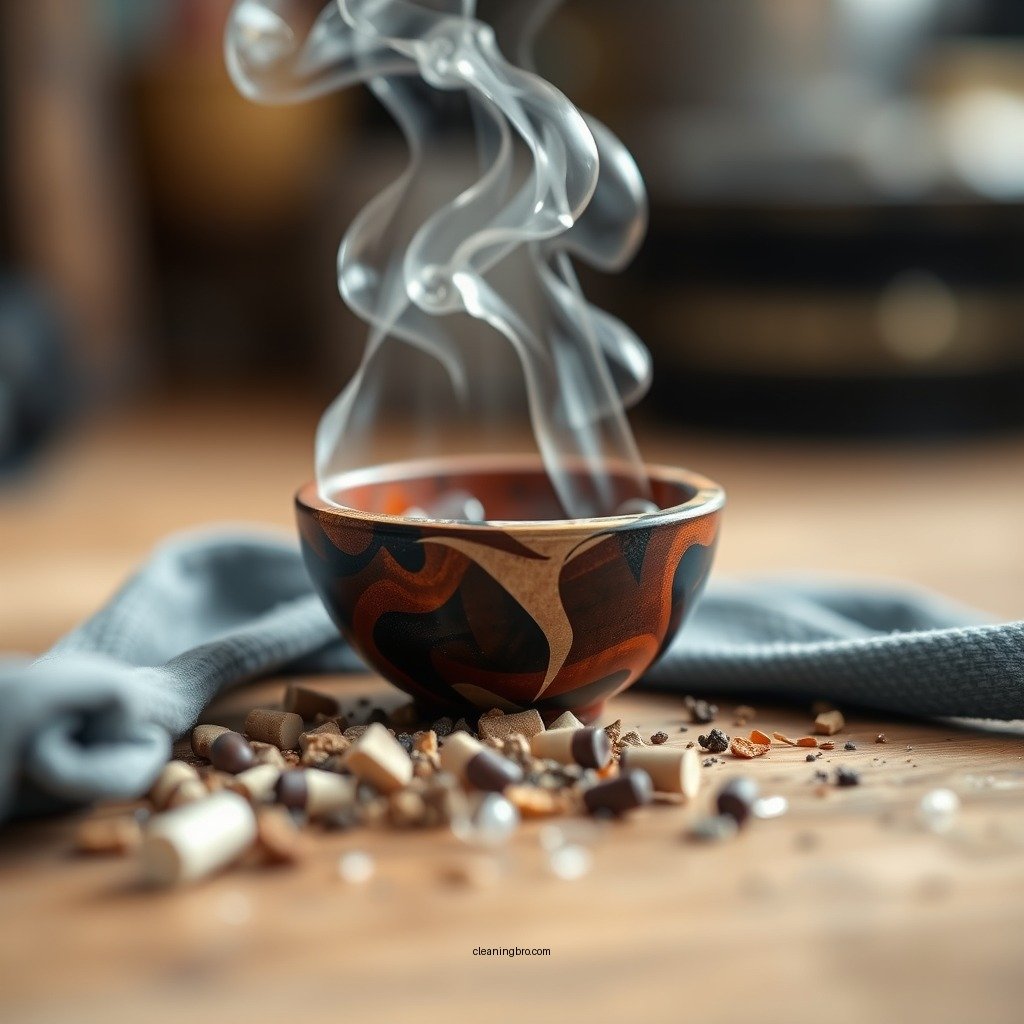
Before you begin the cleaning process, it’s essential to gather all necessary materials to ensure a smooth workflow. Here’s what you will need:
– Boiling water: You will need enough boiling water to fully submerge your bowl pipe. This is crucial for effectively loosening any resin and buildup.
– A heat-resistant container: Use a glass or metal container that can withstand high temperatures without cracking. Avoid plastic containers, as they can warp or melt.
– Optional additives: While boiling water alone is effective, adding salt or vinegar can enhance the cleaning process. Salt acts as a mild abrasive, while vinegar can help dissolve sticky residues.
Prepare Your Bowl Pipe
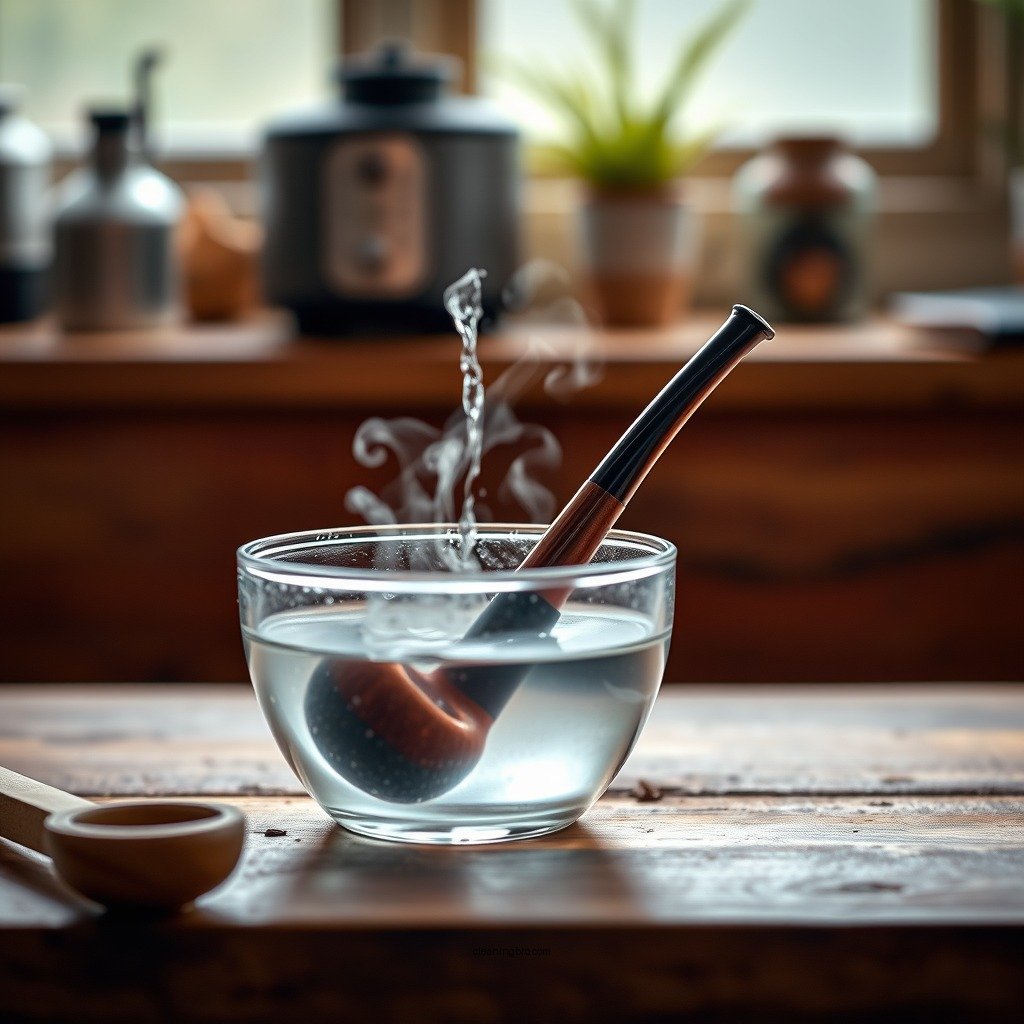
Preparation is key to a successful cleaning process. Here’s how to get your bowl pipe ready:
– Disassemble the pipe: If your bowl pipe has removable parts, such as a bowl or downstem, take them apart. This allows for a more thorough cleaning of each component.
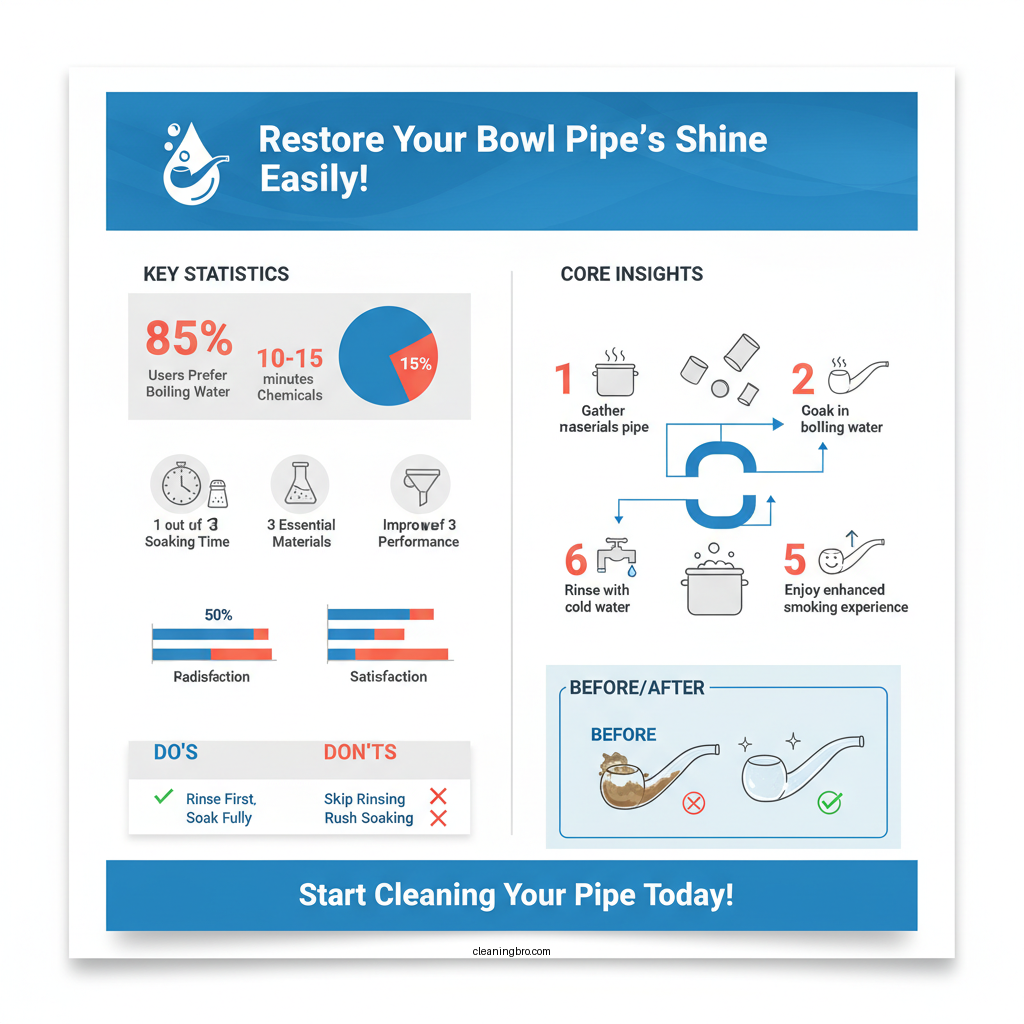
– Rinse with cold water: Before immersing your pipe in boiling water, rinse it with cold water. This initial rinse helps to loosen any stubborn residue, making the subsequent cleaning process more effective.
Boiling Water Cleaning Process
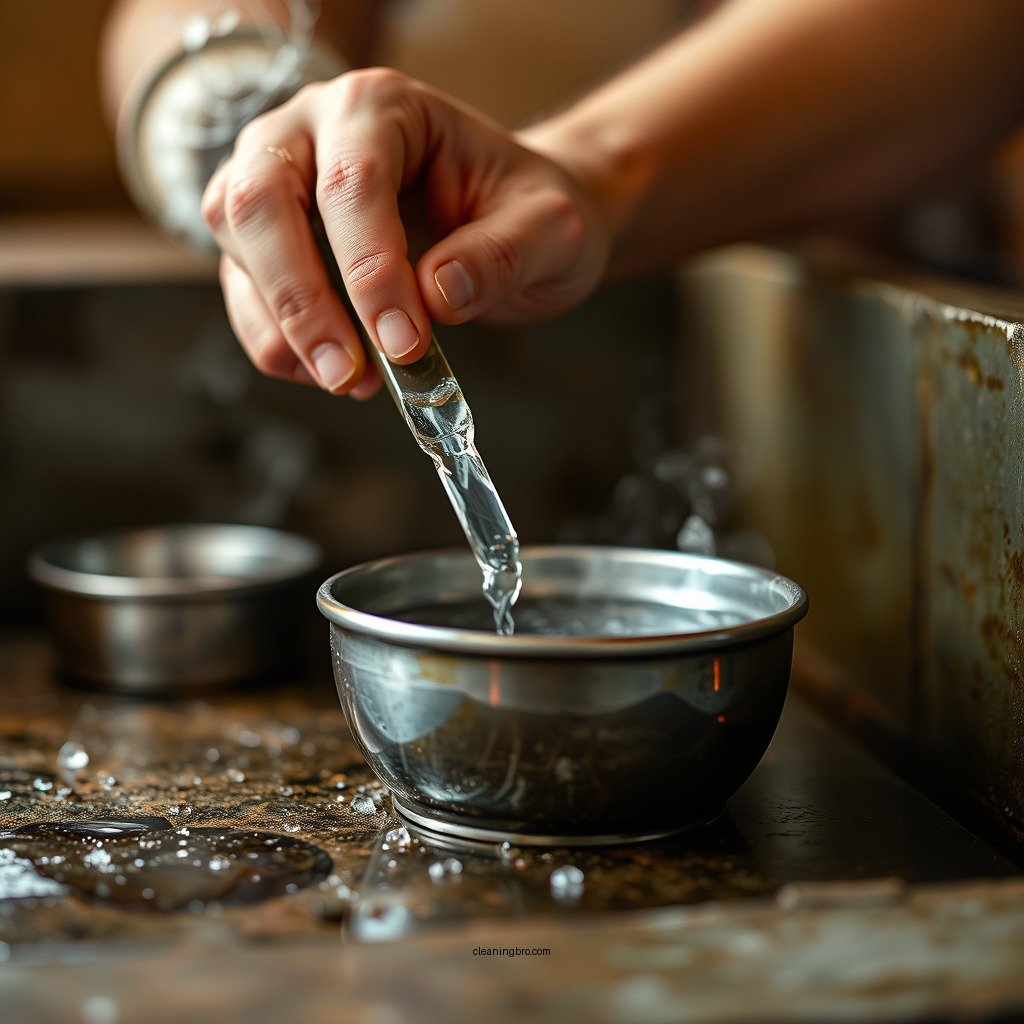
Now that your materials are gathered and your pipe is prepared, you can begin the cleaning process:
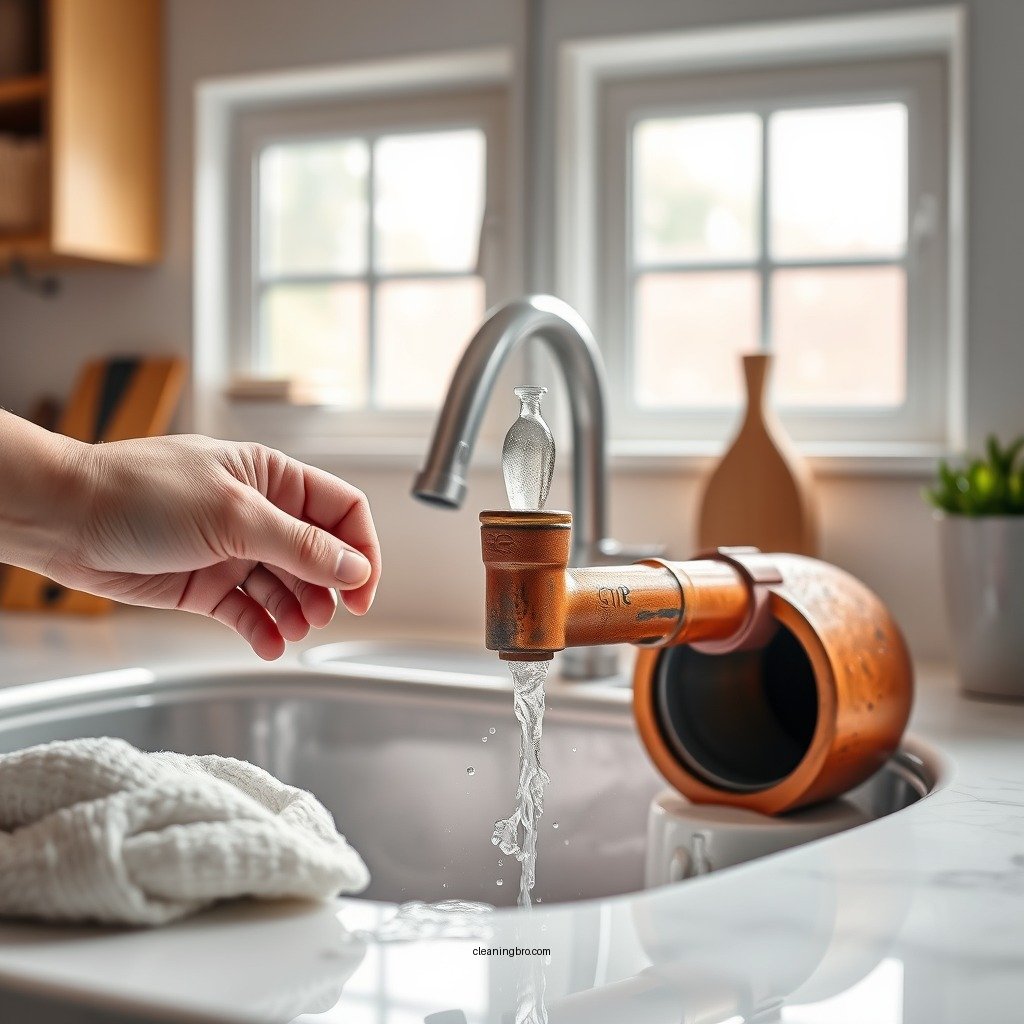
– Carefully pour boiling water: Once your water reaches a rolling boil, carefully pour it into the heat-resistant container, ensuring that the pipe is fully submerged. Be cautious to avoid burns.
– Let it soak: Allow the pipe to sit in the boiling water for 10-15 minutes. This soaking period helps to break down any resin or buildup that may have accumulated over time.
Common Residue Types and Their Removal Difficulty
| # | Residue Type | Difficulty to Remove | Recommended Method |
|---|---|---|---|
| 1 | Tar Build-up | High | Boiling Water + Salt |
| 2 | Resin | Medium | Boiling Water |
| 3 | Dust | Low | Rinse + Boiling Water |
| 4 | Ash | Medium | Cold Water Rinse |
| 5 | Sticky Residue | High | Boiling Water + Vinegar |
| 6 | Caked-on Dirt | High | Extended Soak |
| 7 | Mineral Deposits | Medium | Boiling Water + Vinegar |
Scrubbing and Rinsing
Once the soaking is complete, it’s time to scrub and rinse your bowl pipe:
– Use a soft brush: After soaking, gently scrub the bowl and any hard-to-reach areas with a soft brush, such as a toothbrush. This will help dislodge any remaining residue that the boiling water may have loosened.
– Rinse thoroughly: After scrubbing, rinse all parts under warm water to remove any loosened debris, ensuring that no residue remains. It’s important to ensure all cleaning agents, if used, are completely washed away.
Cleaning Solutions: Boiling Water vs. Chemical Cleaners vs. Natural Solutions
| Feature | ⭐ Boiling Water | Chemical Cleaners | Natural Solutions |
|---|---|---|---|
| Effectiveness | High | Very High | Medium |
| Safety | Very Safe | Potentially Harmful | Safe |
| Cost | Low | Medium | Low |
| Time Required | 10-15 mins | 5-10 mins | 15-30 mins |
| Environmentally Friendly | ✅ | ❌ | ✅ |
| Ease of Use | Easy | Moderate | Easy |
| Odor | No | Yes | No |
| Residue Removal | Effective | Very Effective | Moderately Effective |
| 🏆 Best For | Casual Users | Heavy Users | Eco-conscious Users |
Drying and Reassembling
After you have scrubbed and rinsed your bowl pipe, it is important to dry and reassemble it properly:
– Pat dry: Use a clean cloth or paper towel to gently pat the pipe and its components dry. Avoid using excessive force, as this could scratch the surface.
– Reassemble the pipe: Once all pieces are dry, carefully reassemble your bowl pipe. Make sure each part is correctly aligned to ensure proper functionality.
Maintenance Tips
To keep your bowl pipe in optimal condition and prolong its lifespan, consider the following maintenance tips:
– Regular cleaning schedule: Aim to clean your bowl pipe every few uses to prevent heavy buildup. Regular maintenance makes future cleanings easier and more effective.
– Store properly: Keep your pipe in a clean, dry place to maintain its condition. Consider using a protective case to prevent damage and dust accumulation when not in use.
Maintaining your bowl pipe doesn’t have to be a chore. By using boiling water, you can effectively clean your pipe and keep it in top shape. With just a few simple steps, you can enjoy a cleaner smoking experience. Regular maintenance not only enhances the aesthetic appeal of your pipe but also improves your overall smoking enjoyment.
Frequently Asked Questions
How do I clean a bowl pipe using boiling water?
To clean a bowl pipe with boiling water, first, remove any loose debris from the bowl. Then, boil water in a pot and carefully submerge the pipe for about 10-15 minutes. This process helps to loosen resin and buildup, making it easier to clean. After boiling, use a pipe cleaner or brush to scrub away any remaining residue.
Why is boiling water an effective method for cleaning a bowl pipe?
Boiling water is effective for cleaning a bowl pipe because the high temperature helps dissolve sticky resin and tar that accumulates over time. The heat also aids in breaking down stubborn residues, making it easier to remove them with minimal scrubbing. This method is a natural and chemical-free way to keep your pipe clean.
What should I do if my bowl pipe has stubborn residue after boiling?
If stubborn residue remains after boiling, try soaking the pipe in a mixture of isopropyl alcohol and salt for a few hours. The alcohol will help dissolve the remaining gunk, while the salt acts as an abrasive to scrub it away. After soaking, rinse thoroughly with warm water to ensure all cleaning agents are removed.
Which type of bowl pipe is safest to clean with boiling water?
Glass bowl pipes are the safest to clean with boiling water, as they can withstand high temperatures without damage. However, be cautious with any plastic or acrylic pipes, as they may warp or melt. Always check the manufacturer’s guidelines before using boiling water for cleaning.
What are the best practices for maintaining a clean bowl pipe?
To maintain a clean bowl pipe, regularly remove ash and debris after each use and perform a thorough cleaning every few weeks. Using boiling water is a great method, but consider alternating with isopropyl alcohol for a deep clean. Additionally, storing your pipe in a cool, dry place can help prevent buildup and prolong its lifespan.
References
- How to Clean Tobacco and Glass Pipes: Easiest Method
https://www.wikihow.com/Clean-a-Pipe - https://pubmed.ncbi.nlm.nih.gov/
https://pubmed.ncbi.nlm.nih.gov/ - About Cannabis | Cannabis and Public Health | CDC
https://www.cdc.gov/marijuana/index.htm - https://www.ncbi.nlm.nih.gov/pmc/articles/PMC7220668/
https://www.ncbi.nlm.nih.gov/pmc/articles/PMC7220668/ - https://www.sciencedirect.com/topics/biochemistry-genetics-and-molecular-biology/pipes
https://www.sciencedirect.com/topics/biochemistry-genetics-and-molecular-biology/pipes - https://www.britannica.com/topic/pipes
https://www.britannica.com/topic/pipes - Google Scholar Google Scholar
https://scholar.google.com/scholar?q=how+to+clean+a+bowl+pipe+boiling+water - Google Scholar Google Scholar
https://scholar.google.com/scholar?q=pipe+cleaning+methods - Google Scholar Google Scholar
https://scholar.google.com/scholar?q=cleaning+methods+for+smoking+pipes - Acknowledgements – Guidelines on Physical Activity, Sedentary Behaviour and Sleep for Children un…
https://www.ncbi.nlm.nih.gov/books/NBK541165/