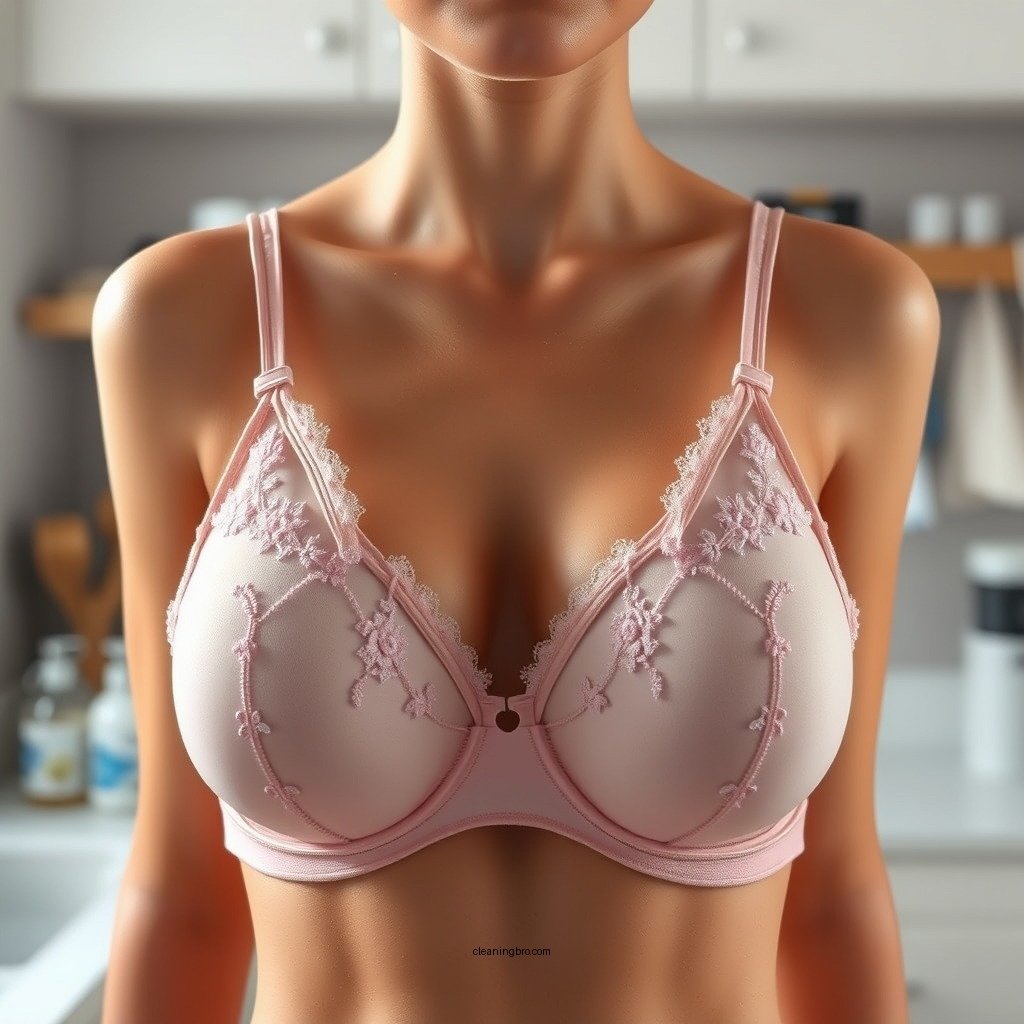
How to Clean a Bra: A Step-by-Step Guide
Cleaning a bra is essential for maintaining its shape, elasticity, and hygiene. To effectively clean your bras, you can either hand wash or machine wash them, depending on the fabric and care instructions. In this article, we’ll explore the best methods and tips to ensure your bras stay fresh and last longer, enabling you to wear them with confidence and comfort.
Choosing the Right Cleaning Method
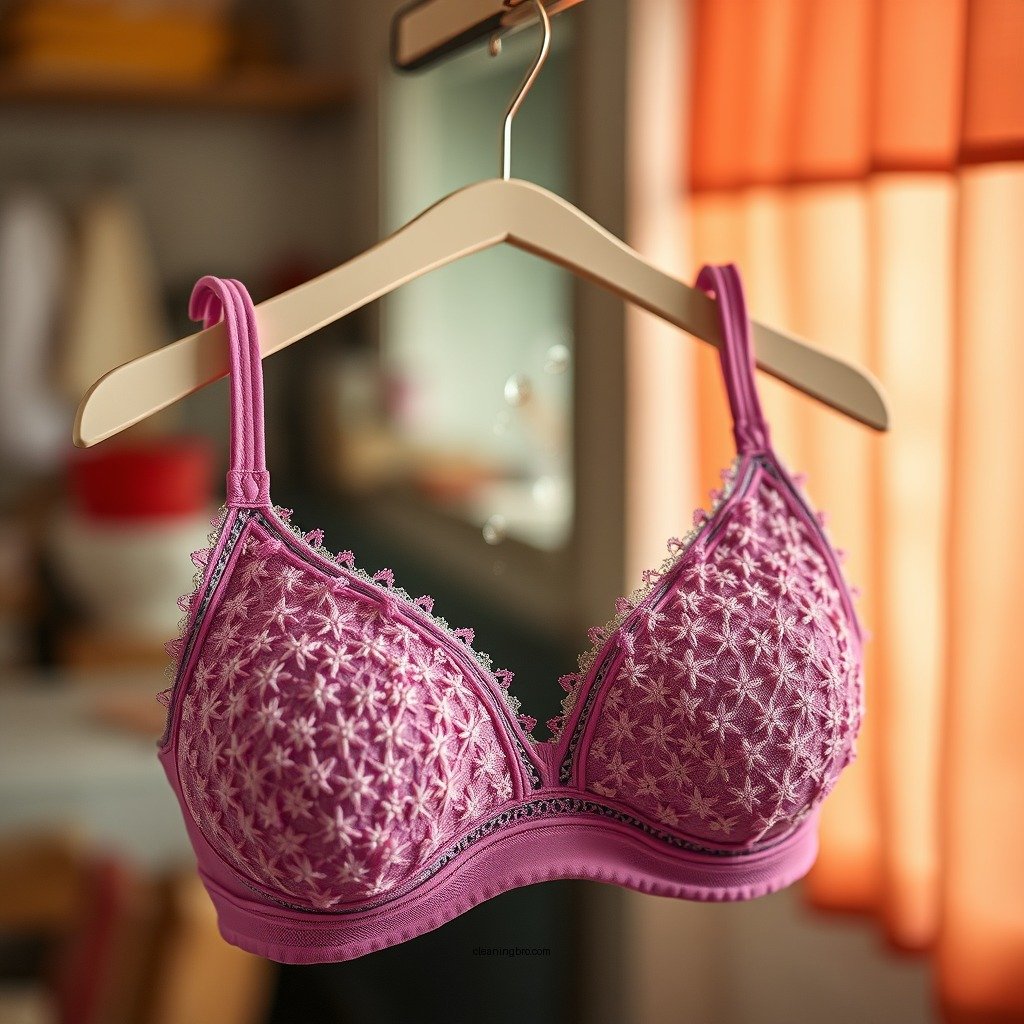
The first step in effectively cleaning a bra is determining the appropriate cleaning method based on its material and construction. Hand washing is often recommended for delicate fabrics such as lace, silk, and satin, as it is gentler and helps preserve the bra’s structure and shape. Hand washing allows for more control over the cleaning process, reducing the risk of damage caused by harsh machine cycles.
On the other hand, machine washing can be a quicker option for bras made from more durable materials like cotton or polyester. When opting for machine washing, it’s crucial to select a delicate cycle and use a lingerie bag to minimize friction and prevent tangling. Understanding your bra’s fabric will guide you in choosing the right method, ensuring longevity and optimal hygiene.
Preparing Your Bra for Cleaning
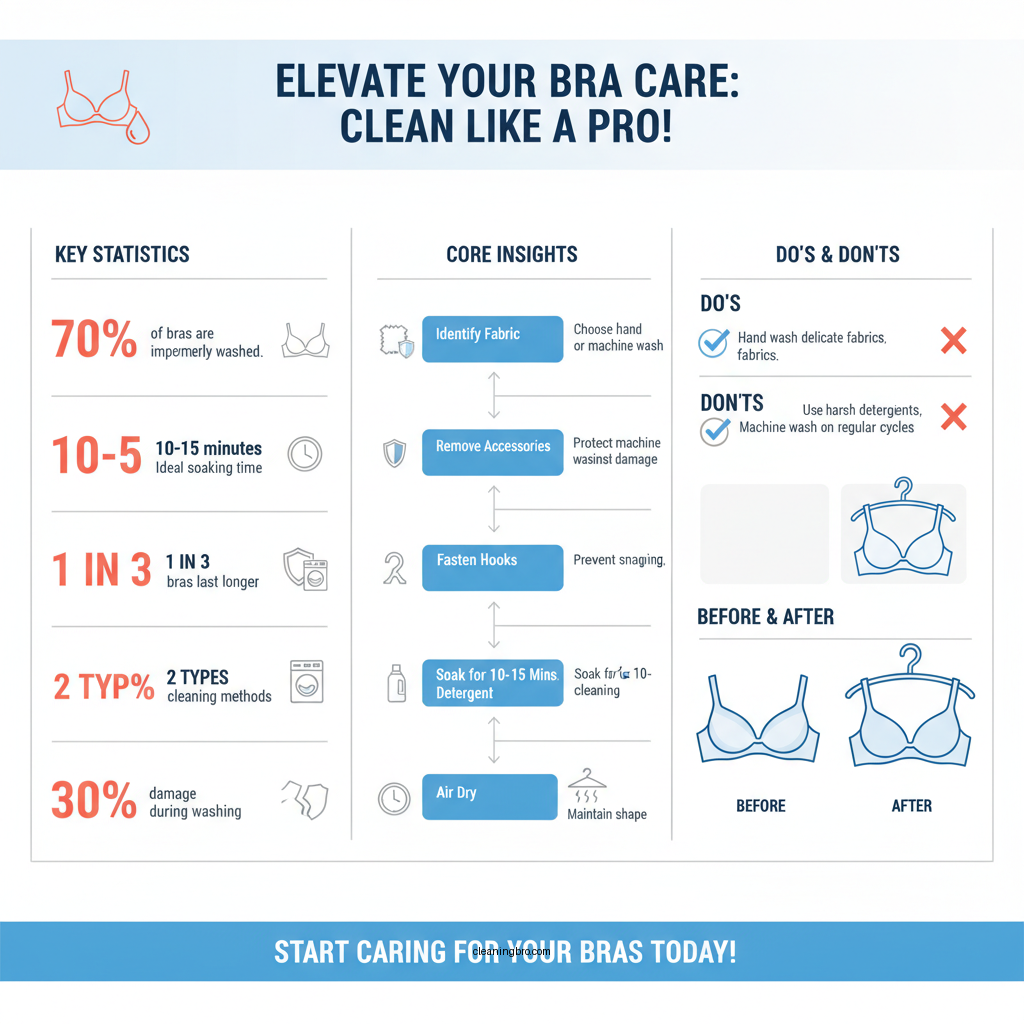
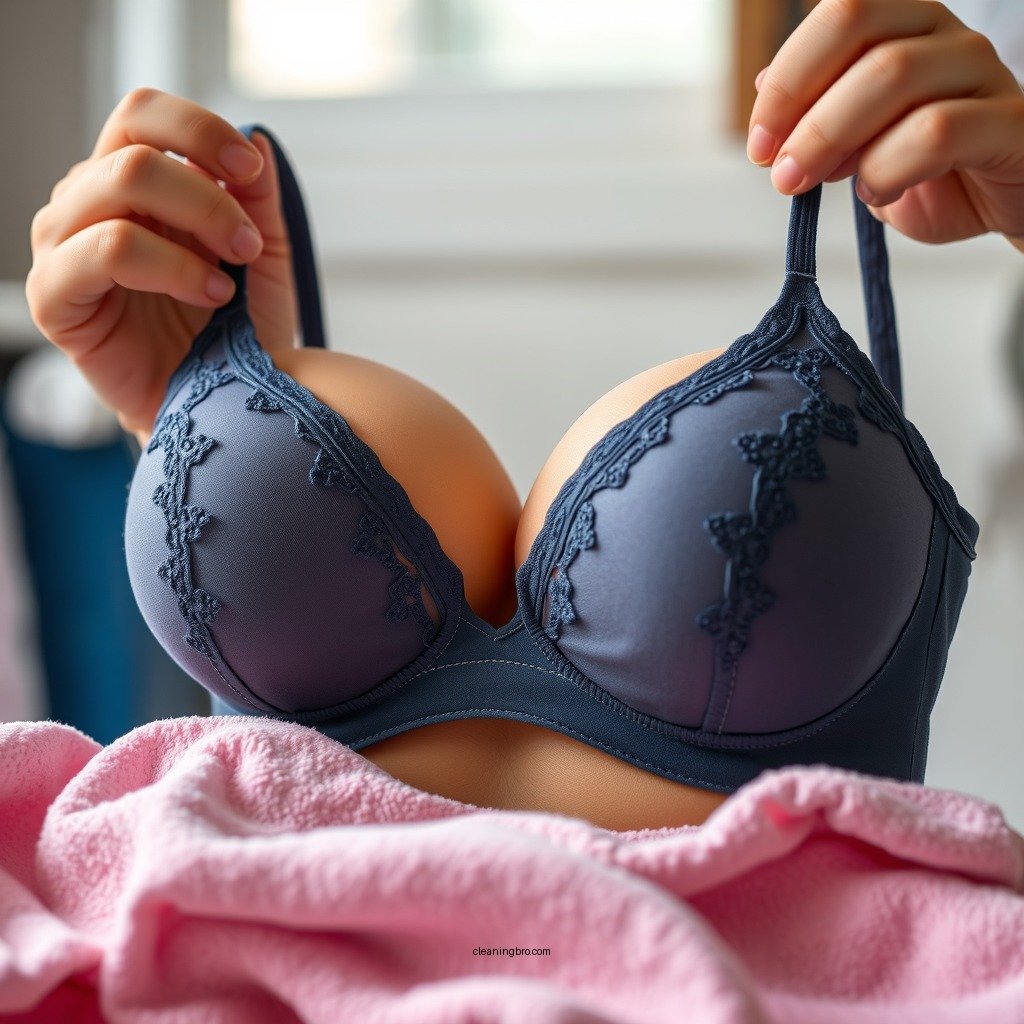
Before diving into the cleaning process, proper preparation of your bra is essential. Start by removing any removable padding or accessories, such as decorative straps or clips, to prevent damage during washing. This step is crucial for bras with underwire or intricate embellishments that could get snagged or bent out of shape.
Next, fasten the hooks of your bra. This simple precaution helps avoid snagging on other clothing items during the wash, which can lead to further damage. Additionally, it helps maintain the bra’s shape by preventing the cups from collapsing into each other. Taking these few minutes for preparation can significantly enhance the effectiveness of the cleaning process.
Hand Washing Your Bra
Hand washing is often considered the gold standard in bra care, especially for delicate fabrics. To begin, fill a basin or sink with lukewarm water and add a gentle detergent specifically designed for delicates. Avoid using regular laundry detergents, as they can be too harsh and may damage the fibers.
Once the water is ready, immerse your bra and let it soak for about 10-15 minutes. This soaking period allows the detergent to penetrate the fabric and break down any built-up oils or dirt. After soaking, gently rub the fabric with your fingers, focusing on areas that may have accumulated sweat or dirt, such as the underband and straps. Rinse thoroughly under cool, running water until all detergent residues are removed. This method not only cleans your bra effectively but also preserves its elasticity and structure.
Machine Washing Your Bra
If you’re pressed for time or have a larger load of laundry, machine washing can be an effective alternative, provided you take the right precautions. Start by placing your bras in a mesh lingerie bag. This bag protects them from getting tangled with other garments and minimizes friction during the wash cycle.
When setting your washing machine, select a delicate cycle with cold water. Hot water can weaken the elastic fibers, leading to premature wear. Additionally, avoid using bleach or fabric softeners, as these can degrade the material and elasticity. After the wash cycle is complete, remove the bras from the lingerie bag to inspect them for any damage before proceeding to the drying process.
Top 7 Bra Materials and Their Care Recommendations
| # | Material | Recommended Cleaning Method | Drying Method | Durability |
|---|---|---|---|---|
| 1 | Cotton | Machine Wash | Lay Flat | High |
| 2 | Lace | Hand Wash | Lay Flat | Medium |
| 3 | Silk | Hand Wash | Hang Dry | Low |
| 4 | Polyester | Machine Wash | Lay Flat | High |
| 5 | Nylon | Machine Wash | Lay Flat | High |
| 6 | Spandex | Machine Wash | Lay Flat | Medium |
| 7 | Bamboo | Machine Wash | Lay Flat | High |
Drying Your Bra
Proper drying techniques are vital for maintaining the integrity of your bras. After washing, never wring out or twist the fabric, as this can distort the shape and elasticity. Instead, gently squeeze out excess water while the bra is still in the basin, ensuring not to pull on the fabric.The best drying method is to lay your bras flat on a clean, dry towel. This approach helps absorb moisture without causing stress on the underwire or straps. If you prefer to hang your bras, ensure they are hung by the center gore (the area between the cups) to prevent stretching. Avoid hanging them by the straps, as this can cause them to lose their shape over time. Always keep your bras away from direct sunlight or heat sources, as these can lead to fading and shrinkage.
Common Mistakes to Avoid
While cleaning bras may seem straightforward, several common mistakes can lead to damage or reduced lifespan. One of the most significant errors is the use of fabric softeners. These products can break down the elastic fibers in bras, leading to sagging and loss of support.
Additionally, avoid drying bras in direct sunlight or using high heat settings in the dryer. Both methods can cause fading, shrinkage, and weakening of the fabric. Another mistake is neglecting to separate bras from other laundry items during washing. This oversight can result in tangling, stretching, and damage to the delicate components of your bras. By being mindful of these pitfalls, you can ensure your bras remain in pristine condition.
Tips for Maintaining Bra Longevity
To maximize the lifespan of your bras, consider implementing a few simple yet effective practices. Firstly, rotating your bras is essential. Giving each bra time to rest between wears allows the elastic to regain its shape and prevents excessive wear. Ideally, you should have a rotation of at least three to four bras in regular use.
Additionally, always follow the care instructions on the label. These guidelines are tailored to each garment’s material and construction, ensuring that you treat your bras with the care they require. Lastly, avoid wearing the same bra every day; this can lead to faster degradation of elasticity and support. By incorporating these practices into your routine, you can maintain the quality and longevity of your bras.
Bra Care Frequency Recommendations
Maintaining the cleanliness and integrity of your bras is crucial for comfort and longevity. By following these steps, you can ensure your bras remain in great condition for longer. Start implementing these cleaning techniques today and enjoy the benefits of fresh, well-cared-for lingerie!
Frequently Asked Questions
How often should I clean my bras?
It’s recommended to wash your bras after every three to four wears to maintain their shape and elasticity. However, if you sweat heavily or wear them during workouts, you may need to wash them more frequently to prevent odor and bacteria buildup.
What is the best way to hand wash a bra?
To hand wash a bra, fill a basin with cool water and add a gentle detergent designed for delicate fabrics. Gently agitate the water, submerge the bra, and let it soak for about 10-15 minutes before rinsing thoroughly with cool water to remove all soap residue.
Why should I avoid using a washing machine to clean my bras?
Washing bras in a machine can cause damage to the delicate fabric and elastic, leading to loss of shape, stretching, and broken underwires. The agitation and heat in the machine can also lead to premature wear, making hand washing a safer option for longevity.
Which detergents are best for cleaning bras?
The best detergents for cleaning bras are those that are free from harsh chemicals, fragrances, and bleach. Look for gentle, pH-balanced detergents specifically formulated for lingerie or delicate fabrics to ensure your bras remain soft and intact.
How should I dry my bras after washing them?
To dry your bras, gently reshape the cups and lay them flat on a clean, dry towel. Avoid hanging them or using a dryer, as this can stretch the band and damage the fabric; instead, allow them to air dry completely to preserve their structure and elasticity.
References
- https://www.bbc.com/style/article/20160523-how-to-wash-your-bra
https://www.bbc.com/style/article/20160523-how-to-wash-your-bra - https://www.mayoclinic.org/healthy-lifestyle/adult-health/in-depth/laundry-tips/art-20049163
https://www.mayoclinic.org/healthy-lifestyle/adult-health/in-depth/laundry-tips/art-20049163 - https://www.healthline.com/health/washing-a-bra
https://www.healthline.com/health/washing-a-bra - https://www.nytimes.com/2021/02/22/style/how-to-wash-a-bra.html
https://www.nytimes.com/2021/02/22/style/how-to-wash-a-bra.html - https://www.sciencedirect.com/topics/medicine-and-dentistry/bra-cleaning
https://www.sciencedirect.com/topics/medicine-and-dentistry/bra-cleaning - Google Scholar Google Scholar
https://scholar.google.com/scholar?q=how+to+clean+bra - Google Scholar Google Scholar
https://scholar.google.com/scholar?q=bra+cleaning+methods - Google Scholar Google Scholar
https://scholar.google.com/scholar?q=bra+care+tips - how to clean bra – Search results
https://en.wikipedia.org/wiki/Special:Search?search=how+to+clean+bra - https://www.ncbi.nlm.nih.gov/search/research-articles/?term=how+to+clean+bra
https://www.ncbi.nlm.nih.gov/search/research-articles/?term=how+to+clean+bra