
How to Clean a Buckwheat Pillow: A Step-by-Step Guide
Cleaning a buckwheat pillow is straightforward and essential for maintaining its comfort and longevity. Start by removing the cover, which is usually machine washable, and then clean the buckwheat hulls separately to ensure they stay fresh and free of dust. In this guide, you’ll learn the best practices for cleaning both the pillow cover and the buckwheat filling, ensuring that your pillow remains a source of comfort and support for years to come.
Removing the Pillow Cover

The first step in cleaning your buckwheat pillow is removing the pillow cover. Most buckwheat pillows come with a removable outer cover made from cotton or another breathable fabric, which can be easily washed. Before proceeding, always check the care label for specific washing instructions to avoid any damage. Most covers can be machine washed; however, some may require hand washing or dry cleaning.
To machine wash the cover, set your washing machine to a gentle cycle and use cold water. This helps prevent shrinkage and color fading. If your pillow cover has any stains, consider pre-treating them with a mild detergent or a stain remover before washing. After washing, allow the cover to air dry completely to maintain its shape and integrity.
Cleaning the Buckwheat Hulls
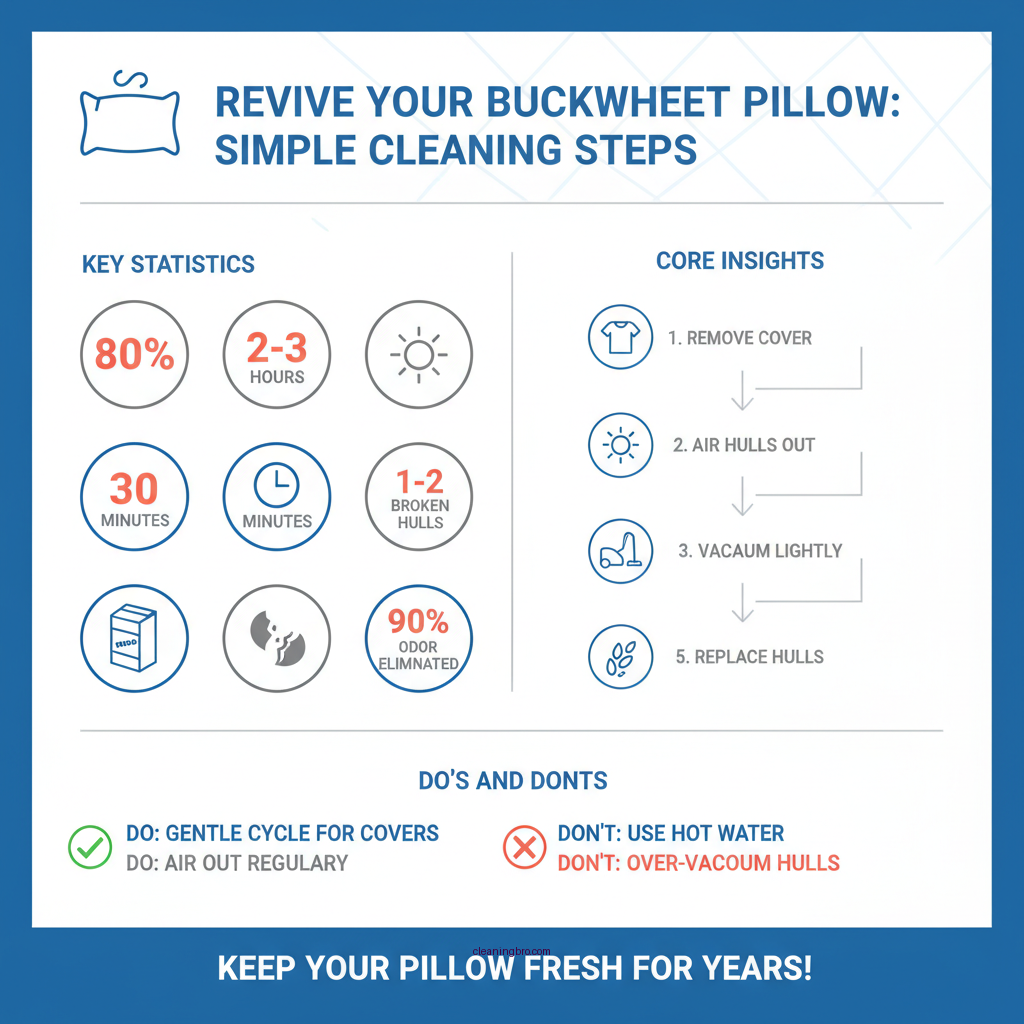
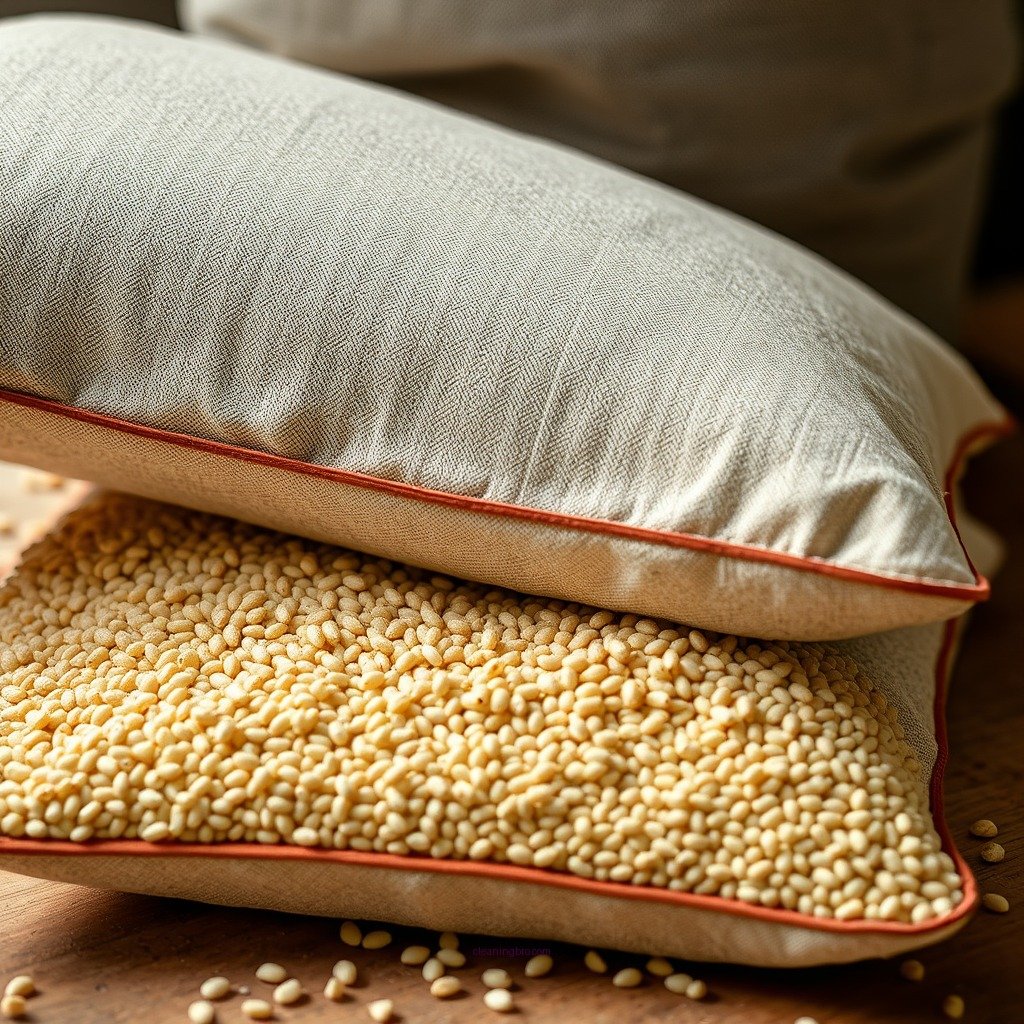
Once the cover is clean, it’s time to focus on the buckwheat hulls. Unlike traditional pillows, buckwheat pillows contain hulls that can last for years if properly cared for. Begin by spreading the hulls out on a clean surface, such as a large towel or a clean floor, to air them out for a few hours. This helps eliminate moisture and odors.
Next, lightly vacuum the hulls using a handheld vacuum or an attachment to remove dust and debris. Be cautious not to apply too much suction, as this can damage the hulls. If you notice any hulls are broken or crumbled, consider replacing them, as this can affect the overall support the pillow provides.
Deodorizing the Pillow
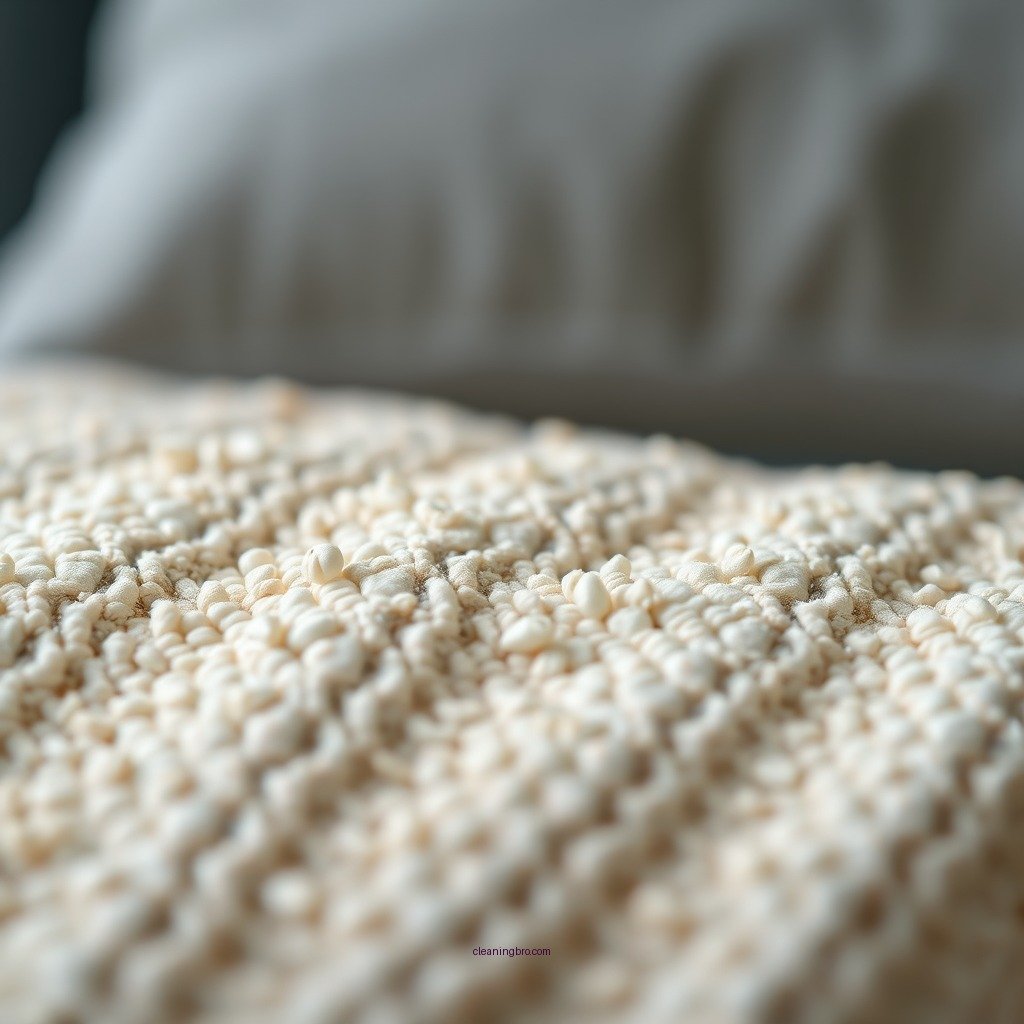
To keep your buckwheat pillow smelling fresh, deodorizing is an important step. A simple and effective method is to sprinkle baking soda over the buckwheat hulls. Let the baking soda sit for about 15-30 minutes before vacuuming it off. Baking soda acts as a natural deodorizer, absorbing any unwanted odors.
For an added touch of fragrance, you can consider using essential oils. Place a few drops of your favorite essential oil onto a cotton ball and insert it into the hulls. This method not only freshens up the pillow but also allows you to customize the scent to your liking. Just be cautious with the amount of oil, as too much can overpower the natural smell of the hulls.
Spot Cleaning Stains
If you find any stains on the pillow cover that require attention, spot cleaning can be an effective solution. Use a damp cloth and a mild detergent to gently dab at the stains without rubbing too hard, as this can push the stain deeper into the fabric. Be sure to test any cleaning solution on a small, inconspicuous area first to avoid discoloration.
After treating the stains, rinse the area with a clean, damp cloth to remove any soap residue. Allow the area to air dry completely before placing the cover back on the pillow. This ensures that any remaining moisture doesn’t contribute to mold or mildew growth.
Drying the Pillow
After cleaning, it’s crucial to properly dry both the pillow cover and the buckwheat hulls. For the cover, air drying is the best option. Hang it up or lay it flat to prevent any shrinkage or distortion of its shape. Ensure it is entirely dry before reassembling the pillow to avoid trapping moisture inside.
For the buckwheat hulls, you can place them in a well-ventilated area to dry out. It’s important that the hulls are completely dry to prevent mold or mildew, which can not only damage the pillow but also pose health risks. If you’re in a humid environment, consider using a fan to increase air circulation around the hulls.
Maintaining Your Buckwheat Pillow
To ensure your buckwheat pillow remains in excellent condition, regular maintenance is essential. One simple practice is to air out your pillow weekly by placing it outside in the sun for a few hours. Sunlight not only helps to freshen the pillow but also reduces moisture and inhibits the growth of mold and bacteria.
Additionally, consider replacing the buckwheat hulls every 1-2 years. Over time, the hulls can break down and lose their supportive properties. By replacing them, you ensure that your pillow continues to provide optimal support for your neck and spine, enhancing your overall sleep quality.
—
Maintaining the cleanliness of your buckwheat pillow is key to ensuring it remains comfortable and supports a good night’s sleep. By following these simple cleaning steps, you can prolong the life of your pillow and enhance your sleeping experience. Take action today and give your pillow the care it deserves!
Top 7 Buckwheat Pillow Brands (2024)
| # | Brand | Price | Material | Support Rating |
|---|---|---|---|---|
| 1 | Hullo | $89.99 | Organic Cotton | ★★★★☆ |
| 2 | ComfyComfy | $65.99 | Cotton Blend | ★★★★☆ |
| 3 | ZenChi | $79.99 | Natural Cotton | ★★★★☆ |
| 4 | Buckwheat Pillow Co. | $55.99 | 100% Cotton | ★★★☆☆ |
| 5 | Sleepytime | $69.99 | Organic Cotton | ★★★★☆ |
| 6 | EcoFusion | $85.99 | Bamboo Blend | ★★★★★ |
| 7 | Nature’s Sleep | $72.99 | Cotton | ★★★★☆ |
Buckwheat Pillow Cleaning Frequency (%)
Hullo vs ComfyComfy vs ZenChi: Full Comparison
| Feature | ⭐ Hullo | ComfyComfy | ZenChi |
|---|---|---|---|
| Price | $89.99 | $65.99 | $79.99 |
| Material | Organic Cotton | Cotton Blend | Natural Cotton |
| Support Rating | ★★★★☆ | ★★★★☆ | ★★★★☆ |
| Warranty | 5 years | 3 years | 4 years |
| Machine Washable | ✅ | ✅ | ✅ |
| Hypoallergenic | ✅ | ✅ | ✅ |
| Eco-Friendly | Yes | Yes | Yes |
| Customer Support | 24/7 | Business Hours | Business Hours |
| 🏆 Best For | Eco-conscious users | Budget-friendly | Traditionalists |
In summary, cleaning a buckwheat pillow involves several straightforward steps that are vital for maintaining its comfort and durability. By regularly washing the cover, cleaning the hulls, deodorizing, and spot cleaning any stains, you can ensure that your pillow remains fresh and supportive. With proper care, your buckwheat pillow can continue to provide you with a restful night’s sleep for years to come.
Frequently Asked Questions
How do I properly clean my buckwheat pillow?
To clean your buckwheat pillow, start by removing the outer cover and washing it according to the care instructions, typically in cold water on a gentle cycle. For the buckwheat hulls, place them in a sunny spot for a few hours to air out and eliminate moisture. If necessary, you can also spot-clean any stains on the hulls with a damp cloth and mild detergent.
What is the best way to freshen up my buckwheat pillow?
The best way to freshen up your buckwheat pillow is to regularly air it out in a well-ventilated area, ideally under direct sunlight. This not only helps remove odors but also keeps the hulls dry and prevents mold. For an extra touch, you can sprinkle baking soda on the pillow before airing it out, which helps absorb any lingering smells.
Why should I clean my buckwheat pillow regularly?
Regular cleaning of your buckwheat pillow is crucial to maintain its hygiene and extend its lifespan. Dust mites, allergens, and odors can accumulate over time, potentially affecting your sleep quality and health. By cleaning it regularly, you ensure a healthier sleeping environment and keep your pillow feeling fresh and supportive.
Which cleaning products are safe to use on a buckwheat pillow?
When cleaning your buckwheat pillow, opt for mild detergents that are free from harsh chemicals or fragrances, as these can seep into the hulls. Natural, eco-friendly laundry detergents are a great choice, and avoid bleach or fabric softeners, which can damage the pillow’s materials. Always check the care label for specific recommendations.
Can I machine wash the buckwheat hulls in my pillow?
No, you should not machine wash the buckwheat hulls as they can become damaged and lose their shape. Instead, focus on cleaning the outer cover and regularly airing out the hulls. If you notice any hulls are dirty or contaminated, you can replace them with fresh buckwheat hulls available from various retailers.
References
- https://www.ncbi.nlm.nih.gov/pmc/articles/PMC6485558/
https://www.ncbi.nlm.nih.gov/pmc/articles/PMC6485558/ - https://www.mayoclinic.org/healthy-lifestyle/adult-health/in-depth/cleaning-your-pillow/art-20422018
https://www.mayoclinic.org/healthy-lifestyle/adult-health/in-depth/cleaning-your-pillow/art-20422018 - https://www.healthline.com/health/how-to-clean-your-pillow
https://www.healthline.com/health/how-to-clean-your-pillow - https://www.bbc.com/future/article/20200803-how-often-should-you-wash-your-pillow
https://www.bbc.com/future/article/20200803-how-often-should-you-wash-your-pillow - https://www.sciencedirect.com/topics/medicine-and-dentistry/pillow
https://www.sciencedirect.com/topics/medicine-and-dentistry/pillow - Google Scholar Google Scholar
https://scholar.google.com/scholar?q=cleaning+buckwheat+pillow - Google Scholar Google Scholar
https://scholar.google.com/scholar?q=how+to+clean+pillows+materials - Google Scholar Google Scholar
https://scholar.google.com/scholar?q=buckwheat+pillow+care - https://www.britannica.com/science/pillow
https://www.britannica.com/science/pillow - Google Scholar Google Scholar
https://scholar.google.com/scholar?q=how+to+clean+buckwheat+pillow