How to Clean a Canvas Tent: Simple Steps for Maintenance
Cleaning a canvas tent is crucial to prolong its lifespan and ensure a comfortable camping experience. Regular maintenance not only keeps your tent looking good but also prevents the growth of mold and mildew, which can compromise its integrity. In this guide, we will outline simple yet effective steps for cleaning your canvas tent, ensuring it remains in excellent condition for your outdoor adventures.
Prepare for Cleaning
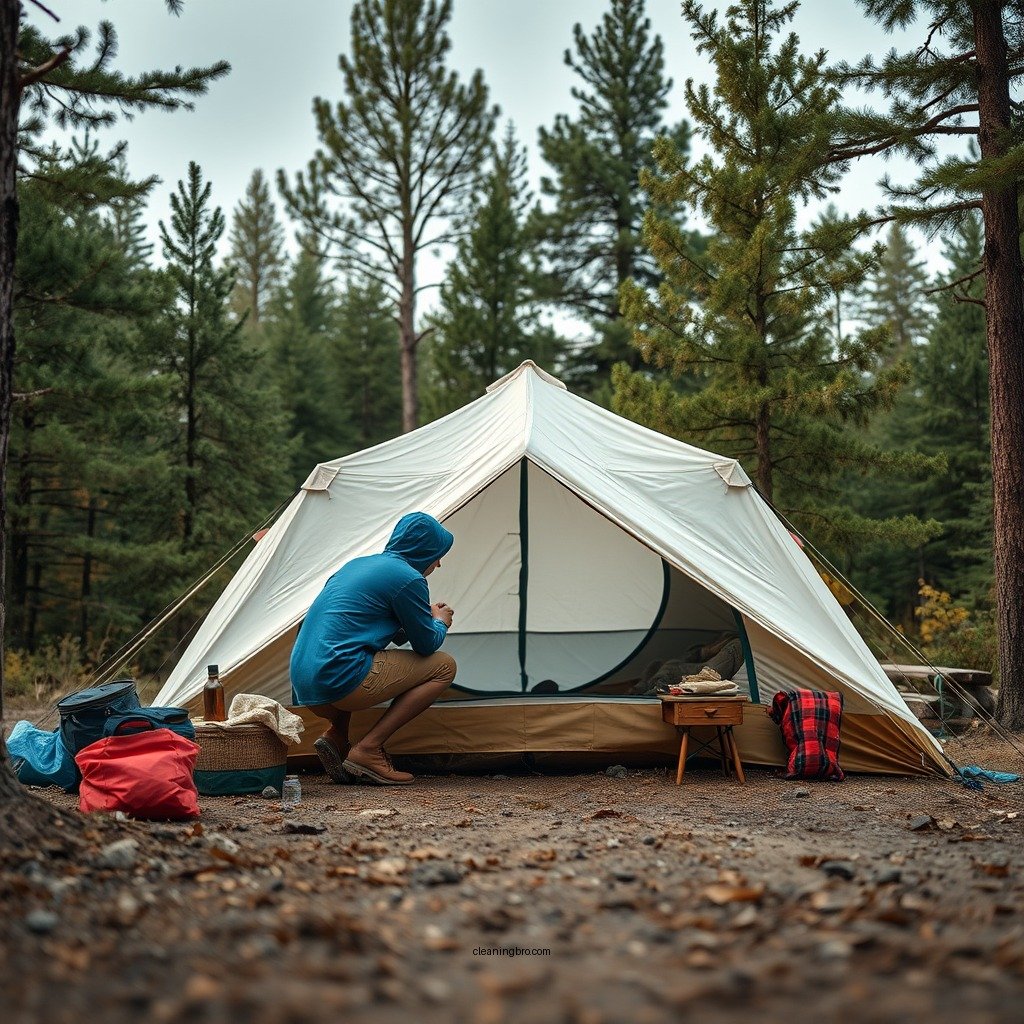
Before starting the cleaning process, it’s important to prepare adequately. First, set up your tent in a well-ventilated area or outdoors to allow for easy access and natural airflow. This will facilitate the drying process and help prevent any musty odors.
Gather the necessary supplies to ensure an efficient cleaning process. Essential items include a soft brush for removing dirt and debris, a mild soap or specialized tent cleaner that is free of bleach and harsh chemicals, and a bucket of water. Additionally, you may need a sponge or cloth for spot cleaning and a hose or sponge for rinsing. Having these items on hand will make your cleaning task much smoother.
Remove Debris and Dust
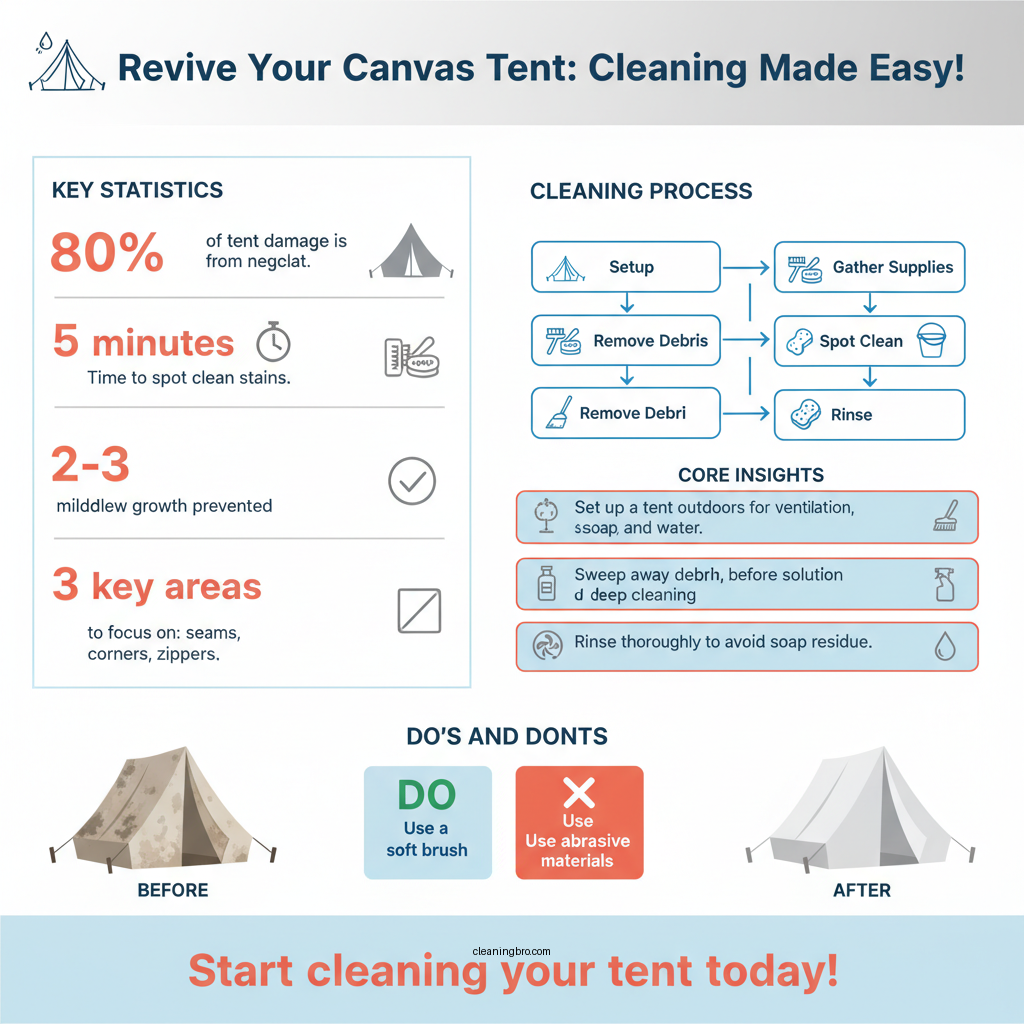
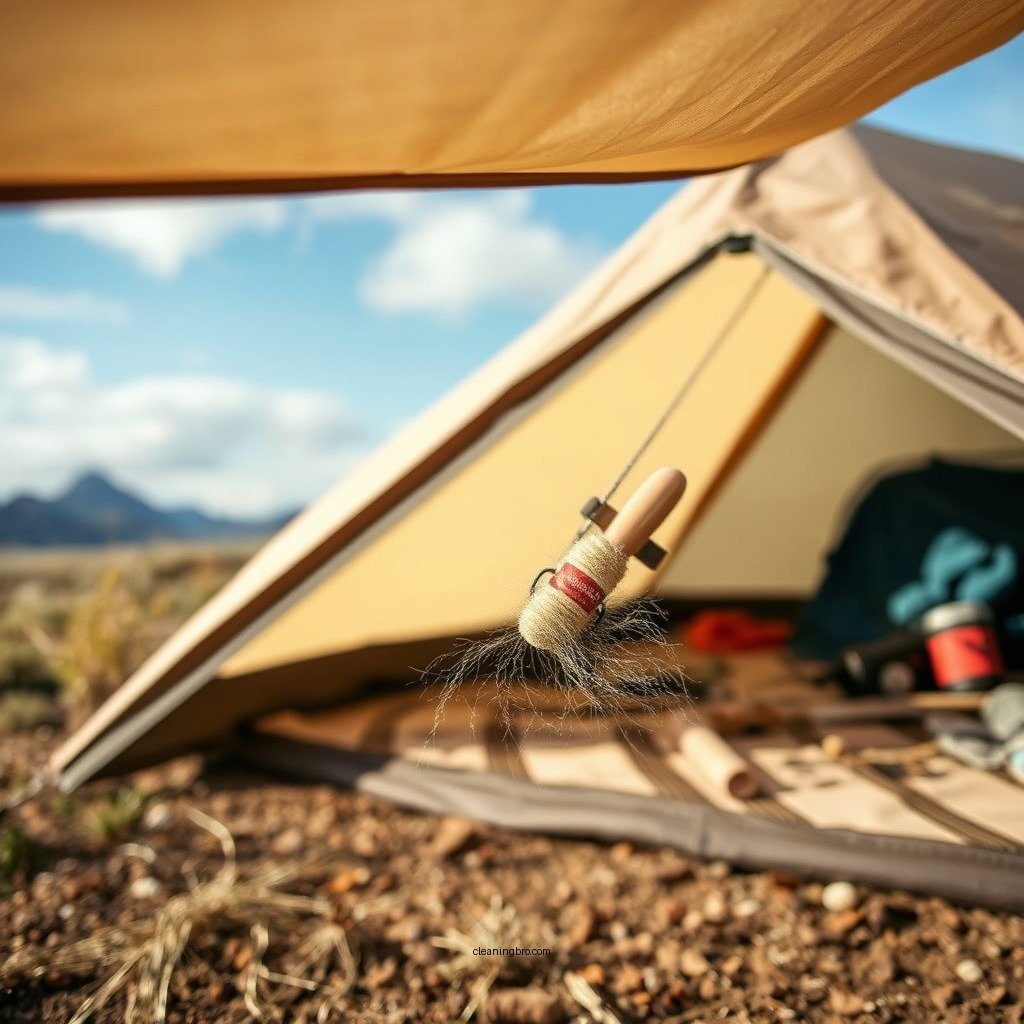
Once your tent is set up and your supplies are ready, begin the cleaning process by removing any debris and dust. Use a soft brush, such as a broom or a tent cleaning brush, to gently sweep away dirt, leaves, and other particles that may have accumulated on the surface.
Pay particular attention to the seams, corners, and zipper areas where debris tends to collect. These areas can trap moisture and lead to mildew growth if not cleaned properly. By taking the time to thoroughly remove all debris, you lay the groundwork for a more effective cleaning process.
Spot Clean Stains
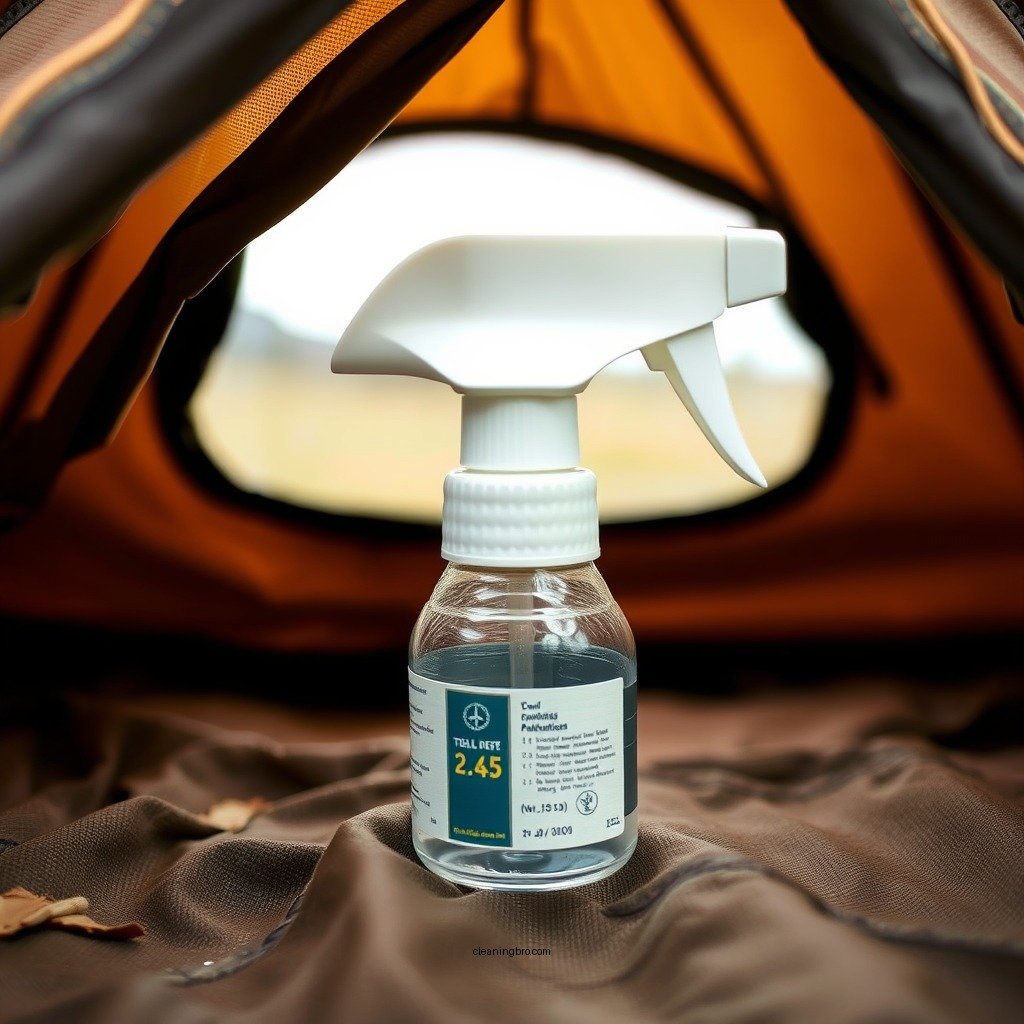
After removing the bulk of the dirt, it’s time to address any specific stains or discolorations on the canvas. Create a cleaning solution by mixing a small amount of mild soap with water in a bucket. Use a soft cloth or sponge to apply this solution to the stained areas, gently scrubbing in circular motions.
Avoid using abrasive materials as they can damage the canvas fibers. For tougher stains, you may need to let the soap solution sit for a few minutes to penetrate the fabric. Rinse the area with clean water afterward to ensure no soap residue remains, as it can attract dirt and promote mildew growth.
Top 7 Canvas Tent Maintenance Tips (2024)
| # | Maintenance Tip | Frequency | Recommended Products |
|---|---|---|---|
| 1 | Dust Removal | After Each Trip | Soft Brush |
| 2 | Spot Cleaning | As Needed | Mild Soap |
| 3 | Thorough Cleaning | Yearly | Tent Cleaner |
| 4 | Waterproofing | Every 2 Years | Waterproof Spray |
| 5 | Stitching Inspection | Before Each Trip | N/A |
| 6 | Storage Check | After Each Trip | N/A |
| 7 | Mold Prevention | Ongoing | N/A |
Rinse Thoroughly
After spot cleaning, it is essential to rinse the tent thoroughly to remove any soap residue. This prevents mildew and keeps the tent fabric breathable. Use a hose or a bucket of clean water to rinse all areas where soap was applied. If you used a sponge, ensure it is rinsed frequently to avoid smearing soap back onto the canvas.
Make sure that excess water does not pool inside the tent, as this can lead to dampness and potential mold growth. A thorough rinse ensures that your tent remains clean and safe for future use.
Dry the Tent Properly
Proper drying of your canvas tent is just as important as cleaning. After rinsing, allow the tent to air dry completely before packing it away. Ideally, set it up in a sunny location, as UV rays can help kill any remaining mildew spores and accelerate the drying process.
If setting up is not feasible, hang the tent in a well-ventilated area. Avoid leaving your tent damp or folded for extended periods, as this can encourage mold and mildew to take hold, leading to costly damage.
Inspect for Damage
Once your tent is clean and dry, take the opportunity to inspect it for any signs of wear or damage. Check for fraying seams, small tears, or signs of mold that may have been hidden before cleaning. Addressing any issues promptly will prevent more significant problems in the future.
If you notice any damage, consider patching it with a specialized tent repair kit. Additionally, if the canvas appears worn or you notice water leaking through, applying a waterproofing treatment can help restore its protective qualities.
Canvas Tent Brands: Feature Comparison
| Feature | ⭐ REI Co-op | Kodiak Canvas | Cabela’s |
|---|---|---|---|
| Material | 10 oz. Canvas | 10 oz. Canvas | 8 oz. Canvas |
| Waterproofing | ✔️ Excellent | ✔️ Good | ✔️ Fair |
| Setup Ease | ✔️ Easy | ✔️ Moderate | ✔️ Complex |
| Price Range | $300-$500 | $400-$600 | $200-$400 |
| Ventilation | ✔️ Good | ✔️ Excellent | ✔️ Fair |
| Durability | ✔️ High | ✔️ High | ✔️ Moderate |
| Weight | 45 lbs | 50 lbs | 35 lbs |
| Color Options | 4 | 2 | 3 |
| Warranty | Lifetime | Limited 5 Years | Limited 1 Year |
| 🏆 Best For | Families & Groups | All-Weather Camping | Budget-Friendly Options |
Store Your Tent Correctly
Once your tent has been cleaned and inspected, it’s crucial to store it properly to maintain its condition. Ensure that the tent is completely dry before folding it up, as any lingering moisture can lead to mold growth.
Store the tent in a cool, dry place away from direct sunlight to prevent UV damage. Ideally, use a breathable storage bag to allow air circulation while keeping dust and dirt at bay. Avoid storing the tent in damp or humid environments, as this can significantly shorten its lifespan.
Maintaining your canvas tent through regular cleaning is crucial for its longevity and functionality. By following these simple steps, you can enjoy many more camping adventures without the worry of a dirty or damaged tent. Make cleaning a part of your camping routine and ensure your gear stays in top shape for years to come!
Frequently Asked Questions
How do I remove mold and mildew from a canvas tent?
To effectively remove mold and mildew from a canvas tent, mix equal parts water and white vinegar in a spray bottle. Spray the affected areas generously and let it sit for about 30 minutes before scrubbing with a soft brush. Rinse thoroughly with water and ensure the tent is completely dry to prevent future growth.
What is the best way to clean a dirty canvas tent?
The best way to clean a dirty canvas tent is to use a solution of mild soap and water, applied with a soft brush or sponge. Avoid harsh chemicals, as they can damage the fabric. After scrubbing, rinse the tent with clean water and let it air dry completely before storage.
Why should I avoid using a washing machine to clean my canvas tent?
You should avoid using a washing machine to clean your canvas tent because the agitation can damage the fabric and seams, leading to tears or leaks. Additionally, detergents used in machines can break down the water-resistant coatings on the canvas, compromising the tent’s performance.
How often should I clean my canvas tent?
You should clean your canvas tent at least once a year, ideally after each camping season, to prevent dirt buildup and mold growth. If you use your tent frequently or in particularly dirty conditions, you may want to clean it more often to maintain its condition and longevity.
Which cleaning products are safe for canvas tents?
Safe cleaning products for canvas tents include mild, biodegradable soaps like dish soap or specialized tent cleaners that are free from bleach and harsh chemicals. Always read the labels to ensure that the product is suitable for canvas materials, as using the wrong cleaners can damage the fabric and its waterproof capabilities.
References
- https://www.fs.usda.gov/Internet/FSE_DOCUMENTS/fsm9_042815.pdf
https://www.fs.usda.gov/Internet/FSE_DOCUMENTS/fsm9_042815.pdf - https://www.nps.gov/articles/caring-for-your-canvas-tent.htm
https://www.nps.gov/articles/caring-for-your-canvas-tent.htm - https://www.wildcamping.org.uk/how-to-clean-canvas-tents/
https://www.wildcamping.org.uk/how-to-clean-canvas-tents/ - Google Scholar Google Scholar
https://scholar.google.com/scholar?q=cleaning+canvas+tent - Google Scholar Google Scholar
https://scholar.google.com/scholar?q=maintaining+canvas+tent - https://www.treesearch.fs.fed.us/pubs/29006
https://www.treesearch.fs.fed.us/pubs/29006 - https://www.britannica.com/topic/canvas-tent
https://www.britannica.com/topic/canvas-tent - Google Scholar Google Scholar
https://scholar.google.com/scholar?q=how+to+clean+a+canvas+tent - how to clean a canvas tent – Search results
https://en.wikipedia.org/wiki/Special:Search?search=how+to+clean+a+canvas+tent - https://www.ncbi.nlm.nih.gov/search/research-articles/?term=how+to+clean+a+canvas+tent
https://www.ncbi.nlm.nih.gov/search/research-articles/?term=how+to+clean+a+canvas+tent