How to Clean a Car Cover: Step-by-Step Guide
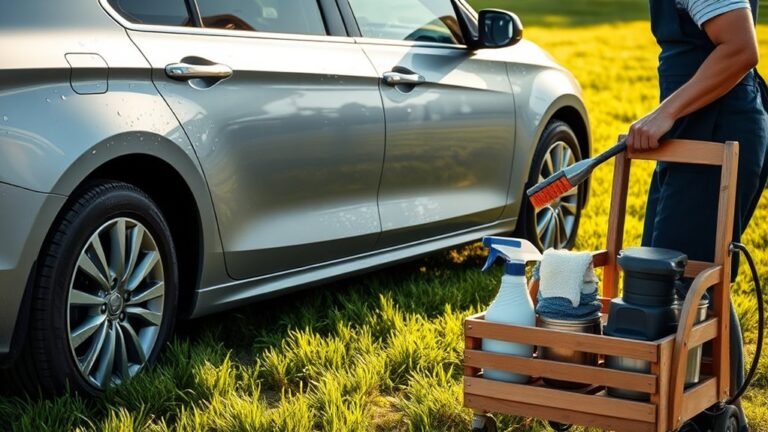
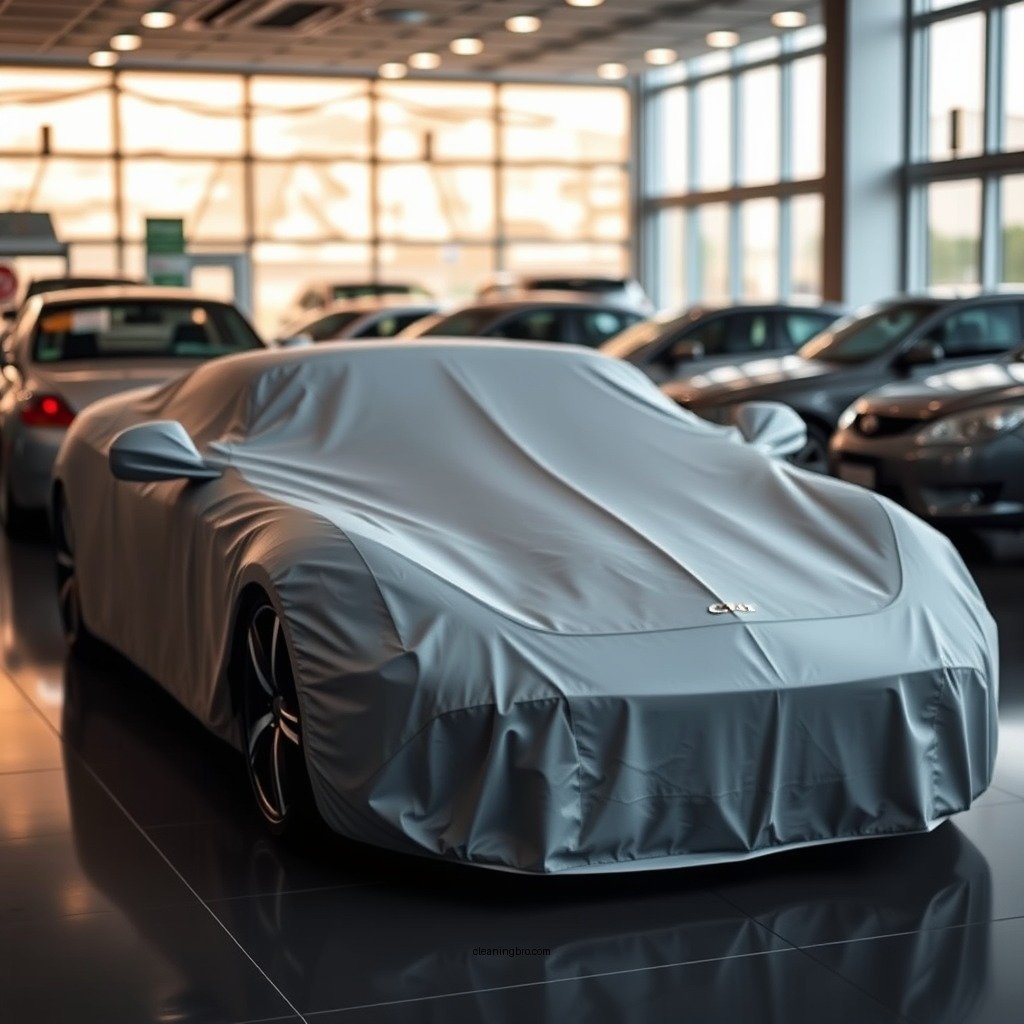
Cleaning your car cover is essential to maintaining its longevity and effectiveness. A well-maintained car cover not only protects your vehicle from the elements but also enhances its overall lifespan. This step-by-step guide will walk you through the best practices for cleaning different types of car covers, ensuring they remain in top condition for years to come.
Understanding Your Car Cover Material
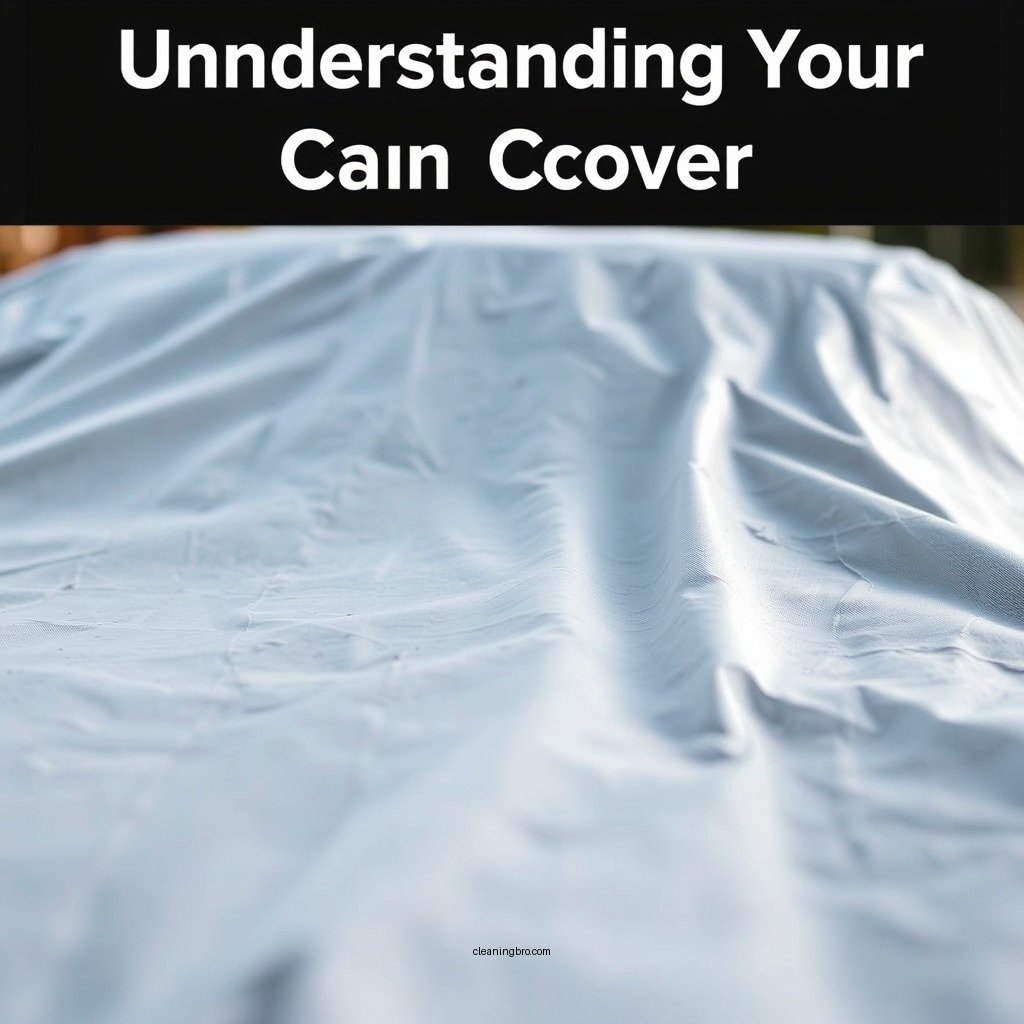
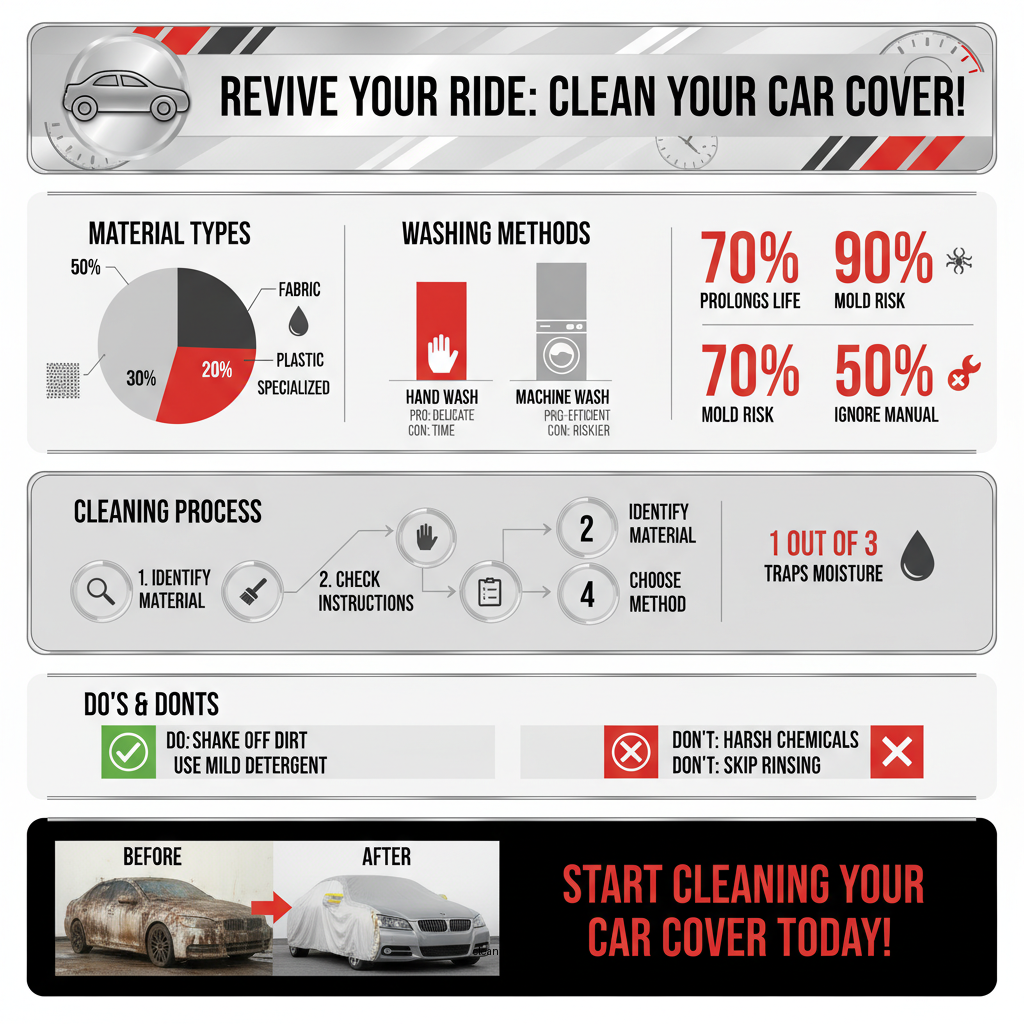
Before diving into the cleaning process, it is crucial to understand the material of your car cover. Car covers are typically made from fabric, plastic, or specialized materials, each requiring different cleaning techniques to avoid damage.
1. Fabric Car Covers: These are often made from breathable materials such as polyester or cotton. They provide excellent protection against dust and scratches but can be prone to mold if not maintained properly.
2. Plastic Car Covers: Generally used for short-term protection, these covers are water-resistant but can trap moisture underneath, leading to potential rust issues. Cleaning these requires careful handling to avoid tears.
3. Specialized Materials: Some covers are designed with advanced technology to reflect UV rays or repel water. Cleaning methods for these materials may vary significantly, so checking the manufacturer’s guidelines is recommended.
Identifying the material will guide you on the most effective cleaning methods, ensuring that you do not inadvertently damage your cover.
Preparing for Cleaning
Preparation is key to an effective cleaning process. To start:
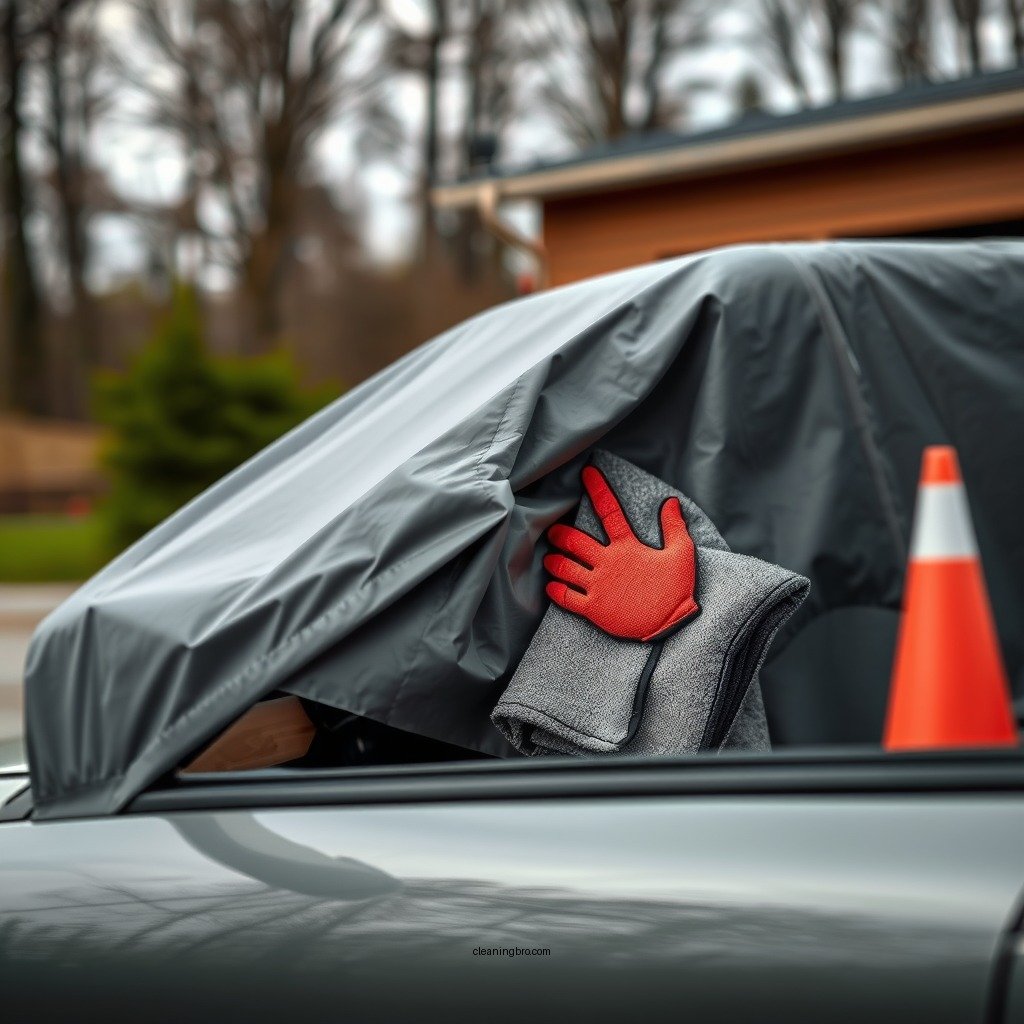
– Shake or Brush Off Dirt: Before washing, gently shake the cover or use a soft brush to remove any loose dirt and debris. This step is vital to prevent scratching the surface of the cover during washing.
– Check Manufacturer’s Instructions: Always review the care instructions provided by the manufacturer. Some covers may have specific cleaning requirements or restrictions that are crucial to follow to maintain their effectiveness.
Taking these preparatory steps will set the stage for a thorough and safe cleaning process.
Hand Washing vs. Machine Washing
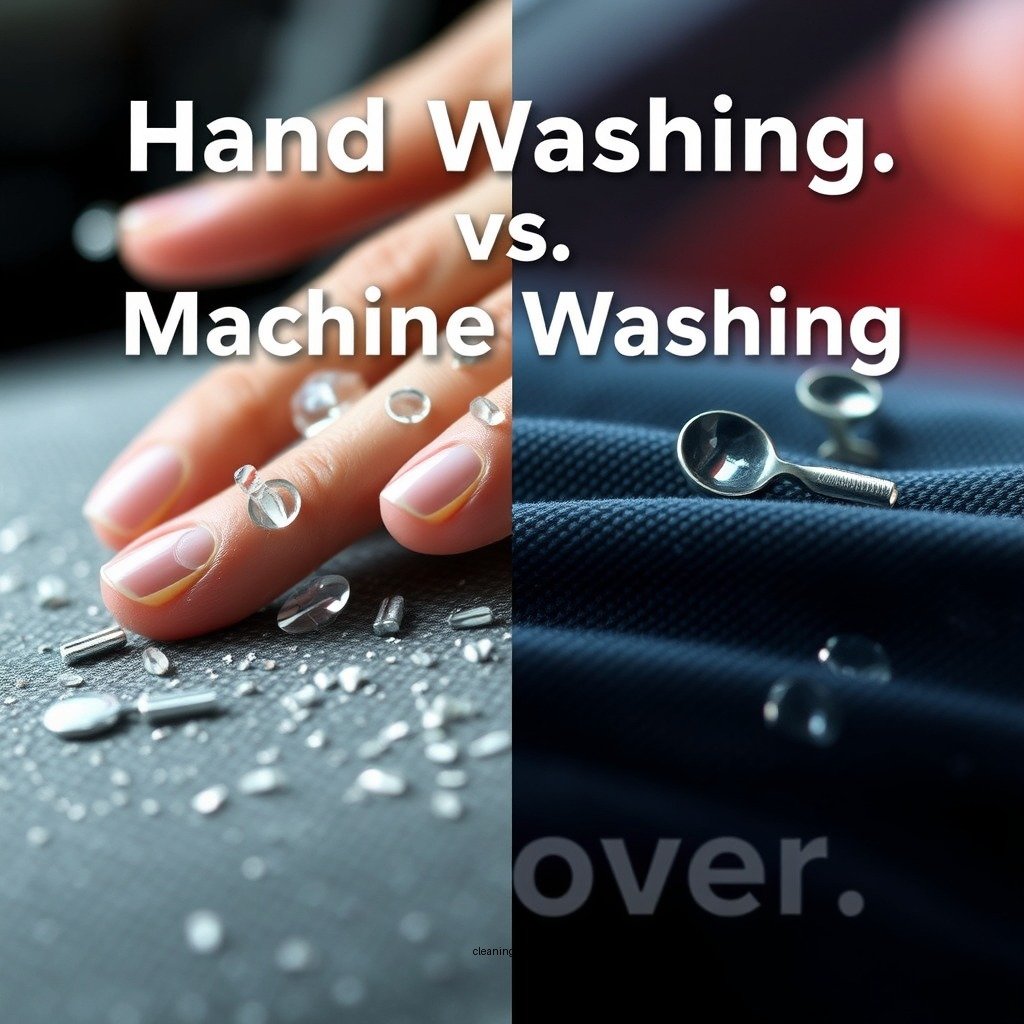
When it comes to washing your car cover, you have two primary options: hand washing and machine washing.
– Hand Washing: This method is generally recommended for delicate fabrics. Fill a large basin or bathtub with lukewarm water and a mild detergent suitable for the material. Gently scrub the cover using a soft cloth or sponge, paying extra attention to any stains. Rinse thoroughly with clean water and ensure no soap residue remains.
– Machine Washing: If the manufacturer’s instructions permit machine washing, use a gentle cycle with cold water. It’s advisable to place the cover in a mesh laundry bag to reduce wear and tear. Use a mild detergent and refrain from adding fabric softeners or bleach, as these can compromise the integrity of the material.
Both methods have their advantages, and your choice should depend on the cover’s material and your comfort level with each method.
Common Car Cover Materials and Care Guidelines
| # | Material | Washing Method | Drying Method | Durability |
|---|---|---|---|---|
| 1 | Polyester | Hand wash or machine wash on gentle | Air dry | High |
| 2 | Cotton | Hand wash | Air dry | Medium |
| 3 | Plastic | Wipe with damp cloth | Air dry | Low |
| 4 | Waterproof Fabric | Machine wash on gentle | Air dry | High |
| 5 | Breathable Fabric | Hand wash or machine | Air dry | Medium |
| 6 | Canvas | Hand wash | Air dry | High |
| 7 | Polypropylene | Wipe with damp cloth | Air dry | Low |
Using the Right Cleaning Products
Choosing the right cleaning products is crucial to maintaining the integrity of your car cover.– Eco-Friendly Options: Opt for non-toxic and biodegradable cleaners that are less harmful to the environment. These types of detergents are generally gentler on fabrics and will not leave behind harsh residues.
– Avoid Harsh Chemicals: Stay away from bleach and strong chemicals, as they can damage the fibers of the cover. Instead, look for mild detergents specifically designed for delicate fabrics.
Using the right products not only ensures a thorough clean but also prolongs the life of your car cover.
Drying Your Car Cover
Once the cleaning process is complete, the drying method you choose is equally important.
– Air Drying: It is advisable to air dry your car cover in a shaded area to prevent fading from direct sunlight. Hanging the cover on a clothesline or laying it flat on a clean surface will help maintain its shape and prevent any potential shrinkage.
– Avoiding the Dryer: Never place your car cover in a dryer. The high heat can shrink or warp the material, leading to a poor fit on your vehicle.
By following these drying guidelines, you can ensure your car cover remains in optimal condition.
Regular Maintenance Tips
Regular maintenance is essential for the longevity of your car cover. Here are some tips to keep in mind:
– Proper Storage: Store your cover in a dry, cool place when not in use. This prevents mold and mildew from developing, which can occur in damp or humid environments.
– Routine Cleaning: Make it a habit to clean your cover regularly, ideally every few months, to avoid dirt buildup. This will not only keep it looking good but also enhance its protective capabilities.
Engaging in regular maintenance will help you protect your investment and ensure that your car cover remains effective.
Troubleshooting Common Issues
Despite your best efforts, issues may arise during the lifespan of your car cover. Here are some common problems and solutions:
– Stains: Address stains promptly by treating them with appropriate cleaning solutions. For example, a mixture of water and vinegar can often effectively remove stubborn marks without damaging the fabric.
– Odors: If your cover develops odors, ensure it is completely dry before storing it. Consider using odor-neutralizing sprays designed for fabrics to eliminate any unpleasant smells.
Being proactive in addressing these issues will enhance your car cover’s performance and extend its life.
Maintaining your car cover is straightforward and can significantly enhance its durability. By following the steps outlined above, you can ensure that your cover remains clean and functional for years to come. Regular maintenance, proper cleaning, and addressing issues promptly will protect your investment and keep your vehicle looking great. Don’t hesitate to start cleaning today!
Frequently Asked Questions
How often should I clean my car cover?
It’s recommended to clean your car cover every 3 to 6 months, depending on the environmental conditions it is exposed to. If you live in a dusty area or your car cover accumulates bird droppings or tree sap, you may need to clean it more frequently to maintain its protective qualities.
What is the best way to wash a car cover?
The best way to wash a car cover is to use a mild detergent and cold water. Hand washing is preferable to machine washing, as it helps maintain the integrity of the fabric. Gently scrub any stained areas with a soft brush and rinse thoroughly to remove all soap residues.
Why should I avoid using bleach on my car cover?
You should avoid using bleach on your car cover because it can weaken the fabric fibers and lead to premature wear. Additionally, bleach can cause discoloration, which may impact the cover’s appearance and effectiveness in protecting your vehicle from UV rays and other elements.
Which materials are best for car covers, and how do I clean them?
Car covers made from breathable materials like polyester or cotton are ideal for protection and ease of cleaning. To clean these materials, hand wash with a gentle detergent and allow the cover to air dry completely to prevent mold and mildew growth.
How can I remove stubborn stains from my car cover?
To remove stubborn stains from your car cover, start by mixing a solution of mild soap and water, and apply it to the stain using a soft brush. For tougher stains, consider using a specialized fabric cleaner that is safe for the cover material. Always test any cleaner on a small, inconspicuous area first to ensure it won’t damage the fabric.
References
- https://www.sciencedirect.com/science/article/abs/pii/S221478532031139X
https://www.sciencedirect.com/science/article/abs/pii/S221478532031139X - https://www.bbc.com/future/article/20200323-how-to-care-for-your-car
https://www.bbc.com/future/article/20200323-how-to-care-for-your-car - https://www.nytimes.com/2020/07/31/realestate/how-to-protect-your-car-from-the-sun.html
https://www.nytimes.com/2020/07/31/realestate/how-to-protect-your-car-from-the-sun.html - Google Scholar Google Scholar
https://scholar.google.com/scholar?q=how+to+clean+a+car+cover - Google Scholar Google Scholar
https://scholar.google.com/scholar?q=car+cover+maintenance - Google Scholar Google Scholar
https://scholar.google.com/scholar?q=cleaning+car+cover+materials - https://www.autoblog.com/2021/08/25/how-to-clean-car-cover/
https://www.autoblog.com/2021/08/25/how-to-clean-car-cover/ - how to clean a car cover – Search results
https://en.wikipedia.org/wiki/Special:Search?search=how+to+clean+a+car+cover - https://www.ncbi.nlm.nih.gov/search/research-articles/?term=how+to+clean+a+car+cover
https://www.ncbi.nlm.nih.gov/search/research-articles/?term=how+to+clean+a+car+cover