How to Clean a Car Duster: Step-by-Step Guide
Cleaning a car duster is a straightforward process that ensures your duster remains effective and prolongs its lifespan. By regularly cleaning your duster, you can remove dust and debris, keeping it in optimal condition for use. In this guide, you’ll learn the best methods to clean different types of car dusters, ensuring that your cleaning tools remain efficient and ready for action.
Understanding Your Car Duster

Car dusters come in various materials, each designed for specific cleaning tasks. The most common materials include microfiber, wool, and synthetic fibers. Microfiber dusters, for instance, are highly effective at trapping dust due to their fine fibers and can easily pick up dirt without the need for additional cleaning products. Wool dusters are excellent for delicate surfaces as they are gentle yet effective, providing a soft touch that won’t scratch the finish. Synthetic fiber dusters, on the other hand, are durable and often resist wear and tear, making them ideal for regular use.
The design of the duster also impacts its cleaning effectiveness. For instance, dusters with long handles allow you to reach deep into crevices and hard-to-reach areas, while those with wider surfaces cover more area in less time. Understanding these aspects will help you choose the right duster for your needs and will inform your cleaning techniques to maintain their functionality.
When to Clean Your Car Duster
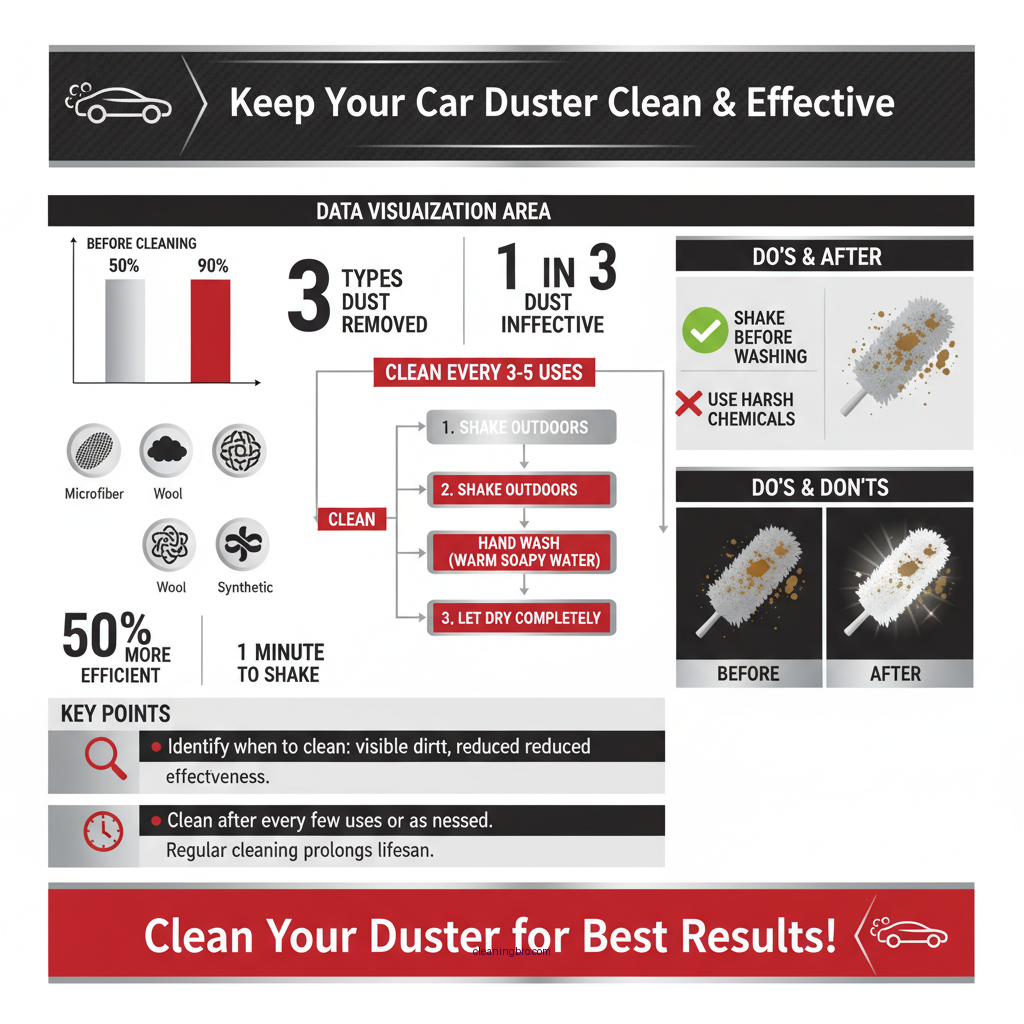
Knowing when to clean your car duster is essential for maintaining its effectiveness. Signs that your duster needs cleaning include visible dirt buildup, noticeable reduction in dust pickup, or a change in texture that makes it less effective at cleaning. Ideally, you should clean your duster after every few uses or when you notice it is no longer performing effectively.
The frequency of cleaning can also depend on environmental conditions. For example, if you frequently use your duster in dusty areas or during pollen season, you might find yourself needing to clean it more often. Conversely, if your vehicle is kept in a garage or sheltered from the elements, you may not need to clean the duster as frequently. Keeping a regular schedule for cleaning can help ensure that your duster remains in optimal condition.
Basic Cleaning Method for Microfiber Dust Dusters
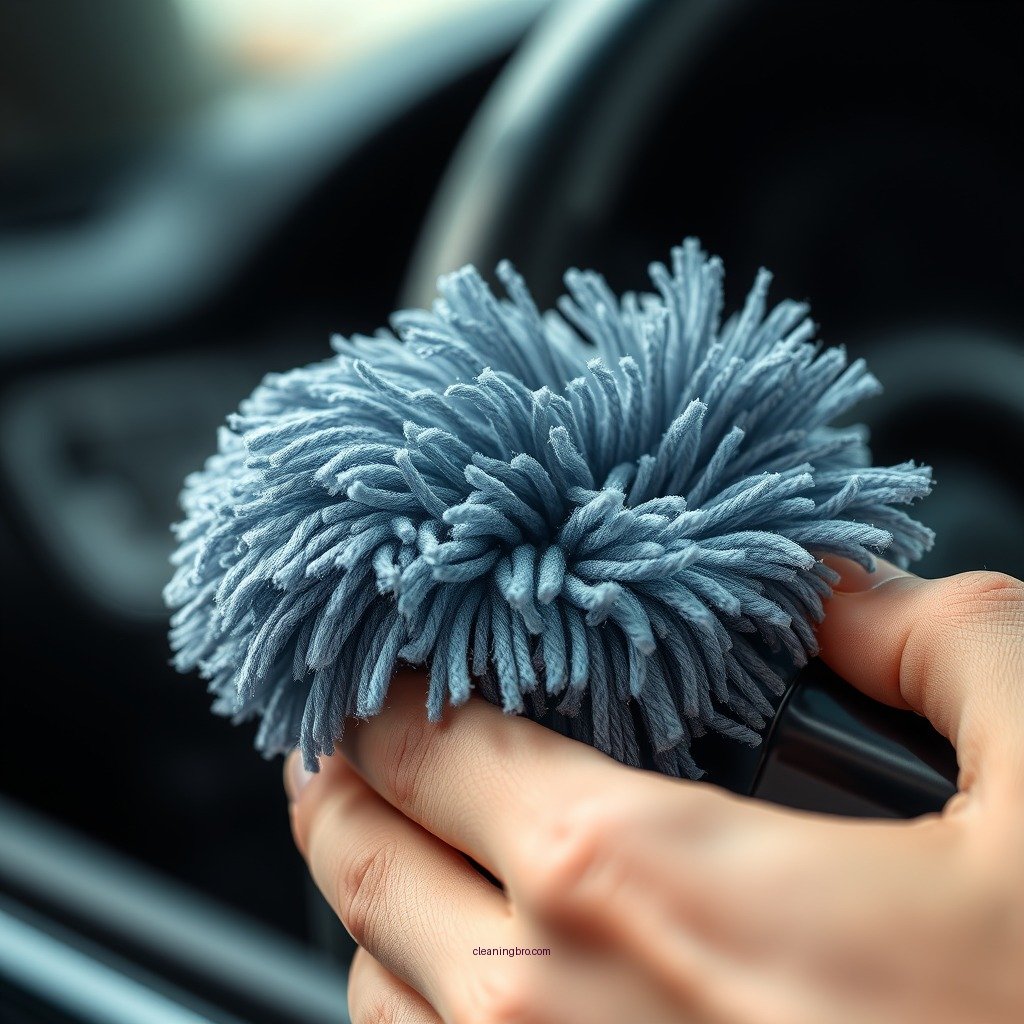
Microfiber dusters are remarkably easy to clean. Start by shaking the duster outdoors to remove any loose dust and debris. This step is crucial as it prevents dust from accumulating in your washing water. Next, hand wash the duster in warm soapy water, using a mild detergent that is free of harsh chemicals. Gently scrub the fibers with your fingers to dislodge any trapped dirt or grime.
After washing, rinse the duster thoroughly under cool water to remove all soap residue. Avoid wringing out the duster, as this can damage the fibers. Instead, gently squeeze out excess water and hang it to air dry. Do not use a dryer or expose the duster to direct sunlight, as heat can degrade the microfiber material over time.
Cleaning Wool Car Dust Dusters
Cleaning a wool car duster requires a gentle approach to preserve the natural fibers. Begin by taking the duster outside and giving it a gentle shake to remove surface dust. This step is important to avoid transferring dirt to the washing process. Next, wash the duster in cold water using a mild detergent specifically formulated for wool to prevent damaging the fibers.
Gently agitate the duster in the water, being careful not to scrub too hard. After the washing process, rinse the duster thoroughly in cold water until all soap is removed. Similar to microfiber dusters, do not wring out the wool duster; instead, lay it flat on a clean towel to absorb excess moisture and allow it to air dry completely before using it again.
Maintaining Synthetic Car Dust Dusters
Synthetic car dusters are designed for durability and offer a no-fuss cleaning process. To maintain their effectiveness, start by rinsing the duster with water to remove any loose dust and debris. If the duster is particularly dirty, you may opt to hand wash it with a mild detergent. Gently scrub the fibers, then rinse thoroughly to ensure all soap is washed away.
After cleaning, allow the synthetic duster to air dry completely. It is critical to avoid using heat sources such as dryers or heaters, as high temperatures can warp or damage synthetic materials. Regular rinsing and cleaning will help maintain the duster’s performance over time.
Tips for Keeping Your Car Duster in Top Shape
Proper storage and routine inspections are key to extending the life of your car duster. Store your duster in a clean, dry place, preferably in a dedicated holder or bag that protects it from dust accumulation. Avoid leaving it in the trunk of your car or in any location prone to dust, as this will counteract the cleaning efforts.
Regularly inspect your duster for signs of wear and tear, such as frayed fibers or a loss of structure. If you notice significant damage, it may be time to replace the duster altogether. Additionally, consider marking a reminder on your calendar to clean your duster regularly based on your usage and environmental conditions.
Top 7 Car Duster Materials and Their Cleaning Methods
| # | Material | Cleaning Method | Effectiveness |
|---|---|---|---|
| 1 | Microfiber | Hand wash in warm soapy water | High |
| 2 | Wool | Wash in cold water with mild detergent | Medium |
| 3 | Synthetic | Rinse and air dry | High |
| 4 | Cotton | Machine wash | Medium |
| 5 | Feather | Dusting only, no wash | Low |
| 6 | Bamboo | Rinse and air dry | Medium |
| 7 | Chamois | Hand wash with mild soap | High |
Microfiber vs Wool vs Synthetic Car Dusters: Full Comparison
| Feature | ⭐ Microfiber | Wool | Synthetic |
|---|---|---|---|
| Material | Microfiber | Wool | Synthetic |
| Best Use Case | General cleaning | Delicate surfaces | Durable cleaning |
| Cleaning Frequency | Every few uses | After multiple uses | Rinse as needed |
| Drying Method | Air dry | Air dry | Air dry |
| Scrubbing Required | Light scrubbing | Gentle touch | Minimal effort |
| Lint-Free | Yes | Yes | Yes |
| Durability | High | Medium | High |
| Price Range | $10-$25 | $15-$30 | $8-$20 |
| Best For | General cleaning | Delicate surfaces | Durable cleaning |
Maintaining the cleanliness and functionality of your car duster is crucial for optimal performance. Regular cleaning and careful handling based on the material type will ensure your duster remains effective for years to come. By understanding the specific cleaning methods for different materials—whether microfiber, wool, or synthetic—you can preserve the quality of your duster and enhance its lifespan. Implementing these cleaning techniques and maintenance tips will not only keep your car duster in top shape but also contribute to maintaining your vehicle’s pristine condition.
Frequently Asked Questions
How do you properly clean a car duster?
To clean a car duster, first, shake it gently to remove loose dust and debris. Next, use a mild detergent mixed with water to lightly dampen a cloth and wipe the duster’s surface. Avoid soaking it, as excess moisture can damage the fibers. Finally, let the duster air dry completely before using it again.
What materials are used in a car duster, and how do they affect cleaning?
Car dusters are typically made from microfiber or cotton materials, which are designed to effectively trap dust without scratching surfaces. Microfiber is highly absorbent and can pick up more particles, while cotton is softer and can be gentler on delicate finishes. Choosing the right material can enhance your cleaning experience and protect your vehicle’s paint.
Why is it important to clean a car duster regularly?
Regularly cleaning your car duster is essential to ensure it remains effective at picking up dust and dirt without scratching your vehicle’s surface. Accumulated debris can lead to scratches and swirl marks, which can mar your car’s finish. By maintaining a clean duster, you preserve the quality of your vehicle’s appearance and prolong the life of the duster itself.
What is the best way to store a car duster after cleaning?
After cleaning your car duster, the best way to store it is in a cool, dry place away from direct sunlight. Hang it up or store it in a breathable bag to prevent dust accumulation. Avoid placing it in closed containers, as this can trap moisture and lead to mold or mildew growth, reducing its effectiveness for future use.
Which products should you avoid when cleaning a car duster?
When cleaning a car duster, avoid using fabric softeners, bleach, or harsh chemicals, as these can degrade the fibers and reduce their effectiveness. Instead, opt for mild detergents that are free from additives. Using the wrong products can result in a duster that doesn’t clean well and could potentially damage your car’s finish during use.
References
- https://en.wikipedia.org/wiki/Duster_(cleaning
https://en.wikipedia.org/wiki/Duster_(cleaning - https://pubmed.ncbi.nlm.nih.gov/
https://pubmed.ncbi.nlm.nih.gov/ - https://www.sciencedirect.com/
https://www.sciencedirect.com/ - Encyclopedia Britannica | Britannica
https://www.britannica.com/ - The New York Times – Breaking News, US News, World News and Videos
https://www.nytimes.com/ - Google Scholar Google Scholar
https://scholar.google.com/scholar?q=how+to+clean+a+car+duster - Google Scholar Google Scholar
https://scholar.google.com/scholar?q=car+cleaning+tools - Google Scholar Google Scholar
https://scholar.google.com/scholar?q=cleaning+techniques+for+car+interiors - Centers for Disease Control and Prevention | CDC
https://www.cdc.gov/ - World Health Organization (WHO)
https://www.who.int/