How to Clean a Cast Iron Kettle: Step-by-Step Guide
Cleaning a cast iron kettle is essential for maintaining its longevity and performance. The best way to achieve this is by avoiding soap and using natural ingredients. In this guide, you will learn effective methods for cleaning your cast iron kettle without damaging its seasoning, ensuring it remains a vital tool in your kitchen for years to come.
Understanding the Importance of Seasoning
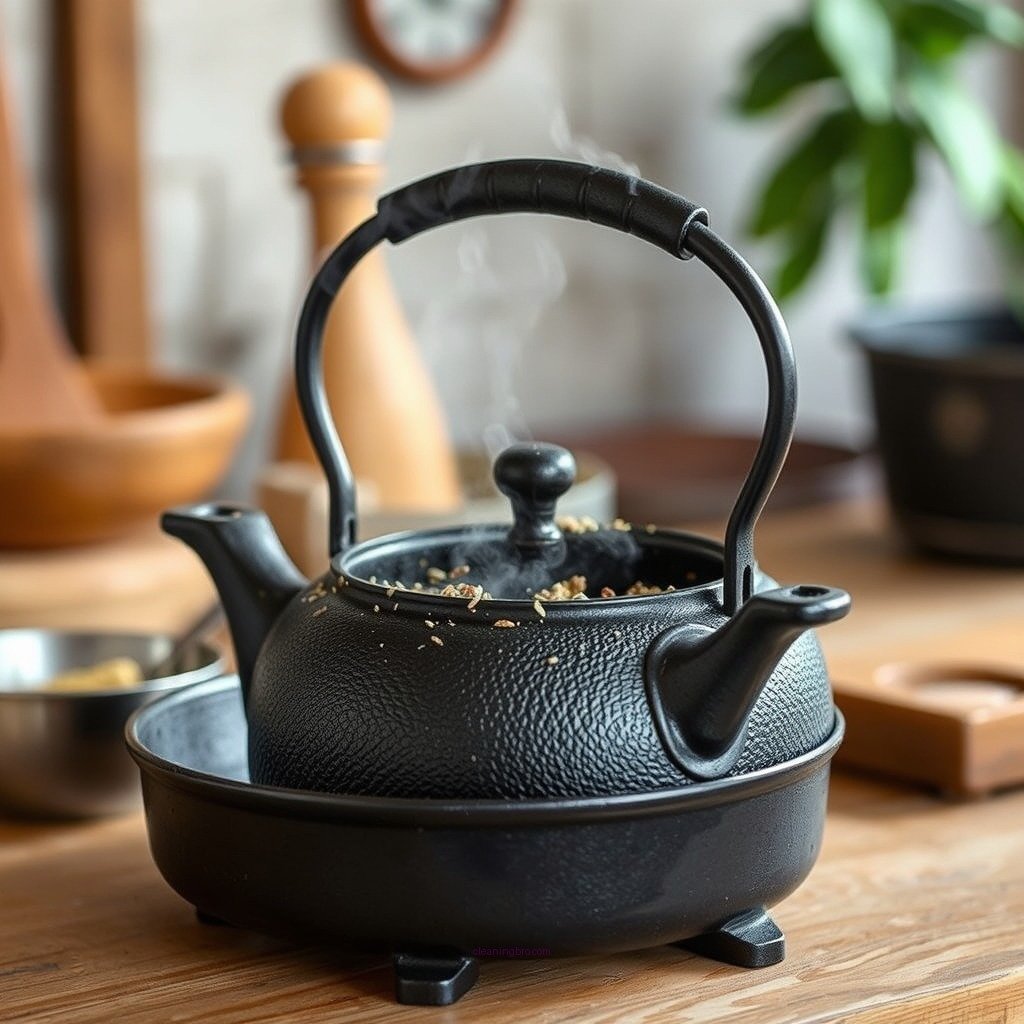
Seasoning is the process of treating the cast iron kettle with oil to create a natural non-stick surface. This layer enhances cooking by allowing food to release easily and providing protection against rust. Properly seasoned cast iron retains heat efficiently, making it ideal for slow cooking, frying, and baking.
Basic Cleaning Techniques
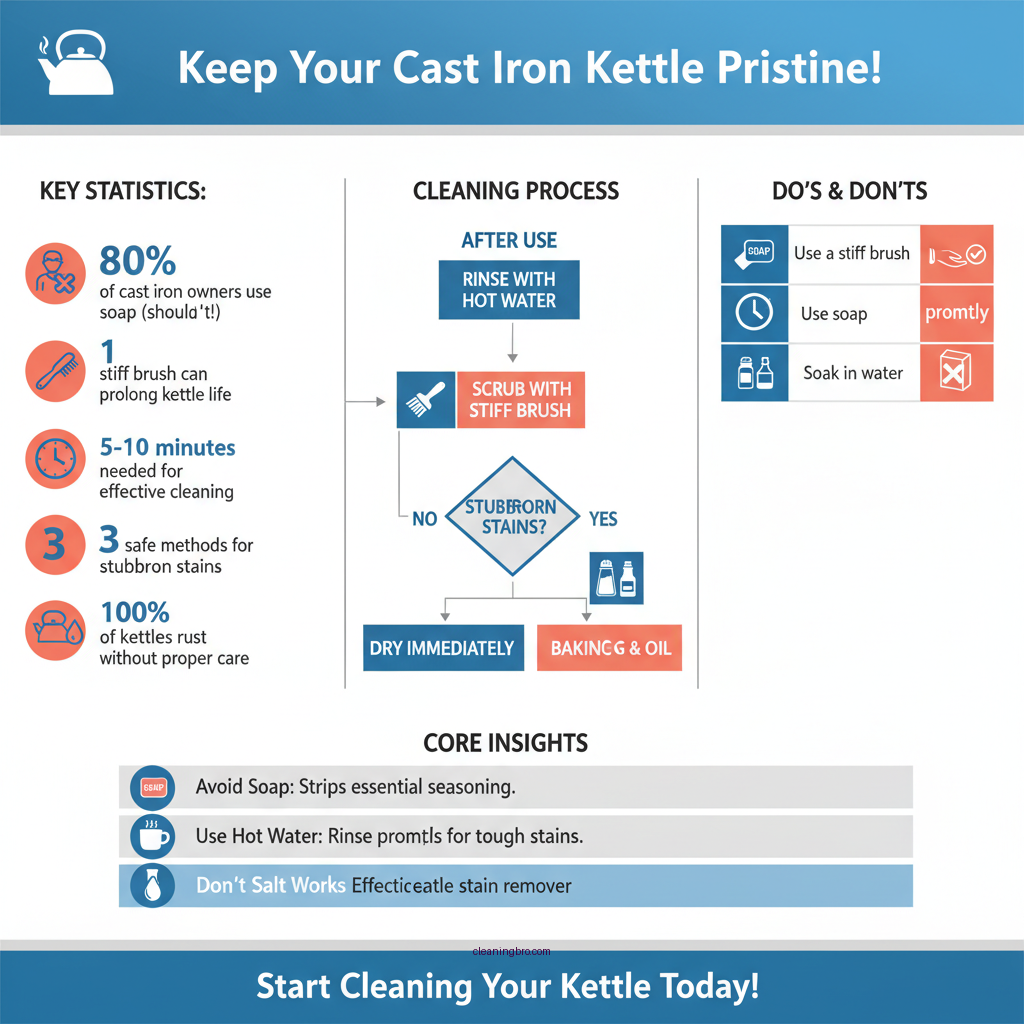
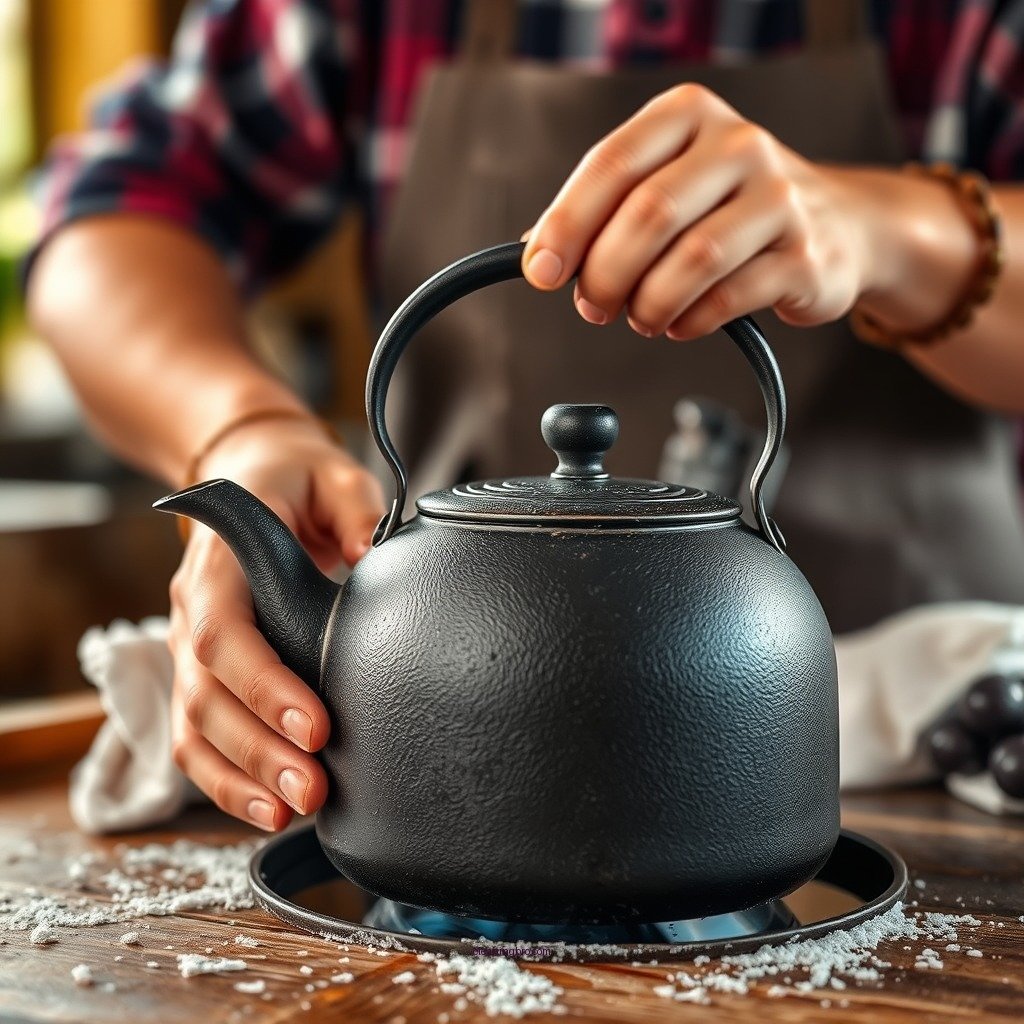
To clean your cast iron kettle effectively, avoid using soap, as it can strip away the seasoning. Instead, follow these basic cleaning techniques:
1. Hot Water and a Stiff Brush: After each use, allow the kettle to cool slightly, then rinse it with hot water. Use a stiff brush to scrub away any food residue. This method is effective in removing debris without damaging the seasoning.
2. Avoid Soaking: Never soak your cast iron kettle in water. Prolonged exposure to moisture can lead to rusting. Instead, clean it promptly after use and dry it thoroughly.
3. Use Minimal Water: When rinsing, use just enough hot water to remove stuck-on bits. This minimizes the risk of rust and helps preserve the seasoning layer.
By sticking to these basic techniques, you can keep your cast iron kettle clean while prolonging its lifespan.
Dealing with Stubborn Stains
Stubborn stains can occur, especially with foods that are sticky or heavily spiced. Here are a few methods to tackle these tough stains without compromising your kettle’s seasoning:
1. Coarse Salt Scrub: For tough stains, sprinkle a generous amount of coarse salt into the kettle. Use a soft cloth or sponge to scrub gently. The abrasiveness of the salt effectively lifts stains without damaging the seasoning.
2. Baking Soda Paste: Another option is to create a paste using baking soda and a small amount of water. Apply this paste to the stained area and let it sit for a few minutes before scrubbing gently with a cloth.
3. Avoid Harsh Chemicals: Steer clear of steel wool or harsh chemical cleaners, as these can scratch the surface and strip away the seasoning. Stick to natural abrasives for effective cleaning.
By employing these techniques, you can address stubborn stains while maintaining the integrity of your cast iron kettle.
Rinsing and Drying Properly
After cleaning, it’s essential to rinse and dry your cast iron kettle correctly to prevent rust:
1. Rinse with Warm Water: Use warm water to rinse away any remaining food particles and cleaning agents (if used). Ensure that all residue is removed.
2. Thorough Drying: Immediately dry the kettle with a clean, dry cloth or paper towel. It’s crucial to remove all moisture, as any water left on the surface can lead to rust formation.
3. Heat Drying Option: For added assurance, place the kettle on low heat on the stovetop for a few minutes. This method evaporates any remaining moisture and ensures a completely dry surface.
Proper rinsing and drying not only help prevent rust but also maintain the seasoning of the kettle, allowing it to continue performing optimally.
Re-seasoning Your Kettle
Over time, the seasoning of your cast iron kettle may need to be refreshed. Here’s how to re-season your kettle effectively:
1. Apply Oil: After cleaning and drying, apply a thin layer of vegetable oil (or any neutral oil) to the inside of the kettle. Use a paper towel to spread the oil evenly across the surface.
2. Oven Heating: Preheat your oven to 350°F (175°C). Place the kettle upside down on the top rack of the oven and put a baking sheet on the bottom rack to catch any drips. Heat it for about an hour. This process allows the oil to bond to the iron, creating a new layer of seasoning.
3. Cool and Store: Once the hour is up, turn off the oven and let the kettle cool inside. Once cooled, wipe off any excess oil and store it in a dry location.
Re-seasoning your kettle periodically will ensure it maintains its non-stick properties and protects it from rust.
Tips for Long-Term Care
Maintaining your cast iron kettle requires regular attention to prevent rust and ensure optimal performance:
1. Proper Storage: Store your kettle in a dry place, away from moisture. If storing for an extended period, consider placing a paper towel inside to absorb any humidity.
2. Check for Rust: Regularly inspect your kettle for signs of rust. If you notice any, you can scrub the rusty area with a mixture of baking soda and water, then re-season it.
3. Use it Regularly: The more you use your cast iron kettle, the better the seasoning will become. Regular cooking helps develop a strong seasoning layer, making it more resilient against rust and sticking.
4. Avoid Thermal Shock: Never expose your kettle to sudden temperature changes, such as placing a hot kettle in cold water. This can crack the iron. Instead, allow it to cool gradually.
By incorporating these long-term care tips into your routine, you can ensure your cast iron kettle remains a beloved kitchen tool for generations.
Top 7 Cast Iron Kettle Brands (2024)
| # | Brand | Material | Weight (lbs) | User Rating |
|---|---|---|---|---|
| 1 | Lodge | Cast Iron | 5.5 | ★★★★☆ |
| 2 | Camp Chef | Cast Iron | 6.0 | ★★★★★ |
| 3 | Cuisinart | Cast Iron | 5.0 | ★★★★☆ |
| 4 | Le Creuset | Enamel-Coated | 6.5 | ★★★★★ |
| 5 | Victoria | Cast Iron | 5.0 | ★★★★☆ |
| 6 | Bayou Classic | Cast Iron | 7.0 | ★★★★☆ |
| 7 | Martha Stewart | Cast Iron | 5.5 | ★★★☆☆ |
Cast Iron Kettle Cleaning Effectiveness (2024)
Cast Iron Kettle Brands: Feature Comparison
| Feature | ⭐ Lodge | Camp Chef | Le Creuset |
|---|---|---|---|
| Price | $49.99 | $59.99 | $250.00 |
| Material | Cast Iron | Cast Iron | Enamel-Coated |
| Weight | 5.5 lbs | 6.0 lbs | 6.5 lbs |
| Capacity | 2.5 Quarts | 3.0 Quarts | 5.5 Quarts |
| Color Options | Black | Black | Multiple |
| Compatibility | All Stovetops | All Stovetops | Oven Safe |
| User Rating | ★★★★☆ | ★★★★★ | ★★★★★ |
| Ideal For | Everyday Cooking | Outdoor Cooking | Gourmet Cooking |
| Warranty | Lifetime | Limited Lifetime | Limited Lifetime |
| 🏆 Best For | Budget Users | Outdoor Enthusiasts | Gourmet Cooking |
Maintaining the cleanliness and seasoning of your cast iron kettle is crucial for its durability and performance in the kitchen. By following these steps, you can ensure that your kettle remains a cherished tool for years to come. Start implementing these cleaning techniques today, and enjoy cooking with a well-maintained cast iron kettle!
Frequently Asked Questions
What is the best way to clean a cast iron kettle without damaging it?
The best way to clean a cast iron kettle is to avoid using soap and harsh cleaning tools. Instead, use hot water and a stiff brush or a non-metal scrubber to remove food residue. For stubborn stains, you can boil water in the kettle to loosen debris, then rinse and dry it thoroughly to prevent rust.
How do I remove rust from a cast iron kettle?
To remove rust from a cast iron kettle, start by scrubbing the affected areas with a mixture of coarse salt and a bit of vegetable oil. For extensive rust, you may need to use fine steel wool to scrub away the corrosion, followed by a thorough cleaning with hot water. Afterward, re-season the kettle by applying a thin layer of vegetable oil to restore its protective coating.
Why is it important to season my cast iron kettle after cleaning?
Seasoning your cast iron kettle after cleaning is crucial because it creates a non-stick surface and protects the metal from moisture, which can lead to rust. The seasoning process involves applying a thin layer of oil and heating the kettle, allowing the oil to polymerize and form a durable coating. Regular seasoning helps maintain the kettle’s performance and longevity.
Which cleaning products are safe to use on a cast iron kettle?
When cleaning a cast iron kettle, it’s best to stick to natural cleaning products like coarse salt, baking soda, or vinegar, as these won’t damage the seasoning. Avoid using soap and abrasive cleaners, as they can strip the seasoning and compromise the kettle’s non-stick surface. Always remember to dry the kettle thoroughly after cleaning to prevent rust.
How often should I clean my cast iron kettle?
You should clean your cast iron kettle after each use to maintain its seasoning and prevent food build-up. If you notice any signs of rust or if the kettle starts to lose its non-stick properties, consider a deeper cleaning and re-seasoning. Regular maintenance will ensure your cast iron kettle lasts for generations while providing optimal cooking performance.
References
- Cast iron
https://en.wikipedia.org/wiki/Cast_iron - Cast iron | Definition, Composition, History, & Facts | Britannica
https://www.britannica.com/topic/cast-iron - https://www.sciencedirect.com/science/article/pii/S0304416519300591
https://www.sciencedirect.com/science/article/pii/S0304416519300591 - https://www.nytimes.com/2020/05/06/dining/cast-iron-skillet-care.html
https://www.nytimes.com/2020/05/06/dining/cast-iron-skillet-care.html - https://www.cdc.gov/healthywater/drinking/campers/campers-guide-cooking.html
https://www.cdc.gov/healthywater/drinking/campers/campers-guide-cooking.html - https://www.foodsafety.gov/keep/charts/safefood.html
https://www.foodsafety.gov/keep/charts/safefood.html - Google Scholar Google Scholar
https://scholar.google.com/scholar?q=cleaning+cast+iron+kettle - Google Scholar Google Scholar
https://scholar.google.com/scholar?q=cast+iron+care+and+maintenance - Google Scholar Google Scholar
https://scholar.google.com/scholar?q=cast+iron+kettle+cleaning+methods - Google Scholar Google Scholar
https://scholar.google.com/scholar?q=how+to+clean+a+cast+iron+kettle