How to Clean a Clarinet Mouthpiece: Simple Steps
Cleaning your clarinet mouthpiece is essential for maintaining good hygiene and ensuring optimal sound quality. A well-maintained mouthpiece not only contributes to better health by reducing the risk of bacterial contamination but also enhances the performance of your instrument. In this article, you’ll learn step-by-step how to effectively clean your mouthpiece, ensuring a pleasant and safe playing experience.
Understanding the Importance of Cleaning
Regular cleaning of your clarinet mouthpiece serves multiple critical purposes. First and foremost, it prevents bacteria build-up that can affect your health. Mouthpieces come into contact with saliva and other debris, creating a breeding ground for germs. By cleaning it regularly, you minimize the risks of oral diseases and infections.
Moreover, a clean mouthpiece significantly enhances the quality of sound produced by the clarinet. Residue from food particles, saliva, and other contaminants can obstruct airflow and dampen sound quality. When you maintain a clean mouthpiece, you ensure that the air flows freely, allowing for clearer, more resonant tones.
Materials Needed for Cleaning
Before you begin the cleaning process, gather the following materials to ensure an efficient and effective cleaning session:
– Soft cloth or microfiber cloth: Ideal for drying and polishing the mouthpiece without scratching or damaging it.
– Warm water and mild soap: Use a gentle dish soap that will effectively remove grease and grime without harming the material of the mouthpiece.
– Flexible brush specifically designed for mouthpieces: This will help you reach and clean the interior of the mouthpiece thoroughly.
Having these materials on hand will streamline the cleaning process and help you achieve optimal results.
Step-by-Step Cleaning Process
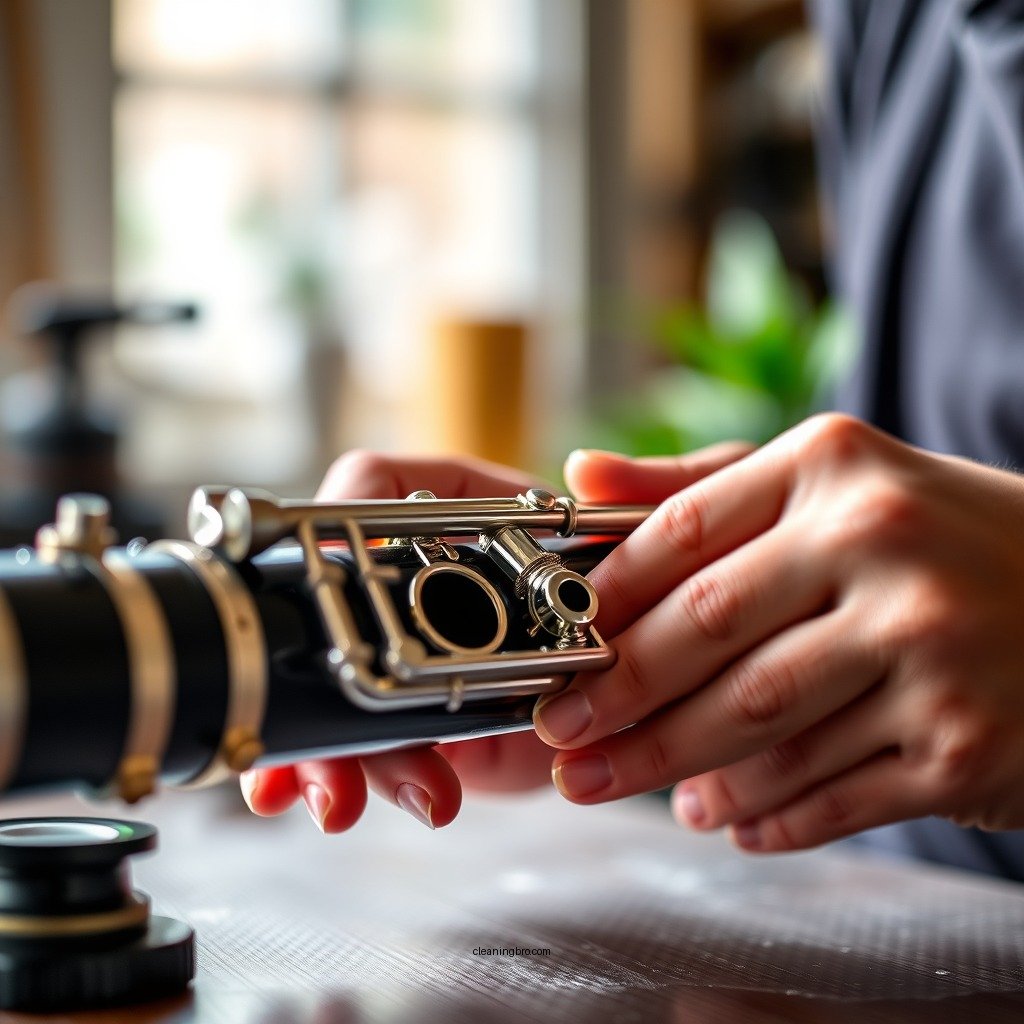
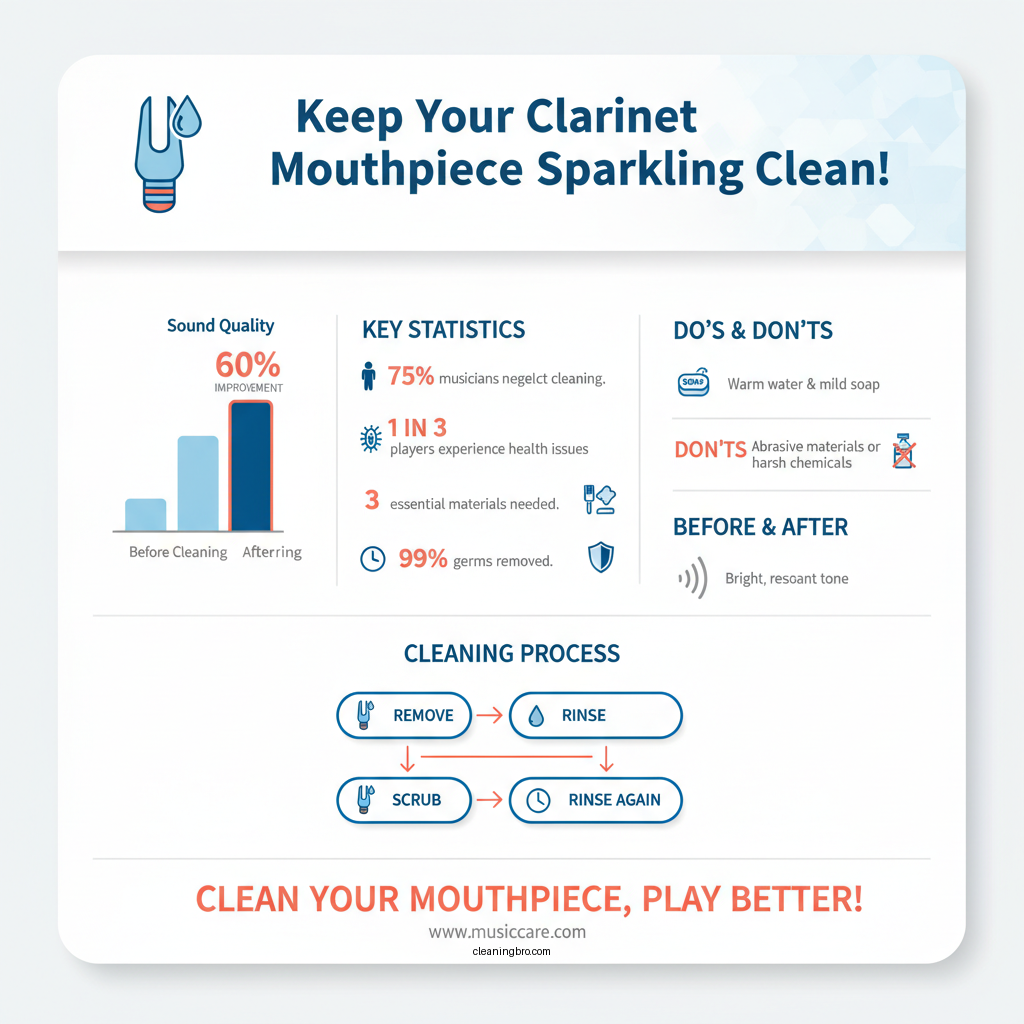
Cleaning your clarinet mouthpiece is a straightforward process. Follow these steps for effective cleaning:
1. Remove the mouthpiece from the clarinet: Carefully detach the mouthpiece from the clarinet to prevent any accidental damage during cleaning.
2. Rinse the mouthpiece under warm water: Hold the mouthpiece under warm running water to eliminate any loose debris or saliva. This initial rinse is crucial for preparing the surface for deeper cleaning.
3. Use a soft brush to gently scrub the interior: Apply a small amount of mild soap to your flexible brush. Insert the brush into the mouthpiece and gently scrub the interior, paying particular attention to any areas with visible residue. Avoid using excessive force, as this could damage the mouthpiece.
4. Rinse again thoroughly: After scrubbing, rinse the mouthpiece under warm water to remove any soap residue. Ensure that no soap is left on the mouthpiece, as it could affect the taste when you play.
5. Dry the mouthpiece completely: Use a soft cloth or microfiber cloth to dry the mouthpiece thoroughly. Ensure that no moisture remains, as this can lead to mold or bacteria growth.
Additional Cleaning Tips
For optimal results, consider the following additional cleaning tips:
– Avoid using harsh chemicals: Chemicals such as bleach can damage the mouthpiece material and compromise its integrity. Stick to mild soap and water for cleaning.
– Clean the mouthpiece after each use: Regular cleaning will prevent the build-up of residue and bacteria, ensuring a more hygienic playing experience.
– Ensure thorough drying: After cleaning, always dry the mouthpiece completely to prevent moisture build-up, which can lead to unpleasant odors and mold growth.
Troubleshooting Common Issues
Occasionally, you may encounter issues such as persistent taste or smell despite regular cleaning. In such cases, consider the following approaches:
– Soak in a mild soap solution: If the taste or smell remains, soak the mouthpiece in a solution of warm water and mild soap for about 10-15 minutes before rinsing and drying again.
– Use a vinegar and water mixture: For stubborn residue, create a solution of equal parts vinegar and water. Soak the mouthpiece for a few minutes, scrub gently, and then rinse thoroughly.
Maintaining Your Mouthpiece
To prolong the life of your mouthpiece and maintain its performance, consider the following maintenance tips:
– Store the mouthpiece in a protective case: When not in use, keep your mouthpiece in a case to shield it from dust accumulation and potential damage.
– Regularly inspect for signs of wear: Check for cracks, chips, or any other damage that may require replacement. A damaged mouthpiece can significantly impact the sound quality of your clarinet.
Data Insights
Top 7 Mouthpieces for Clarinets (2023)
| # | Brand | Material | Price | Rating |
|---|---|---|---|---|
| 1 | Vandoren B45 | Hard Rubber | $100 | ★★★★☆ |
| 2 | Rovner Versa | Rubber | $75 | ★★★★★ |
| 3 | Yamaha 4C | Resin | $50 | ★★★★☆ |
| 4 | Selmer C85 | Hard Rubber | $150 | ★★★★★ |
| 5 | D’Addario Reserve | Hard Rubber | $120 | ★★★★☆ |
| 6 | Meyer 5M | Hard Rubber | $85 | ★★★☆☆ |
| 7 | Vandoren M30 | Hard Rubber | $95 | ★★★★☆ |
Comparison of Mouthpiece Options
Vandoren B45 vs Rovner Versa vs Yamaha 4C
| Feature | ⭐ Vandoren B45 | Rovner Versa | Yamaha 4C |
|---|---|---|---|
| Material | Hard Rubber | Rubber | Resin |
| Price | $100 | $75 | $50 |
| Sound Quality | ✅ Excellent | ✅ Very Good | ✅ Good |
| Durability | ✅ High | ✅ Medium | ✅ Medium |
| Ease of Cleaning | ✅ Easy | ✅ Moderate | ✅ Easy |
| Recommended For | Advanced Players | Students | Beginners |
| Sound Projection | Excellent | Very Good | Good |
| Compatibility | Most Clarinets | Most Clarinets | Yamaha Clarinets |
| Overall Rating | ★★★★☆ | ★★★★★ | ★★★★☆ |
| 🏆 Best For | Advanced Players | Students | Beginners |
Cleaning your clarinet mouthpiece is a straightforward process that significantly enhances your playing experience. By following the steps outlined in this article, you can maintain good hygiene and improve the quality of sound produced by your instrument. Don’t forget to explore other maintenance tips for your clarinet to ensure it remains in top condition for years to come!
Frequently Asked Questions
What is the best way to clean a clarinet mouthpiece?
The best way to clean a clarinet mouthpiece is to use warm, soapy water with a mild dish detergent. Submerge the mouthpiece for a few minutes, then use a soft cloth or a brush designed for woodwind instruments to gently scrub away any residue. Rinse thoroughly with clean water and allow it to air dry completely before reattaching it to your clarinet.
How often should I clean my clarinet mouthpiece?
You should clean your clarinet mouthpiece after every use to remove bacteria, saliva, and buildup that can affect your playing and health. Additionally, a deeper cleaning with warm, soapy water should be done regularly, about once a month, to maintain optimal hygiene and performance.
Why is it important to clean a clarinet mouthpiece?
Cleaning a clarinet mouthpiece is important because it helps prevent the growth of bacteria and mold that can cause health issues, as well as ensuring good sound quality. Regular cleaning removes moisture and residue that can affect the instrument’s performance, ultimately enhancing your playing experience.
Which tools are best for cleaning a clarinet mouthpiece?
The best tools for cleaning a clarinet mouthpiece include a soft cloth, a small brush specifically designed for woodwind instruments, and a mild dish soap. Avoid using harsh chemicals or abrasive materials, as they can damage the mouthpiece. A pipe cleaner can also be useful for reaching tight spaces.
Can I use vinegar to clean my clarinet mouthpiece?
While vinegar is a natural cleaning agent, it is not recommended for cleaning a clarinet mouthpiece due to its acidity, which can damage the material over time. Instead, stick to warm, soapy water for a safe and effective cleaning method that maintains the integrity of your mouthpiece.
References
- Moh Lee Hwah Choral Sheet Music | J.W. Pepper
https://www.jwpepper.com/Clarinet-Care-and-Maintenance/10026763.item - Shop Band & Orchestra Instruments from Woodwind & Brasswind | Music & Arts
https://www.wwbw.com/Clarinet-Mouthpiece-Care-and-Maintenance–The-Basics–How-to-Clean-a-Clarinet-Mouthpiece - https://www.klarinet.com/faq/faq.html
https://www.klarinet.com/faq/faq.html - Google Scholar Google Scholar
https://scholar.google.com/scholar?q=cleaning+clarinet+mouthpiece - Google Scholar Google Scholar
https://scholar.google.com/scholar?q=clarinet+mouthpiece+maintenance - Google Scholar Google Scholar
https://scholar.google.com/scholar?q=clarinet+care+cleaning+guide - Shop Band & Orchestra Instruments from Woodwind & Brasswind | Music & Arts
https://www.wwbw.com/Clarinet-Cleaning-and-Maintenance-Guide - Google Scholar Google Scholar
https://scholar.google.com/scholar?q=how+to+clean+a+clarinet+mouthpiece - how to clean a clarinet mouthpiece – Search results
https://en.wikipedia.org/wiki/Special:Search?search=how+to+clean+a+clarinet+mouthpiece - https://www.ncbi.nlm.nih.gov/search/research-articles/?term=how+to+clean+a+clarinet+mouthpiece
https://www.ncbi.nlm.nih.gov/search/research-articles/?term=how+to+clean+a+clarinet+mouthpiece