How to Clean a Corset: A Step-by-Step Guide
Cleaning a corset requires careful attention to detail to maintain its shape and fabric integrity. The best way to clean a corset typically involves hand washing or spot cleaning, depending on the material and embellishments. In this guide, you’ll learn the essential methods and tips for cleaning your corset effectively while preserving its beauty.
Understanding Your Corset Material
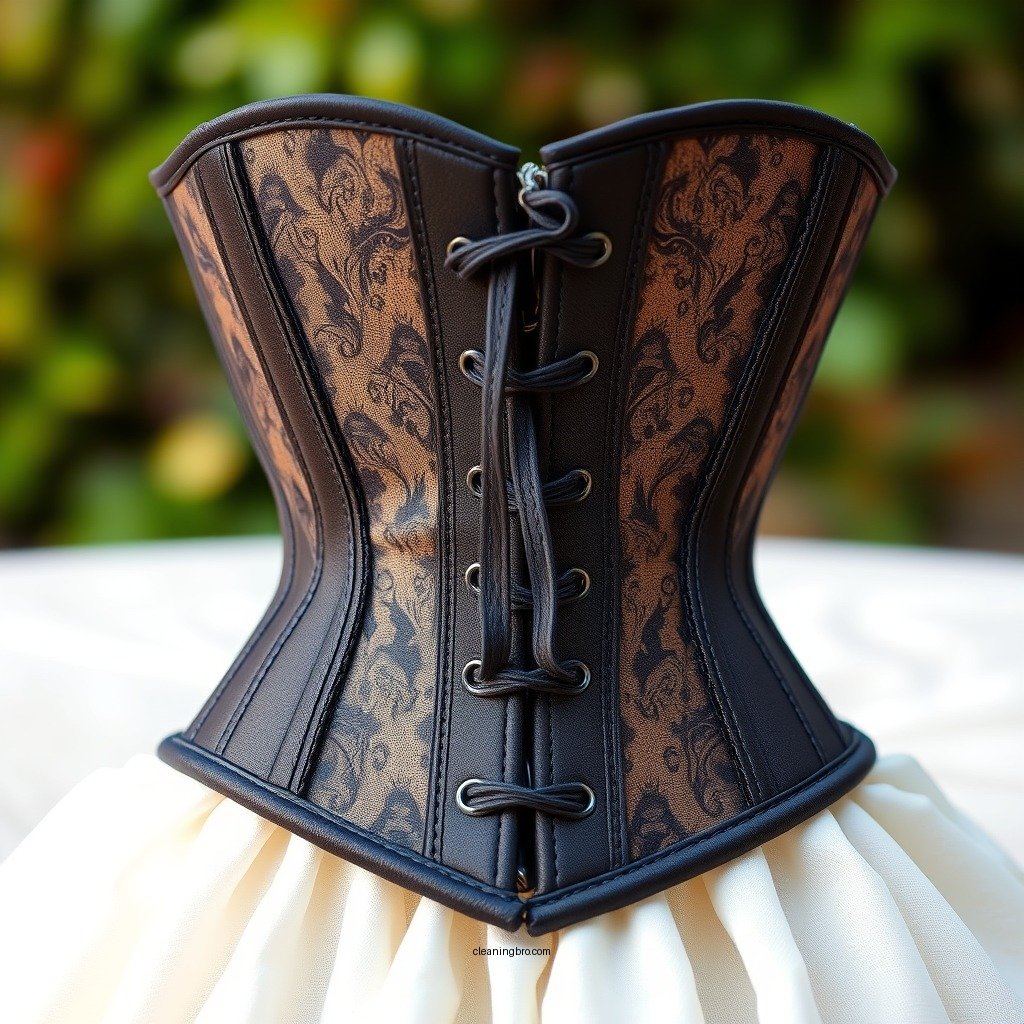
Corsets can be made from a variety of materials, each requiring specific care to ensure their longevity and functionality. Common materials include satin, lace, cotton, and leather, each with its own unique properties. Satin, for instance, is delicate and can be easily damaged by harsh cleaning methods, while cotton is generally more durable and may withstand machine washing in certain cases. Lace is often more intricate and may require extra care to prevent tearing or fraying.
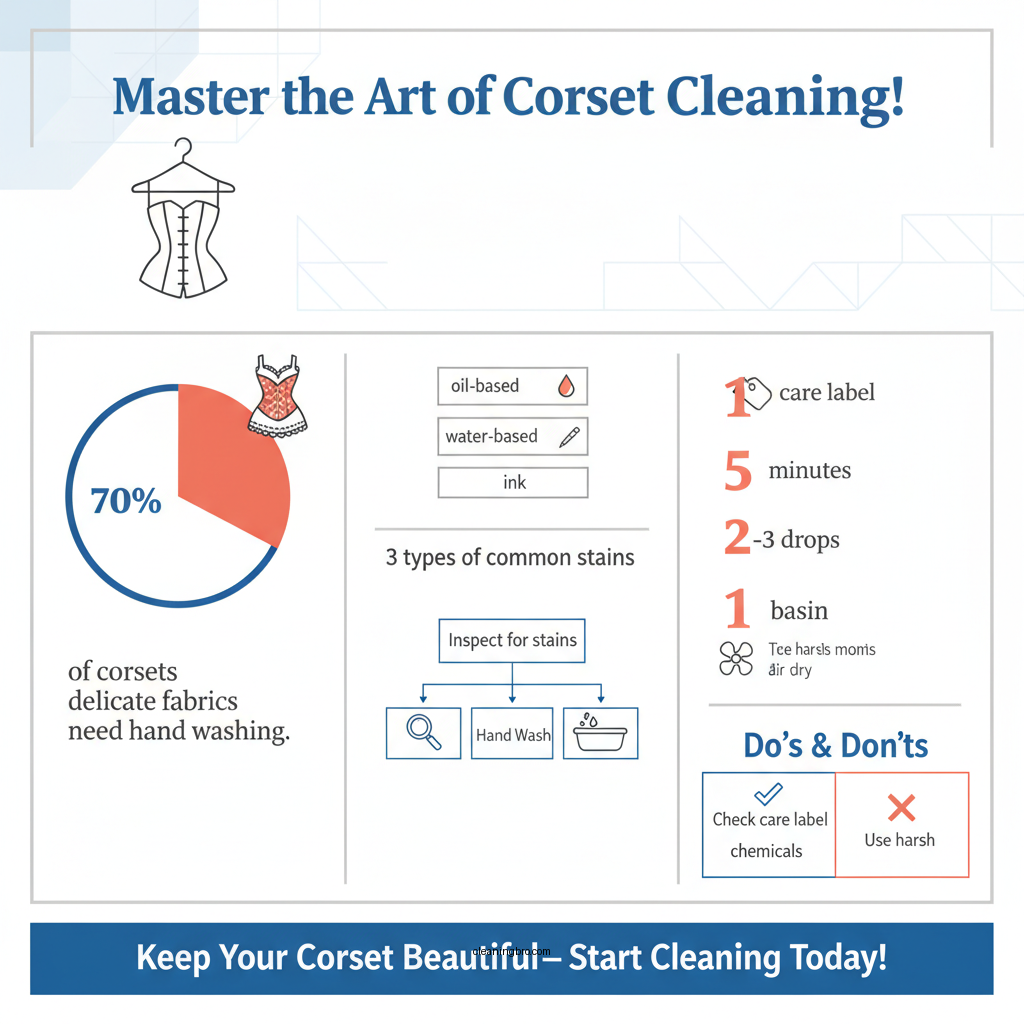
Before proceeding with cleaning, always check the care label attached to your corset. This label will provide essential guidelines regarding the cleaning method and temperature settings. Ignoring these instructions could lead to irreversible damage. For instance, some corsets may advise against any form of machine washing, while others might specify a hand wash only. Familiarizing yourself with these details is crucial for maintaining your corset’s appearance and fit.
Preparing for Cleaning

Before you begin the cleaning process, it is vital to prepare your corset appropriately. Start by removing any detachable accessories, such as bows, chains, or laces. This not only prevents damage to these elements but also ensures that the main body of the corset is cleaned thoroughly.
Next, inspect the corset for stains or areas that may require special attention. If you notice any marks, identify their nature—whether they are oil-based, water-based, or ink—and treat them accordingly. For example, oil-based stains may require a specific type of stain remover, while water-based stains can often be treated with mild soap and water. Keeping your corset in pristine condition starts with this careful examination.
Hand Washing Your Corset

Hand washing is the most recommended method for cleaning corsets as it is gentle and effective. Begin by filling a basin with lukewarm water and adding a gentle detergent appropriate for delicate fabrics. It’s essential to use a detergent that is free from harsh chemicals to avoid damaging the fabric.
Once the water is prepared, submerge the corset fully, ensuring it is soaked evenly. Gently agitate the water, allowing the detergent to penetrate the fabric. Avoid wringing or twisting the corset, as this can distort its shape and structure. Instead, use your hands to softly press the fabric, helping to lift any dirt or stains. After a few minutes of gentle washing, rinse the corset thoroughly with clean, lukewarm water until all detergent is removed.
Spot Cleaning Techniques
For minor stains or specific areas of concern, spot cleaning may be the most effective approach. Start by using a soft cloth or sponge dampened with lukewarm water to gently dab at the stained area. Avoid scrubbing, as this can damage the fabric. If the stain persists, you may apply a mild stain remover specifically designed for delicate fabrics.
Before applying any stain remover, it’s vital to test it on a small, inconspicuous area of the corset to ensure it does not cause discoloration or damage. Follow the manufacturer’s instructions on the stain remover for optimal results. Spot cleaning allows you to address specific issues without subjecting the entire corset to washing, which can be beneficial for intricate designs.
Drying Your Corset
Proper drying is crucial to maintaining the shape and integrity of your corset. After washing, lay the corset flat on a clean, dry towel. Gently roll the towel to absorb excess water without wringing out the corset. It is paramount never to hang your corset to dry, as doing so can lead to stretching and distortion of the fabric.
Once the majority of the moisture has been absorbed, lay the corset flat in a well-ventilated area, away from direct sunlight or heat sources. This ensures the corset dries evenly and helps prevent any potential mildew or odor buildup. Always allow sufficient time for the corset to dry completely before wearing or storing it.
Storing Your Corset Properly
After cleaning and drying, proper storage is essential for prolonging the life of your corset. Store it in a cool, dry place, away from direct sunlight, which can cause fading or damage to the fabric.
Using a padded hanger is ideal for maintaining the corset’s shape, as it prevents creases and allows for airflow. Alternatively, you can store your corset in a box, layered with acid-free tissue paper to help maintain its shape and prevent crushing. Avoid folding the corset in a way that may cause permanent creases or damage.
Additional Care Tips
To ensure your corset remains in excellent condition, avoid machine washing or drying, as these methods can lead to irreversible damage. It’s also advisable to regularly inspect your corset for any signs of wear, such as loose threads or broken seams, and address these issues promptly.
Cleaning your corset should ideally be part of routine maintenance after each wear, particularly if worn for long periods or during activities that may cause sweating. By developing a regular care routine, you can prevent the buildup of dirt and sweat, thus preserving the corset’s pristine condition.
Taking proper care of your corset not only keeps it looking beautiful but also extends its lifespan. By following these cleaning methods and tips, you can ensure that your corset remains in excellent condition for years to come. Remember to handle it gently and store it wisely for optimal preservation.
Top 7 Corset Materials and Care Instructions
| # | Material | Care Method | Durability |
|---|---|---|---|
| 1 | Satin | Hand wash only | Low |
| 2 | Cotton | Machine washable | High |
| 3 | Lace | Spot clean | Medium |
| 4 | Silk | Hand wash only | Low |
| 5 | Leather | Professional clean recommended | Very High |
| 6 | Denim | Machine washable | High |
| 7 | Velvet | Hand wash only | Medium |
Corset Care Products: A Comparison of Top Options
| Feature | ⭐ Corset Cleaner Pro | Gentle Wash | Stain Remover Gel |
|---|---|---|---|
| Price | $15.99 | $8.99 | $10.99 |
| Eco-Friendly | ✅ | ✅ | ❌ |
| Safe for Lace | ✅ | ✅ | ✅ |
| Type of Stains | Oil and Dirt | Dirt and Sweat | All Types |
| Volume | 8 oz | 12 oz | 6 oz |
| Quick Dry | ✅ | ❌ | ✅ |
| User Ratings | ★★★★☆ | ★★★☆☆ | ★★★☆☆ |
| Recommended For | Delicate Fabrics | General Use | Stain Removal |
| 🏆 Best For | Delicate Corsets | Everyday Use | Stain Treatment |
By adhering to these steps and taking a proactive approach to cleanliness and maintenance, you can ensure your corset remains a cherished part of your wardrobe for many years.
Frequently Asked Questions
How do I properly clean my corset without damaging it?
To clean your corset without causing damage, first check the care label for specific instructions. Generally, hand washing in cold water with a gentle detergent is recommended. Avoid soaking and instead gently scrub any stained areas with a soft cloth. After rinsing, lay it flat to dry away from direct sunlight to maintain its shape and fabric integrity.
What are the best methods for removing stains from a corset?
The best methods for removing stains from a corset involve pre-treating the stains with a mixture of water and a mild detergent. Apply the solution with a soft cloth or sponge, gently blotting the area rather than rubbing, which can damage the fabric. For tougher stains, consider using a specialized stain remover designed for delicate fabrics, but always test on a small, inconspicuous area first.
Why is it important to avoid machine washing a corset?
Avoiding machine washing a corset is crucial because the agitation and high temperatures can distort its shape, damage the boning, and weaken the fabric. Corsets are often made from delicate materials that require careful handling to maintain their structure and longevity. Hand washing is a safer option that helps preserve both the aesthetics and functionality of your corset.
Which cleaning products are safe to use on a corset?
Safe cleaning products for a corset include mild detergents specifically formulated for delicate fabrics, such as silk or lace. Avoid bleach and harsh chemicals, as they can cause discoloration or fabric breakdown. It’s also wise to look for eco-friendly options that are gentle on both your corset and the environment.
How often should I clean my corset to keep it in good condition?
You should clean your corset after every few wears, especially if it has absorbed sweat, perfume, or other substances. Regular cleaning helps prevent buildup and odors while maintaining its appearance. However, if you wear it less frequently, consider spot cleaning as needed to keep it fresh without excessive washing.
References
- Corset
https://en.wikipedia.org/wiki/Corset - Corset | Corset Clothing, Corset Waist Training & Corset Lacing | Britannica
https://www.britannica.com/topic/corset - https://www.ncbi.nlm.nih.gov/pmc/articles/PMC7316514/
https://www.ncbi.nlm.nih.gov/pmc/articles/PMC7316514/ - Subacute Cutaneous Lupus Erythematosus – StatPearls – NCBI Bookshelf
https://www.ncbi.nlm.nih.gov/books/NBK554554/ - https://www.ncbi.nlm.nih.gov/pmc/articles/PMC7316515/
https://www.ncbi.nlm.nih.gov/pmc/articles/PMC7316515/ - https://www.sciencedirect.com/science/article/pii/S187705612100451X
https://www.sciencedirect.com/science/article/pii/S187705612100451X - https://www.theguardian.com/fashion/2021/jun/07/how-to-care-for-your-corset
https://www.theguardian.com/fashion/2021/jun/07/how-to-care-for-your-corset - https://www.bbc.com/culture/article/20210705-how-to-clean-a-corset
https://www.bbc.com/culture/article/20210705-how-to-clean-a-corset - Google Scholar Google Scholar
https://scholar.google.com/scholar?q=how+to+clean+a+corset - Google Scholar Google Scholar
https://scholar.google.com/scholar?q=corset+cleaning+methods