How to Clean a Crown That Fell Off a Tooth
When a dental crown falls off, it’s essential to clean the area properly to prevent infection and facilitate a successful reattachment. Start by rinsing your mouth gently with warm salt water; this can help cleanse the area and reduce bacteria. In this article, we will explore effective cleaning methods, important steps to take immediately afterward, and how to manage the situation until you can visit your dentist.
Understanding Why Crowns Fall Off
Dental crowns can detach for several reasons, and understanding these causes is crucial for prevention. The most common reasons for a crown’s detachment include:
– Decay: If the tooth under the crown develops cavities or decay, it can weaken the bond, resulting in the crown coming loose.
– Wear and Tear: Over time, crowns can wear down due to chewing and grinding, leading to a loss of fit.
– Improper Fit: If the crown was not fitted correctly during the initial procedure, it may not adhere securely to the tooth.
– Trauma: Physical trauma to the mouth, such as an accident, can also dislodge crowns.
Recognizing the reason behind a crown detaching not only helps in immediate management but also plays a significant role in preventing future occurrences.
Initial Steps to Take
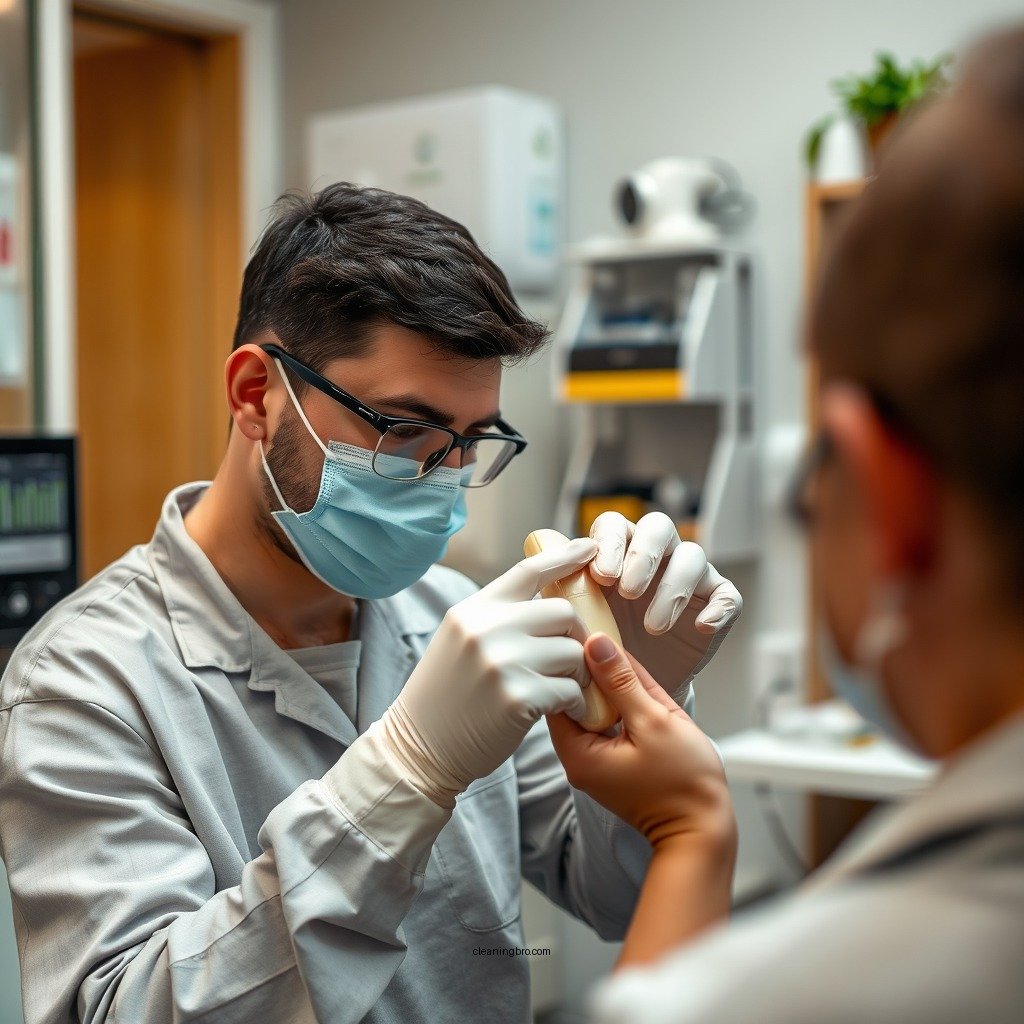
Once a crown has fallen off, immediate action is necessary to protect the tooth and the crown itself. Here are the initial steps to take:
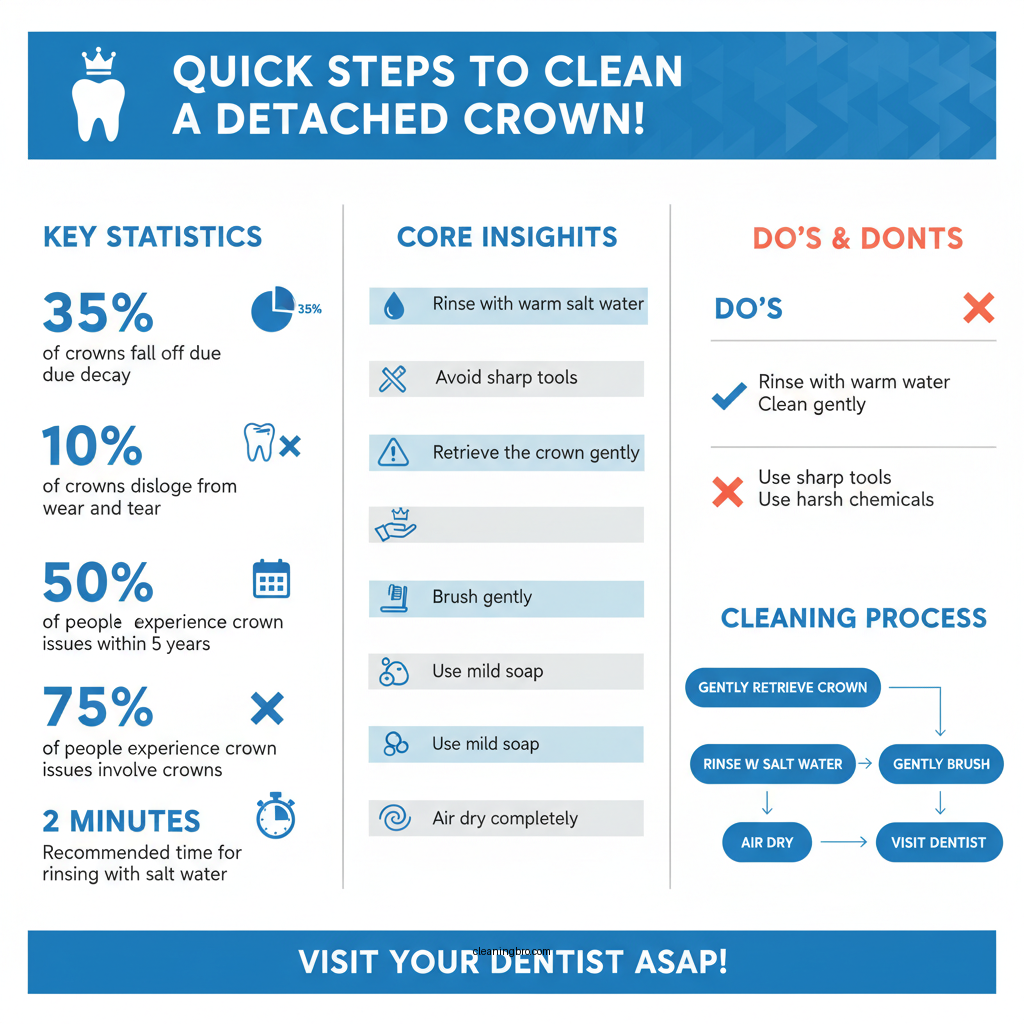
– Rinse Your Mouth: Begin by rinsing your mouth gently with warm salt water. This helps cleanse the area around the tooth, reducing the risk of infection and inflammation.
– Avoid Sharp Objects: Resist the urge to use sharp objects or tools to clean the crown or the exposed tooth. Doing so can cause further damage or injury to your gums.
– Locate the Crown: Carefully retrieve the crown if it is still intact. Avoid using excessive force to avoid damaging it, as you may need it for reattachment.
How to Clean the Crown
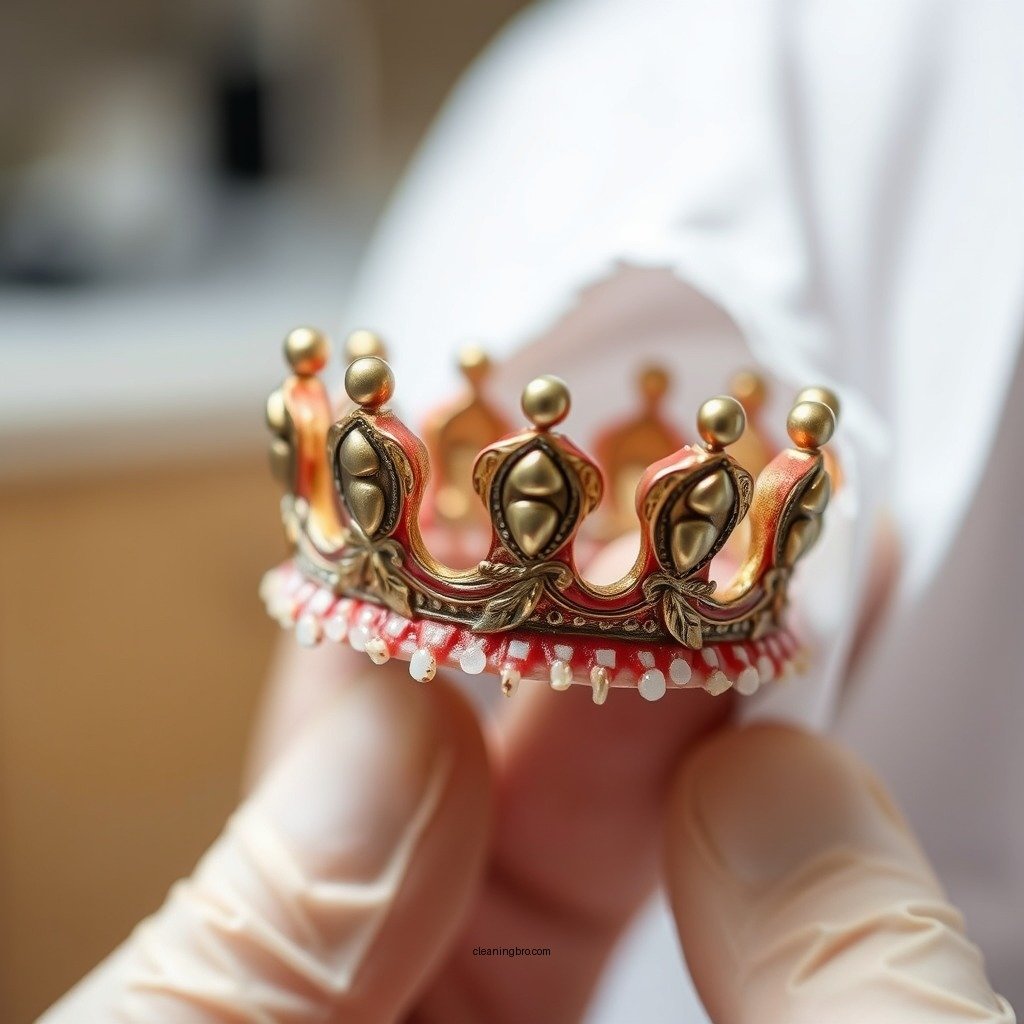
Cleaning the crown is essential to ensure it can be safely reattached. Follow these steps:
– Gentle Brushing: Use a soft toothbrush to gently brush the crown. This will help remove any debris or food particles that may have accumulated without scratching the surface.
– Mild Cleaning Solution: If necessary, you can use a mild soap solution or water to clean the crown. Avoid any harsh chemicals or abrasive cleaners, as these can damage the crown’s material.
– Drying: After cleaning, allow the crown to air dry completely before attempting to reattach it or take it to the dentist.
Caring for Your Tooth After a Crown Falls Off
Once you have managed the initial cleaning, it’s crucial to care for the exposed tooth to prevent further complications:
– Avoid Chewing: Do not chew on the affected side of your mouth until you can see your dentist. This prevents further damage to the tooth and reduces discomfort.
– Temporary Dental Cement: If you are unable to see your dentist immediately, consider using temporary dental cement, which can be purchased at most pharmacies. This can provide short-term stability for the crown.
– Pain Management: If you experience pain or discomfort, over-the-counter pain medications can help manage discomfort until you receive professional care.
When to See Your Dentist
It’s imperative to see your dentist as soon as possible after a crown has fallen off. During this visit, they will assess the situation, which may involve:
– Reattachment or Replacement: Depending on the condition of the crown and the tooth, your dentist may be able to reattach the crown or may recommend a replacement.
– Discussing Symptoms: Be sure to inform your dentist about any pain, sensitivity, or discomfort you are experiencing. This information will help them determine the best course of action for your treatment.
– Follow-Up Care: After reattachment, your dentist will provide guidance on how to care for your crown to ensure longevity and prevent future issues.
Preventative Measures for the Future
To reduce the risk of crowns falling off in the future, consider implementing the following preventative measures:
– Maintain Good Oral Hygiene: Brush your teeth at least twice a day and floss daily to prevent decay and maintain the health of your gums and teeth.
– Regular Dental Check-Ups: Schedule routine dental visits every six months. Regular check-ups can help identify potential issues before they lead to crown detachment.
– Avoid Hard Foods: Be cautious with hard or sticky foods that can put excessive pressure on crowns.
– Consider a Night Guard: If you grind your teeth at night, a custom night guard can protect both your crowns and natural teeth.
Common Reasons for Crown Detachment
| # | Cause | Percentage of Occurrence | Typical Solutions |
|---|---|---|---|
| 1 | Decay | 45% | Reattachment or root canal |
| 2 | Wear and Tear | 30% | Crown replacement |
| 3 | Improper Fit | 15% | Reassessment and reattachment |
| 4 | Trauma | 10% | Emergency dental care |
Temporary Solutions for Crown Management
| Feature | ⭐ Temporary Dental Cement | Salt Water Rinse | Over-the-counter Pain Relief |
|---|---|---|---|
| Ease of Use | Easy | Very Easy | Easy |
| Duration | Temporary | Short-term | Short-term |
| Pain Relief | Limited | None | Effective |
| Cost | Moderate | Free | Low |
| Availability | Pharmacy | Home remedy | Pharmacy |
| Effectiveness | Moderate | Very Low | Moderate |
| Recommendation | Yes | No | Yes |
| Best For | Immediate crown stabilization | Quick rinse | Pain management |
Frequently Asked Questions
How can I clean a dental crown that has fallen off my tooth?
To clean a dental crown that has fallen off, rinse it gently with warm water to remove any debris. Avoid using harsh chemicals or scrubbing too hard, as this can damage the crown. If the crown is made of porcelain or metal, ensure it’s free of saliva and food particles before attempting to reattach or store it.
What should I do immediately after my crown falls off?
If your crown falls off, try to keep it safe by placing it in a clean container. Avoid eating or drinking until you can see a dentist, as this can prevent further damage to the tooth. If you’re experiencing discomfort, you can use over-the-counter pain relief and avoid chewing on that side of your mouth.
Why did my dental crown fall off?
A dental crown may fall off due to several reasons, including decay underneath the crown, wear and tear, or improper placement. It can also loosen if the adhesive bond weakens over time. Regular dental check-ups can help identify potential problems before they lead to a crown falling off.
What is the best way to temporarily reattach a fallen crown?
The best temporary solution to reattach a fallen crown is to use dental cement, which can be purchased at most pharmacies. Clean the crown and your tooth thoroughly before applying a small amount of the cement inside the crown and pressing it back onto the tooth. Keep in mind this is a temporary fix, and you should see a dentist as soon as possible.
Which dentist should I see if my crown falls off?
You should see your general dentist if your crown falls off, as they are trained to handle such situations. If your dentist is unavailable, you can visit an emergency dental clinic. It’s important to seek professional help promptly to avoid complications and ensure that your tooth remains healthy.
References
- https://www.mayoclinic.org/diseases-conditions/tooth-crown/expert-answers/tooth-crown-care/faq-20057974
https://www.mayoclinic.org/diseases-conditions/tooth-crown/expert-answers/tooth-crown-care/faq-20057974 - https://www.ncbi.nlm.nih.gov/pmc/articles/PMC4943092/
https://www.ncbi.nlm.nih.gov/pmc/articles/PMC4943092/ - https://www.ncbi.nlm.nih.gov/pmc/articles/PMC3502306/
https://www.ncbi.nlm.nih.gov/pmc/articles/PMC3502306/ - https://www.cdc.gov/oralhealth/publications/features/healthy-teeth.html
https://www.cdc.gov/oralhealth/publications/features/healthy-teeth.html - https://www.mass.gov/guides/dental-health-resources
https://www.mass.gov/guides/dental-health-resources - Crowns | MouthHealthy – Oral Health Information from the ADA
https://www.mouthhealthy.org/en/az-topics/c/crowns - Oral health
https://www.who.int/news-room/fact-sheets/detail/oral-health - Google Scholar Google Scholar
https://scholar.google.com/scholar?q=how+to+clean+crown+fell+off+tooth - Google Scholar Google Scholar
https://scholar.google.com/scholar?q=tooth+crown+care+guidelines - how to clean crown fell off tooth – Search results
https://en.wikipedia.org/wiki/Special:Search?search=how+to+clean+crown+fell+off+tooth