How to Clean a Dental Flipper: Step-by-Step Guide
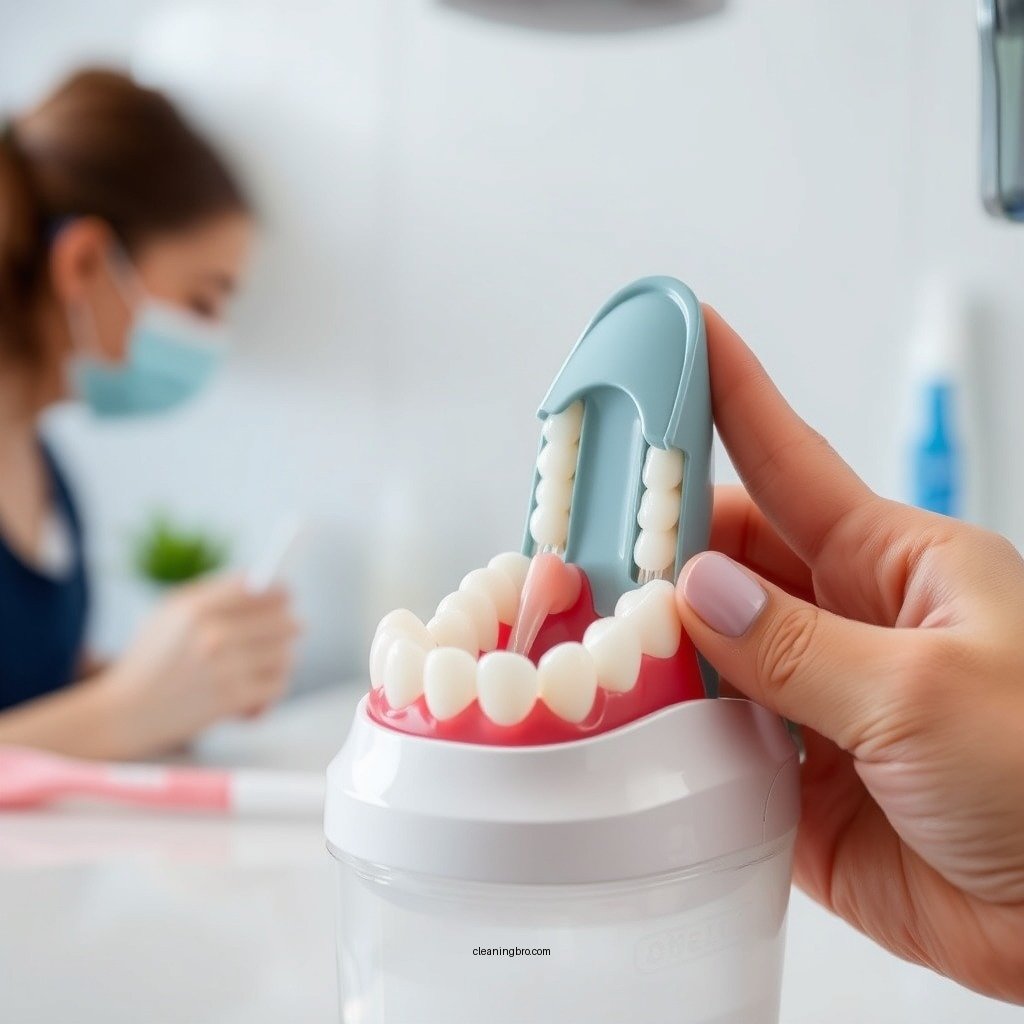
Cleaning a dental flipper is essential for maintaining oral hygiene and prolonging its lifespan. A daily rinse, gentle brushing with non-abrasive toothpaste, and a weekly soak in a cleaning solution are key steps to ensure your flipper remains in optimal condition. This guide provides detailed steps and helpful tips for keeping your dental flipper clean and fresh, thus enhancing your overall dental health.
Understanding Your Dental Flipper
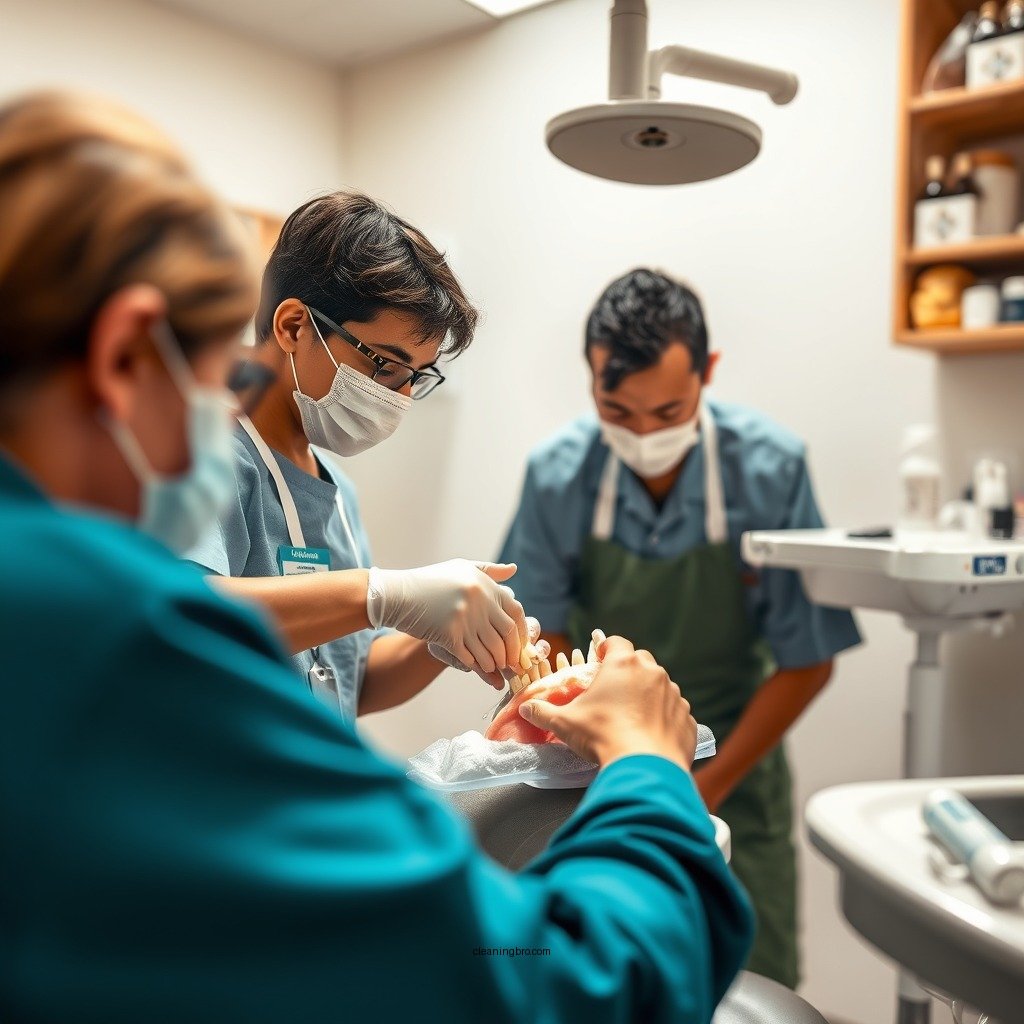
A dental flipper is a removable partial denture designed to replace one or more missing teeth. Unlike fixed dentures, flippers are intended for temporary use, often while patients await more permanent solutions like dental implants. They are typically made from acrylic and may include metal clasps for stability.
Proper cleaning of your dental flipper is crucial. Without regular care, plaque can build up, leading to bad odors and potential oral health issues such as gum disease and cavities. Additionally, a dirty flipper can harbor bacteria that may affect the health of your remaining teeth. Therefore, understanding how to clean your flipper effectively is vital for maintaining not just the appliance itself but also your overall dental well-being.
Daily Cleaning Routine
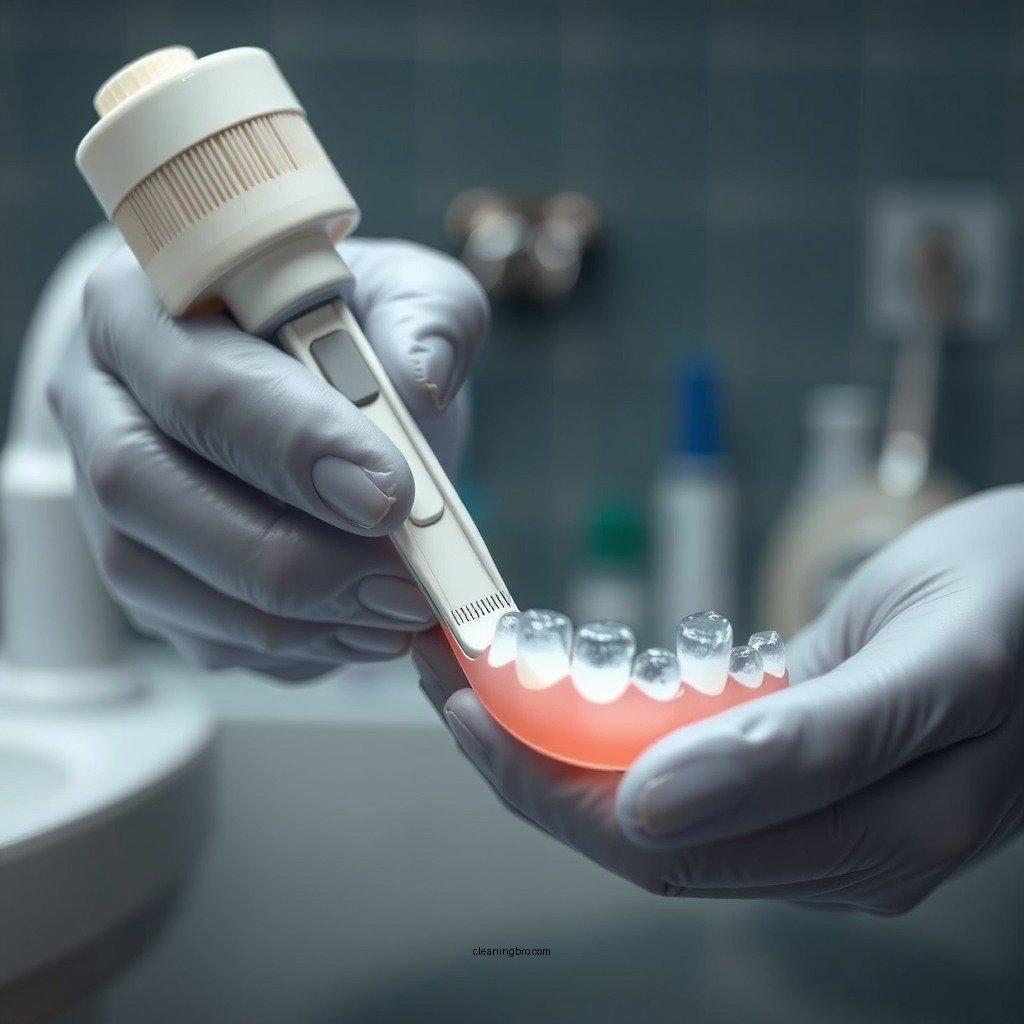
To maintain the cleanliness and functionality of your dental flipper, a consistent daily cleaning routine should be established. Here are the essential steps to follow:
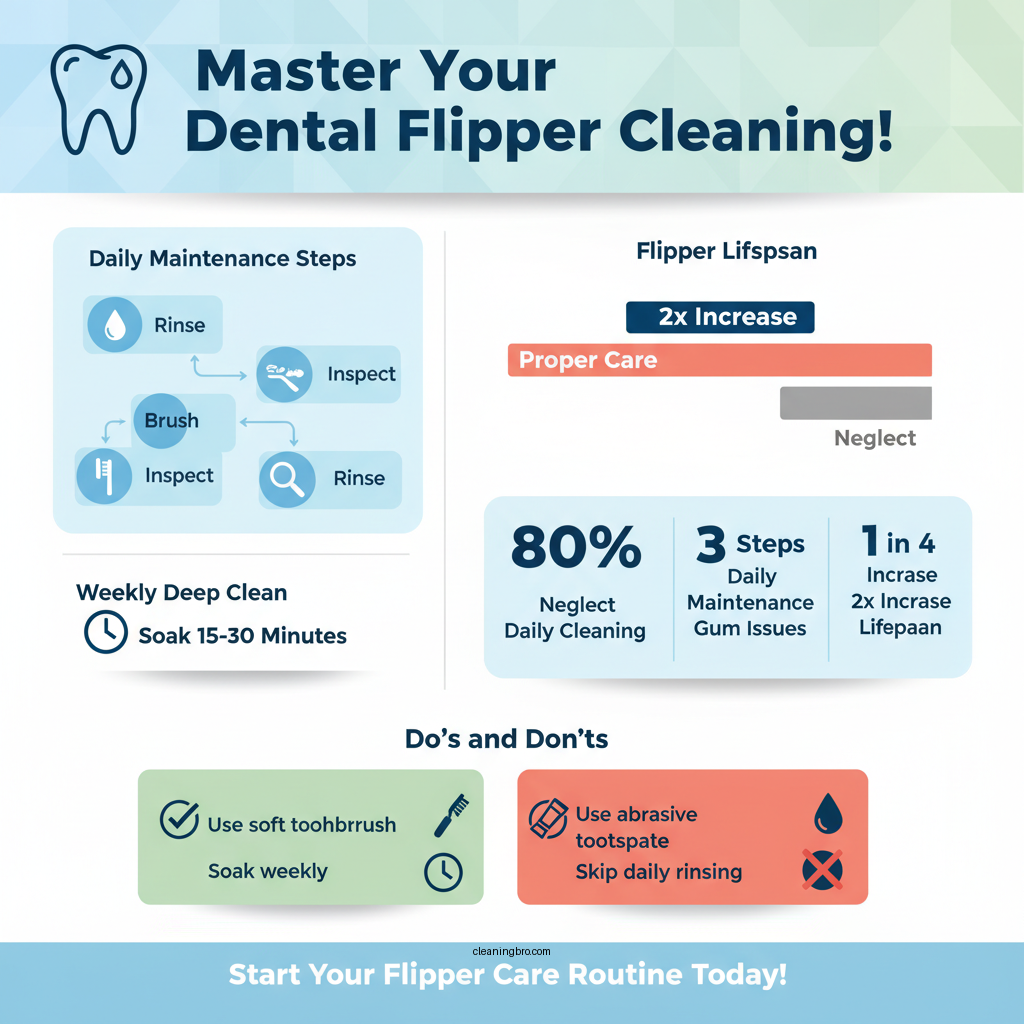
1. Rinse After Each Meal: Immediately after eating, rinse your flipper under warm water to eliminate food particles. This simple step helps to prevent buildup and keeps your flipper fresh throughout the day.
2. Gentle Brushing: Use a soft-bristled toothbrush to gently brush the surface of the flipper. Avoid using regular toothpaste as it can be abrasive. Instead, opt for a non-abrasive denture cleaner or a mild soap. This gentle brushing will help remove any remaining debris without scratching the surface of the flipper.
3. Inspect for Damage: While cleaning, take a moment to inspect your flipper for any signs of wear or damage. Look for cracks, discoloration, or loose clasps, as these issues may require professional attention.
4. Rinse Again: After brushing, rinse your flipper thoroughly to ensure that no cleaning residue remains. This step is vital to avoid any potential irritation in your mouth.
Weekly Deep Cleaning
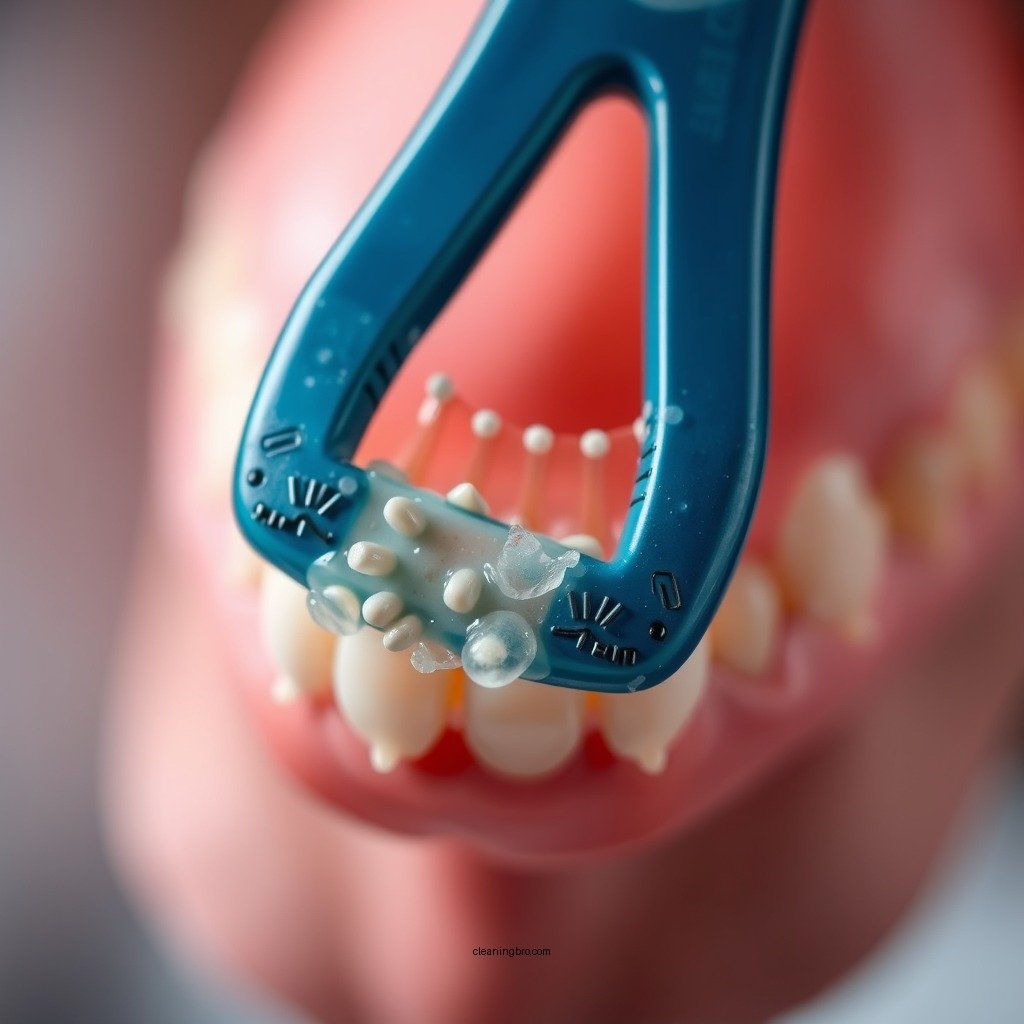
In addition to your daily cleaning routine, a thorough weekly deep clean is recommended to ensure your dental flipper remains in pristine condition. Follow these steps for effective weekly cleaning:
1. Soak in a Cleaning Solution: Choose a denture cleaning solution and soak your flipper for about 15-30 minutes. These solutions are specifically designed to break down plaque and kill bacteria, ensuring thorough sanitization.
2. Rinse Thoroughly: After soaking, rinse your flipper under warm water to remove any residue from the cleaning solution. This step is crucial, as leftover cleaning solution can cause irritation or an unpleasant taste in your mouth.
3. Store Properly: After cleaning, store your flipper in a protective case filled with water or denture cleaning solution. This helps maintain moisture and prevents warping.
Cleaning Solutions for Dental Flippers
Top 7 Cleaning Solutions for Dental Flippers (2024)
| # | Brand | Cleaning Type | Soak Time | Antibacterial |
|---|---|---|---|---|
| 1 | Polident | Tablet | 3-5 min | Yes |
| 2 | Efferdent | Tablet | 3-5 min | Yes |
| 3 | Sonicare | Liquid | 15 min | Yes |
| 4 | Nature’s Way | Powder | 10 min | Yes |
| 5 | DentureClean | Liquid | 10 min | Yes |
| 6 | Cleansing Wipes | Wipes | N/A | No |
| 7 | Baking Soda | Homemade | 10 min | No |
Importance of Proper Storage
Proper storage of your dental flipper is as important as cleaning it. Here are some guidelines to ensure that your flipper remains in optimal condition:
1. Use a Protective Case: Always store your flipper in a protective case made specifically for dental appliances. This helps prevent damage from accidental drops or impacts.
2. Moisture Maintenance: Keep your flipper submerged in water or a cleaning solution when not in use. This prevents the material from drying out, which can lead to warping or cracking.
3. Avoid Extreme Temperatures: Do not expose your flipper to extreme heat or cold, as this can alter its shape and fit. Avoid leaving it in a hot car or near heating vents.
4. Keep Away from Pets: Ensure that your dental flipper is stored out of reach of pets, as they may chew on it, leading to irreparable damage.
Common Mistakes to Avoid
While cleaning and maintaining a dental flipper, there are several common pitfalls to be aware of:
1. Harsh Chemicals: Avoid using bleach or other harsh chemicals that can damage the flipper’s material. Stick to denture-specific cleaning products.
2. Abrasive Cleaners: Many people mistakenly use regular toothpaste, which can scratch and damage the flipper. Always opt for non-abrasive cleaners.
3. Irregular Cleaning: Skipping regular cleaning can lead to the buildup of bacteria and plaque, potentially resulting in bad breath and gum disease. Establish a consistent cleaning routine.
4. Neglecting to Rinse: Failing to rinse your flipper after cleaning can leave residues that may irritate your gums or affect the taste of food.
Signs Your Flipper Needs Replacement
Even with the best care, dental flippers have a finite lifespan. Here are signs that it may be time to consider a replacement:
1. Visible Wear and Tear: Look for cracks, chips, or discoloration on your flipper. These issues can compromise its integrity and fit.
2. Persistent Odors: If your flipper continues to have a bad smell even after thorough cleaning, it may be harboring bacteria that cannot be removed.
3. Increased Discomfort: If your flipper becomes uncomfortable or painful to wear, it may not fit properly anymore, indicating it’s time for a replacement.
4. Changes in Fit: If your flipper feels loose or shifts while eating or speaking, it may no longer provide the necessary support and should be evaluated by a dentist.
By recognizing these warning signs early, you can prevent potential complications and ensure a healthier dental experience.
By following these simple cleaning steps and tips, you can keep your dental flipper in excellent condition. Remember to incorporate daily rinsing and regular deep cleaning into your routine. If you notice any signs of damage or odor, consider consulting your dentist for advice on replacement options. Keeping your flipper clean will not only ensure its longevity but also contribute to your overall oral health, allowing you to maintain a bright and confident smile.
Frequently Asked Questions
What is the best way to clean a dental flipper?
The best way to clean a dental flipper is by using a soft toothbrush and a non-abrasive denture cleaner or mild soap. Rinse the flipper thoroughly under warm water to remove food particles and plaque, and avoid using hot water as it can warp the material. Regular cleaning helps maintain the flipper’s appearance and prevents odors.
How often should I clean my dental flipper?
You should clean your dental flipper at least twice a day, ideally after every meal. This routine prevents plaque buildup and keeps your mouth healthy. Additionally, soaking the flipper in a denture cleaning solution once a week can help eliminate stubborn stains and bacteria.
Why is it important to properly clean a dental flipper?
Properly cleaning a dental flipper is crucial to prevent bacterial growth, bad breath, and gum disease. A dirty flipper can lead to oral health issues and discomfort, making regular maintenance essential for overall dental hygiene. Neglecting to clean it can also affect the flipper’s longevity.
Which products are safe to use for cleaning a dental flipper?
Safe products for cleaning a dental flipper include non-abrasive denture cleaners, mild antibacterial soap, and vinegar diluted with water. Avoid using toothpaste or harsh chemicals, as they can scratch or damage the flipper material. Always check with your dentist for recommendations tailored to your specific dental flipper type.
How do I remove tough stains from my dental flipper?
To remove tough stains from your dental flipper, soak it in a solution of equal parts water and white vinegar for about 30 minutes. After soaking, gently brush the flipper with a soft toothbrush to dislodge any remaining stains, and rinse well. For stubborn stains, consider using a specialized denture stain remover recommended by your dentist.
References
- https://www.mayoclinic.org/healthy-lifestyle/adult-health/in-depth/dental-implants/art-20046964
https://www.mayoclinic.org/healthy-lifestyle/adult-health/in-depth/dental-implants/art-20046964 - https://www.ncbi.nlm.nih.gov/pmc/articles/PMC5807690/
https://www.ncbi.nlm.nih.gov/pmc/articles/PMC5807690/ - https://www.ncbi.nlm.nih.gov/pmc/articles/PMC6480534/
https://www.ncbi.nlm.nih.gov/pmc/articles/PMC6480534/ - Oral health
https://www.who.int/news-room/fact-sheets/detail/oral-health - https://www.cdc.gov/oralhealth/publications/factsheets/adult-oral-health.html
https://www.cdc.gov/oralhealth/publications/factsheets/adult-oral-health.html - Dentistry | Definition, History, & Fields | Britannica
https://www.britannica.com/science/dentistry - Google Scholar Google Scholar
https://scholar.google.com/scholar?q=how+to+clean+a+dental+flipper - Google Scholar Google Scholar
https://scholar.google.com/scholar?q=dental+prosthesis+cleaning+guidelines - Google Scholar Google Scholar
https://scholar.google.com/scholar?q=oral+health+care+for+dental+flippers - how to clean a dental flipper – Search results
https://en.wikipedia.org/wiki/Special:Search?search=how+to+clean+a+dental+flipper