
How to Clean a Diesel Engine: Step-by-Step Guide
Cleaning a diesel engine is essential for maintaining its performance and longevity. A clean engine not only runs more efficiently but also has a prolonged lifespan. In this guide, we’ll provide you with the best practices for cleaning a diesel engine, including the necessary tools, safety precautions, and detailed step-by-step instructions to ensure your engine remains in optimal condition.
Preparing for the Cleaning Process
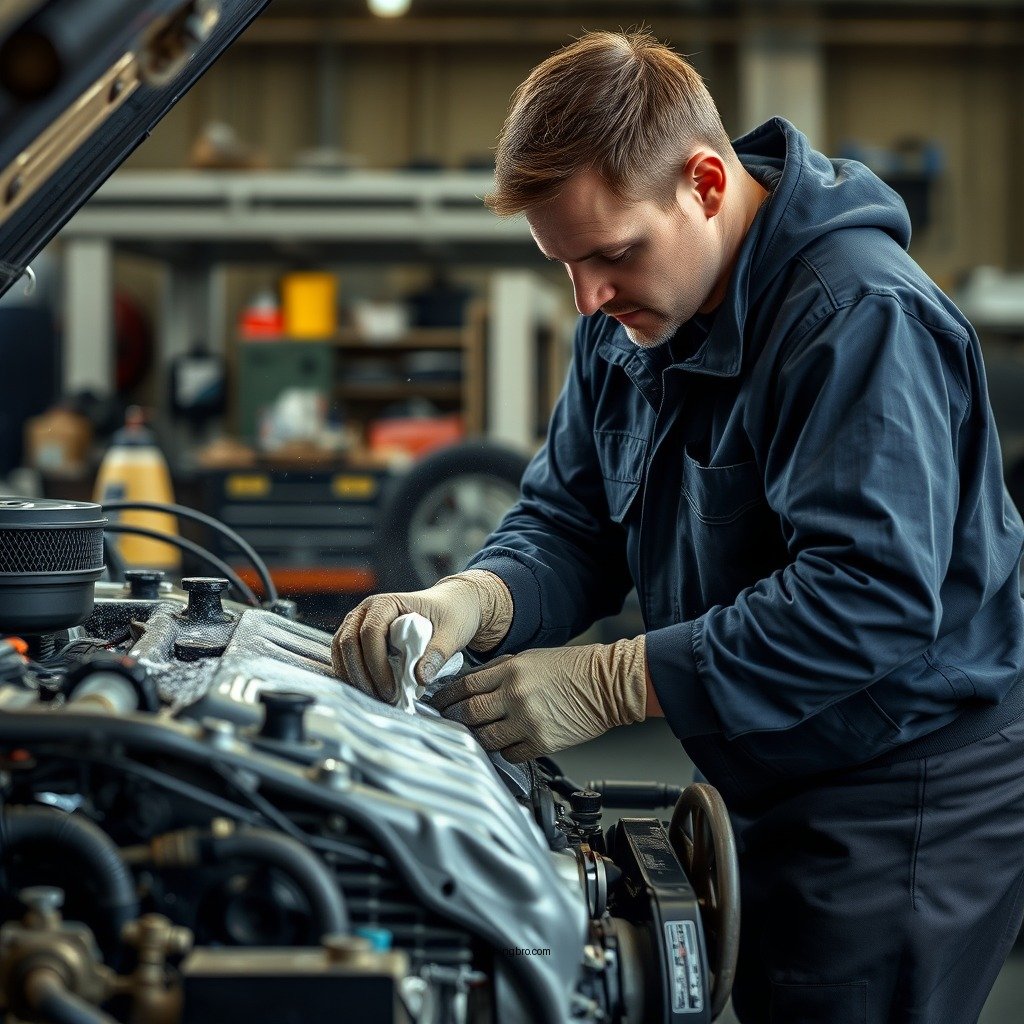
The first step in cleaning a diesel engine is to gather all necessary tools and materials. Essential items include:
– Brushes: Use soft-bristled brushes to avoid scratching sensitive components.
– Solvents and Degreasers: A good degreaser specifically designed for diesel engines will help break down the heavy grease and grime.
– Protective Gear: Gloves, goggles, and coveralls are crucial to protect yourself from harsh chemicals and dirt.
– Pressure Washer: A pressure washer can be advantageous for rinsing away debris and cleaning surfaces effectively.
Before starting the cleaning process, ensure that the engine is cool to the touch. This precaution prevents burns and reduces the risk of damaging sensitive components due to sudden temperature changes.
Safety Precautions
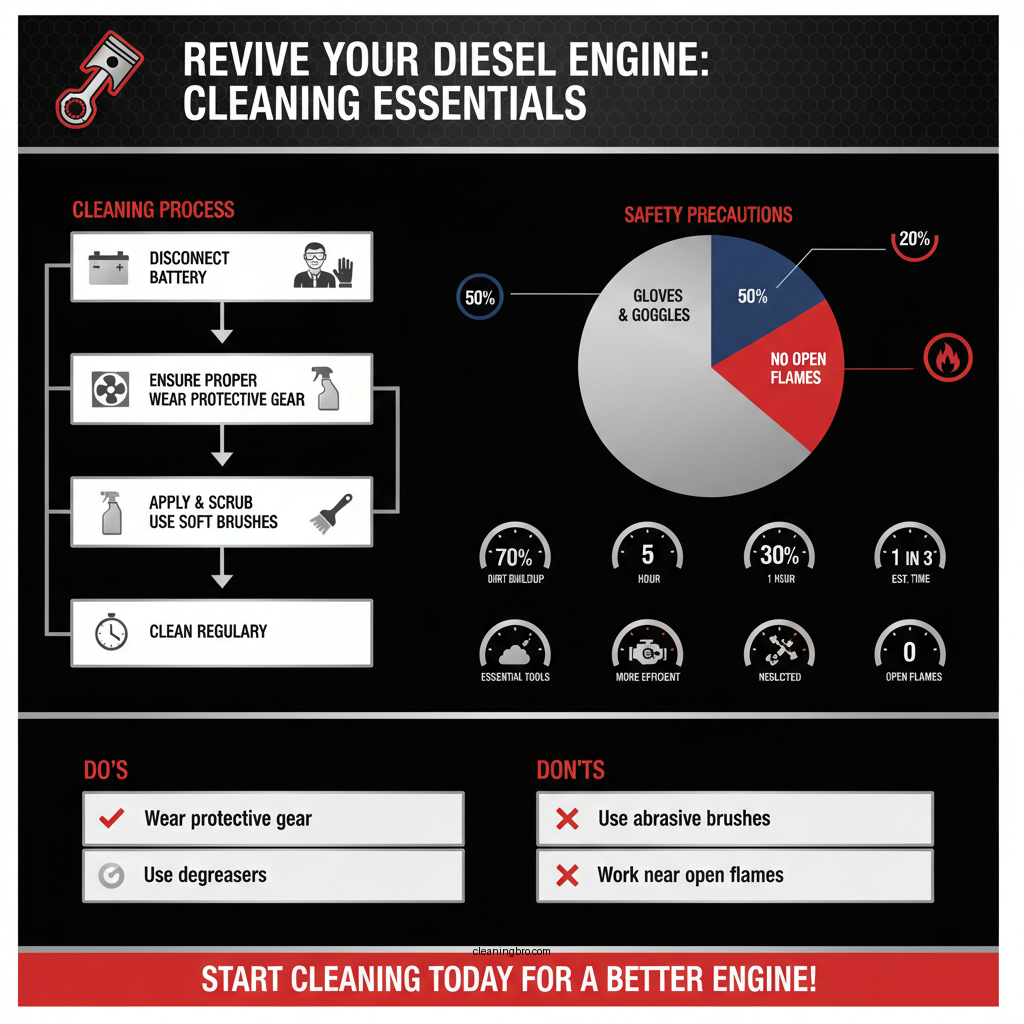
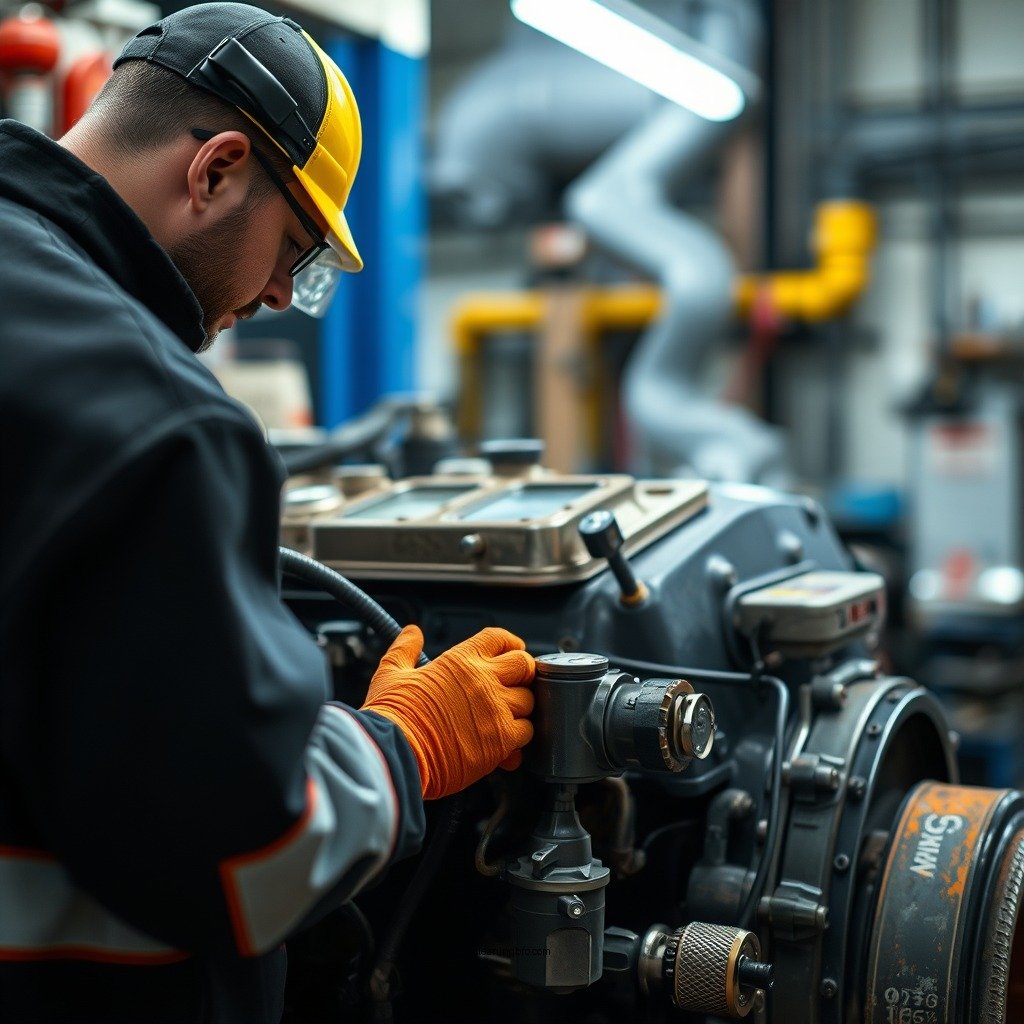
Safety should always be your top priority when cleaning a diesel engine. Here are some key precautions to follow:
– Wear Protective Gear: Always wear gloves and goggles to shield your skin and eyes from chemicals and debris.
– Ventilation: Work in a well-ventilated area to avoid inhaling fumes from solvents and degreasers. If possible, use exhaust fans or work outdoors to ensure proper airflow.
– Avoid Open Flames: Keep away from any open flames or sparks, as diesel fuel is flammable.
– Disconnect the Battery: Before starting any cleaning process, disconnect the battery to prevent accidental starts.
Cleaning the Engine Bay
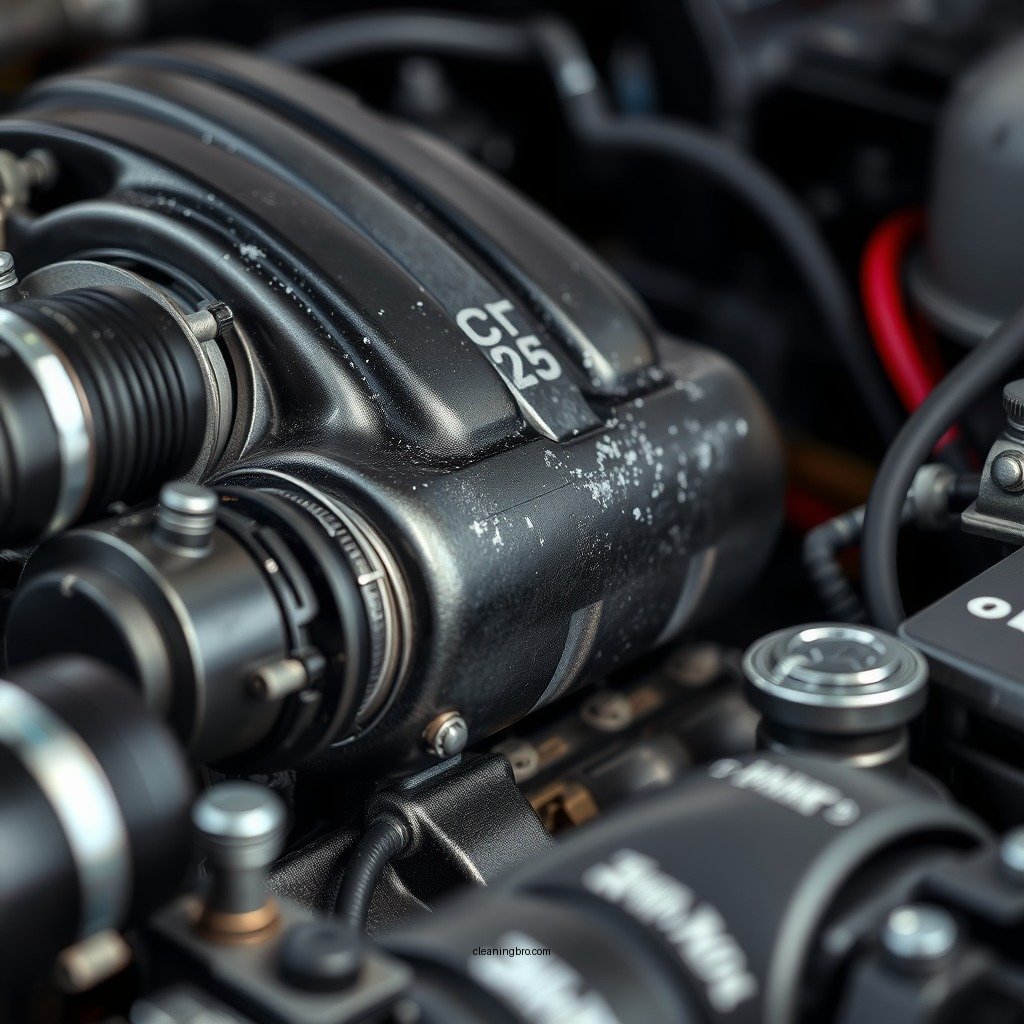
Cleaning the engine bay is crucial as it helps identify leaks and other issues. Here’s how to do it effectively:
1. Remove Debris: Start by using a vacuum or a brush to remove loose dirt and debris from the engine bay. Pay attention to corners and crevices where dirt can accumulate.
2. Degreasing: Apply a degreaser to greasy areas, ensuring you follow the manufacturer’s instructions. Let it sit for a few minutes to break down the grime.
3. Scrubbing: Use a soft brush to scrub away stubborn grease and dirt, ensuring you reach all accessible parts.
4. Rinsing: Carefully rinse the engine bay with a hose or pressure washer, keeping the water pressure low to avoid damaging sensitive components. Be cautious around electrical parts and connections.
Top Diesel Engine Cleaning Solutions (2023)
| # | Product | Type | Price | Effectiveness |
|---|---|---|---|---|
| 1 | Gunk Engine Degreaser | Aerosol Spray | $8.99 | ★★★★★ |
| 2 | Simple Green Cleaner | Concentrate | $10.99 | ★★★★☆ |
| 3 | Meguiar’s Engine Cleaner | Foaming Spray | $12.99 | ★★★★☆ |
| 4 | Chemical Guys Signature | Liquid Cleaner | $14.99 | ★★★★★ |
| 5 | CRC Heavy Duty Cleaner | Liquid Cleaner | $9.99 | ★★★★☆ |
| 6 | Berryman B12 Chemtool | Liquid Cleaner | $12.50 | ★★★★☆ |
| 7 | Royal Purple Max Clean | Liquid Cleaner | $15.99 | ★★★★★ |
Cleaning Fuel Injectors and Lines
Fuel injectors and lines are critical for the performance of a diesel engine. Over time, they can become clogged with carbon deposits and other contaminants. Here’s how to clean them effectively:
1. Disconnect Fuel Lines: Before cleaning, ensure that the engine is off and cool. Disconnect the fuel lines carefully to prevent spills.
2. Use Solvents: Apply an appropriate solvent designed for cleaning fuel injectors. Allow it to soak for a few minutes to loosen any deposits.
3. Clean the Injectors: Use a soft brush to gently scrub the injectors. For stubborn deposits, you may need to use a special injector cleaning kit that connects to the fuel rail.
4. Inspect and Replace Parts: After cleaning, inspect the injectors and lines for any signs of wear or damage. Replace any parts that are worn out or damaged to ensure optimal performance.
Cleaning the Oil System
The oil system is integral to engine performance, and regular cleaning is necessary to remove contaminants. Follow these steps:
1. Change the Oil and Filter: Start by draining the old oil and replacing it with fresh oil. Don’t forget to change the oil filter, as it captures dirt and debris.
2. Flush the Oil System: If the oil system is particularly dirty, consider using an engine flush product to remove built-up sludge and contaminants. Follow the manufacturer’s instructions for the flushing process.
3. Check for Leaks: Once you have replaced the oil and filter, check for any leaks around the oil pan and filter.
Final Touches and Inspection
Once the cleaning process is complete, it’s time to reassemble and inspect the engine thoroughly:
1. Reassemble Components: If you removed any components during cleaning, ensure they are securely reassembled. Double-check that all fastenings are tight.
2. Inspect for Leaks: Start the engine and check for any fluid leaks. Pay attention to areas around the fuel injectors, oil filter, and any other connections you may have disturbed.
3. Perform a Function Test: Let the engine run for a few minutes while observing its performance. Look for any unusual sounds or warning lights on the dashboard.
Regular maintenance and cleaning will keep your diesel engine in top condition. By following these steps, you can enhance your engine’s performance and extend its lifespan. If you’re unsure about any steps or require specialized tools, don’t hesitate to consult a professional mechanic. Engaging with a professional can provide peace of mind and ensure your engine is cleaned properly and safely.
Frequently Asked Questions
How do I safely clean a diesel engine without causing damage?
To safely clean a diesel engine, start by disconnecting the battery and covering sensitive components like the air intake and electrical connections with plastic bags. Use a degreaser specifically formulated for diesel engines, applying it generously and allowing it to sit for a few minutes. Finally, rinse with low-pressure water, avoiding direct contact with electrical parts to prevent damage.
What are the best products for cleaning a diesel engine?
The best products for cleaning a diesel engine include biodegradable degreasers and engine cleaners that are safe for metal surfaces. Look for products with high ratings for effectiveness on heavy grease and grime, such as Simple Green or Gunk Engine Degreaser. Always follow the manufacturer’s instructions for optimal results and safety.
Why is it important to clean a diesel engine regularly?
Regularly cleaning a diesel engine is crucial to maintaining its performance and longevity. Accumulated dirt and grease can lead to overheating, reduced efficiency, and potential mechanical failures. Keeping the engine clean helps identify leaks and other issues early, ultimately saving you money on repairs.
What steps should I follow to clean the engine bay of a diesel vehicle?
To clean the engine bay of a diesel vehicle, first ensure the engine is cool and disconnect the battery. Remove any loose debris and cover sensitive areas. Spray a suitable engine cleaner, let it sit, then scrub stubborn spots with a brush before rinsing with water. Finally, dry the area with a microfiber towel to prevent water spots and corrosion.
Which tools are necessary for cleaning a diesel engine effectively?
Essential tools for cleaning a diesel engine include a soft-bristle brush, a pressure washer or hose with a low-pressure nozzle, and microfiber towels. Additionally, having a spray bottle for degreasers and protective gear such as gloves and goggles is important to ensure safety during the cleaning process.
References
- Diesel engine
https://en.wikipedia.org/wiki/Diesel_engine - https://www.sciencedirect.com/topics/engineering/diesel-engine
https://www.sciencedirect.com/topics/engineering/diesel-engine - Diesel engine | Definition, Development, Types, & Facts | Britannica
https://www.britannica.com/technology/diesel-engine - Railroad Legal Issues and Resources | The National Academies Press
https://www.nap.edu/catalog/22093/clean-diesel-engine-technology-and-its-impact-on-air-quality - https://www.ncbi.nlm.nih.gov/pmc/articles/PMC6610453/
https://www.ncbi.nlm.nih.gov/pmc/articles/PMC6610453/ - https://www.cambridge.org/core/journals/environmental-conservation/article/clean-diesel-engines/1F6C0C38E0A1F1E3D6E7A2A7C0F55A73
https://www.cambridge.org/core/journals/environmental-conservation/article/clean-diesel-engines/1F6C0C38E0A1F1E3D6E7A2A7C0F55A73 - Google Scholar Google Scholar
https://scholar.google.com/scholar?q=how+to+clean+a+diesel+engine - Google Scholar Google Scholar
https://scholar.google.com/scholar?q=maintenance+of+diesel+engines - Google Scholar Google Scholar
https://scholar.google.com/scholar?q=cleaning+diesel+engine+parts - https://www.cdc.gov/niosh/topics/diesel/default.html
https://www.cdc.gov/niosh/topics/diesel/default.html