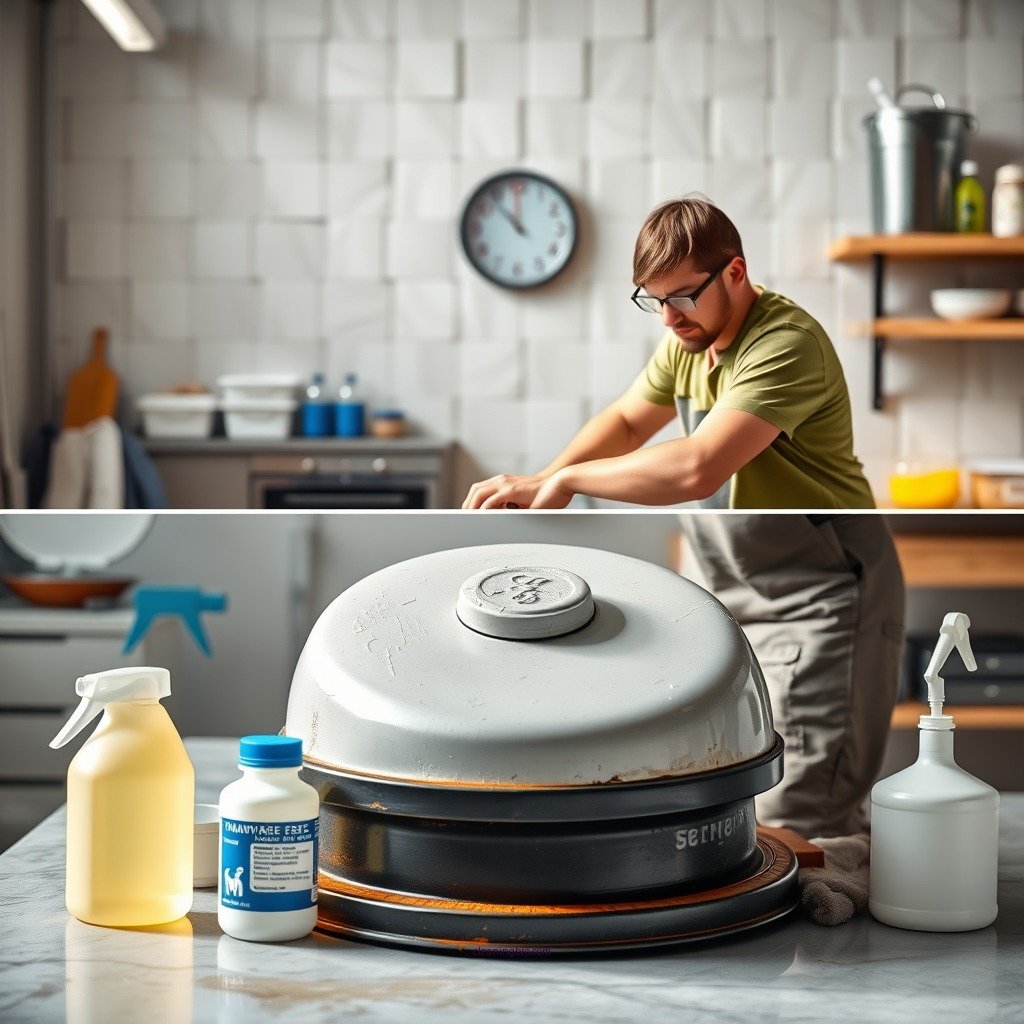
How to Clean a Diesel Tank: A Step-by-Step Guide
Cleaning a diesel tank is crucial for ensuring optimal fuel quality and maintaining the efficient operation of your engine. Over time, contaminants such as algae, sludge, and water can accumulate in the tank, leading to performance issues and potential damage to your fuel system. This step-by-step guide will provide you with the necessary information to effectively clean your diesel tank, ensuring your vehicle runs smoothly for years to come.
Understanding the Importance of Cleaning a Diesel Tank
Safety Precautions Before You Start
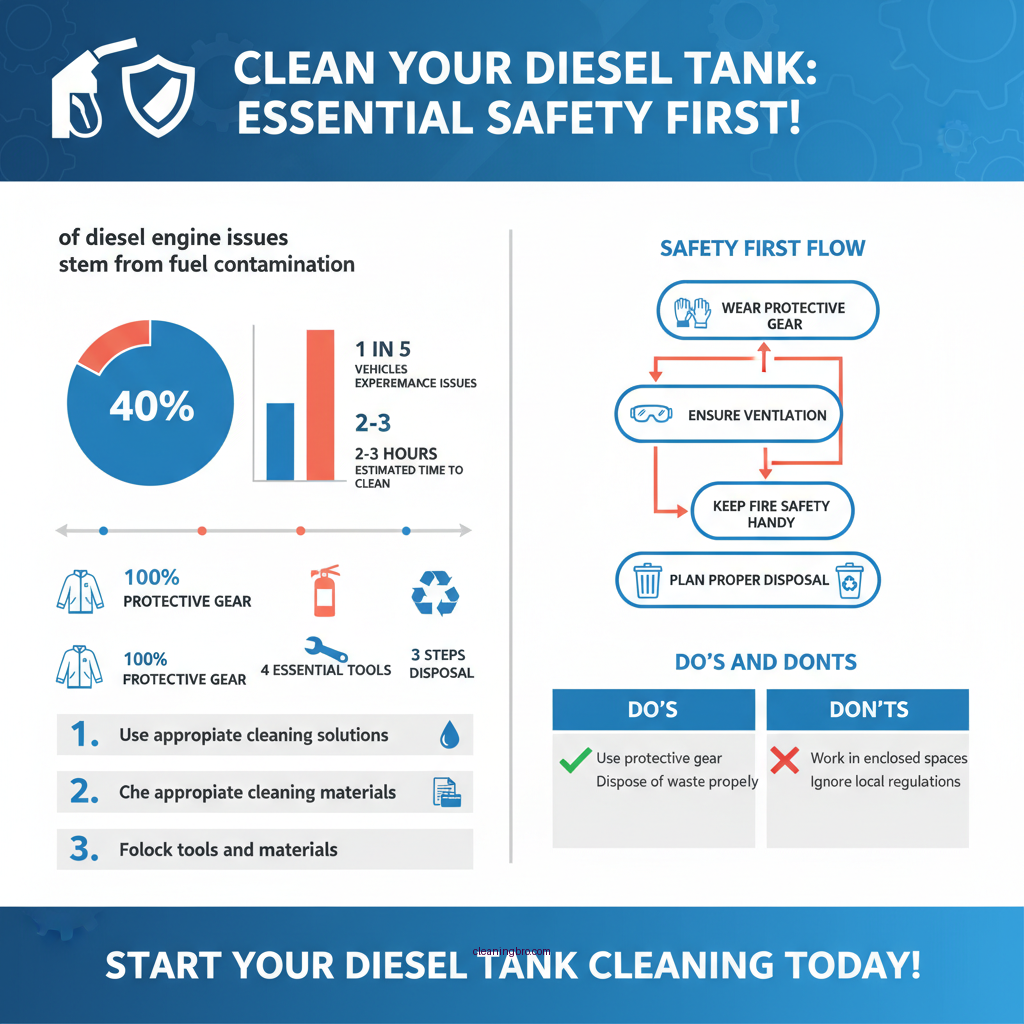
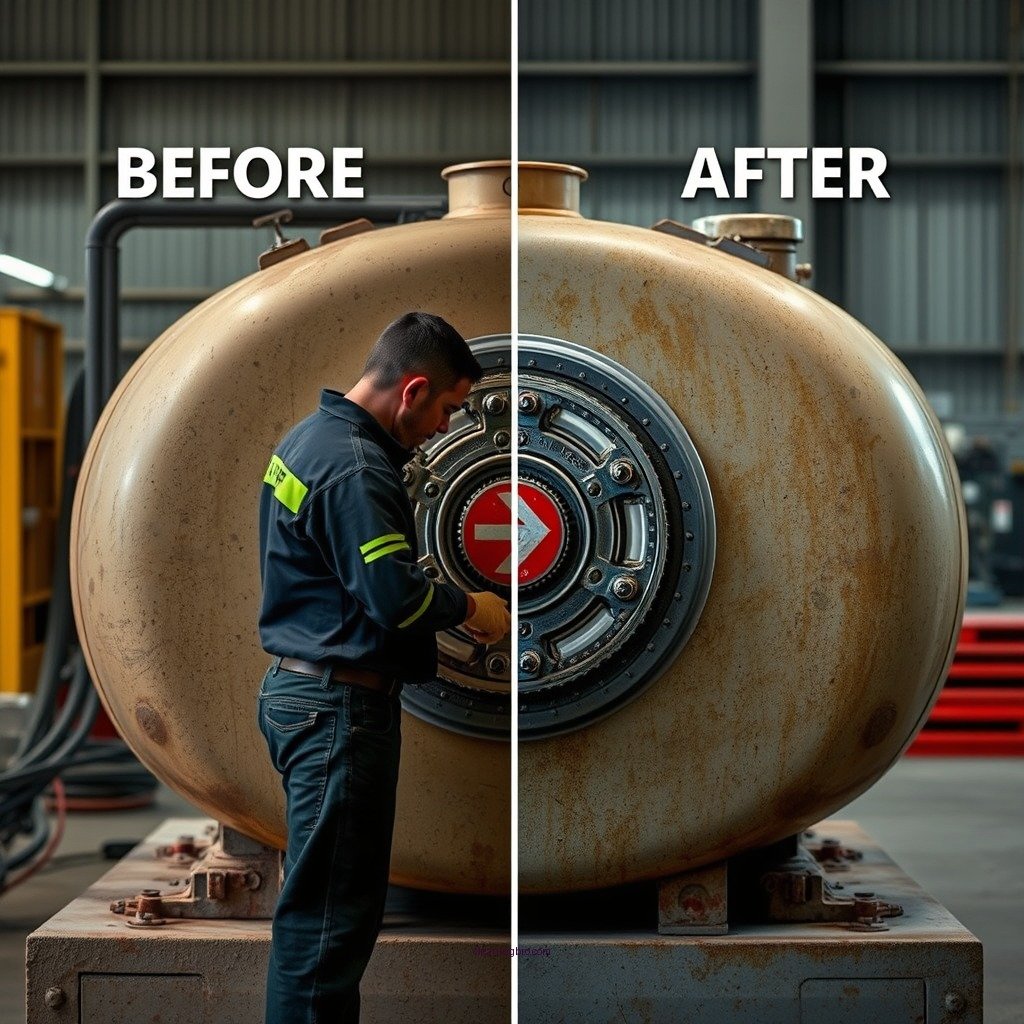
Before embarking on the cleaning process, it’s vital to prioritize safety. Here are some key precautions to observe:
– Protective Gear: Always wear gloves and goggles to protect your skin and eyes from harmful substances.
– Ventilation: Ensure that you are working in a well-ventilated area to avoid inhaling fumes that can be harmful.
– Fire Safety: Keep a fire extinguisher nearby, as diesel fuel is flammable. Avoid using any electrical equipment or tools that could create sparks.
– Proper Disposal: Have a plan in place for the safe disposal of contaminated fuel and materials, in line with local regulations.
Tools and Materials Needed
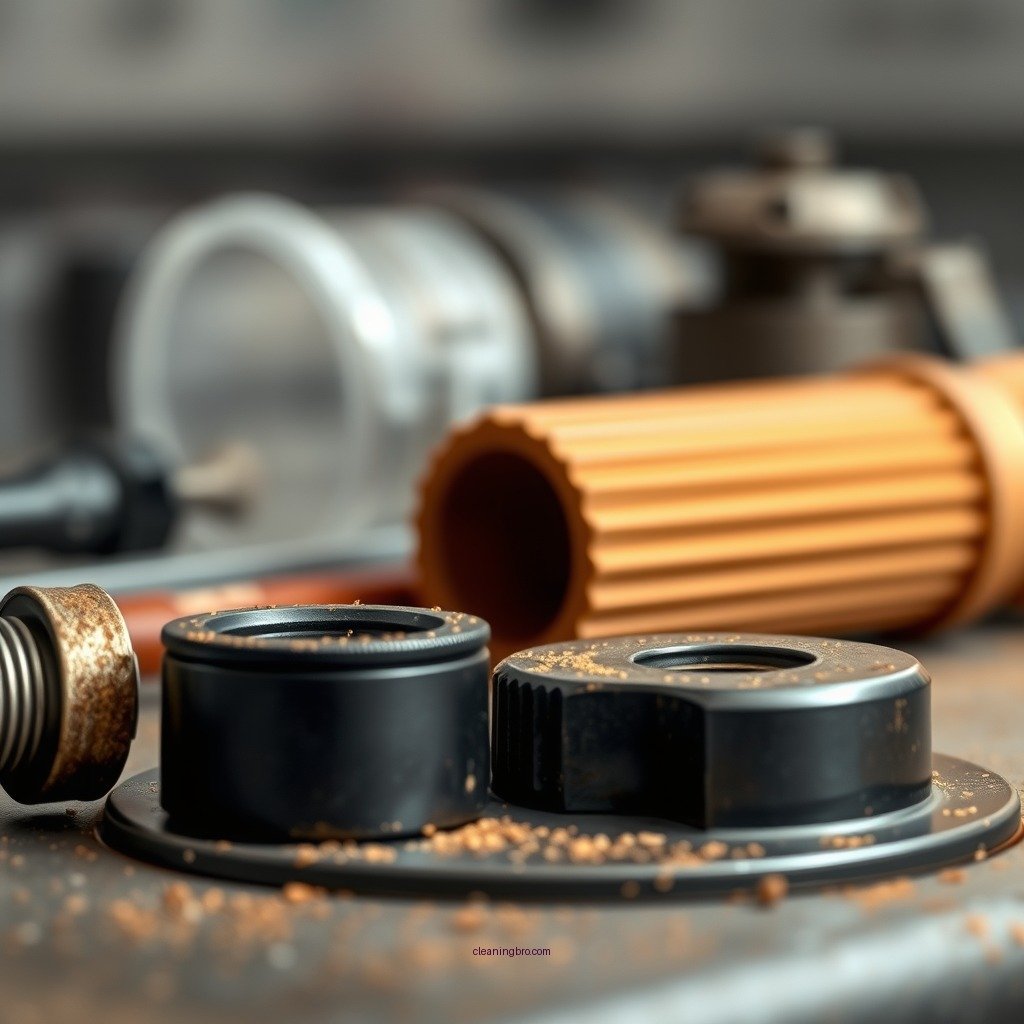
To effectively clean your diesel tank, you will need the following tools and materials:
– Siphon Pump: To safely drain the diesel fuel from the tank.
– Cleaning Solution: A biodegradable cleaning solution formulated for diesel tanks.
– Brushes: Various sizes of brushes to scrub the tank’s interior surfaces.
– Rags: For wiping down surfaces and for general clean-up.
– Containers: Approved containers for safely disposing of waste fuel and sludge.
– Personal Protective Equipment: Gloves, goggles, and potentially a respirator.
Step-by-Step Process to Clean the Diesel Tank
Draining the Tank
Begin by safely draining the diesel fuel from your tank into approved containers. This can be done using a siphon pump. Make sure to take your time and ensure that all fuel is removed, as any residual fuel can interfere with the cleaning process.
Removing Contaminants
Once the tank is drained, it’s time to scrub the interior surfaces. Use your chosen cleaning solution and brushes to remove any sludge, algae, or debris that may have accumulated. Focus on the corners and crevices where contaminants often settle. Rinse thoroughly with clean water to ensure that no cleaning solution remains, as it can affect fuel quality.
Inspecting the Tank for Damage
After cleaning, it’s crucial to inspect the tank for any damage:
– Rust and Corrosion: Look for any signs of rust or corrosion. If rust is present, it may be necessary to treat the tank to prevent further degradation.
– Leaks: Inspect the tank for any leaks. A leaking tank can compromise the integrity of your fuel system and lead to hazardous situations.
– Filters and Lines: Check filters and fuel lines for clogs. Clean or replace them as necessary to ensure optimal fuel flow.
Refilling the Tank with Clean Diesel
Once the tank has been cleaned and inspected, it’s time to refill it with high-quality diesel fuel. When refilling, consider adding a fuel additive designed to enhance fuel quality and protect against future contamination. This step can provide an additional layer of protection for your engine and fuel system.
Ongoing Maintenance Tips
To ensure that your diesel tank remains clean and functional, implement the following maintenance strategies:
– Regular Inspections: Schedule regular inspections and cleanings based on your vehicle’s usage. This proactive approach can help you catch potential issues before they escalate.
– Keep the Tank Covered: If applicable, keep the tank covered to prevent debris and contaminants from entering.
Cleaning your diesel tank can significantly improve your vehicle’s performance and longevity. By following these steps and maintaining a regular cleaning schedule, you can ensure that your diesel system runs smoothly and efficiently. Don’t hesitate to take action now—gather your tools and start the cleaning process today!
Top 7 Diesel Fuels by Quality Rating (2024)
| # | Brand | Quality Rating | Additives | Price per Gallon |
|---|---|---|---|---|
| 1 | Shell V-Power Diesel | ★ ★ ★ ★ ★ | Detergent | $3.75 |
| 2 | BP Ultimate Diesel | ★ ★ ★ ★ | Cetane Booster | $3.65 |
| 3 | Chevron Diesel | ★ ★ ★ ★ | Detergent | $3.55 |
| 4 | Exxon Mobil Diesel | ★ ★ ★ ★ | Cetane Booster | $3.70 |
| 5 | Sunoco Diesel | ★ ★ ★ | Detergent | $3.50 |
| 6 | Valero Diesel | ★ ★ ★ | Cetane Booster | $3.45 |
| 7 | 7-Eleven Diesel | ★ ★ ★ | N/A | $3.25 |
Diesel Tank Cleaning Frequency Recommendations
Top Diesel Fuel Additives: Comparison
| Feature | ⭐ Stanadyne Performance Formula | Power Service Diesel Kleen | Lucas Oil Diesel Deep Clean |
|---|---|---|---|
| Cleans Injectors | ✅ | ✅ | ✅ |
| Removes Water | ✅ | ✅ | ✅ |
| Cetane Boost | ✅ | ✅ | ✅ |
| Lubricates Fuel System | No | Yes | Yes |
| Price per Bottle | $12.99 | $10.99 | $9.99 |
| Size Options | 12 oz | 16 oz | 32 oz |
| Available Online | Yes | Yes | Yes |
| User Rating | ★★★★☆ | ★★★★☆ | ★★★☆☆ |
| 🏆 Best For | Performance Enhancement | Cost Efficiency | General Use |
Cleaning a diesel tank is a straightforward yet critical process for maintaining your engine’s health and performance. By following the outlined steps and taking the necessary precautions, you can ensure that your diesel system remains in optimal condition. Regular maintenance not only prolongs the life of your vehicle but also enhances fuel efficiency and performance. Equip yourself with the right tools, adhere to safety protocols, and take action—your engine will thank you!
Frequently Asked Questions
What are the best methods to clean a diesel tank?
The best methods to clean a diesel tank include using a specialized tank cleaning solution, employing a high-pressure washer, or utilizing a vacuum system designed for fuel tanks. It’s essential to remove sludge and contaminants by thoroughly scraping the tank’s interior and ensuring all residues are flushed out. For optimal results, consider hiring a professional service that specializes in diesel tank cleaning.
How often should I clean my diesel tank?
You should clean your diesel tank every 1 to 2 years, depending on usage and fuel quality. If you notice signs of contamination, such as water or sediment in the fuel, it’s crucial to clean the tank immediately to prevent engine damage and maintain fuel efficiency. Regular maintenance can help prolong the life of your diesel system.
Why is it important to clean a diesel tank?
Cleaning a diesel tank is essential to prevent fuel contamination, which can lead to clogged filters, reduced engine performance, and costly repairs. Contaminants like dirt, water, and microbial growth can compromise fuel quality and cause significant operational issues. Regular cleaning ensures that your diesel engine runs smoothly and efficiently.
Which tools do I need to clean a diesel tank effectively?
To clean a diesel tank effectively, you will need tools such as a tank cleaning brush, high-pressure washer, fuel transfer pump, and appropriate safety gear. Additionally, using a vacuum system designed for fuel tanks can help remove sludge and residues more efficiently. Always ensure that you have the right cleaning agents that are safe for diesel tanks to avoid damage.
How can I remove water from my diesel tank?
To remove water from your diesel tank, you can use a water separator filter that is designed to trap water before it reaches the engine. Another effective method is to siphon or pump out the contaminated fuel, then clean the tank and refill it with clean diesel. Regularly checking the tank for signs of water accumulation can help prevent issues and maintain fuel integrity.
References
- https://www.cdc.gov/niosh/topics/diesel/default.html
https://www.cdc.gov/niosh/topics/diesel/default.html - https://www.sciencedirect.com/topics/engineering/diesel-fuel
https://www.sciencedirect.com/topics/engineering/diesel-fuel - https://www.nap.edu/catalog/25626/diesel-engine-exhaust-a-research-agenda
https://www.nap.edu/catalog/25626/diesel-engine-exhaust-a-research-agenda - Diesel engine | Definition, Development, Types, & Facts | Britannica
https://www.britannica.com/science/diesel-engine - https://www.mayoclinic.org/medical-professionals/clinical-updates/research/cleaning-diesel-tanks
https://www.mayoclinic.org/medical-professionals/clinical-updates/research/cleaning-diesel-tanks - https://www.researchgate.net/publication/228711042_Diesel_fuel_system_cleanliness_and_its_effects_on_engine_life
https://www.researchgate.net/publication/228711042_Diesel_fuel_system_cleanliness_and_its_effects_on_engine_life - Google Scholar Google Scholar
https://scholar.google.com/scholar?q=how+to+clean+a+diesel+tank - Google Scholar Google Scholar
https://scholar.google.com/scholar?q=cleaning+diesel+tanks+maintenance - Google Scholar Google Scholar
https://scholar.google.com/scholar?q=diesel+tank+cleaning+procedures - how to clean a diesel tank – Search results
https://en.wikipedia.org/wiki/Special:Search?search=how+to+clean+a+diesel+tank