
How to Clean a Gas Spill in Your Garage Safely
Cleaning a gas spill in your garage requires immediate action to ensure safety and prevent damage. The first step is to contain the spill with absorbent materials, followed by the use of appropriate cleaning agents to fully remove any residue. In this article, you’ll learn the step-by-step process to effectively and safely clean up a gas spill, ensuring that you can manage such incidents confidently and responsibly.
Assessing the Spill
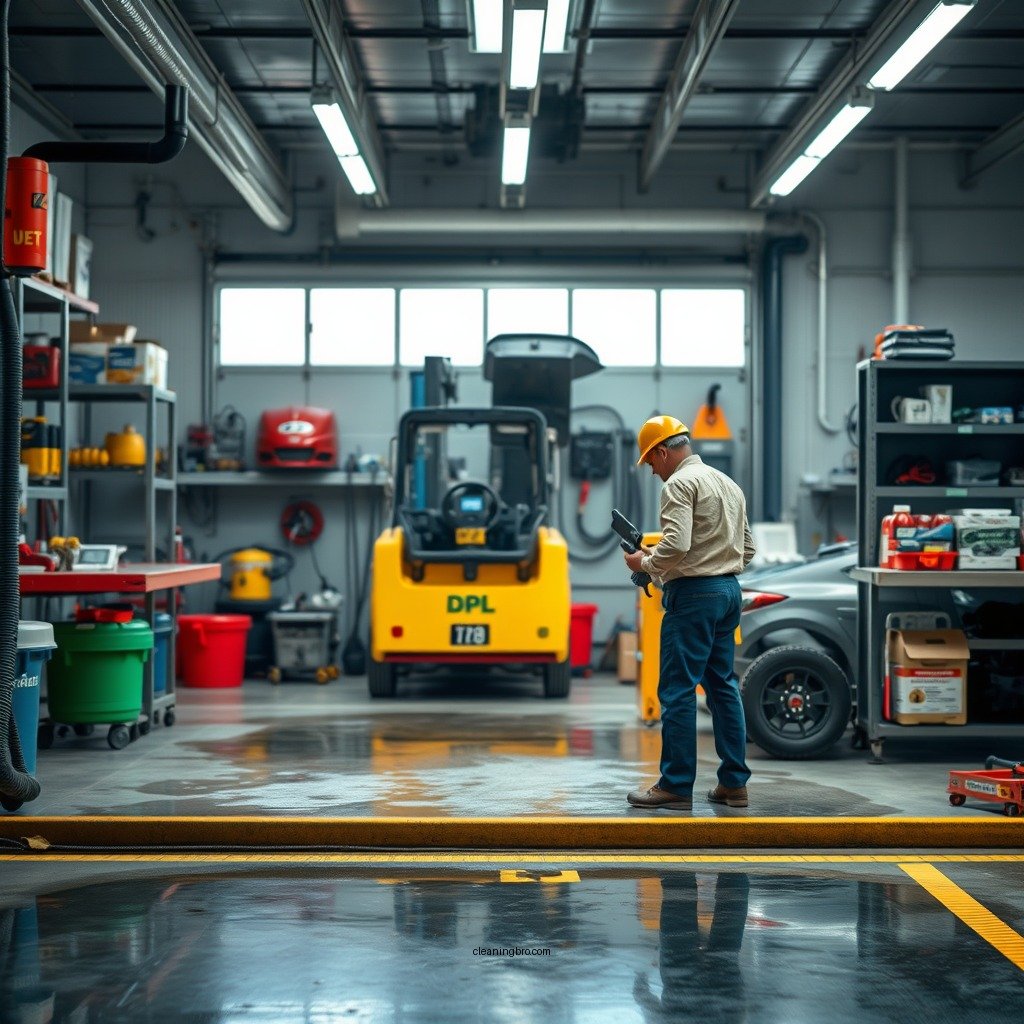
Before engaging in cleanup, it is crucial to assess the size of the gas spill. Small spills may be contained with basic absorbent materials, while larger spills may require more extensive measures and equipment. Understanding the volume of the spill is essential for planning the cleanup approach effectively.
Additionally, identifying potential hazards in the garage environment is vital. Look for ignition sources such as electrical appliances, tools, or open flames that could ignite the gasoline vapors. Furthermore, evaluate ventilation conditions. Adequate airflow is necessary to disperse harmful fumes during the cleanup process. If the garage lacks proper ventilation, consider using fans or opening doors and windows to improve air circulation before commencing with cleanup.
Safety Precautions
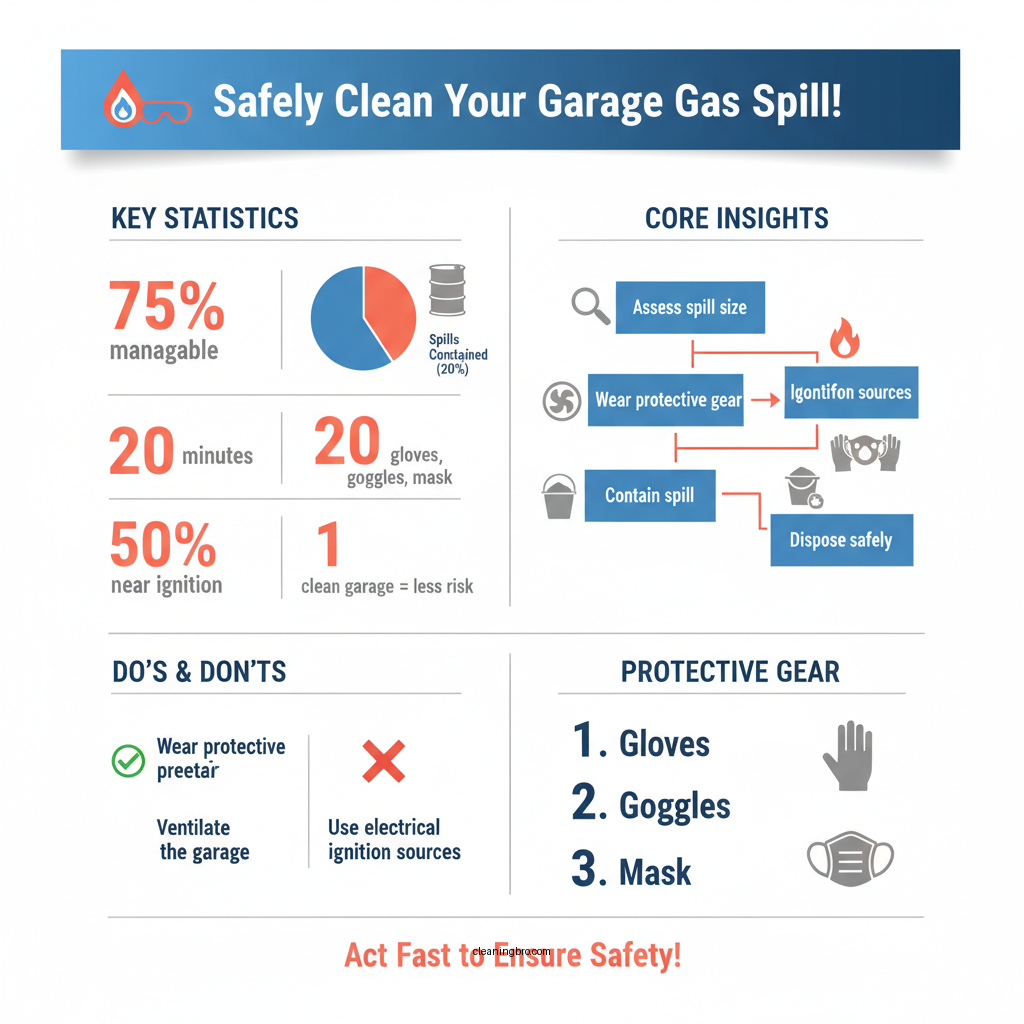
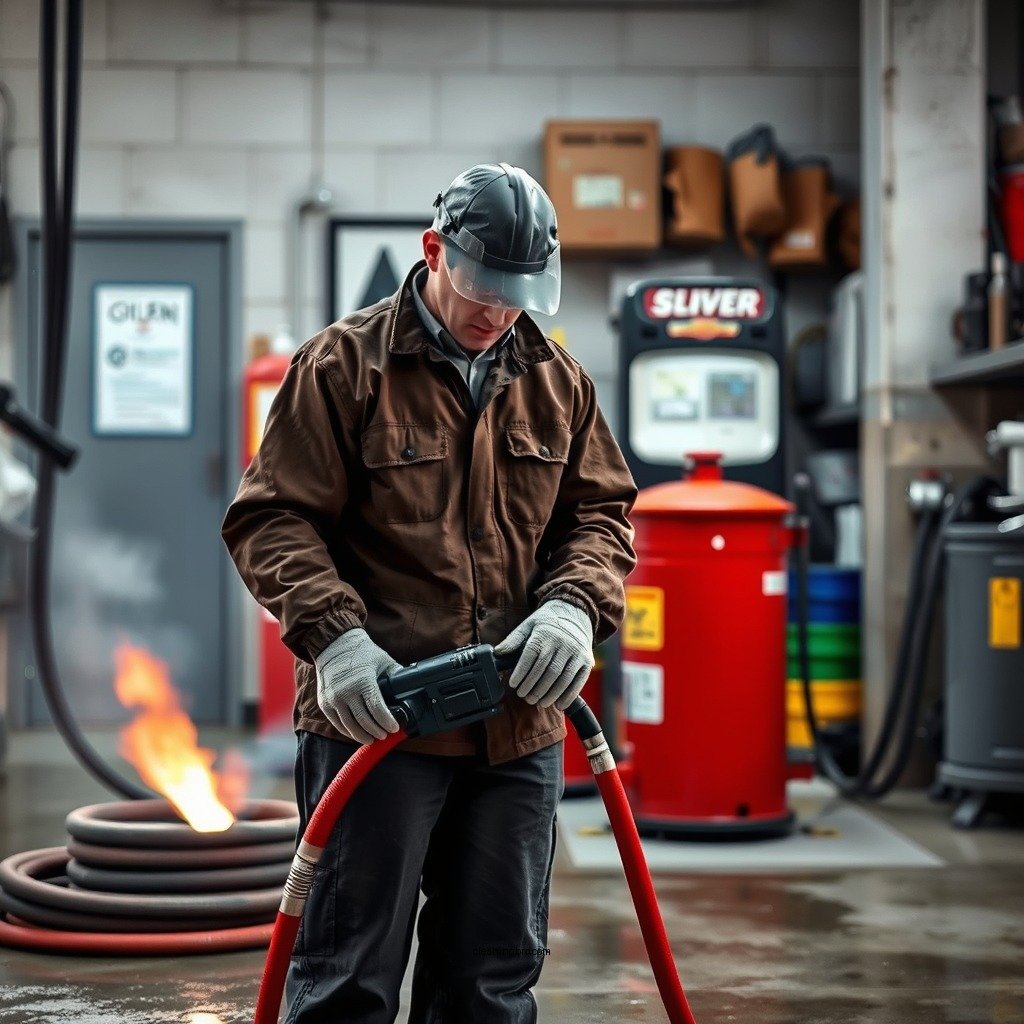
The safety of everyone involved in the cleanup process is paramount. Start by wearing appropriate protective gear, including gloves, goggles, and a mask. These items will shield your skin, eyes, and respiratory system from harmful chemicals and vapors associated with gasoline.
Ensuring that the garage is well-ventilated is also essential. Inadequate ventilation can lead to the accumulation of fumes, increasing the risk of inhalation and fire. If possible, use exhaust fans or open windows to facilitate the dispersal of vapors. Avoid using electrical equipment that could create sparks, and keep all ignition sources away from the area until the spill is adequately contained and cleaned.
Containing the Spill
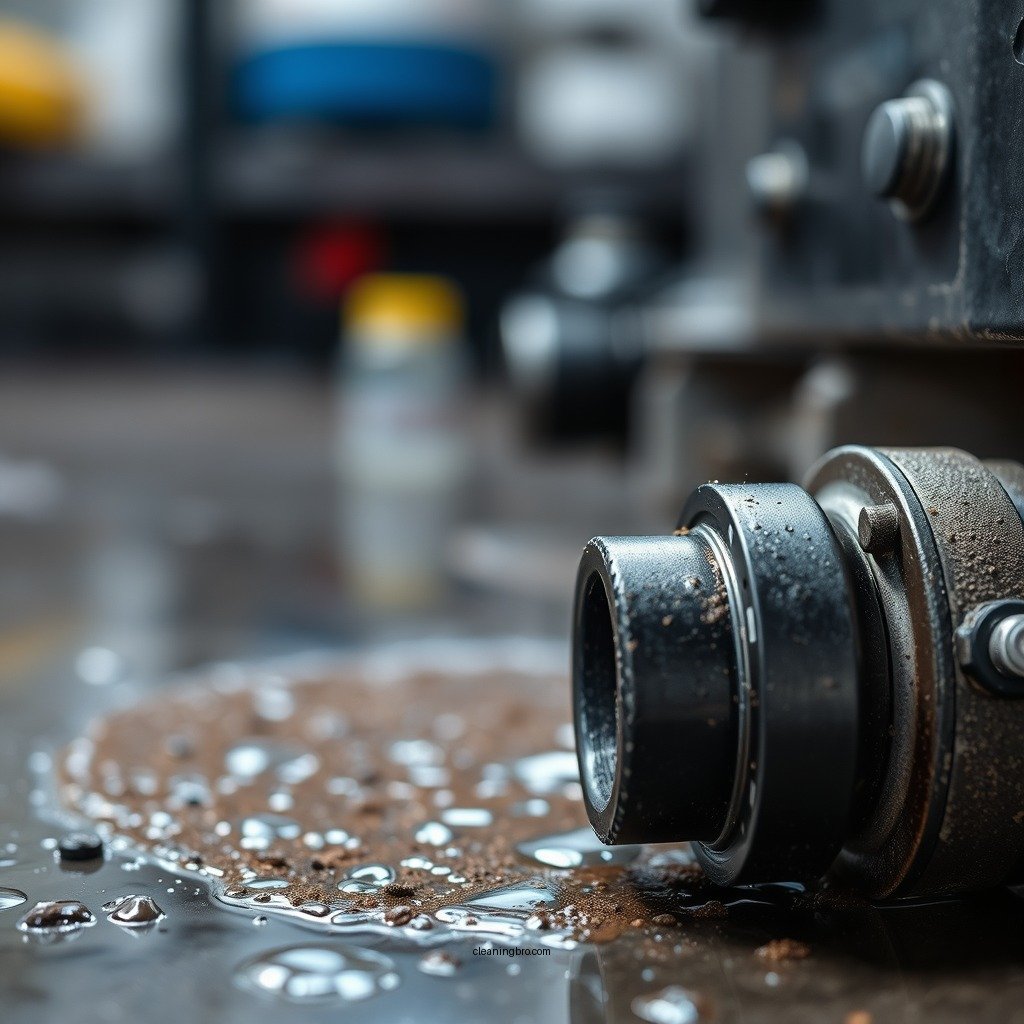
To effectively manage the spill, use absorbent materials such as cat litter, sand, or commercial absorbent pads. These materials are designed to soak up gasoline, making it easier to clean without spreading the contaminant further. Start by generously applying the absorbent material over the entire spill area, ensuring it covers the gasoline completely.
Once the material has soaked up the gasoline, carefully create a barrier around the spill using more absorbent material. This will prevent further spreading and contain the spill within a designated area. Allow the absorbent to sit for at least 15-20 minutes to maximize absorption.
Cleaning the Area
After the absorbent has thoroughly soaked up the gasoline, begin gathering the material for disposal. Use a dustpan or a similar tool to collect the saturated absorbent and place it in a sealed plastic bag or container. It is crucial to handle this waste carefully to prevent any residual gasoline from leaking.
Next, clean the affected area with a suitable degreaser or detergent. A solution of warm water and a commercial degreaser can effectively break down any remaining gasoline residue. Apply the cleaning solution to the area and scrub with a stiff brush to remove any stains or lingering odors. Rinse the area with clean water and allow it to dry completely before using the garage again.
Dealing with Residual Odors
Even after cleaning, gas spills can leave behind unpleasant odors. To combat lingering scents, consider using natural odor absorbers such as baking soda or activated charcoal. These substances can effectively neutralize odors without introducing harsh chemicals back into the environment.
For more stubborn odors, you may want to look into enzymatic cleaners specifically designed for fuel spills. These products contain enzymes that break down the organic compounds found in gasoline, thereby eliminating odors effectively. Follow the manufacturer’s instructions for application to ensure the best results.
Proper Disposal of Materials
Disposing of contaminated materials properly is crucial to prevent environmental harm. Many local regulations govern the disposal of hazardous waste, including items contaminated with gasoline. Check with local waste management authorities for guidelines on disposing of hazardous materials in your area.
If available, utilize hazardous waste collection sites for the disposal of contaminated absorbent materials. Never dispose of gasoline-soaked items in regular trash bins, as this poses a fire risk and can lead to environmental contamination.
Preventing Future Spills
To minimize the risk of future spills, it is essential to store gasoline in proper containers that are designed for fuel storage. These containers should be labeled and sealed tightly to prevent leaks. Store gasoline in a designated, secure area away from heat sources and direct sunlight to reduce the risk of evaporation and ignition.
Regularly inspect fuel storage areas for signs of leaks or deterioration. Address any issues immediately to prevent spills from occurring. Additionally, consider implementing a spill response plan for your garage to ensure that everyone knows how to react in the event of a gas spill.
Common Absorbent Materials for Gas Spills
| # | Material | Absorbency Rate | Cost (per bag) | Availability |
|---|---|---|---|---|
| 1 | Cat Litter | Up to 2.5 L | $5.00 | Widely Available |
| 2 | Sand | Up to 2.0 L | $3.00 | Widely Available |
| 3 | Commercial Absorbents | Up to 3.0 L | $15.00 | Specialty Stores |
| 4 | Paper Towels | Up to 1.5 L | $4.50 | Widely Available |
| 5 | Baking Soda | Up to 1.0 L | $2.00 | Grocery Stores |
| 6 | Activated Charcoal | Up to 1.5 L | $10.00 | Specialty Stores |
| 7 | Enzymatic Cleaners | Up to 3.5 L | $20.00 | Available Online |
Best Absorbent Materials for Gas Spills
| Feature | ⭐ Cat Litter | Sand | Commercial Absorbents |
|---|---|---|---|
| Absorbency Rate | Up to 2.5 L | Up to 2.0 L | Up to 3.0 L |
| Cost | $5.00 | $3.00 | $15.00 |
| Availability | Widely Available | Widely Available | Specialty Stores |
| Ease of Use | Easy to apply | Easy to apply | Requires handling |
| Environmental Impact | Low | Low | Varies |
| Odor Control | Good | Fair | Good |
| Versatility | Yes | Yes | Yes |
| Price per Absorbent Unit | $0.20 | $0.15 | $0.50 |
| 🏆 Best For | Home Use | Budget Projects | Professional Cleanup |
In conclusion, managing a gas spill in your garage requires prompt action and careful consideration of safety measures. By assessing the spill, taking necessary precautions, and employing effective containment and cleaning strategies, you can mitigate risks associated with gasoline exposure. Proper disposal of contaminated materials and implementing preventive measures will further safeguard your garage from future spills. Always prioritize safety and consider investing in spill kits to be better prepared for any incidents involving gasoline.
Frequently Asked Questions
What are the immediate steps to take after a gas spill in my garage?
After a gas spill in your garage, the first step is to ensure safety by turning off any ignition sources and ventilating the area. Use absorbent materials, such as kitty litter or sawdust, to soak up the spill, and then carefully collect the contaminated material for disposal according to local regulations.
How can I effectively clean up a gas spill on concrete?
To clean up a gas spill on concrete, first absorb the liquid with an absorbent material like sand or cat litter. Afterward, scrub the area with a mixture of warm water and a degreaser, rinsing thoroughly to remove any residue. Allow the area to dry completely to prevent any lingering odors.
Why is it important to clean a gas spill immediately?
It is crucial to clean a gas spill immediately because gasoline is highly flammable and poses a significant fire hazard. Additionally, gasoline can seep into concrete and create long-term environmental contamination, making immediate cleanup essential for safety and to protect your property.
What are the best products to use for cleaning a gas spill in a garage?
The best products for cleaning a gas spill in your garage include commercial degreasers, enzyme-based cleaners, or specialized oil and grease removers. These products are formulated to break down hydrocarbons effectively, ensuring thorough cleaning and odor removal from both surfaces and the air.
Which safety precautions should I take when cleaning up a gas spill?
When cleaning up a gas spill, always wear protective gear, including gloves and a mask, to prevent skin contact and inhalation of fumes. Ensure the garage is well-ventilated by opening doors and windows, and avoid using electrical equipment or flames in the area to minimize the risk of ignition.
References
- https://www.epa.gov/cleanups/gasoline-spills-cleanup
https://www.epa.gov/cleanups/gasoline-spills-cleanup - https://www.cdc.gov/niosh/topics/hazards.html
https://www.cdc.gov/niosh/topics/hazards.html - https://www.ncbi.nlm.nih.gov/pmc/articles/PMC6071377/
https://www.ncbi.nlm.nih.gov/pmc/articles/PMC6071377/ - https://www.who.int/news-room/questions-and-answers/item/health-effects-of-gasoline
https://www.who.int/news-room/questions-and-answers/item/health-effects-of-gasoline - https://www.britannica.com/science/gasoline
https://www.britannica.com/science/gasoline - https://www.niehs.nih.gov/health/materials/gasoline_factsheet_508.pdf
https://www.niehs.nih.gov/health/materials/gasoline_factsheet_508.pdf - https://www.sciencedirect.com/science/article/abs/pii/S0045653517314260
https://www.sciencedirect.com/science/article/abs/pii/S0045653517314260 - https://www.nytimes.com/2020/08/24/business/gasoline-spills.html
https://www.nytimes.com/2020/08/24/business/gasoline-spills.html - Google Scholar Google Scholar
https://scholar.google.com/scholar?q=how+to+clean+gas+spill+in+garage - Google Scholar Google Scholar
https://scholar.google.com/scholar?q=cleaning+gasoline+spills+environmental+impact