How to Clean a Gray Water Tank: Step-by-Step Guide
Cleaning a gray water tank is essential for maintaining a healthy and odor-free environment. To effectively clean your gray water tank, start by emptying it completely, then use a mixture of water and a suitable cleaner to scrub the tank’s interior. This article will guide you through the essential steps and tips for cleaning your gray water tank efficiently, ensuring its optimal performance and hygiene.
Understanding Gray Water Tanks
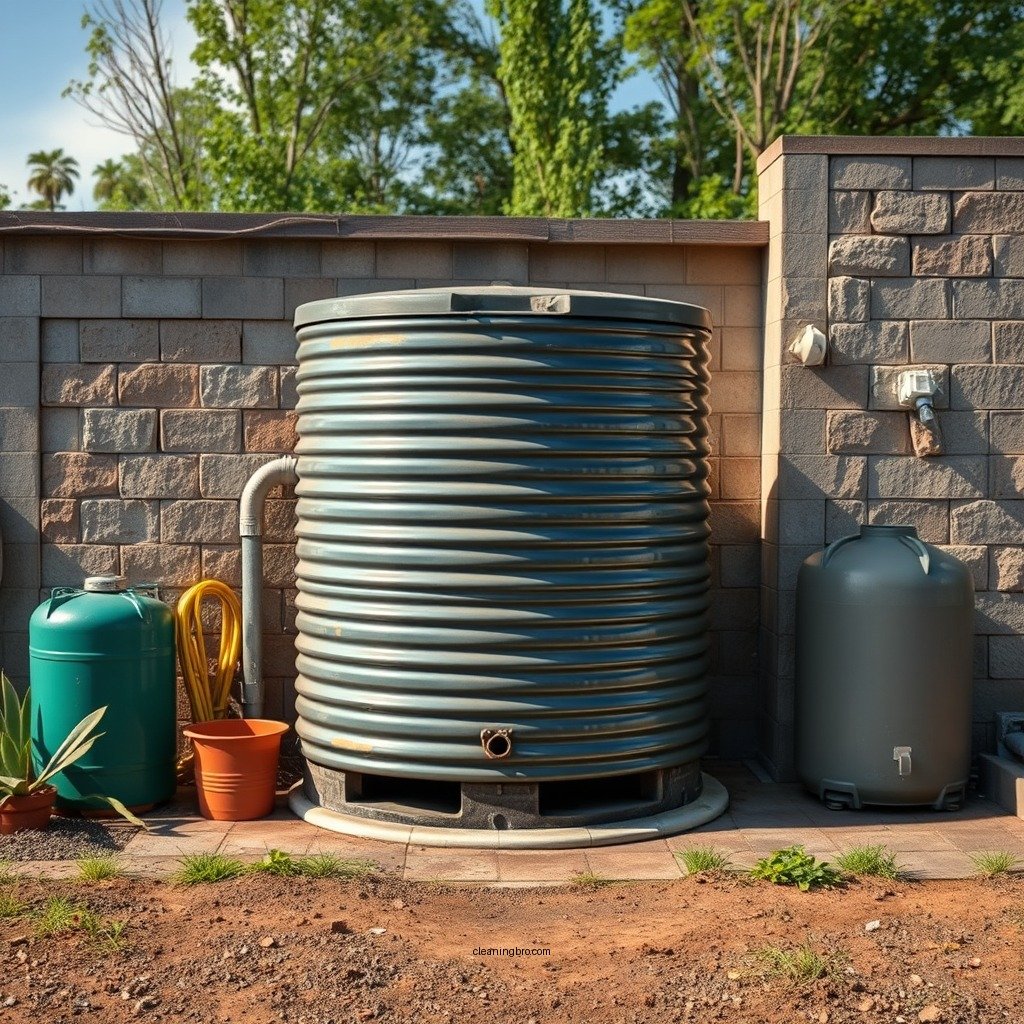
Gray water refers to wastewater generated from various sources within a household, excluding anything from toilets. Common sources include showers, sinks, and washing machines. This water may contain soap, food particles, and other organic material, which can create an environment for bacteria and foul odors if not managed properly.
Maintaining a clean gray water tank is crucial for hygiene and system efficiency. A dirty tank can lead to clogs, unpleasant smells, and even health risks due to bacterial growth. Regular cleaning not only extends the lifespan of your plumbing system but also promotes the safe reuse of gray water for irrigation and other non-potable purposes.
Tools and Supplies Needed
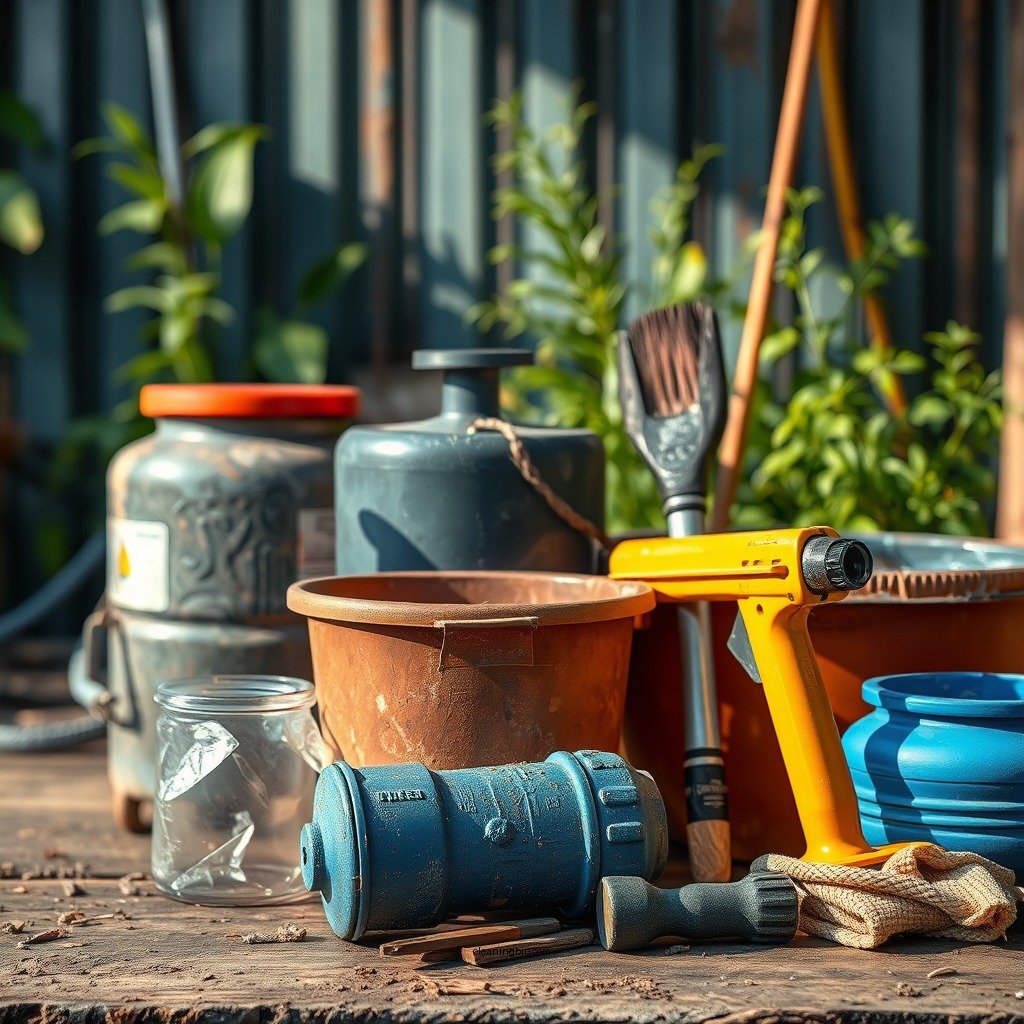
To clean your gray water tank effectively, you will need the following tools and supplies:
– Gloves: Protective gloves to keep your hands safe from contaminants.
– Brushes: A long-handled scrub brush for reaching all parts of the tank.
– Hose: A standard garden hose to rinse the tank thoroughly.
– Basin: A bucket or basin to collect any debris.
– Cleaning Solutions:
– Eco-friendly options such as vinegar and baking soda.
– Commercial cleaners specifically designed for gray water tanks.
Using eco-friendly cleaning solutions is highly recommended to minimize environmental impact and prevent harmful chemicals from entering the ecosystem.
Step-by-Step Cleaning Process
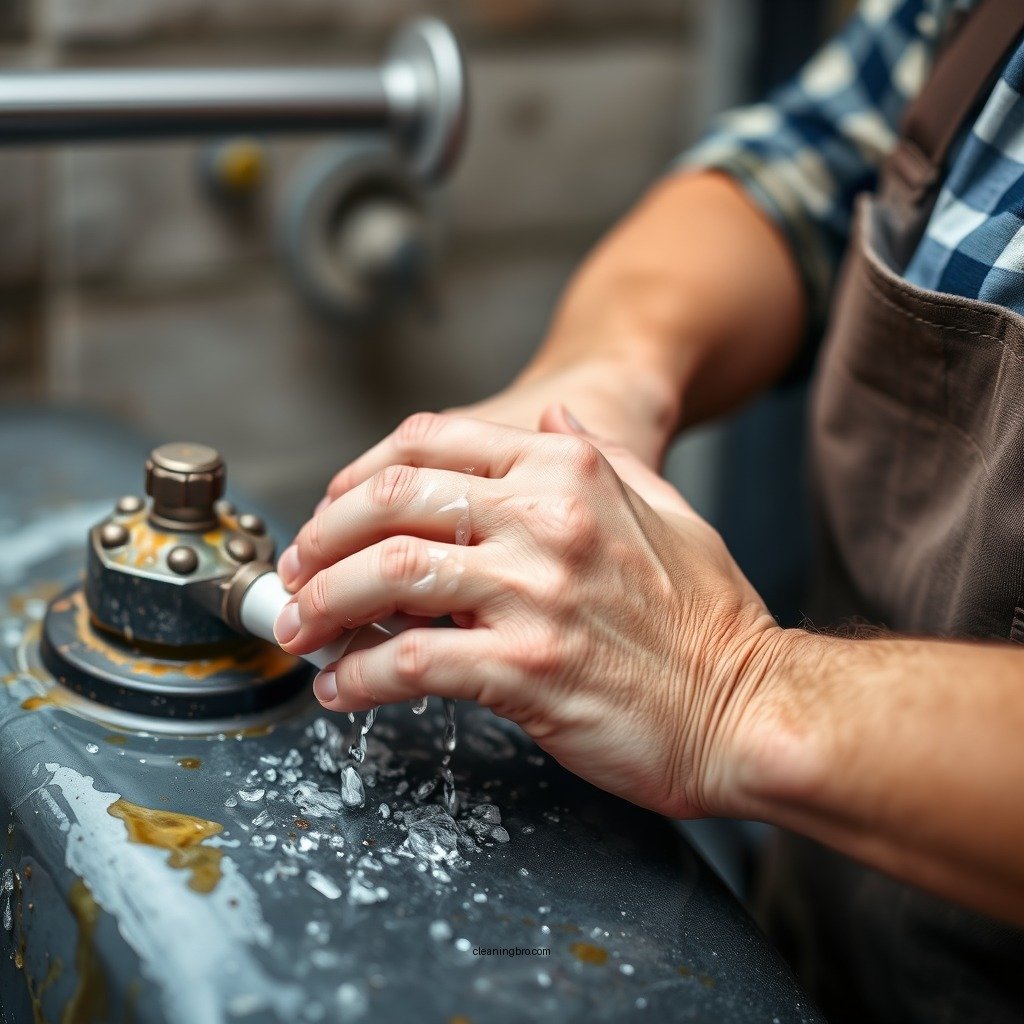
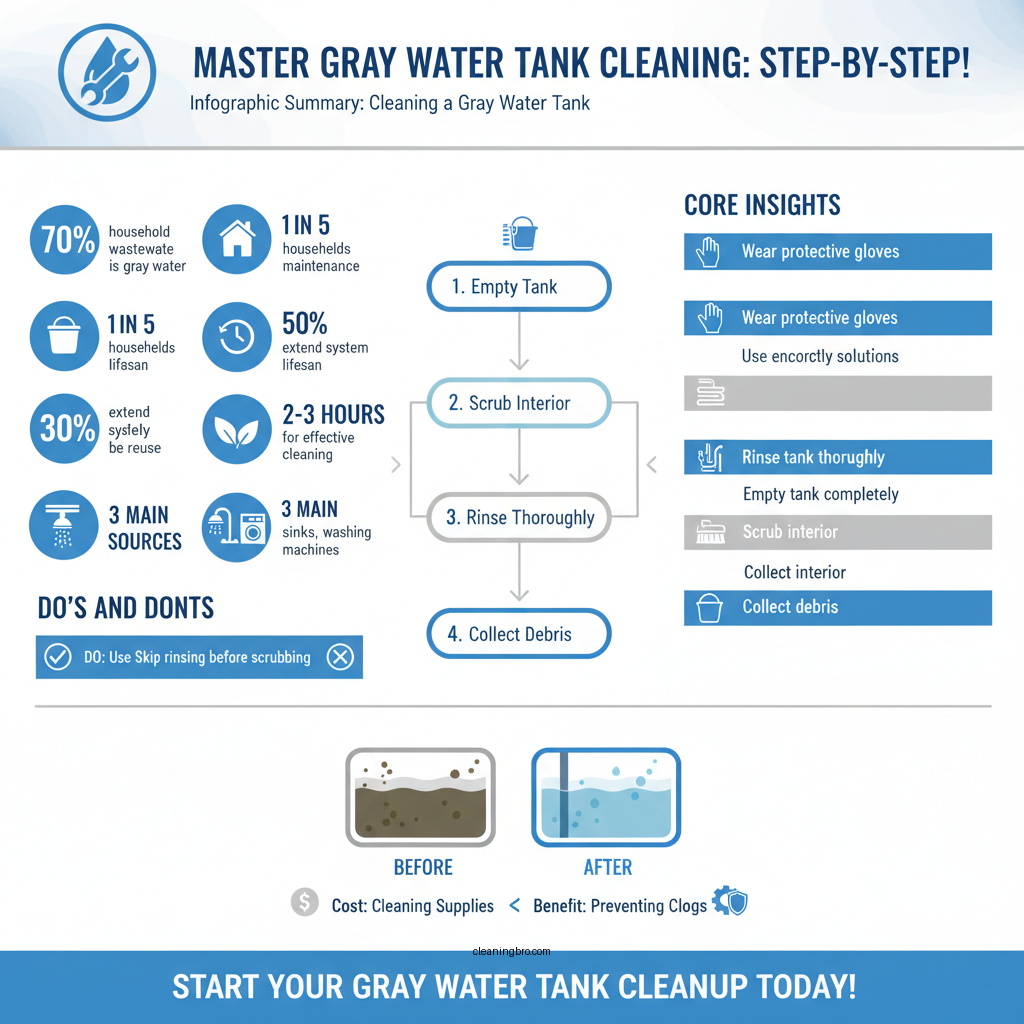
Step 1: Empty the Gray Water Tank Completely
The first step in cleaning your gray water tank is to empty it completely. This can typically be done using the tank’s drain valve. If your system includes a macerator pump, ensure it is functioning properly to facilitate complete drainage. It is essential to ensure that no residual water remains, as this could lead to bacteria growth.
Step 2: Rinse the Tank with Fresh Water to Remove Debris
After draining the tank, use a garden hose to rinse the interior walls and base of the tank. This initial rinse will help to remove any loose debris, oils, or sediments. Make sure to direct the water to all corners of the tank to ensure thorough cleaning.
Common Sources of Gray Water and Their Contaminants
| # | Source | Common Contaminants | Recommended Treatment |
|---|---|---|---|
| 1 | Showers | Hair, soap residues | Regular scrubbing |
| 2 | Sinks | Food particles, grease | Hot water flush |
| 3 | Washing machines | Detergents, lint | Chemical neutralization |
| 4 | Dishwashers | Food remnants, detergent | Flush with vinegar |
| 5 | Bathtubs | Soap, hair | Scrub and rinse |
| 6 | Laundry | Detergents, dyes | Periodic cleaning |
| 7 | Other | Miscellaneous waste | Regular inspection |
Scrubbing and Disinfecting
With the tank rinsed, the next step is to scrub the interior surfaces thoroughly. Utilize a long-handled scrub brush to reach all areas, paying special attention to corners and the bottom, where debris tends to accumulate.
After scrubbing, apply a disinfecting solution to eliminate bacteria and odors. A mixture of water and vinegar can serve as an effective disinfectant while being environmentally friendly. Allow the solution to sit for several minutes before rinsing it away thoroughly with fresh water.
Flushing the System
Step 1: Rinse the Tank Again with Clean Water
Following the scrubbing and disinfecting process, it is crucial to rinse the tank thoroughly again with clean water. This will help to ensure that no cleaning residues remain, which could contaminate the gray water when the tank is refilled.
Step 2: Ensure All Cleaning Solution is Flushed Out Before Refilling
Make sure to check that the tank is completely free of any cleaning solutions before refilling it with gray water. This step is vital to prevent unwanted chemical reactions or contamination that could pose risks to your plumbing system or health.
Gray Water Tank Cleaning Solutions: Eco-Friendly vs. Chemical
| Feature | ⭐ Eco-Friendly | Chemical Cleaner | Natural Solution |
|---|---|---|---|
| Effectiveness | ✅ High | ✅ Very High | ✅ Moderate |
| Environmental Impact | ✅ Low | ❌ High | ✅ Low |
| Cost | ✅ Low | ❌ High | ✅ Low |
| Ease of Use | ✅ Simple | ✅ Requires care | ✅ Simple |
| Safety | ✅ Very Safe | ❌ Risky | ✅ Very Safe |
| Odor Neutralization | ✅ Effective | ✅ Very Effective | ✅ Moderately Effective |
| Bacterial Removal | ✅ High | ❌ Very High | ✅ Moderate |
| Time Required | ✅ Minimal | ❌ Moderate | ✅ Minimal |
| 🏆 Best For | Eco-conscious users | Heavy-duty cleaning | Natural cleaning advocates |
Maintenance Tips for Gray Water Tanks
To ensure your gray water tank remains in optimal condition, establish a regular cleaning schedule. It is recommended to clean the tank every 3 to 6 months, depending on usage and the types of contaminants.
Be vigilant for signs that indicate it’s time for cleaning, such as bad odors, slow drainage, or visible debris in the tank. Regular maintenance will help prevent buildup, ensuring that the tank functions efficiently and safely, allowing for the effective reuse of gray water.
Keeping your gray water tank clean is essential for a safe and efficient plumbing system. Follow these steps regularly to maintain a healthy environment. If you found this guide helpful, consider sharing it with others who may need it, or check our blog for more maintenance tips!
Frequently Asked Questions
What are the best methods for cleaning a gray water tank?
The best methods for cleaning a gray water tank include using a mixture of vinegar and baking soda, which effectively breaks down buildup and odors. Additionally, using specialized tank cleaning products can help sanitize and eliminate bacteria. Regularly flushing the tank with fresh water after each use also aids in keeping it clean.
How often should I clean my gray water tank?
It is advisable to clean your gray water tank every 3 to 6 months, depending on usage. If you notice unpleasant odors or decreased drainage efficiency, it may be time for a more frequent cleaning. Regular maintenance prevents buildup and prolongs the life of your tank.
Why is it important to maintain and clean a gray water tank?
Maintaining and cleaning a gray water tank is crucial to prevent clogs, odors, and bacterial growth. Neglecting this maintenance can lead to larger issues, such as tank damage or costly repairs. A clean tank also ensures that your waste management system operates efficiently and safely.
Which products are recommended for gray water tank cleaning?
Recommended products for gray water tank cleaning include enzymatic cleaners, which break down organic waste, and eco-friendly detergents that minimize environmental impact. Look for products specifically designed for gray water systems to ensure compatibility and effectiveness. Always follow the manufacturer’s instructions for best results.
How do I flush my gray water tank effectively?
To flush your gray water tank effectively, start by draining the tank completely. Then, fill it with a mixture of water and a suitable cleaning agent, allowing it to sit for a few hours. Finally, drain the tank again and rinse it thoroughly with fresh water to ensure all residues are removed, leaving the tank clean and odor-free.
References
- https://www.epa.gov/water-research/greywater-reuse
https://www.epa.gov/water-research/greywater-reuse - https://www.cdc.gov/healthywater/drinking/other/greywater.html
https://www.cdc.gov/healthywater/drinking/other/greywater.html - https://www.who.int/water_sanitation_health/guidelines/greywater/en/
https://www.who.int/water_sanitation_health/guidelines/greywater/en/ - https://www.sciencedirect.com/topics/earth-and-planetary-sciences/greywater
https://www.sciencedirect.com/topics/earth-and-planetary-sciences/greywater - https://www.britannica.com/science/grey-water
https://www.britannica.com/science/grey-water - https://www.nature.com/articles/s41545-018-0035-0
https://www.nature.com/articles/s41545-018-0035-0 - Google Scholar Google Scholar
https://scholar.google.com/scholar?q=how+to+clean+gray+water+tank - Google Scholar Google Scholar
https://scholar.google.com/scholar?q=greywater+management - Google Scholar Google Scholar
https://scholar.google.com/scholar?q=cleaning+greywater+tank+systems - how to clean gray water tank – Search results
https://en.wikipedia.org/wiki/Special:Search?search=how+to+clean+gray+water+tank