How to Clean a Heat Pump: A Step-by-Step Guide
Cleaning a heat pump is essential for maintaining its efficiency and prolonging its lifespan. Regular maintenance not only enhances performance but also ensures that your home remains comfortable year-round. In this comprehensive guide, you will learn effective and safe steps for cleaning your heat pump, enabling optimal performance and reliability.
Understanding Your Heat Pump
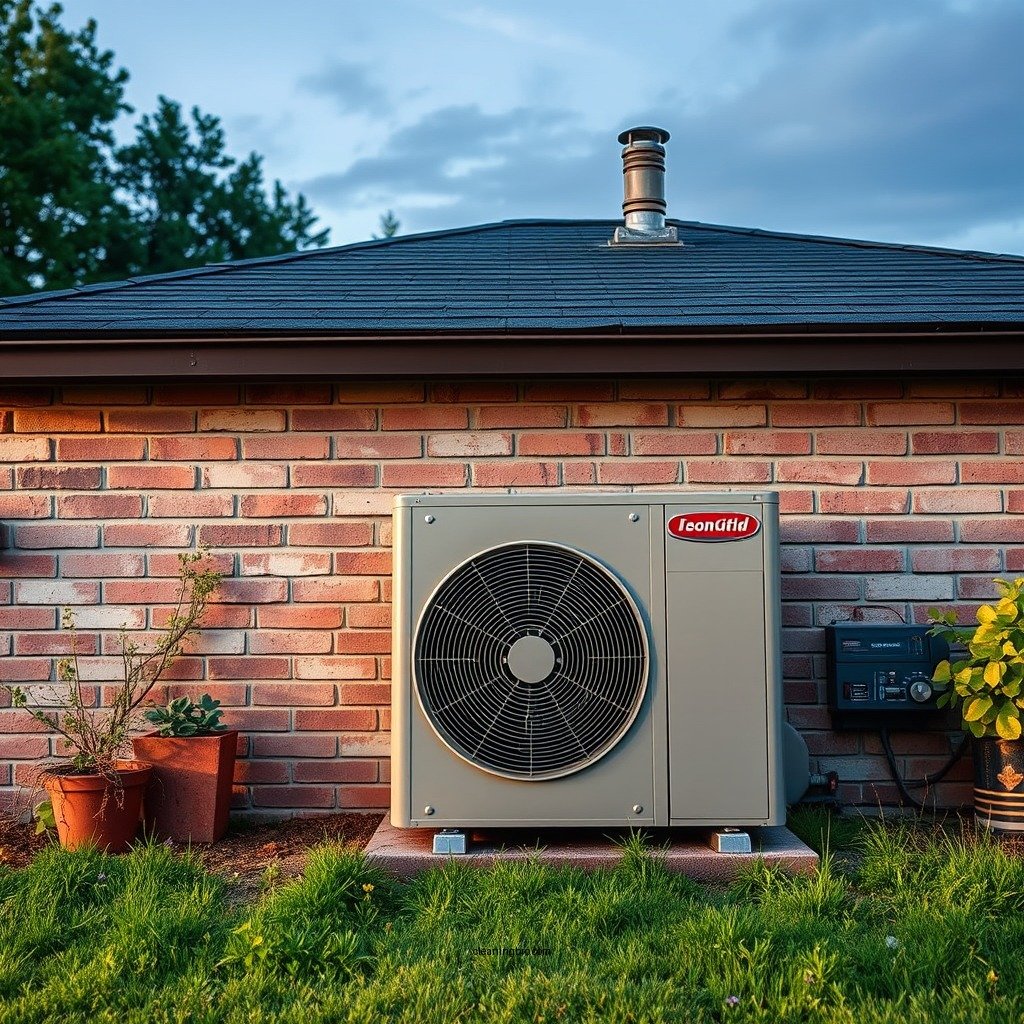
A heat pump consists of two main components: the indoor unit and the outdoor unit. The indoor unit is responsible for distributing warm or cool air throughout your living space, while the outdoor unit absorbs or expels heat from the outside environment. Understanding these components is crucial for effective maintenance.
Regular cleaning of both units is vital for several reasons. First, dirt and debris can obstruct airflow, leading to decreased efficiency and increased energy bills. Second, a well-maintained heat pump is less likely to experience breakdowns, which can be costly and inconvenient. By investing time in regular cleaning, you can significantly improve your heat pump’s performance and longevity.
Safety First: Preparing for Cleaning
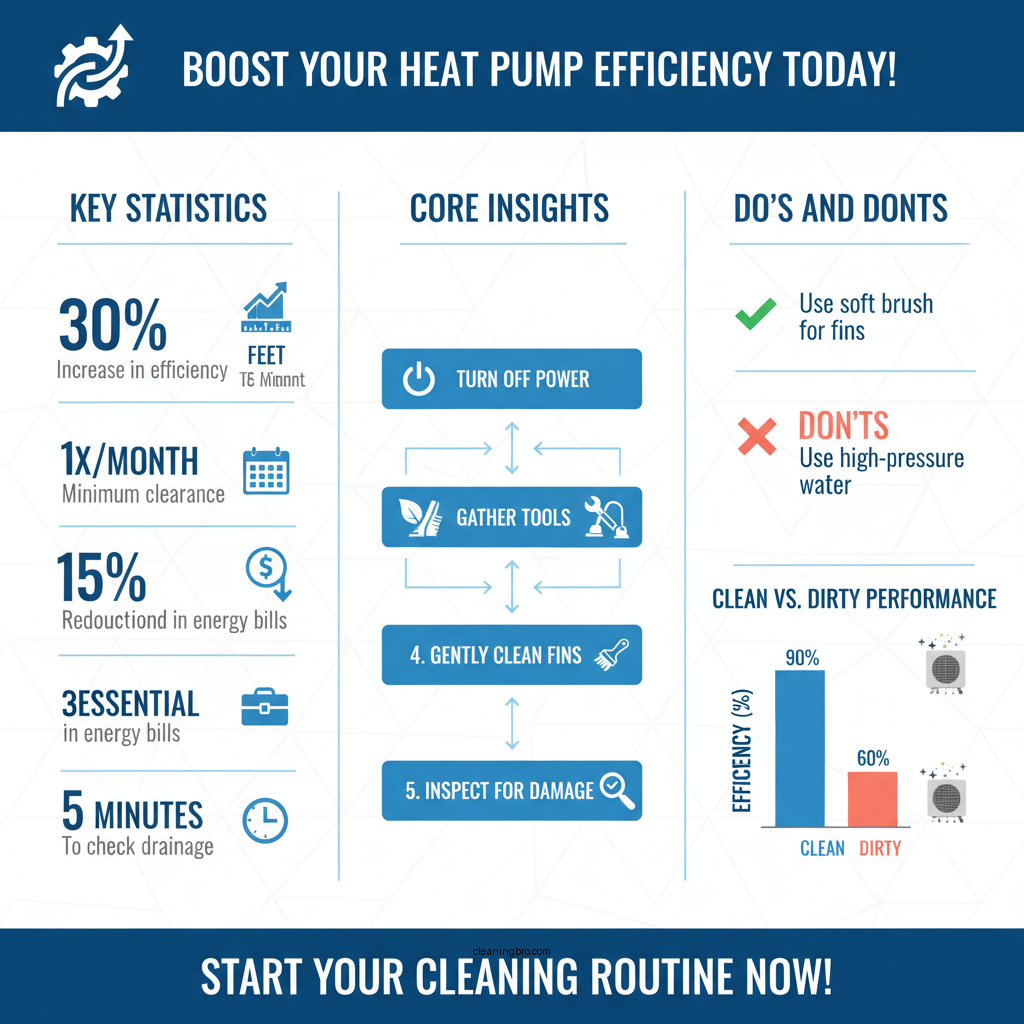
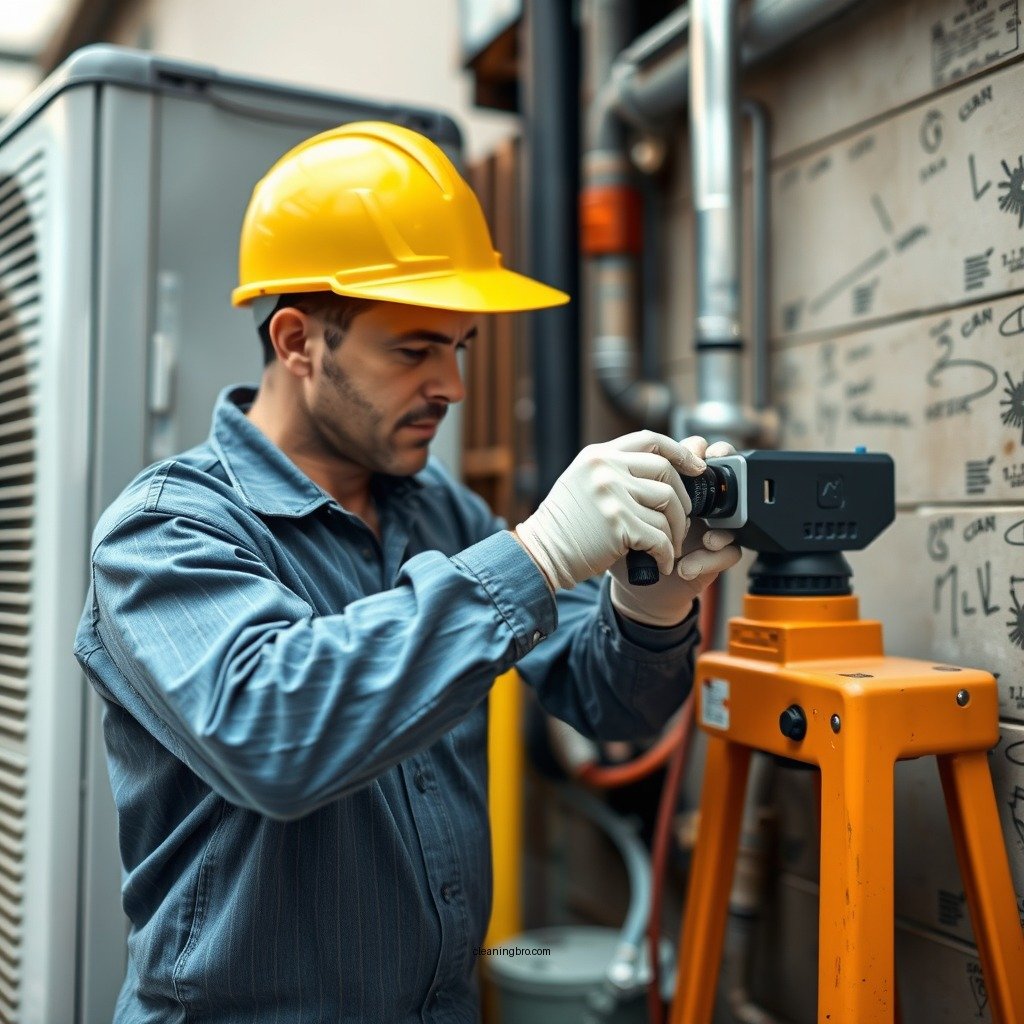
Before you begin the cleaning process, safety should be your top priority. Start by turning off the power to the heat pump at the circuit breaker to prevent any accidents. Once the power is off, gather the necessary tools for cleaning. You will need:
– A vacuum cleaner with a soft brush attachment
– A soft brush or cloth
– A mild cleaning solution (such as a mixture of water and vinegar)
– A flashlight (for better visibility in dark areas)
Having the right tools at hand will make the cleaning process more efficient and effective, allowing you to address both the indoor and outdoor units thoroughly.
Cleaning the Outdoor Unit
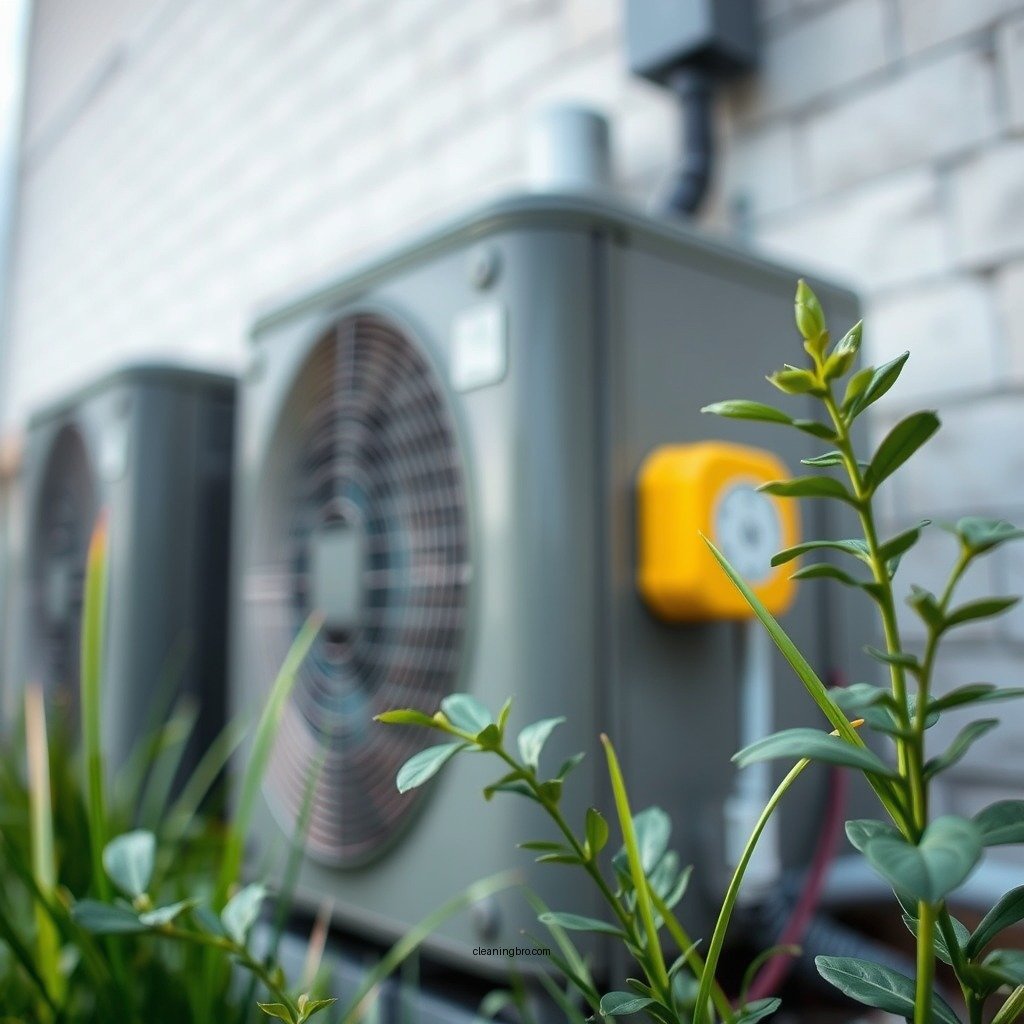
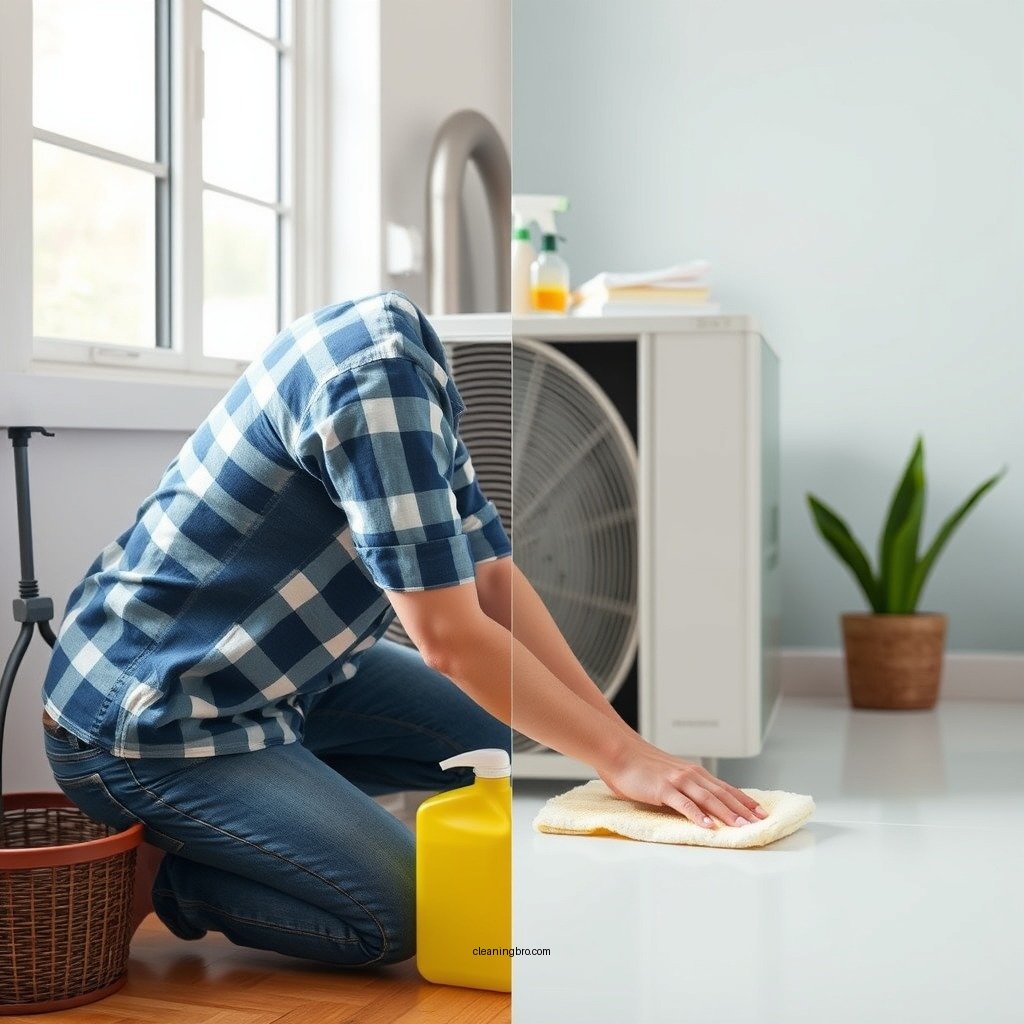
The outdoor unit of your heat pump is exposed to the elements and can accumulate dirt, leaves, and other debris over time. Follow these steps to clean it effectively:
1. Remove Debris: Begin by clearing away any leaves, dirt, or obstructions from around the unit. Ensure there is at least two feet of clearance around the heat pump to allow for proper airflow.
2. Clean the Fins: The fins of the outdoor unit are delicate and can be easily damaged. Use a soft brush or a vacuum cleaner with a brush attachment to gently clean the fins. Avoid using high-pressure water as it can bend the fins and impede airflow.
3. Check the Drainage: Ensure that the drainage holes are clear and functioning properly. Clogged drainage can lead to water buildup, which may cause damage to the heat pump.
4. Inspect for Damage: While cleaning, take a moment to inspect the unit for any signs of damage, such as bent fins or loose connections. Addressing these issues promptly can prevent more significant problems down the line.
Top 7 Heat Pump Brands by Market Share (2023)
| # | Brand | Market Share | Energy Efficiency | Warranty Period |
|---|---|---|---|---|
| 1 | Trane | 30% | High | 10 years |
| 2 | Carrier | 25% | Very High | 10 years |
| 3 | Lennox | 20% | High | 10 years |
| 4 | Goodman | 15% | Medium | 10 years |
| 5 | Rheem | 5% | Very High | 10 years |
| 6 | Bosch | 3% | High | 10 years |
| 7 | Mitsubishi | 2% | Very High | 10 years |
Cleaning the Indoor Unit
Maintaining the indoor unit is equally important for the overall efficiency of your heat pump. Follow these steps to clean the indoor unit effectively:
1. Replace or Clean Filters: Start by removing the air filters from the indoor unit. If they are disposable, replace them with new ones. If they are reusable, wash them gently with warm, soapy water, rinse, and allow them to dry completely before reinserting them. Clean filters are crucial for maintaining optimal airflow and efficiency.
2. Wipe Down Surfaces: Use a damp cloth to wipe down the exterior surfaces of the indoor unit. Pay special attention to the vents and the areas surrounding them. This will prevent dust from circulating in your home and improve indoor air quality.
3. Check the Drain Pan: Inspect the drain pan for any algae or mold buildup. Clean it with a mixture of water and vinegar to prevent clogs and ensure proper drainage.
4. Inspect for Dust and Debris: Look for any visible dust or debris inside the unit. If necessary, use a vacuum cleaner with a soft brush attachment to remove any buildup.
5. Test the Thermostat: After cleaning, check the thermostat to ensure it’s functioning correctly. Adjust the settings to verify that the heat pump responds appropriately.
Checking and Maintaining Ducts
The ductwork connected to your heat pump plays a significant role in its efficiency and performance. Regular inspection and maintenance are vital to ensure that air is flowing freely throughout your home.
1. Inspect Ductwork: Look for any visible signs of dust accumulation, blockages, or damage to the ductwork. A flashlight can help you see into dark corners.
2. Consider Professional Duct Cleaning: If you notice significant buildup, it may be time to hire a professional duct cleaning service. They have specialized equipment to thoroughly clean the ductwork, improving air quality and system efficiency.
3. Seal Any Leaks: Check for any leaks in the ductwork that could lead to energy loss. Seal any gaps with duct tape or consider hiring a professional to ensure a tight seal.
4. Schedule Regular Inspections: Make it a habit to have your ductwork inspected annually to catch any issues early and keep your heat pump running at peak efficiency.
Final Steps: Testing and Monitoring
After completing the cleaning process, it’s crucial to check that everything is functioning properly. Follow these final steps to ensure your heat pump is ready for optimal performance:
1. Restore Power: Turn the power back on at the circuit breaker. Ensure that the heat pump is receiving power and is ready to operate.
2. Check the Unit’s Operation: Set the thermostat to your desired temperature and observe the heat pump as it operates. Listen for any unusual sounds such as grinding or rattling, which could indicate a problem.
3. Monitor Performance: Over the next few days, keep an eye on the heat pump’s performance. Pay attention to how quickly it reaches the desired temperature and whether it runs efficiently without excessive cycling.
4. Schedule Regular Maintenance Checks: To maintain efficiency and prolong the life of your heat pump, schedule regular maintenance checks with a qualified technician at least once a year.
Keeping your heat pump clean is vital for maintaining its efficiency and longevity. By following these steps, you can ensure that your heat pump runs smoothly and effectively. Don’t forget to schedule regular maintenance checks and stay proactive about cleaning to enjoy a comfortable home year-round.
Frequently Asked Questions
How do I clean the filters of my heat pump?
Cleaning the filters of your heat pump is crucial for efficient operation. Start by turning off the system, then remove the filters, which are usually located behind a removable panel. Rinse them under warm water and let them dry completely before reinstallation. Regularly cleaning your filters every 1-2 months can improve indoor air quality and prolong the life of your heat pump.
What tools do I need to clean my heat pump effectively?
To clean your heat pump effectively, you will need a few basic tools: a soft brush or vacuum with a brush attachment, a garden hose, a spray nozzle, and possibly a cleaning solution specifically designed for HVAC systems. These tools will help you remove dirt, dust, and debris from both the indoor and outdoor units, ensuring optimal performance and efficiency.
Why is it important to clean my heat pump regularly?
Regularly cleaning your heat pump is vital for maintaining its efficiency and prolonging its lifespan. Accumulated dirt and debris can obstruct airflow, leading to increased energy consumption and potential breakdowns. Additionally, a clean heat pump can improve indoor air quality by reducing allergens and pollutants, creating a healthier living environment.
What is the best way to clean the outdoor unit of a heat pump?
The best way to clean the outdoor unit of your heat pump involves first turning off the power to the unit. Clear away any leaves, dirt, or debris that may have collected around the unit, then use a garden hose to gently wash the fins, being careful not to bend them. A fin comb can also be used to straighten any bent fins, ensuring proper airflow for optimal heat exchange.
Which maintenance tasks should I perform alongside cleaning my heat pump?
Alongside cleaning your heat pump, you should also check and replace the air filters, inspect the ductwork for leaks, and ensure that the condensate drain is clear. Additionally, consider scheduling a professional maintenance check annually to ensure all components are functioning correctly and to address any potential issues before they become costly repairs.
References
- Heat Pump Systems | Department of Energy
https://www.energy.gov/energysaver/heat-pump-systems - https://www.ahrinet.org/Home/Resources/Consumer-Resources/Heat-Pump-Systems
https://www.ahrinet.org/Home/Resources/Consumer-Resources/Heat-Pump-Systems - https://www.woodlands.edu/heat-pump-maintenance/
https://www.woodlands.edu/heat-pump-maintenance/ - https://www.energystar.gov/products/heating_cooling/heat_pumps
https://www.energystar.gov/products/heating_cooling/heat_pumps - https://www.sciencedirect.com/topics/engineering/heat-pump
https://www.sciencedirect.com/topics/engineering/heat-pump - Google Scholar Google Scholar
https://scholar.google.com/scholar?q=how+to+clean+a+heat+pump - Google Scholar Google Scholar
https://scholar.google.com/scholar?q=heat+pump+maintenance - Google Scholar Google Scholar
https://scholar.google.com/scholar?q=cleaning+heat+pump+efficiency - how to clean a heat pump – Search results
https://en.wikipedia.org/wiki/Special:Search?search=how+to+clean+a+heat+pump - https://www.ncbi.nlm.nih.gov/search/research-articles/?term=how+to+clean+a+heat+pump
https://www.ncbi.nlm.nih.gov/search/research-articles/?term=how+to+clean+a+heat+pump