How to Clean a Horse Sheath: Step-by-Step Guide
Cleaning a horse’s sheath is essential for maintaining your horse’s health and hygiene. It involves a careful and gentle approach to ensure comfort for your horse while preventing infections and irritations. This guide will walk you through the necessary steps to perform this important care task safely and effectively, ensuring your equine companion remains healthy and comfortable.
Understanding the Importance of Sheath Cleaning
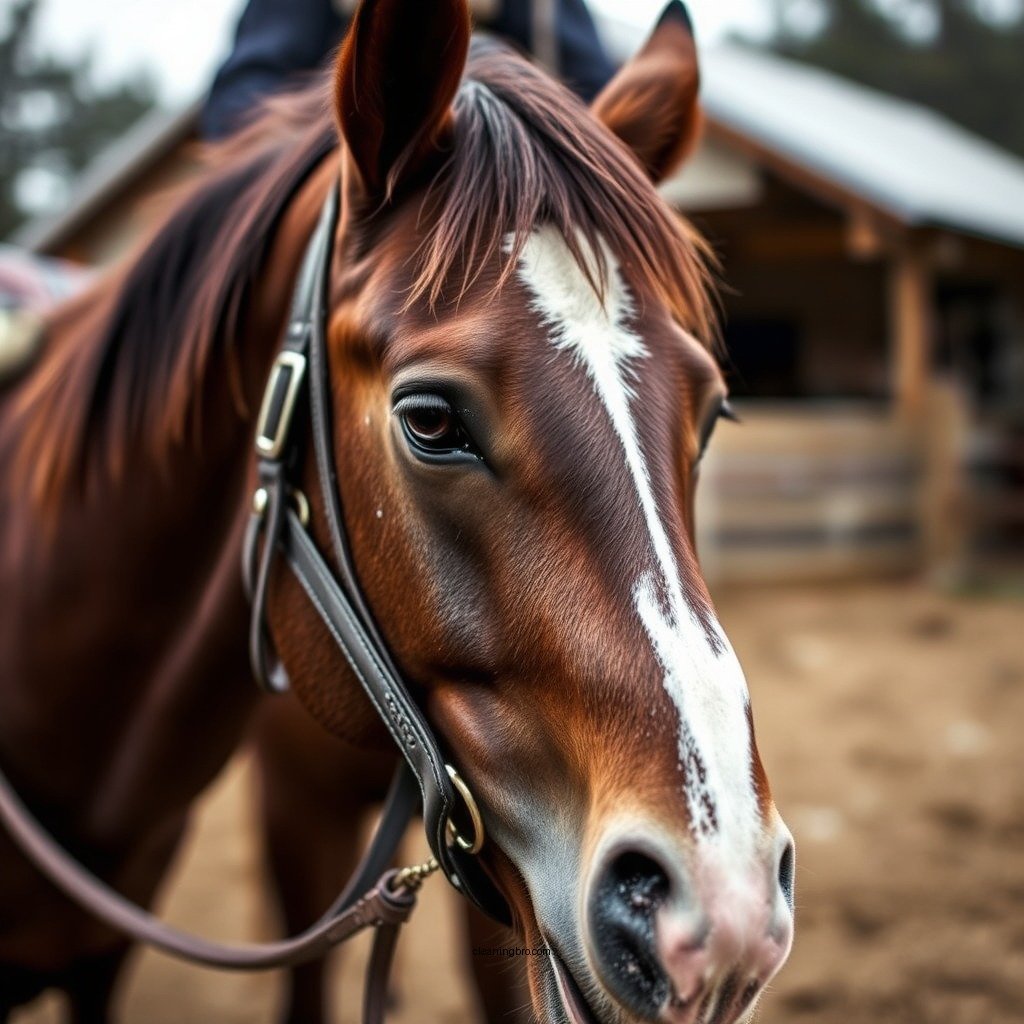
Regular sheath cleaning is a critical aspect of equine care that should not be overlooked. The sheath, which is the protective covering of the penis, can accumulate smegma—a combination of dead skin cells, oils, and other debris. If not cleaned regularly, this buildup can lead to infections, irritation, and discomfort for the horse. Furthermore, neglecting sheath maintenance can contribute to behavioral issues, as an itchy or irritated sheath may cause your horse to be restless or uncomfortable. By incorporating sheath cleaning into your horse care routine, you can help maintain their overall hygiene, comfort, and health.
Gathering Necessary Supplies
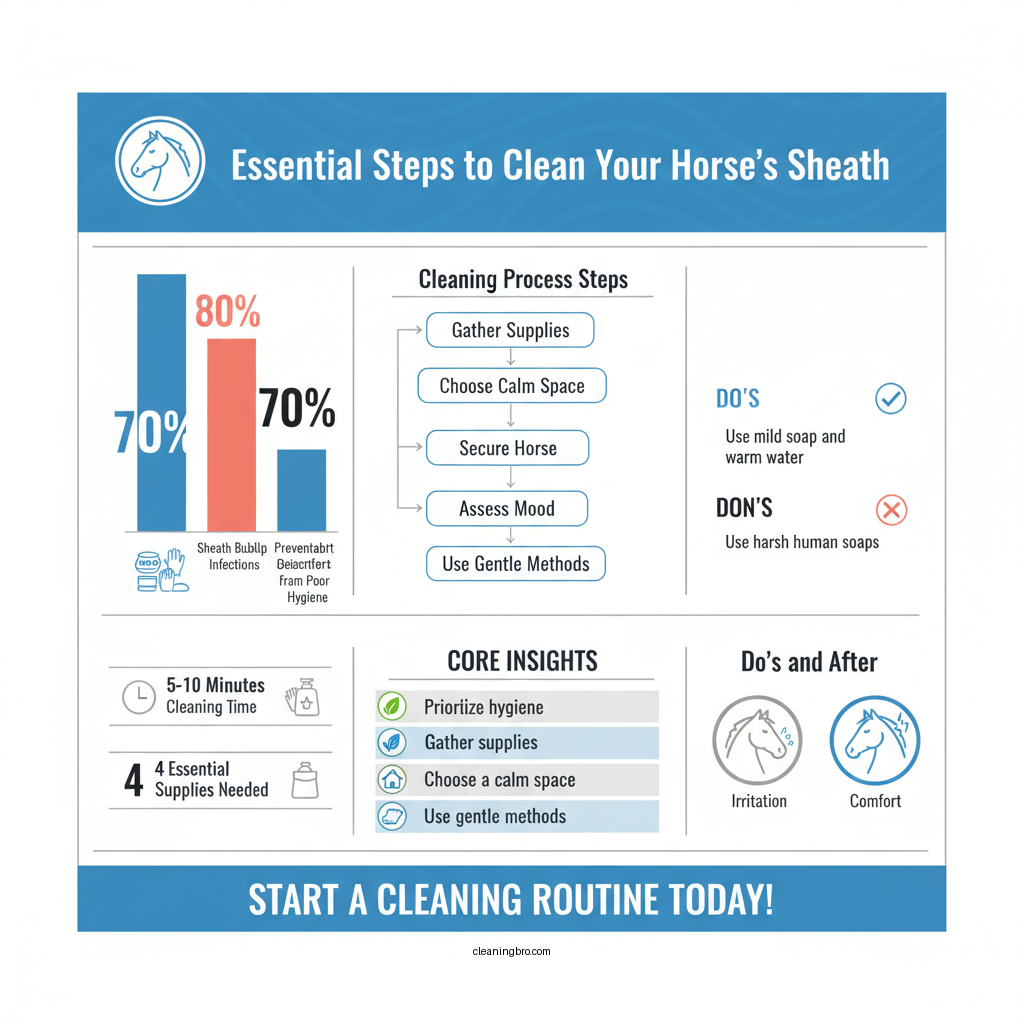
Before beginning the cleaning process, it’s important to gather all necessary supplies to make the task efficient and comfortable for both you and your horse. Here’s a list of basic supplies you’ll need:
– Mild soap: Choose a soap specifically designed for animals, as human soaps can be too harsh.
– Warm water: This can be in a bucket or hose, depending on your setup.
– Gloves: Protective gloves will keep your hands clean and reduce the risk of transferring bacteria.
– Soft cloth or sponge: These will be used for cleaning without causing irritation.
Optional tools that can make the process easier include:
– Sheath cleaner: Specially formulated cleansers available at pet supply stores.
– Hose: To rinse off the area effectively.
– Spray bottle: For easy application of water or cleaner.
Preparing Your Horse
Preparing your horse appropriately ensures a smoother cleaning process. Here are steps to follow:
1. Choose a calm environment: Select a quiet place away from distractions to help minimize stress for your horse.
2. Secure your horse: Tie your horse safely to a post or have a handler hold it. This ensures safety for both you and the horse during the procedure.
3. Assess your horse’s mood: Make sure your horse is relaxed before starting. You can do this by gently petting or speaking to them.
Common Sheath Cleaning Issues and Solutions
| # | Issue | Symptoms | Recommended Action |
|---|---|---|---|
| 1 | Smegma Build-up | Visible lumps of debris | Perform sheath cleaning |
| 2 | Irritation/Swelling | Redness or inflammation | Consult a veterinarian |
| 3 | Foul Odor | Strong, unpleasant smell | Clean with mild soap |
| 4 | Lumps or Tumors | Abnormal growths | Seek veterinary assistance |
| 5 | Infection | Discharge or pus | Immediate veterinary care |
| 6 | Pain | Signs of discomfort | Veterinary evaluation |
| 7 | Behavioral Changes | Restlessness or kicking | Monitor and clean |
Step-by-Step Cleaning Process
The step-by-step cleaning process is straightforward but requires patience and gentleness:
1. Lift the sheath gently: Carefully lift the sheath to expose the area without causing discomfort to your horse. This may require some practice, as horses can be sensitive to touch in this area.
2. Apply warm water: Use warm water to soften any debris or smegma that may be present. This makes cleaning easier and more effective.
3. Clean with mild soap: Using a soft cloth or sponge, apply a small amount of mild soap to the area. Gently clean the sheath, avoiding harsh scrubbing which can cause irritation. Rinse frequently to ensure you’re not leaving soap residue.
4. Rinse thoroughly: After cleaning, rinse the area well with warm water. Ensure that all soap is removed to prevent any irritation.
5. Dry the area: Use a clean, soft cloth to gently dry the sheath area. Avoid rubbing; instead, pat it dry to prevent any irritation.
Dealing with Specific Issues
During the cleaning process, you may encounter specific issues such as smegma buildup, irritation, or even signs of infection. Recognizing these issues early is crucial:
– Smegma Build-up: Look for hard lumps of smegma. Regular cleaning (every 6-12 months) can prevent severe buildup.
– Signs of Infection: If you notice any unusual discharge, swelling, or a foul odor, these may indicate an infection. It’s essential to consult a veterinarian if these symptoms arise.
– Behavioral Changes: If your horse begins to act restless or uncomfortable, it may be due to a dirty sheath or underlying health issue. Regular monitoring and cleaning can help identify these problems early.
Post-Cleaning Care
After you have completed the cleaning process, follow these steps for post-cleaning care:
1. Rinse thoroughly: Ensure all soap residue is washed away, as leftover soap can irritate sensitive skin.
2. Dry the area gently: Pat the area dry with a soft cloth to prevent moisture buildup, which can lead to infections.
3. Monitor for discomfort: Watch your horse for any signs of discomfort or irritation over the next few days. If you notice anything unusual, consult a veterinarian.
Tips for Ongoing Sheath Maintenance
To ensure the long-term health of your horse, consider these tips for ongoing sheath maintenance:
1. Establish a regular schedule: Aim to clean your horse’s sheath every 6-12 months, depending on their individual needs and environment.
2. Discuss with your veterinarian: Regular consultations with your veterinarian can provide valuable insights and recommendations tailored to your horse’s specific health needs.
3. Watch for changes: Regularly observe your horse for any signs of discomfort, irritation, or unusual behavior and address any issues promptly.
By following these guidelines, you can ensure that your horse’s sheath remains clean and healthy, contributing to their overall well-being.
Maintaining your horse’s sheath is a crucial part of their overall care. By following these steps, you can ensure your horse stays clean and healthy. Remember to be gentle and patient throughout the process. For more detailed advice or if you encounter any issues, don’t hesitate to consult a veterinarian.
Frequently Asked Questions
How often should I clean my horse’s sheath?
It is generally recommended to clean your horse’s sheath every 6 to 12 months, depending on the horse’s environment and individual needs. Regular cleaning helps prevent build-up of smegma, which can lead to infections and discomfort. Observing your horse’s behavior can also indicate when cleaning is necessary, especially if you notice excessive discharge or irritation.
What are the best products to use for cleaning a horse’s sheath?
The best products for cleaning a horse’s sheath include a mild soap specifically designed for equine use and warm water. Avoid harsh chemicals or human soaps, as these can irritate sensitive areas. Some horse owners also prefer using sheath cleaning wipes, which are convenient and easy to use, but ensure they are made from safe, non-irritating materials.
Why is it important to clean a horse’s sheath?
Cleaning a horse’s sheath is important for maintaining overall health and hygiene. Regular cleaning helps prevent the accumulation of smegma, which can lead to conditions such as infections, swelling, or even the formation of bean-like structures in the urethra. This proactive care can also improve your horse’s comfort and well-being.
What is the best technique for cleaning a horse’s sheath?
The best technique for cleaning a horse’s sheath involves gently lifting the sheath with one hand and using a soft cloth or sponge with warm water and mild soap. Carefully clean the inner folds, but be cautious around sensitive areas. It’s important to be gentle and calm your horse during the process to reduce stress and ensure safety.
Which horses need sheath cleaning the most?
Horses that are not regularly exercised, those with a history of sheath problems, and older geldings typically require more frequent sheath cleaning. Additionally, horses kept in dirty or dusty environments may accumulate smegma more quickly. Always monitor your horse for signs of discomfort or discharge, as these can indicate a need for cleaning regardless of age or activity level.
References
- How to Clean the Sheath of a Horse (with Pictures) – wikiHow
https://www.wikihow.com/Clean-a-Horse%27s-Sheath - Extension publications | University of Idaho
https://www.extension.uidaho.edu/publishing/pdf/BUL/BUL0801.pdf - https://www.thehorse.com/111413/cleaning-the-horses-sheath
https://www.thehorse.com/111413/cleaning-the-horses-sheath - https://www.vet.cornell.edu/animal-health/disease-prevention/cleaning-the-horses-sheath
https://www.vet.cornell.edu/animal-health/disease-prevention/cleaning-the-horses-sheath - Google Scholar Google Scholar
https://scholar.google.com/scholar?q=cleaning+horse+sheath - Google Scholar Google Scholar
https://scholar.google.com/scholar?q=equine+health+care+sheath+cleaning - Google Scholar Google Scholar
https://scholar.google.com/scholar?q=horse+care+surgery+sheath - https://pubmed.ncbi.nlm.nih.gov/26846795/
https://pubmed.ncbi.nlm.nih.gov/26846795/ - Google Scholar Google Scholar
https://scholar.google.com/scholar?q=how+to+clean+a+horse+sheath - how to clean a horse sheath – Search results
https://en.wikipedia.org/wiki/Special:Search?search=how+to+clean+a+horse+sheath