How to Clean a Horsehair Brush: A Step-by-Step Guide
Cleaning a horsehair brush is essential to maintain its effectiveness and longevity. Regular cleaning not only prevents the buildup of oils and dirt but also ensures that the brush retains its shape and functionality over time. In this article, you’ll discover the best techniques and products to keep your horsehair brush in top condition, enhancing your grooming routine and prolonging the life of this valuable tool.
Understanding the Importance of Cleaning

Cleaning your horsehair brush regularly is not just about aesthetics; it significantly impacts its performance. Over time, brushes accumulate oils, dirt, dust, and product residues, which can compromise their effectiveness. A well-maintained brush will distribute products evenly and glide through hair smoothly, ensuring optimal results during grooming.
Furthermore, regular cleaning prevents damage to the bristles. Horsehair is a natural material that can become brittle if not properly cared for. A dirty brush can lead to frayed or broken bristles, which may require expensive replacements. In contrast, proper maintenance extends the lifespan of the brush, making it a wise investment for anyone serious about grooming.
Materials Needed for Cleaning
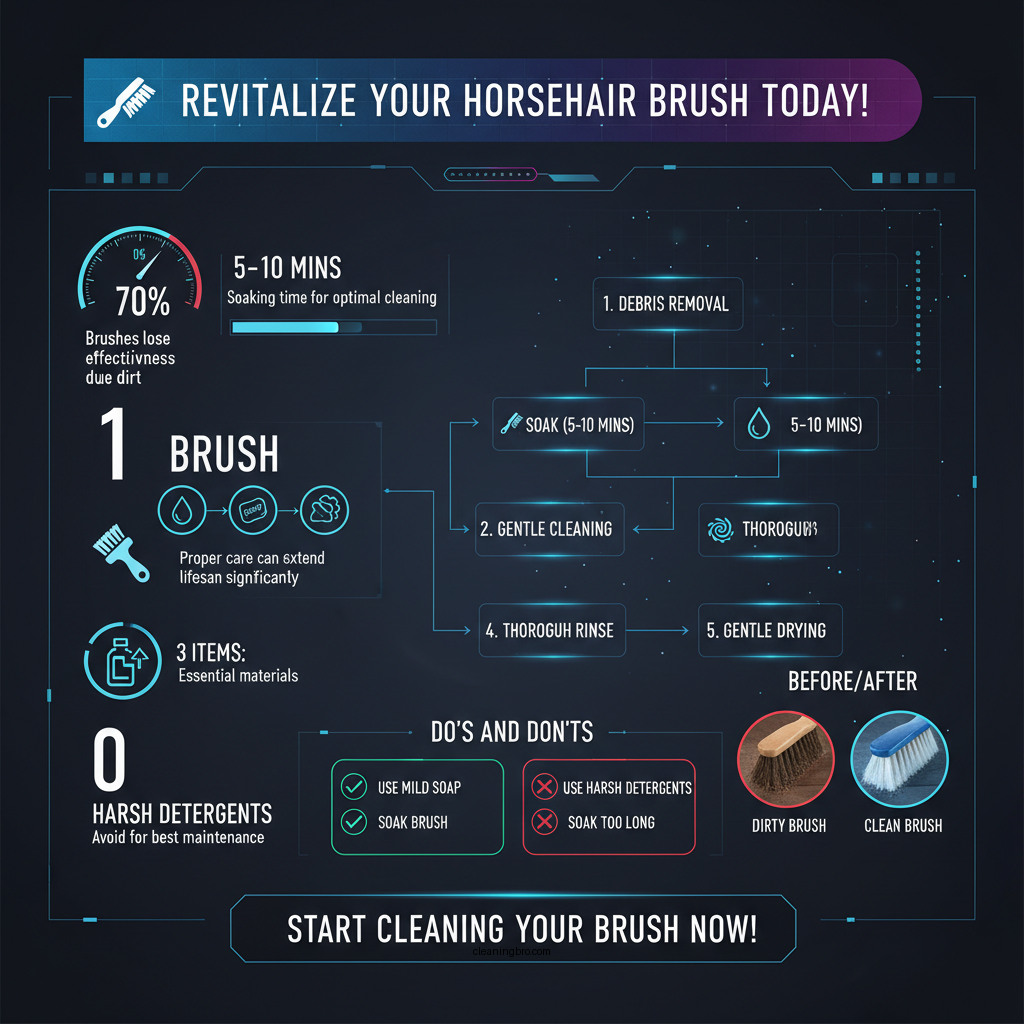
To effectively clean your horsehair brush, you will need the following materials:
– Mild soap or brush cleaner: Use a product specifically designed for horsehair bristles. Avoid harsh detergents that may strip the hair of its natural oils.
– A bowl of lukewarm water: This will be used for soaking the brush, helping to loosen dirt and grime.
– A soft cloth or towel: For drying the brush after cleaning, a soft cloth will help preserve the integrity of the bristles.
Having these materials on hand will facilitate a smooth and efficient cleaning process.
Step-by-Step Cleaning Process
Follow these systematic steps to clean your horsehair brush effectively:
1. Remove Excess Hair and Debris: Begin by gently pulling out loose hair and debris from the brush using your fingers or a comb. This initial step is crucial as it prepares the brush for a thorough clean.
2. Soak the Brush: Fill a bowl with lukewarm water and add a small amount of mild soap or brush cleaner. Submerge the brush bristles in the solution and let it soak for about 5-10 minutes. This soaking process helps to break down oils and dirt without damaging the bristles.
3. Gently Clean the Bristles: After soaking, use your fingers to gently agitate the bristles, ensuring that the soap penetrates deep into the hair. Avoid excessive force, which could lead to damage.
4. Rinse Thoroughly: Rinse the brush under lukewarm running water until all soap is removed. Ensure that no soap residue remains, as this can lead to buildup and affect the brush’s performance.
5. Dry the Brush: Shake off excess water and gently reshape the bristles to their original form. Lay the brush flat on a soft towel to dry. Avoid standing the brush on its bristles, as this can cause them to lose shape.
Top 7 Horsehair Brush Brands and Their Features (2024)
| # | Brand | Material | Size | Price |
|---|---|---|---|---|
| 1 | Bürstenhaus Redecker | Horsehair | Medium | $25 |
| 2 | Kent Brushes | Horsehair | Large | $35 |
| 3 | Mason Pearson | Horsehair | Small | $150 |
| 4 | Hercules Sägemann | Horsehair | Medium | $45 |
| 5 | Baxter of California | Horsehair | Large | $30 |
| 6 | The Body Shop | Horsehair | Small | $15 |
| 7 | Tangle Teezer | Horsehair | Medium | $20 |
Rinsing and Drying Techniques
After the cleaning process is complete, it is crucial to rinse and dry your brush correctly. Rinsing should be done under lukewarm running water, ensuring that all soap is eliminated. Soap residue can lead to bristle stiffness and may irritate the scalp during future grooming sessions.
Once rinsed, gently reshape the bristles to their original form. This step is vital as it helps maintain the brush’s functionality. When drying, always lay the brush flat on a soft towel. Standing the brush on its bristles can distort their shape and lead to premature wear.
Tips for Maintaining Your Brush
To keep your horsehair brush in optimal condition, consider the following maintenance tips:
– Storage: Store the brush in a cool, dry place, away from direct sunlight or moisture. This helps prevent mold growth and damage to the bristles.
– Regular Cleaning: Clean your brush regularly, ideally after each use. This practice prevents product buildup and keeps the bristles in good condition.
– Avoid Overuse: While horsehair brushes are durable, overusing them can lead to wear. Use them as needed for the best results.
Implementing these practices will ensure your horsehair brush remains a reliable tool in your grooming arsenal.
Horsehair Brush Cleaning Products Comparison
| Feature | ⭐ Horsehair Brush Cleaner | Mild Dish Soap | Natural Shampoo |
|---|---|---|---|
| Effectiveness | ✅ Specifically formulated for horsehair | ✅ Good for general cleaning | ✅ Gentle and nourishing |
| pH Balance | ✅ Neutral pH | ❌ Can be harsh | ✅ Gentle on bristles |
| Residue | ✅ Rinses clean | ❌ Can leave residue | ✅ Rinses clean |
| Ease of Use | ✅ Simple application | ✅ Easy to find | ✅ Easy to find |
| Scent | ✅ Pleasant scent | ❌ Often lacks scent | ✅ Natural scent |
| Price | $15 | $5 | $10 |
| Brand Reputation | ✅ Trusted brand | ✅ Popular choice | ✅ Natural products |
| Eco-Friendly | ✅ Biodegradable | ❌ Not eco-friendly | ✅ Eco-conscious |
| 🏆 Best For | Horsehair brush maintenance | General cleaning | Natural products users |
Common Mistakes to Avoid
While cleaning your horsehair brush, there are several common mistakes to avoid to ensure its longevity:
– Harsh Chemicals: Avoid using harsh chemical cleaners that can damage the natural fibers of horsehair. Stick to mild soaps or specialized brush cleaners for the best results.
– Over-soaking: Do not soak the brush for too long, as prolonged exposure to water can weaken the adhesive that holds the bristles in place, leading to shedding or loss of shape.
– Neglecting Maintenance: Failing to clean your brush regularly can lead to buildup that may require more intensive cleaning efforts or even early replacement.
By being mindful of these common pitfalls, you can maintain the quality of your horsehair brush effectively.
Maintaining a clean horsehair brush is crucial for its performance and lifespan. By following the outlined steps and tips, you can ensure your brush remains effective for years to come. Regular upkeep will not only enhance its functionality but also provide a better experience for your grooming routine. Start cleaning your horsehair brush today for optimal results!
Frequently Asked Questions
How often should I clean my horsehair brush?
It’s recommended to clean your horsehair brush after every use to prevent buildup of dirt and debris. Regular cleaning not only extends the life of the brush but also ensures optimal performance for grooming your horse. For best results, incorporate a deeper clean weekly or bi-weekly, depending on usage.
What is the best way to clean a horsehair brush?
The best way to clean a horsehair brush involves using a mixture of warm water and mild soap. Gently agitate the bristles in the solution, then rinse thoroughly to remove any soap residue. Allow the brush to air dry completely, bristle-side down, to maintain its shape and prevent damage.
Why is it important to clean a horsehair brush?
Cleaning a horsehair brush is crucial to maintain hygiene and prevent the transfer of dirt, bacteria, and allergens to your horse’s coat. A clean brush also helps preserve the integrity of the bristles, ensuring they remain effective for grooming tasks. Regular maintenance can enhance your grooming routine and contribute to your horse’s overall health.
Which cleaning products are safe for horsehair brushes?
When cleaning horsehair brushes, it’s best to use mild, natural soaps or specialized brush cleaners that are free from harsh chemicals. Avoid using bleach or strong detergents, as these can damage the bristles and reduce the brush’s effectiveness. Always check the labels to ensure the products are safe for equine grooming tools.
How can I remove stubborn dirt from my horsehair brush?
To remove stubborn dirt from your horsehair brush, soak the bristles in a solution of warm water and mild soap for several minutes. After soaking, use a soft toothbrush or a similar tool to gently scrub the bristles, focusing on any areas with built-up grime. Rinse thoroughly and allow the brush to dry properly to maintain its quality.
References
- Easy Ways to Clean a Horsehair Brush: 12 Steps (with Pictures)
https://www.wikihow.com/Clean-a-Horsehair-Brush - https://www.britannica.com/topic/brush
https://www.britannica.com/topic/brush - Google Scholar Google Scholar
https://scholar.google.com/scholar?q=cleaning+horsehair+brush - https://www.sciencedirect.com/topics/agricultural-and-biological-sciences/brush
https://www.sciencedirect.com/topics/agricultural-and-biological-sciences/brush - Google Scholar Google Scholar
https://scholar.google.com/scholar?q=horsehair+brush+maintenance - https://www.thehorse.com/articles/41986/how-to-keep-your-horse-gear-clean
https://www.thehorse.com/articles/41986/how-to-keep-your-horse-gear-clean - https://www.extension.iastate.edu/topic/horse-care
https://www.extension.iastate.edu/topic/horse-care - https://pubmed.ncbi.nlm.nih.gov/29115756/
https://pubmed.ncbi.nlm.nih.gov/29115756/ - Google Scholar Google Scholar
https://scholar.google.com/scholar?q=how+to+clean+a+horsehair+brush - how to clean a horsehair brush – Search results
https://en.wikipedia.org/wiki/Special:Search?search=how+to+clean+a+horsehair+brush