How to Clean a Katana: Step-by-Step Guide
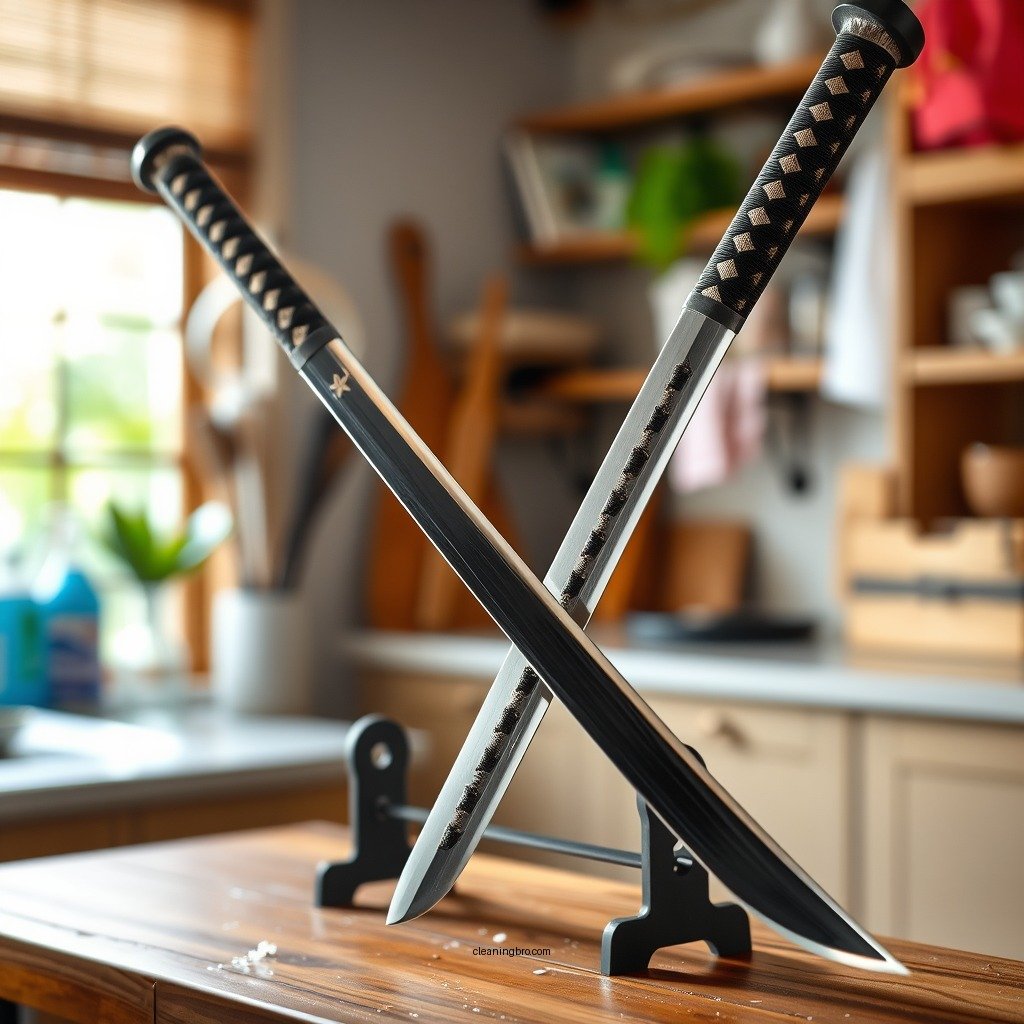
To clean a katana, it is vital to follow a precise set of steps that ensure the blade remains both functional and aesthetically pleasing. A katana, being a symbol of craftsmanship and tradition, requires meticulous care to prevent rust, maintain sharpness, and preserve its historical significance. This guide provides a comprehensive overview of the necessary tools, techniques, and best practices for effectively cleaning your katana while respecting its unique materials.
Understanding the Importance of Cleaning
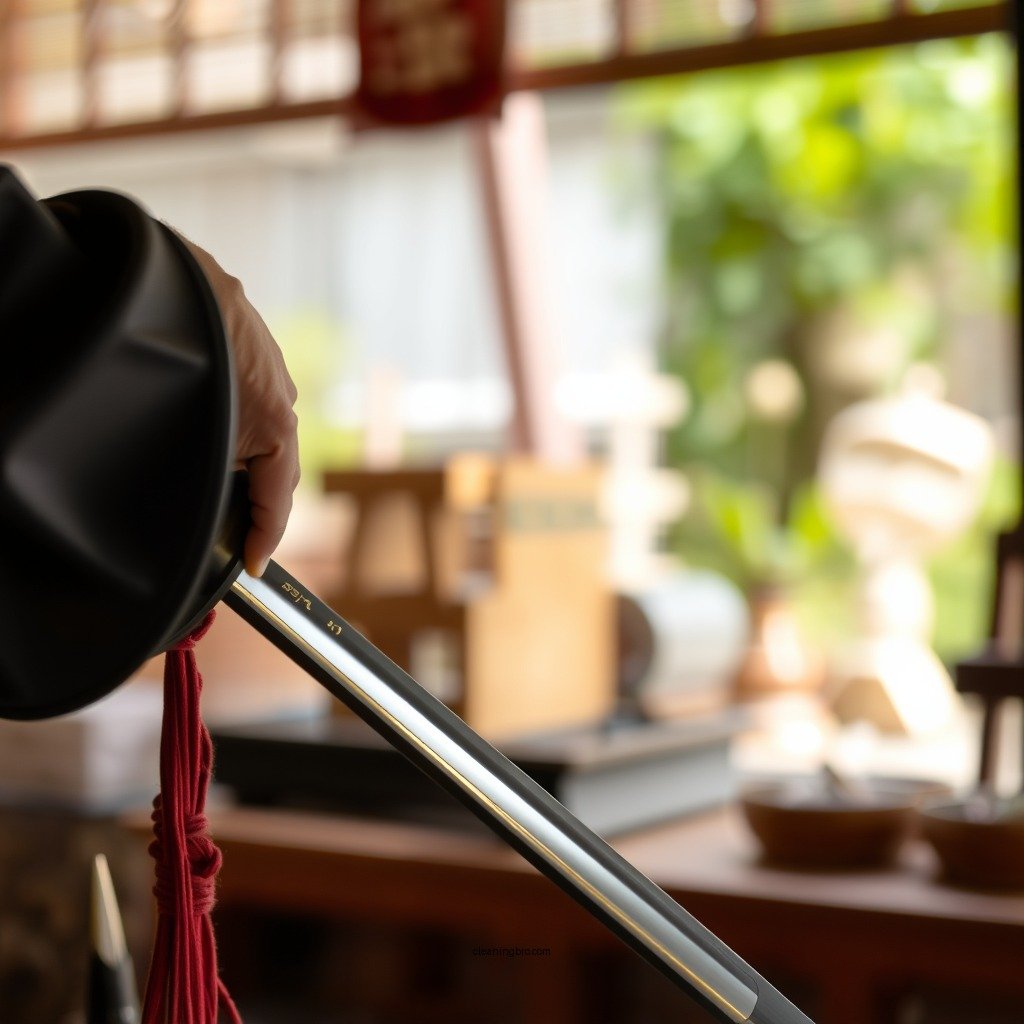
Cleaning your katana is not merely a routine chore; it is an essential practice that safeguards the integrity of the sword. Regular cleaning helps prevent rust and corrosion, which can occur due to moisture exposure and lack of maintenance. A well-maintained blade not only retains its sharpness but also its striking visual appeal, making it a cherished piece in any collection. The cleaning process also allows for the identification of any potential damage or wear, enabling timely repairs that preserve the sword’s value.
Tools You Will Need

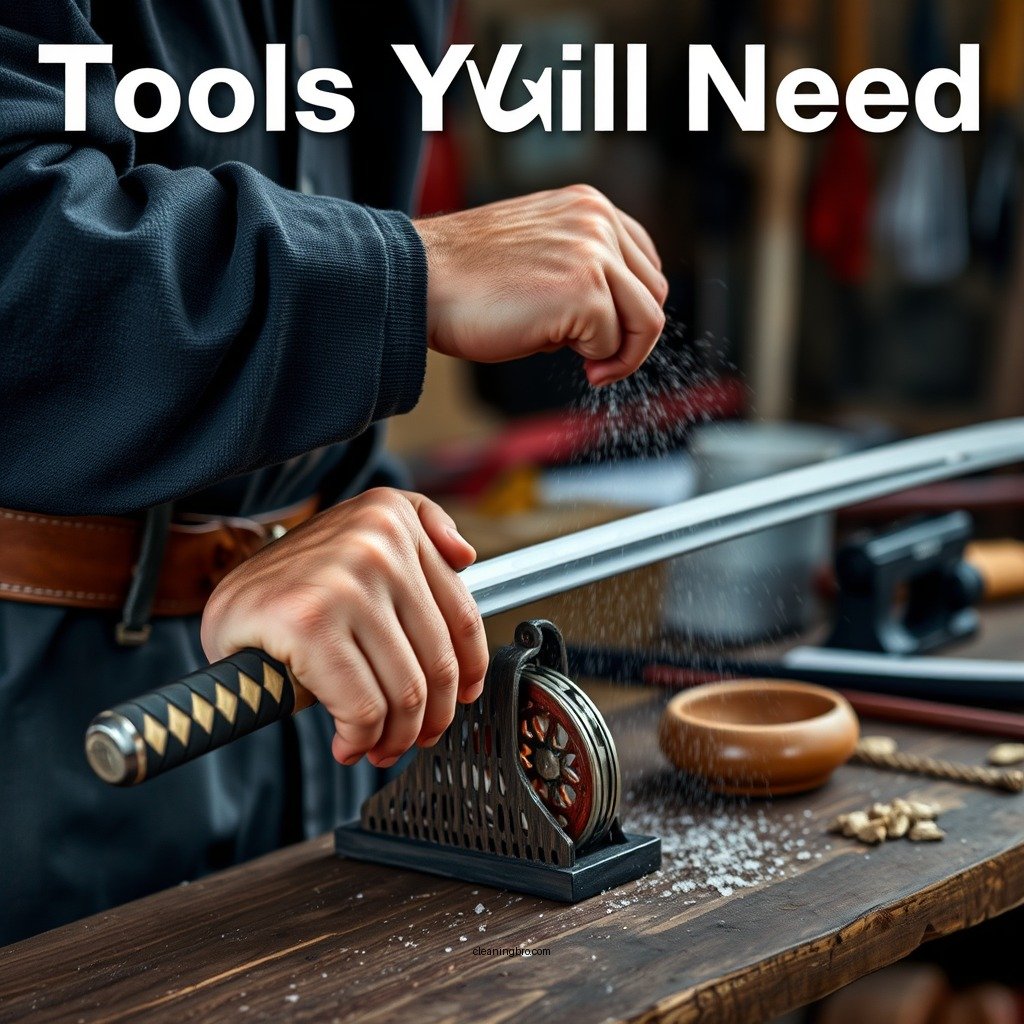
To properly clean your katana, you will need a few specialized tools. Having the right materials on hand ensures an effective cleaning process without risking damage to the blade. Here’s a list of essential tools:
– Soft Cloths or Chamois: These are crucial for wiping the blade without scratching its surface. Avoid abrasive materials that could mar the finish.
– Cleaning Solution: Use a cleaning solution specifically designed for swords, often containing oils that help protect the metal from moisture and rust.
– Polishing Compound: For the final touches, a polishing compound can enhance the blade’s shine, providing that coveted luster.
Step-by-Step Cleaning Process
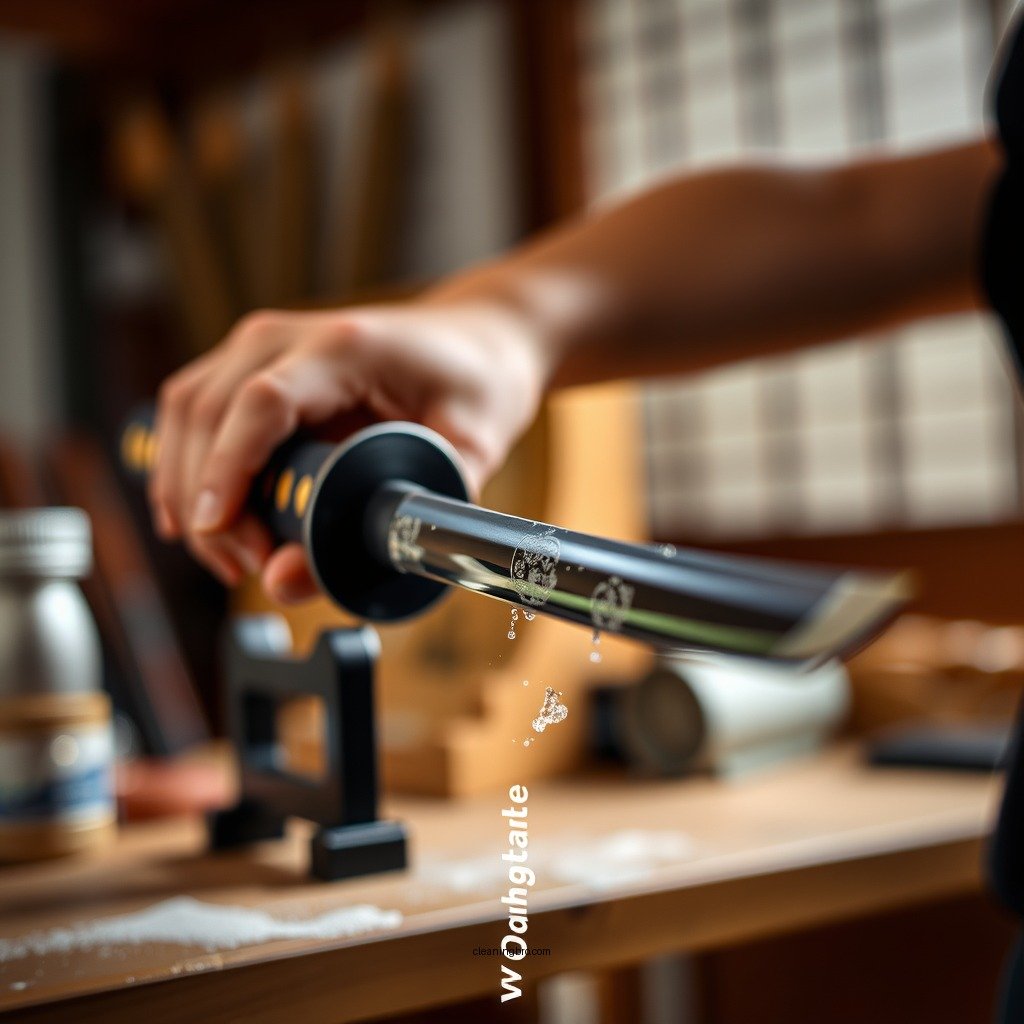
The cleaning process can be broken down into a series of clear steps. The methodical approach ensures that every part of the katana is attended to, minimizing the risk of damage.
1. Dust Removal: Begin by gently removing any dust or debris from the blade using a dry soft cloth. This initial step prepares the blade for deeper cleaning.
2. Application of Cleaning Solution: Dampen another cloth with the cleaning solution. Carefully wipe the blade from the tang (the part of the blade that goes into the handle) to the tip, applying light pressure to avoid scratching. Ensure that you cover the entire blade and pay special attention to any areas that may show signs of corrosion or tarnish.
3. Final Wipe: After cleaning, use a dry cloth to wipe off any excess solution, ensuring that no moisture is left on the blade.
Top 7 Katana Brands: 2024 Overview
| # | Brand | Origin | Price Range | Popularity |
|---|---|---|---|---|
| 1 | Masahiro | Japan | $150 – $600 | High |
| 2 | Cold Steel | USA | $200 – $800 | Medium |
| 3 | Kaze | Japan | $300 – $900 | High |
| 4 | Bugei | USA | $500 – $2000 | Very High |
| 5 | Hanwei | China | $400 – $1500 | High |
| 6 | Swords of Northshire | USA | $200 – $800 | Medium |
| 7 | Dragon King | China | $600 – $2500 | Very High |
Polishing the Blade
Once the cleaning is complete, polishing the blade is the next step to ensure it gleams. This step enhances not only the aesthetic but also provides an additional layer of protection against rust.
1. Selecting the Polishing Compound: Choose a high-quality polishing compound suitable for sword blades. Products specifically designed for metalwork will yield the best results.
2. Applying the Compound: Use a clean soft cloth to apply the polishing compound. Work in a circular motion along the blade, ensuring even coverage and avoiding excessive pressure that could damage the blade.
3. Final Buffing: After applying the compound, use a separate clean cloth to buff the blade gently. This action will bring out the shine and ensure that the blade is protected.
Caring for the Handle and Guard
The care of the katana extends beyond the blade. The tsuka (handle) and tsuba (guard) also require attention to maintain their functionality and appearance.
1. Cleaning the Tsuka: Use a damp cloth to wipe down the handle, removing any oils or dirt that may have accumulated from handling. Avoid soaking the handle, as excessive moisture can lead to damage.
2. Tsuba Maintenance: The guard should be cleaned similarly, ensuring it is free from dirt and grime. Use a soft cloth to avoid scratching its surface, especially if it is made from softer metals like brass.
Storing Your Katana Properly
Proper storage is crucial to prevent damage from environmental factors. Following suitable storage practices will prolong the life of your katana.
1. Using a Protective Sheath: Always store your katana in a protective sheath, such as a saya (scabbard), to guard against dust and potential scratches.
2. Environmental Considerations: Store the katana in a dry, temperate environment. Avoid areas with high humidity, as moisture can lead to rust formation.
Final Tips for Maintenance
Maintaining a katana is an ongoing process that requires regular inspection and care. Here are some additional tips for ensuring your sword remains in optimal condition:
– Routine Inspections: Regularly check the blade for signs of wear or damage, including rust spots and nicks. Addressing these issues promptly can prevent further deterioration.
– Professional Maintenance: Consider professional cleaning and maintenance every few years, especially if the katana is of significant value or historical importance. Professionals can provide deep cleaning and repairs that may be beyond the average owner’s capabilities.
Caring for your katana is not only about maintaining its functionality; it is also a way to honor the craftsmanship and history behind the blade. By following these steps, you can ensure your sword remains a stunning centerpiece of your collection. For those looking for more in-depth care techniques or considering professional services, additional resources on katana maintenance are readily available.
Frequently Asked Questions
How do I properly clean my katana after use?
To properly clean your katana after use, first, remove any dirt or debris with a soft cloth. Next, apply a few drops of light oil, such as camellia oil, to a clean cloth and gently wipe the blade to prevent rust and maintain its luster. Always ensure to clean the full length of the blade, paying attention to the edge and the tang.
What materials do I need to clean a katana effectively?
To clean a katana effectively, you will need a soft cloth, light oil (like camellia oil), a cleaning rod, and a soft brush or microfiber cloth. Additionally, a polishing compound may be useful for restoring shine, while a cotton swab can help clean intricate areas. Ensuring you have the right tools is essential for maintaining your sword’s condition.
Why is it important to clean a katana regularly?
Regularly cleaning a katana is crucial to prevent rust and corrosion, which can degrade the blade’s quality and performance. Additionally, cleaning helps remove fingerprints and oil that can attract dirt, ensuring your katana remains in pristine condition. Neglecting maintenance can lead to costly repairs or even permanent damage.
What is the best method for polishing a katana?
The best method for polishing a katana involves using a specialized polishing cloth or a fine-grit polishing compound to gently buff the blade. Start from the base and work towards the tip in a consistent motion, while avoiding excessive pressure that could damage the blade. For optimal results, consider consulting a professional sword polisher periodically.
Which oil should I use to maintain my katana?
The best oil for maintaining a katana is camellia oil, as it provides excellent protection against rust without leaving a sticky residue. Other suitable options include mineral oil or specialized sword oils, but camellia oil is preferred by many sword enthusiasts for its balance of protection and ease of use. Always apply oil sparingly to avoid buildup.
References
- Katana
https://en.wikipedia.org/wiki/Katana - https://www.britannica.com/topic/katana
https://www.britannica.com/topic/katana - Google Scholar Google Scholar
https://scholar.google.com/scholar?q=how+to+clean+katana - Google Scholar Google Scholar
https://scholar.google.com/scholar?q=katana+maintenance - Google Scholar Google Scholar
https://scholar.google.com/scholar?q=katana+care - https://www.researchgate.net/publication/327664123_Maintenance_of_katana_swords
https://www.researchgate.net/publication/327664123_Maintenance_of_katana_swords - https://www.sciencedirect.com/topics/engineering/katana
https://www.sciencedirect.com/topics/engineering/katana - https://www.nationalmuseumofamericanhistory.si.edu/collections/search/object/nmah_1187660
https://www.nationalmuseumofamericanhistory.si.edu/collections/search/object/nmah_1187660 - https://www.culture.gov.uk/what-we-do/research-and-evidence/collections-care-and-conservation
https://www.culture.gov.uk/what-we-do/research-and-evidence/collections-care-and-conservation - how to clean katana – Search results
https://en.wikipedia.org/wiki/Special:Search?search=how+to+clean+katana