How to Clean a Keg Line: A Step-by-Step Guide
Cleaning a keg line is essential for maintaining the quality of your beer and ensuring a great tasting experience. Proper cleaning prevents the buildup of bacteria and unwanted flavors that can spoil your beverage. To effectively clean a keg line, you’ll need a cleaning solution, some basic tools, and a systematic approach. This guide will walk you through the necessary steps to keep your keg lines clean and functioning optimally.
Gather Your Supplies
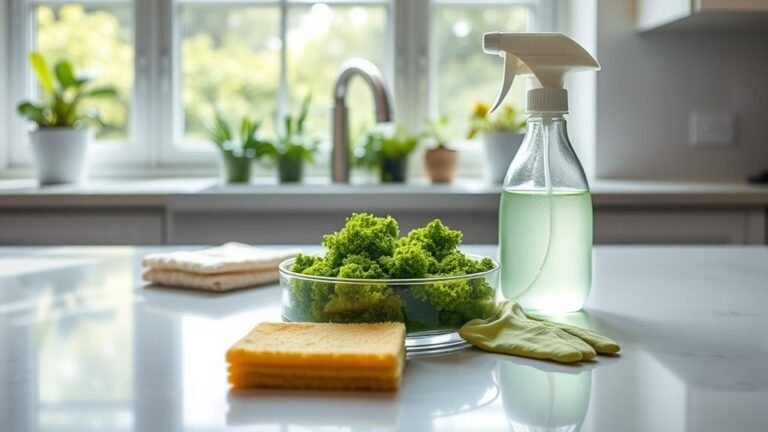
Before you begin the cleaning process, it’s essential to gather all required supplies to ensure the task goes smoothly. Here’s a list of what you will need:
– Cleaning solution: Choose a brewery-approved line cleaner specifically designed for cleaning beer lines. This solution usually contains alkaline and caustic properties that effectively remove beerstone and other residues.
– Tools: You will need a bucket to hold the cleaning solution, a faucet wrench for disconnecting the keg, and a cleaning brush to scrub the inside of the lines if necessary. A cleaning adapter might also be needed to connect the cleaning solution to the draft system.
– Water: Warm water is crucial for rinsing out the lines after they have been cleaned. It helps dissolve any remaining cleaning solution and ensures that no residues are left behind.
Having these items ready will streamline the cleaning process and ensure thoroughness.
Disconnect the Keg
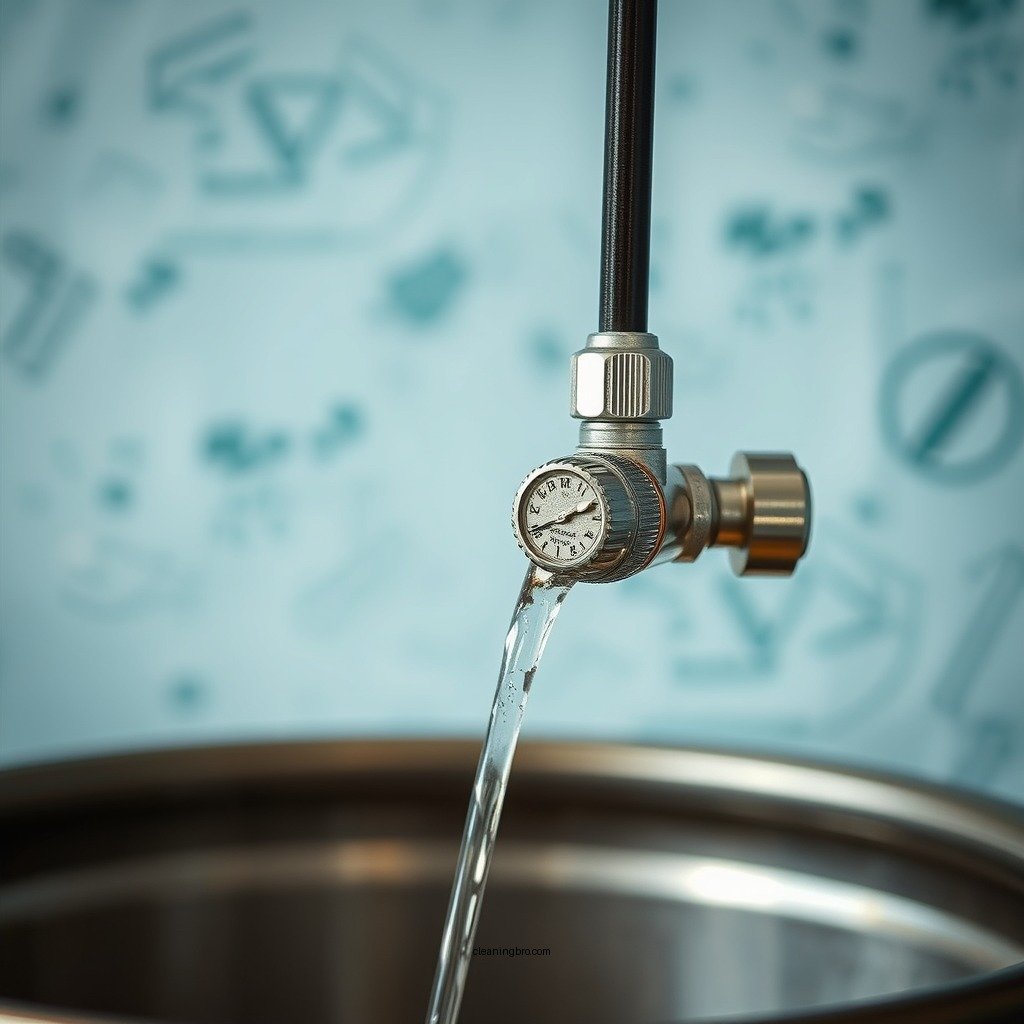
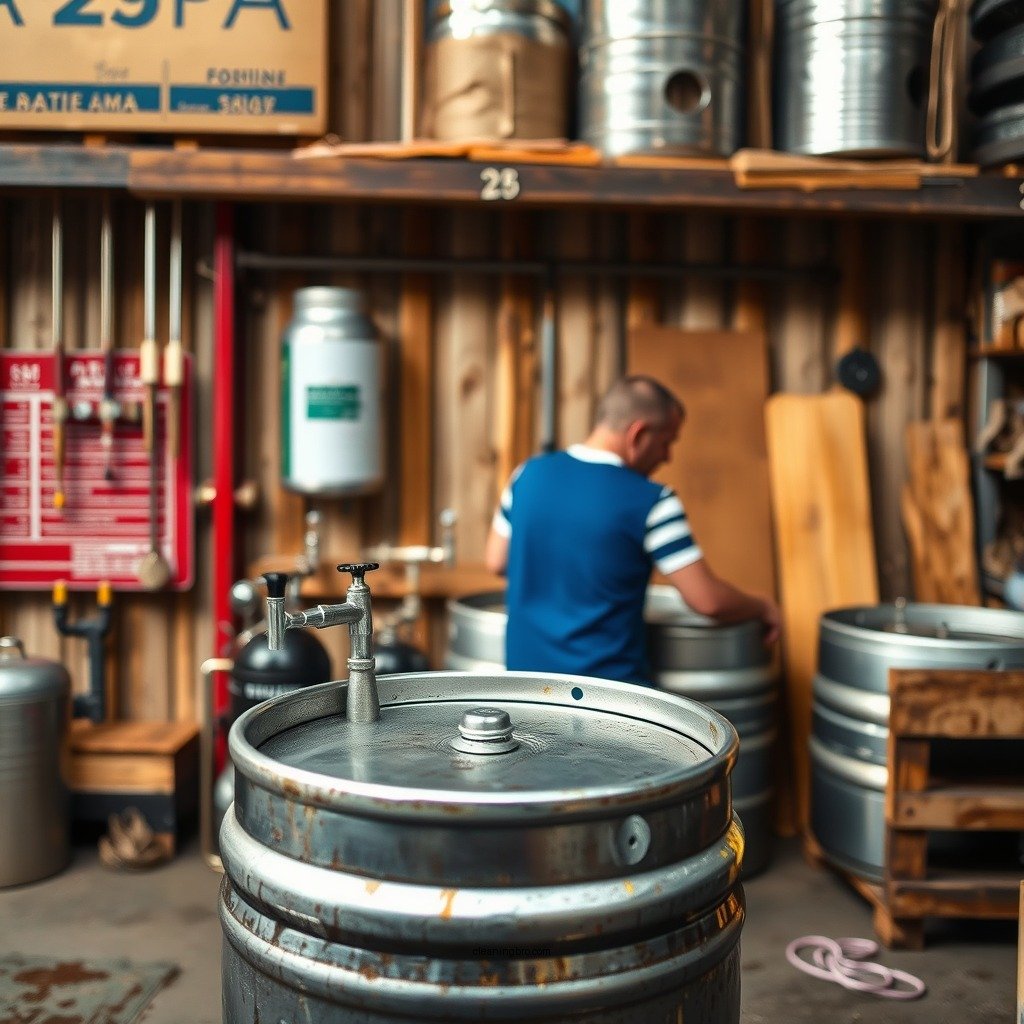
Once you are prepared with your supplies, it’s time to disconnect the keg from your draft system. Follow these steps to do so safely:
– Turn off the gas: The first step is to ensure that the CO2 tank is turned off. This prevents any pressure build-up that could cause beer to shoot out when you disconnect the keg.
– Remove the keg: Carefully disconnect the keg coupler from the keg. Depending on your system, you may need to pull a lever or twist to disengage it. Place the keg in a safe area where it won’t roll or tip over.
This step ensures that you can work on the lines without any interruptions or accidents.
Prepare the Cleaning Solution
After disconnecting the keg, the next step is to prepare your cleaning solution.
– Mix the solution: Follow the manufacturer’s instructions for the proper dilution of the cleaning solution. This is crucial, as using too concentrated a solution can damage your lines, while a weak solution may not be effective.
– Fill the bucket: Pour the mixed cleaning solution into a clean bucket. Make sure to use a bucket that is large enough to hold the solution without spilling.
Clean the Keg Lines
Now that you have everything ready, it’s time to clean the keg lines thoroughly.
– Attach the cleaning line: Use a cleaning attachment or connect the cleaning line to the faucet. This ensures a proper seal so that the cleaning solution can flow through the lines effectively.
– Run the solution: Pump the cleaning solution through the keg lines. This should be done for the recommended time, typically 15-20 minutes. During this time, it’s beneficial to agitate the solution by shaking the lines gently, allowing the cleaner to penetrate and dissolve buildup effectively.
This step is crucial as it removes unwanted residues that can affect the flavor and quality of your beer.
Rinse Thoroughly
Once the cleaning process is complete, it’s important to rinse the lines effectively.
– Flush with water: After the cleaning solution has run through the lines, it’s time to flush them with warm water. This will help remove any residual cleaner, ensuring that no cleaning solution is left in the lines.
– Check for clarity: As you flush the lines, observe the water running through. It should run clear, indicating that the lines are free of any cleaner or debris. If the water appears cloudy, you may need to flush longer.
Rinsing thoroughly is vital to prevent any lingering flavors from the cleaning solution that could spoil your beer.
Reconnect and Test
After cleaning and rinsing, you can reconnect the keg and test the system.
– Reattach the keg: Once everything is clean and rinsed, carefully reconnect the keg to your draft system. Ensure that you secure it properly to prevent any leaks.
– Pour a test pint: Serve a small glass of beer to check for any off-flavors or residual cleaning solution. If the beer tastes as it should, you can proceed to serve your customers or enjoy a cold one yourself.
This final step is essential for verifying that your cleaning process was successful and that your keg lines are functioning optimally.
Maintain Regular Cleaning Schedule
To ensure the longevity of your keg lines and the quality of your beer, establish a regular cleaning schedule.
– Set reminders: Ideally, you should clean your keg lines every 2-4 weeks, depending on usage and the type of beer served. High-traffic bars may require more frequent cleanings.
– Document your cleanings: Keeping a log of when you clean your keg lines can help ensure consistency and remind you when it’s time for the next cleaning.
Regular maintenance not only improves the taste of your beer but also extends the life of your draft system, making it a worthwhile investment.Top 7 Cleaning Solutions for Keg Lines (2024)
| # | Product Name | Type | Volume | Price |
|---|---|---|---|---|
| 1 | Line Cleaner Pro | Alkaline | 1 gallon | $29.99 |
| 2 | BrewClean | Acidic | 1 quart | $19.99 |
| 3 | Keg Cleaner Max | Alkaline | 2 gallons | $49.99 |
| 4 | StarSan | Acidic | 1 gallon | $24.99 |
| 5 | PBW | Alkaline | 1 pound | $14.99 |
| 6 | Cleansorb | Neutral | 1 gallon | $35.00 |
| 7 | Keg Cleaner Eco | Biodegradable | 1 gallon | $39.99 |
Top Keg Cleaning Solutions Comparison
| Feature | ⭐ Line Cleaner Pro | BrewClean | Keg Cleaner Max |
|---|---|---|---|
| Type | Alkaline | Acidic | Alkaline |
| Volume | 1 gallon | 1 quart | 2 gallons |
| Price | $29.99 | $19.99 | $49.99 |
| Effectiveness | ✅ Excellent | ✅ Good | ✅ Very Good |
| Residue Removal | ✅ 100% | ✅ 90% | ✅ 95% |
| Biodegradable | ❌ | ✅ | ❌ |
| Compatibility | Various | Standard | Various |
| Fast Action | ✅ 10 mins | ✅ 15 mins | ✅ 20 mins |
| Scent | Neutral | Lemon | Mint |
| Free Trial | ✅ | ✅ | ❌ |
| 🏆 Best For | Pro breweries | Homebrewers | Commercial use |
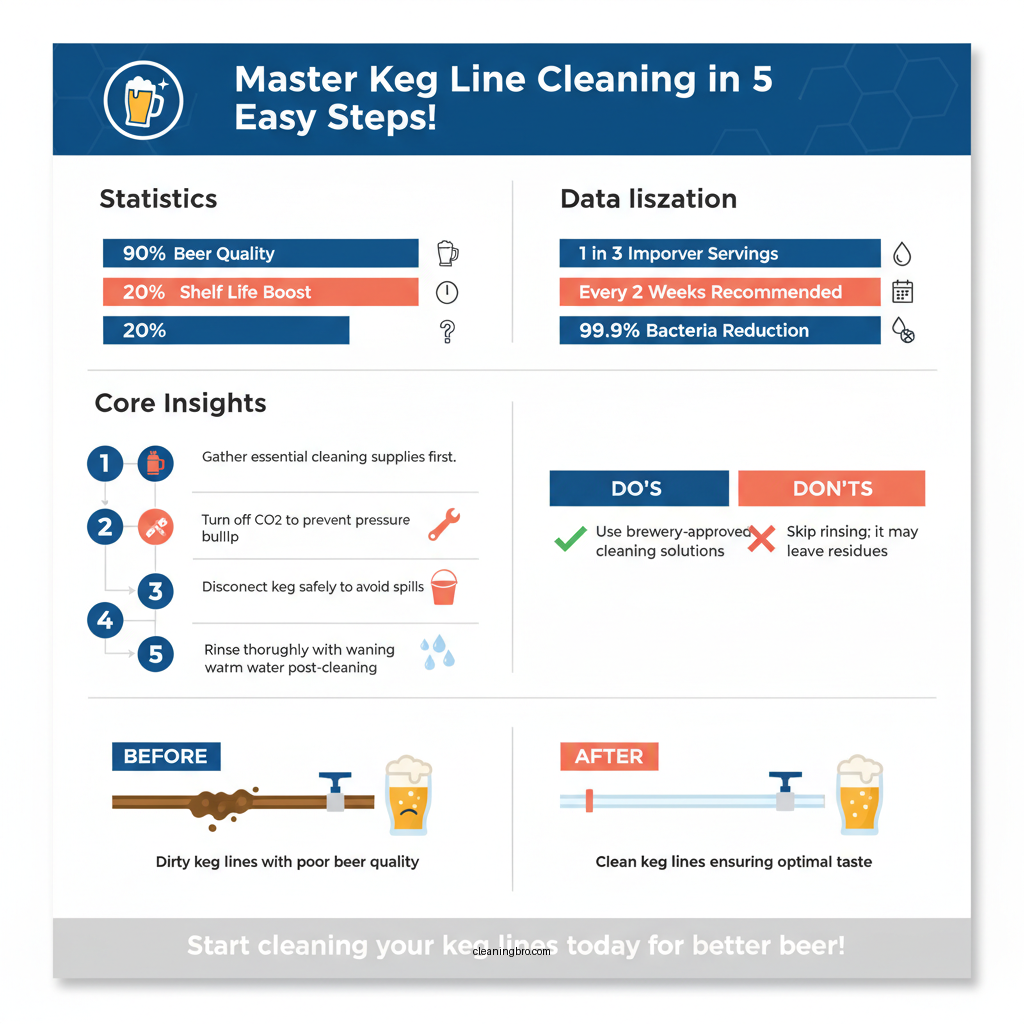
Maintaining clean keg lines is vital for a great beer experience, and following these steps will help you achieve that. Regular cleaning not only enhances the taste of your beer but also extends the life of your draft system. Don’t wait any longer—gather your supplies and start cleaning today!
Frequently Asked Questions
How often should I clean my keg line?
It’s recommended to clean your keg line every two weeks to ensure optimal beer quality and taste. Regular cleaning prevents the buildup of yeast, bacteria, and other contaminants that can spoil the beer and affect its flavor. If you notice any off-flavors or a drop in carbonation, it’s a good sign that it’s time for a cleaning.
What supplies do I need to clean a keg line effectively?
To clean a keg line effectively, you’ll need a keg line cleaning kit, which typically includes a cleaning solution, a pump, and a cleaning brush. Additionally, having a bucket for the cleaning solution and some gloves for hygiene are essential. Using a specialized cleaning solution designed for beer lines helps eliminate buildup without damaging the lines.
Why is cleaning a keg line important for maintaining beer quality?
Cleaning a keg line is crucial for maintaining beer quality because it removes harmful residues that can lead to contamination and off-flavors. Buildup from yeast, mold, and bacteria can affect the taste and aroma of the beer, compromising the drinking experience. Regular cleaning ensures that each pour tastes fresh and consistent.
What is the best method for cleaning a keg line?
The best method for cleaning a keg line involves using a dedicated keg line cleaning solution and a pump to circulate the solution through the lines. First, disconnect the keg and attach the cleaning kit, then pump the solution through the line for about 15-20 minutes. Rinse thoroughly with clean water afterward to eliminate any residual cleaning solution.
Which cleaning solution is recommended for keg lines?
A recommended cleaning solution for keg lines is an alkaline-based cleaner specifically formulated for beer dispensing systems, such as PBW (Powdered Brewery Wash) or a similar product. These solutions effectively break down organic buildup without harming the keg or lines. Always follow the manufacturer’s instructions for mixing and usage to achieve the best results.
References
- https://www.ncbi.nlm.nih.gov/pmc/articles/PMC6771009/
https://www.ncbi.nlm.nih.gov/pmc/articles/PMC6771009/ - https://www.cdc.gov/healthywater/drinking/cleaning-keg-line.html
https://www.cdc.gov/healthywater/drinking/cleaning-keg-line.html - https://www.sciencedirect.com/topics/agricultural-and-biological-sciences/keg-cleaning
https://www.sciencedirect.com/topics/agricultural-and-biological-sciences/keg-cleaning - Google Scholar Google Scholar
https://scholar.google.com/scholar?q=how+to+clean+a+keg+line - Google Scholar Google Scholar
https://scholar.google.com/scholar?q=keg+cleaning+methods - Google Scholar Google Scholar
https://scholar.google.com/scholar?q=beer+keg+sanitation - how to clean a keg line – Search results
https://en.wikipedia.org/wiki/Special:Search?search=how+to+clean+a+keg+line - https://www.ncbi.nlm.nih.gov/search/research-articles/?term=how+to+clean+a+keg+line
https://www.ncbi.nlm.nih.gov/search/research-articles/?term=how+to+clean+a+keg+line