How to Clean a Knee Brace: Effective Steps and Tips
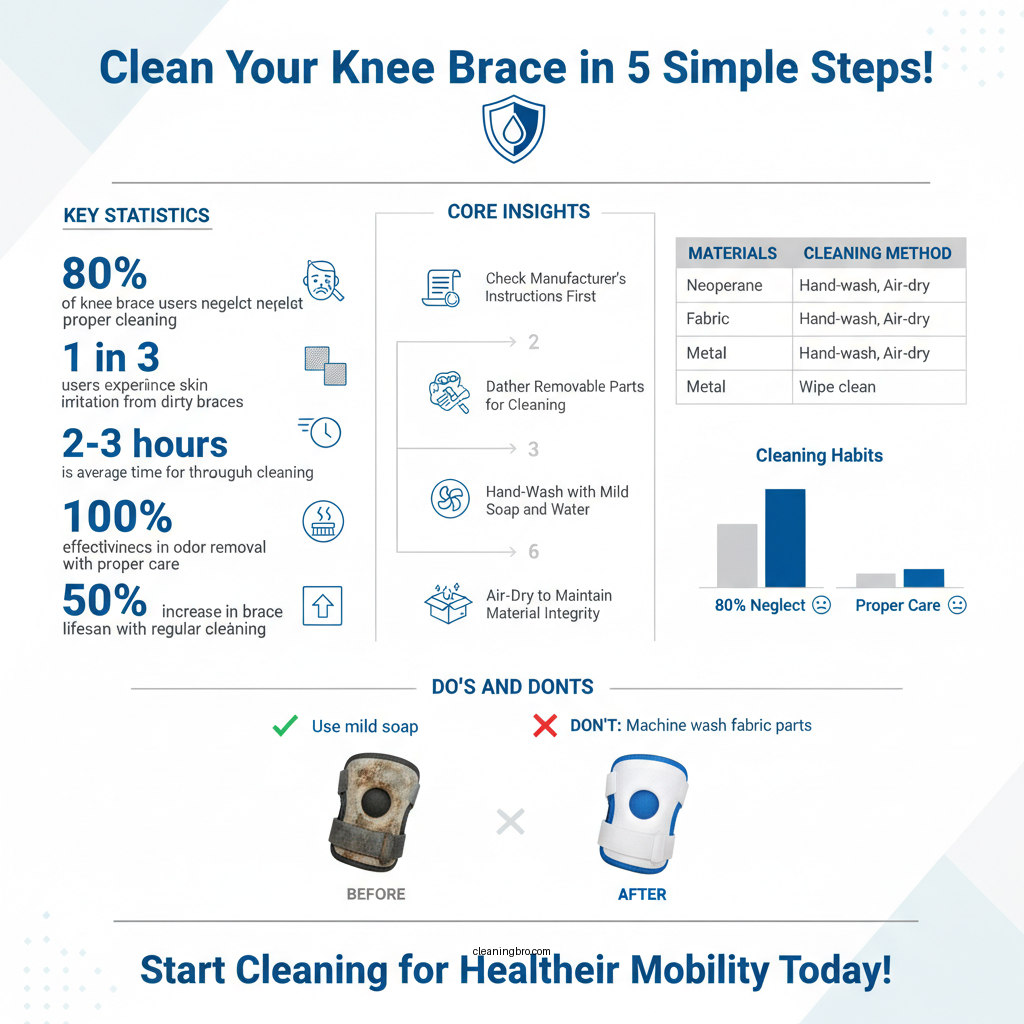
To clean a knee brace effectively, you should first check the manufacturer’s instructions for specific cleaning guidelines. Generally, it involves gently hand-washing the brace with mild soap and warm water, followed by thorough drying before reusing it. This article will guide you through the best practices to ensure your knee brace remains clean and in good condition.
Maintaining a clean knee brace is essential for both hygiene and longevity. A dirty brace can harbor bacteria and odors, which can lead to skin irritation and discomfort. By following the proper cleaning techniques detailed below, you can ensure your knee brace stays in optimal condition, providing the support you need without compromising your health.
Understanding the Material of Your Knee Brace
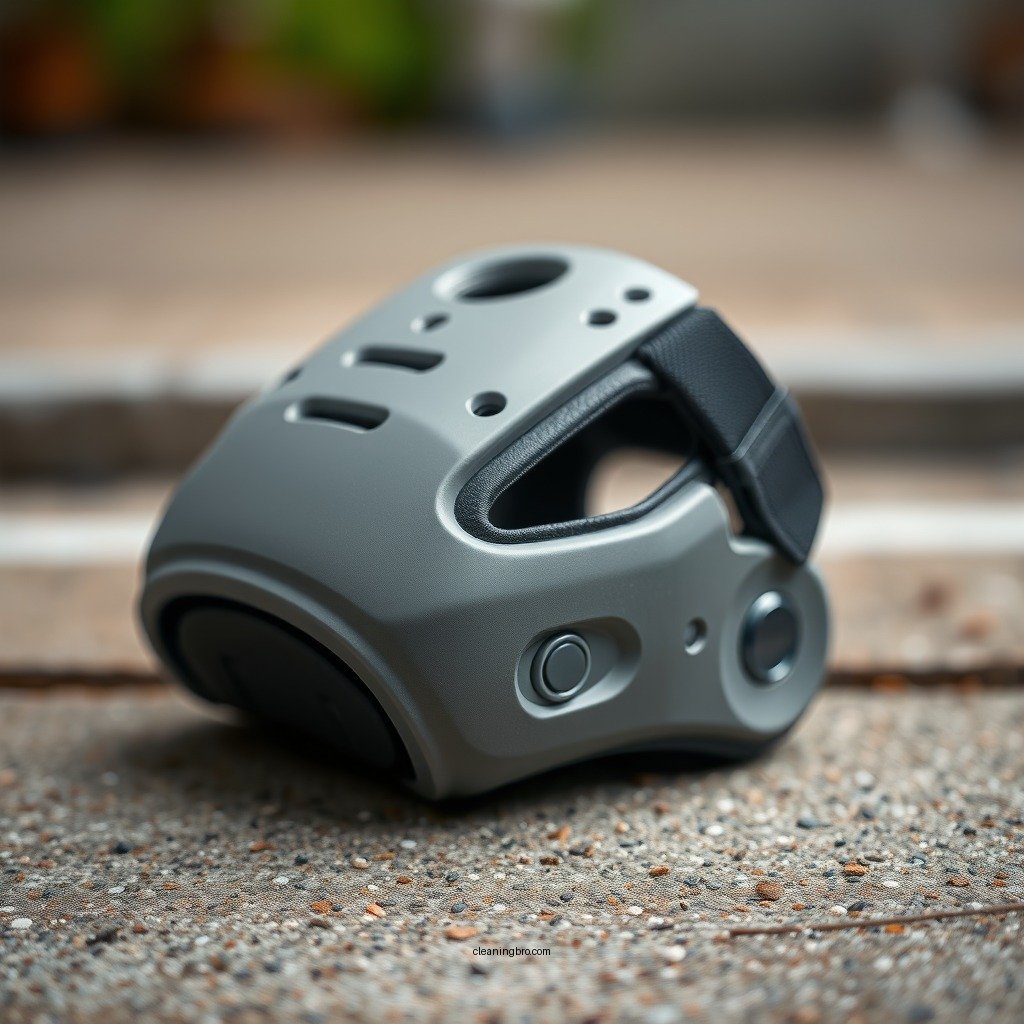
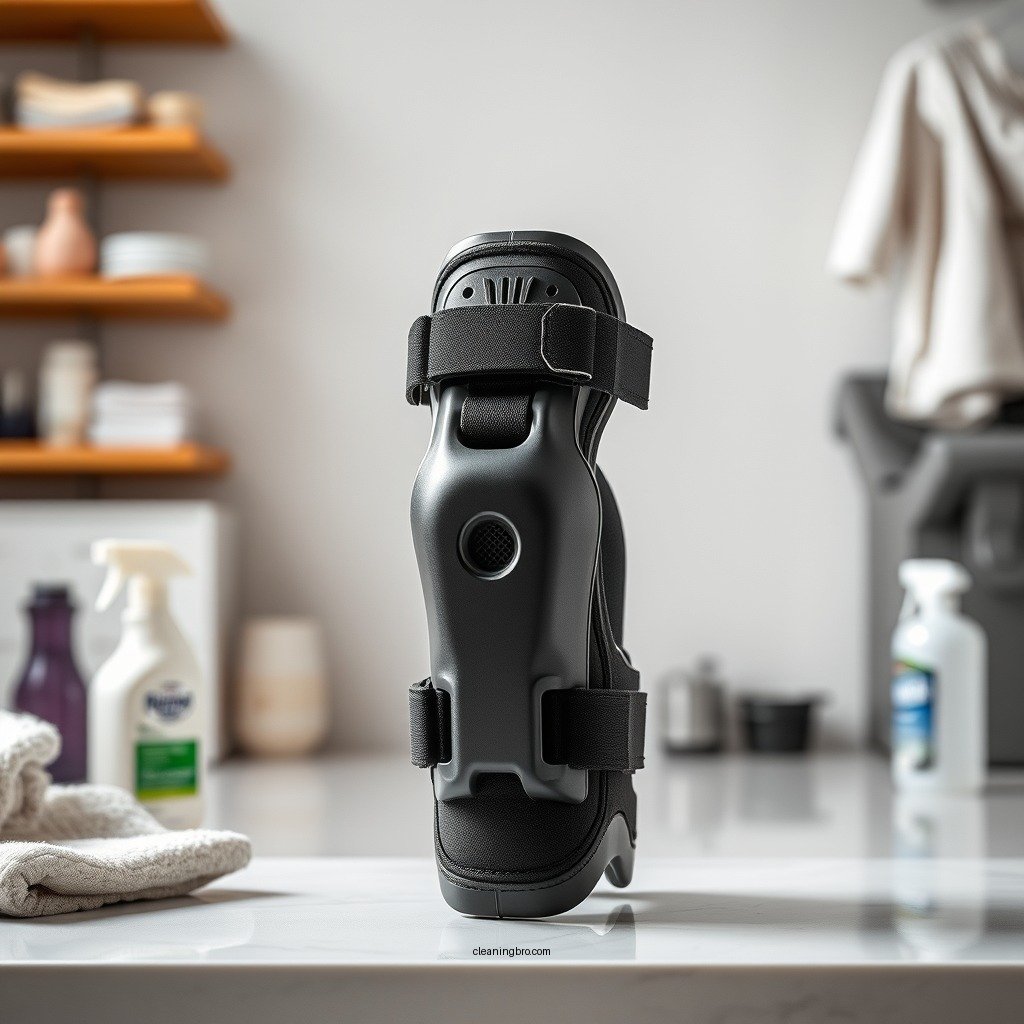
Knee braces can be made from various materials, including neoprene, fabric, and metal components. Each type requires specific care to avoid damage and maintain effectiveness.
– Neoprene: This synthetic rubber material is commonly used for its flexibility and durability. It often requires gentle washing and must be air-dried to prevent deterioration.
– Fabric: Many braces have fabric coverings that can be washed in mild soap and water. However, they may not be suitable for machine washing, so it’s best to check the label.
– Metal Components: Some braces include metal hinges or supports. These should not be submerged in water. Instead, wipe them down with a damp cloth and a mild cleaner.
Knowing the materials involved helps you select the right cleaning agents and techniques, ensuring that your knee brace remains functional and comfortable.
Supplies You Will Need
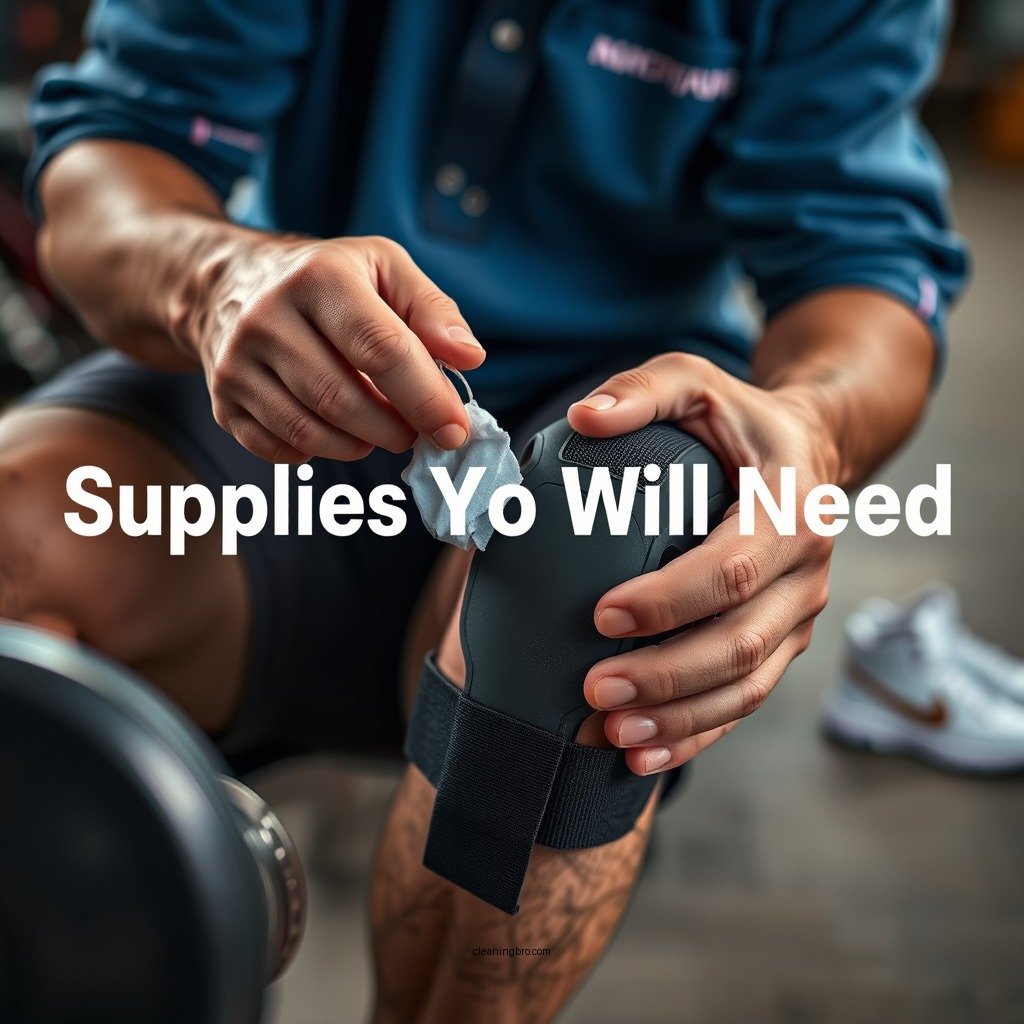
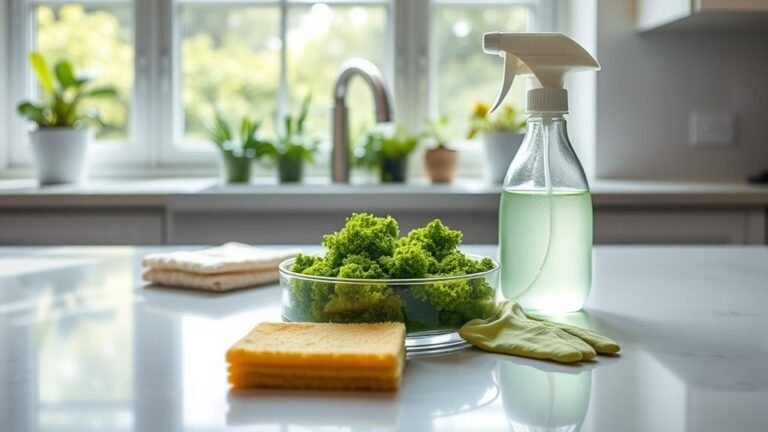
Before you begin cleaning your knee brace, gather the following supplies:
– Mild Soap or Detergent: Choose a product that is suitable for delicate fabrics to avoid damaging any materials.
– Soft Cloths or Sponges: These will help gently clean the brace without causing scratches or abrasions.
– A Bowl or Sink: You’ll need a space to fill with warm, soapy water for the hand-washing process.
Having these supplies on hand will streamline the cleaning process and ensure you can effectively care for your knee brace.
Step-by-Step Cleaning Process
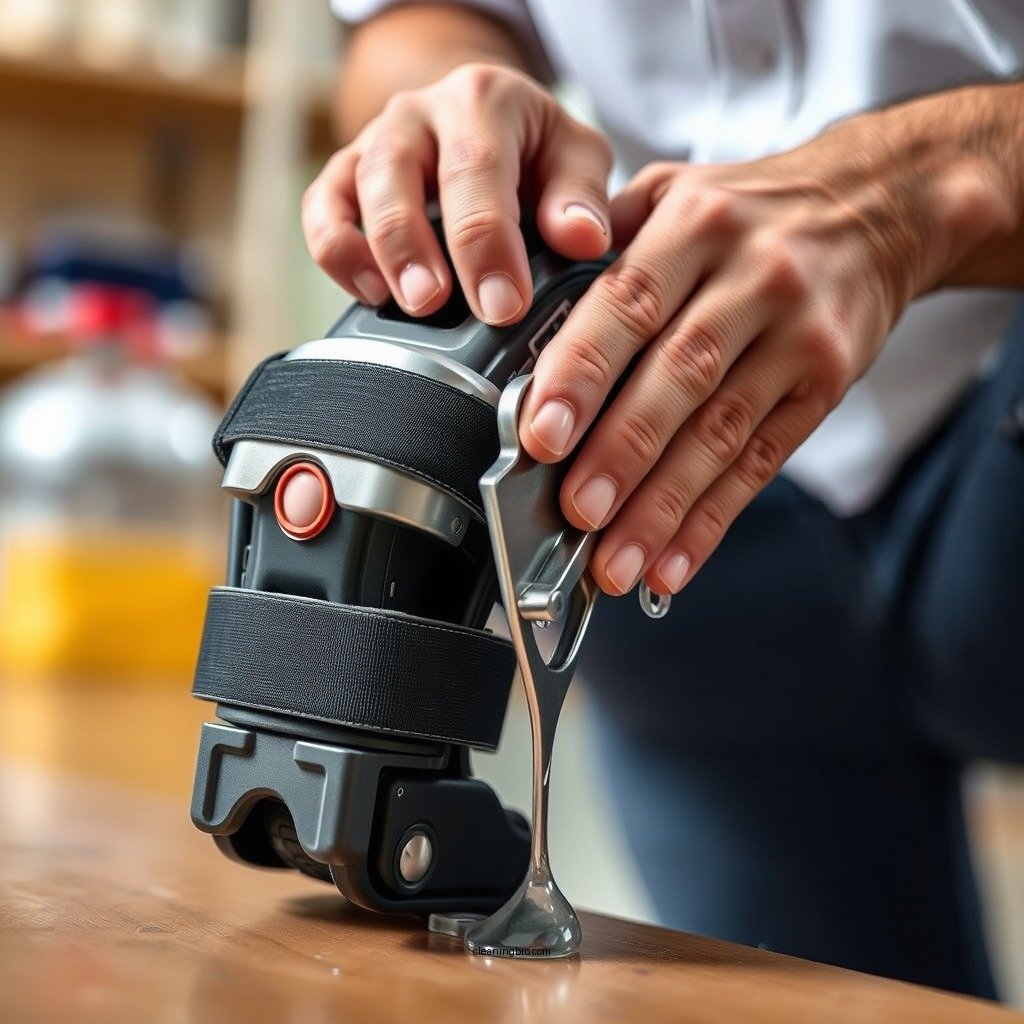
Cleaning your knee brace involves several straightforward steps:
1. Remove Any Removable Parts: Before cleaning, detach straps, pads, or any other components that can be easily removed. This allows for a more thorough cleaning and prevents damage to these parts.
2. Hand-Wash the Brace: Fill a bowl or sink with warm, soapy water. Using a soft cloth or sponge, gently scrub the brace, focusing on soiled areas. Avoid using abrasive materials that could damage the fabric or structure of the brace.
3. Rinse with Clean Water: After cleaning, rinse the brace thoroughly in clean water to ensure no soap residue remains. Soap residue can cause skin irritation when the brace is worn.
📋 MANDATORY DATA TABLE
Top 7 Knee Brace Materials and Care Instructions (2024)
| # | Material | Cleaning Method | Drying Method | Durability |
|---|---|---|---|---|
| 1 | Neoprene | Hand wash with mild soap | Air dry | High |
| 2 | Fabric | Hand wash or machine wash on gentle | Air dry | Medium |
| 3 | Metal | Wipe with damp cloth | N/A | Very High |
| 4 | Elastic | Hand wash | Air dry | Medium |
| 5 | Cotton | Machine wash | Air dry | Medium |
| 6 | Polyester | Hand wash | Air dry | High |
| 7 | Spandex | Hand wash | Air dry | Medium |
Rinsing and Drying Techniques
After washing, it is crucial to rinse your knee brace thoroughly to ensure no soap residue remains. Soap residue can lead to skin irritation when the brace is worn. Here are best practices for rinsing and drying:
– Rinse Thoroughly: Use cool water to rinse the brace until the water runs clear. This step is essential to remove any soap that may irritate your skin.
– Air-Dry in a Well-Ventilated Area: After rinsing, lay the brace flat on a clean, dry towel or hang it in a well-ventilated area. Avoid using direct sunlight or heat sources, as this can degrade the materials over time.
Maintaining Your Knee Brace
Regular maintenance is key to extending the life of your knee brace. Here are some tips:– Regularly Check for Signs of Wear and Tear: Inspect the brace for frayed straps, cracks in the material, or signs of deterioration. Addressing these issues early can prevent further damage.
– Store the Brace Properly: When not in use, store your knee brace in a cool, dry place. Avoid folding or compressing it, as this can alter its shape and effectiveness over time.
Additional Tips for Odor Control
To keep your knee brace smelling fresh, consider the following strategies:
– Use Baking Soda or Vinegar During Washing: Adding baking soda or a small amount of vinegar to your washing process can help neutralize odors effectively.
– Ensure Complete Drying Before Storage: Always ensure the brace is completely dry before storing it. Moisture can lead to mildew and unpleasant odors.
When to Seek Professional Cleaning
While most knee braces can be cleaned at home, there are instances when professional cleaning may be necessary:
– Specialized Components: If your knee brace has intricate components or electronic parts, consult the manufacturer or a professional for cleaning recommendations.
– Healthcare Provider Recommendations: If you have specific concerns about the maintenance of your knee brace, don’t hesitate to reach out to your healthcare provider. They can offer personalized advice based on your needs and the type of brace you have.
Cleaning your knee brace is a straightforward process that involves understanding the material, using the right supplies, and following a specific cleaning method. By regularly maintaining your brace, you can prolong its lifespan and ensure it functions optimally. If you have any concerns or need further assistance, don’t hesitate to consult with a professional or your healthcare provider.
Frequently Asked Questions
How often should I clean my knee brace?
It is recommended to clean your knee brace at least once a week, especially if you wear it during physical activities or exercise. Regular cleaning helps prevent odors and bacteria buildup, ensuring your brace remains hygienic and effective. If you sweat heavily or notice any discoloration or odor, consider cleaning it more frequently.
What is the best way to wash a knee brace?
The best way to wash a knee brace is to hand wash it in lukewarm water with mild soap. Avoid using bleach or harsh detergents, as they can damage the material. Gently scrub the brace with a soft cloth or sponge, then rinse thoroughly and air dry away from direct sunlight to maintain its shape and elasticity.
Why is it important to clean my knee brace?
Cleaning your knee brace is important to maintain its functionality and hygiene. Dirt, sweat, and bacteria can accumulate on the brace, leading to skin irritation or infections. Regular cleaning helps extend the life of the brace and ensures it provides the necessary support without causing discomfort.
Which materials are safe to use when cleaning a knee brace?
When cleaning a knee brace, safe materials include mild soap, lukewarm water, and soft cloths or sponges. Avoid abrasive cleaners, bleach, and fabric softeners, as these can damage the brace’s fabric and structure. Always refer to the manufacturer’s care instructions for specific recommendations regarding cleaning materials.
How can I dry my knee brace after washing it?
After washing your knee brace, the best way to dry it is to air dry it on a flat surface or a drying rack. Avoid using a dryer or placing it in direct sunlight, as high heat can warp or damage the material. Ensure it is completely dry before using it again to prevent moisture-related issues.
References
- https://www.mayoclinic.org/healthy-lifestyle/fitness/expert-answers/knee-brace-care/faq-20058171
https://www.mayoclinic.org/healthy-lifestyle/fitness/expert-answers/knee-brace-care/faq-20058171 - https://www.ncbi.nlm.nih.gov/pmc/articles/PMC6761322/
https://www.ncbi.nlm.nih.gov/pmc/articles/PMC6761322/ - https://www.hopkinsmedicine.org/health/conditions-and-diseases/knee-braces
https://www.hopkinsmedicine.org/health/conditions-and-diseases/knee-braces - https://www.healthline.com/health/knee-braces
https://www.healthline.com/health/knee-braces - Adhesive Capsulitis (Frozen Shoulder) – Shoulder & Elbow – Orthobullets
https://www.orthobullets.com/trauma/3059/knee-brace - https://pubmed.ncbi.nlm.nih.gov/27160000/
https://pubmed.ncbi.nlm.nih.gov/27160000/ - Google Scholar Google Scholar
https://scholar.google.com/scholar?q=cleaning+knee+brace - Google Scholar Google Scholar
https://scholar.google.com/scholar?q=knee+brace+maintenance - Google Scholar Google Scholar
https://scholar.google.com/scholar?q=care+for+knee+braces - Google Scholar Google Scholar
https://scholar.google.com/scholar?q=how+to+clean+a+knee+brace