How to Clean a License Plate: Step-by-Step Guide
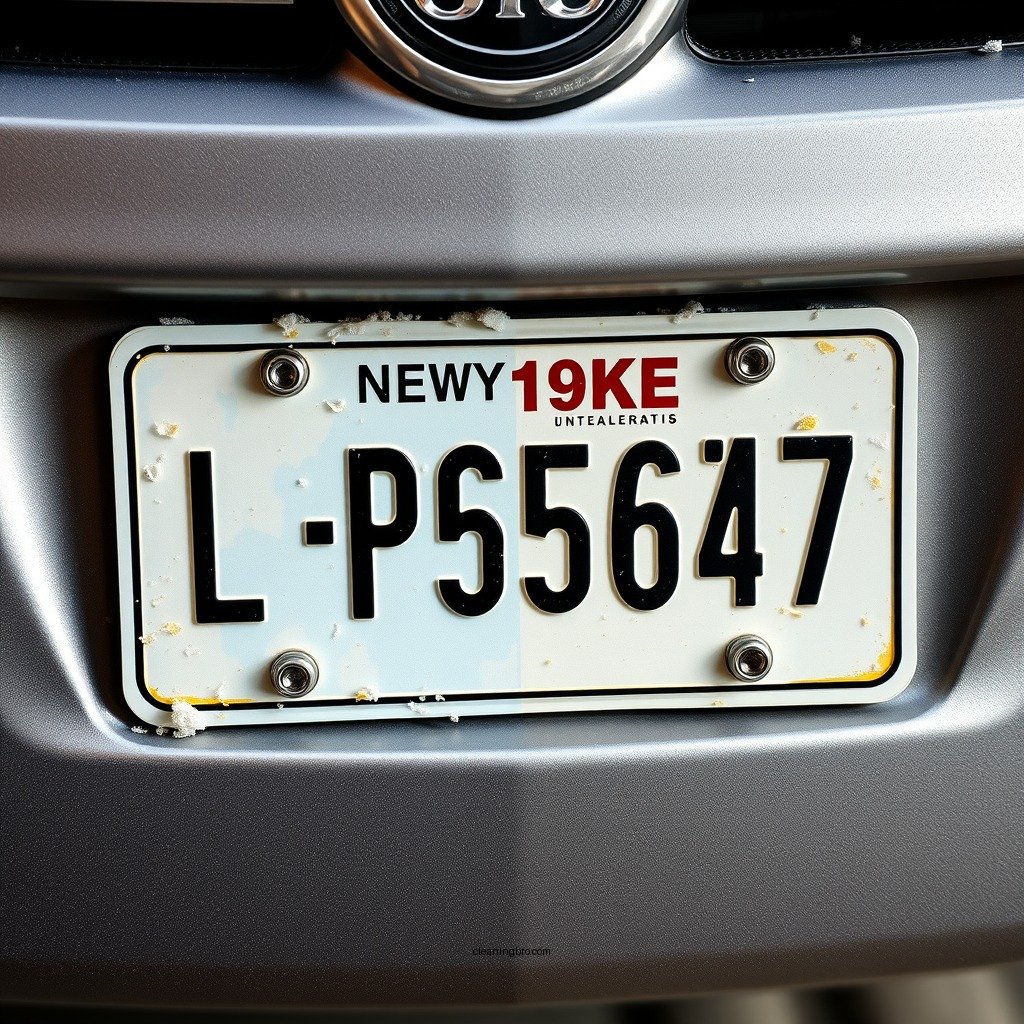
Cleaning your license plate is a straightforward process that enhances visibility and ensures compliance with local laws. To clean a license plate effectively, you’ll need basic supplies and a bit of time. This guide will walk you through the essential steps and tips for keeping your license plate in pristine condition, ensuring it remains legible and compliant with regulations.
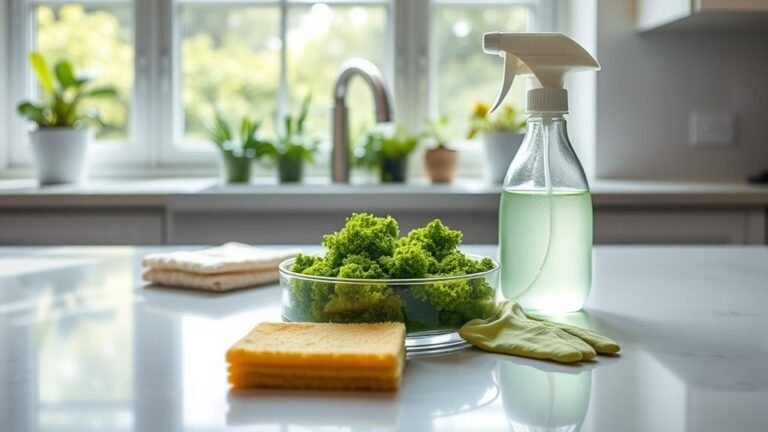
Supplies You’ll Need
To begin the cleaning process, gather the following supplies:
– Mild soap or car wash solution: A gentle cleaner will help remove dirt and grime without damaging the plate’s surface.
– Soft sponge or cloth: Using a soft material prevents scratching and ensures effective cleaning.
– Water source (bucket or hose): Access to clean water is essential for rinsing away soap and dirt.
Having these items ready will streamline your cleaning process and help you achieve the best results.
Initial Preparation
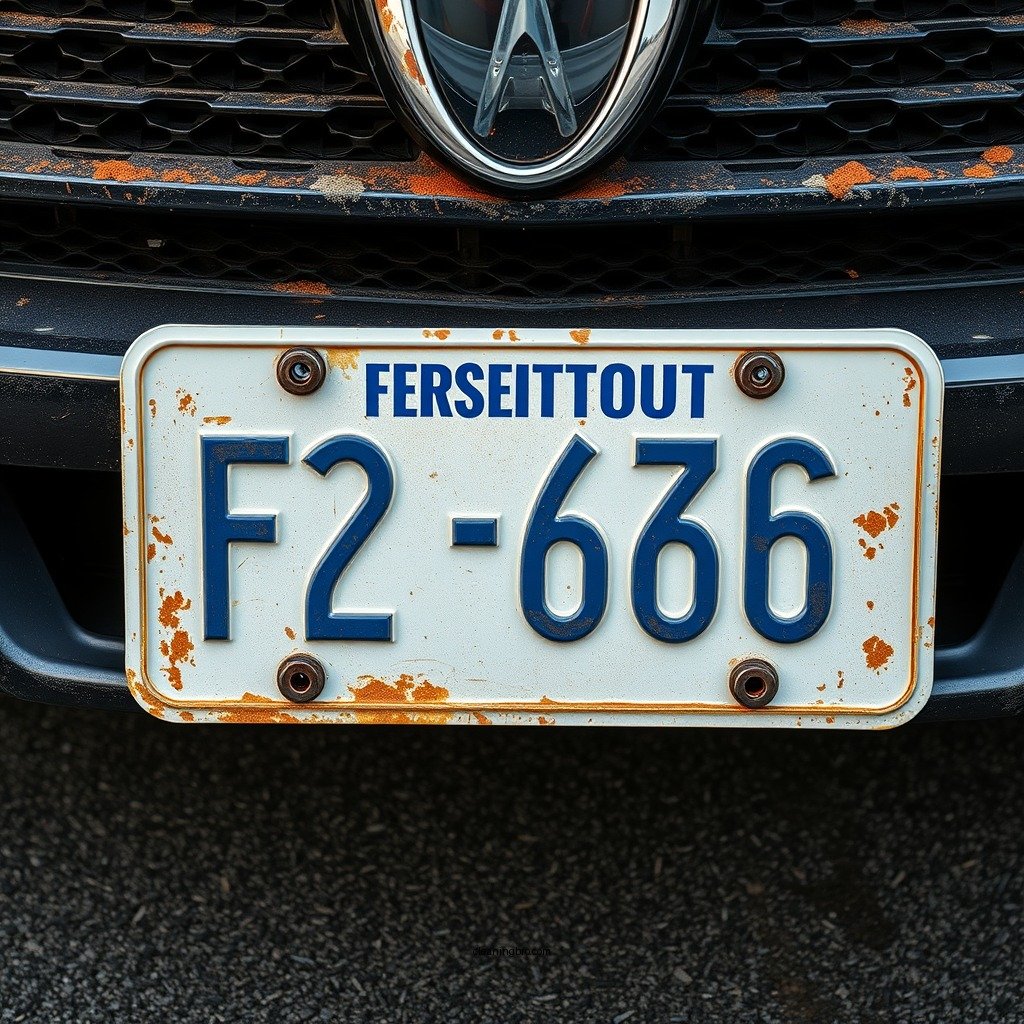
Before diving into the cleaning process, it’s important to prepare properly:
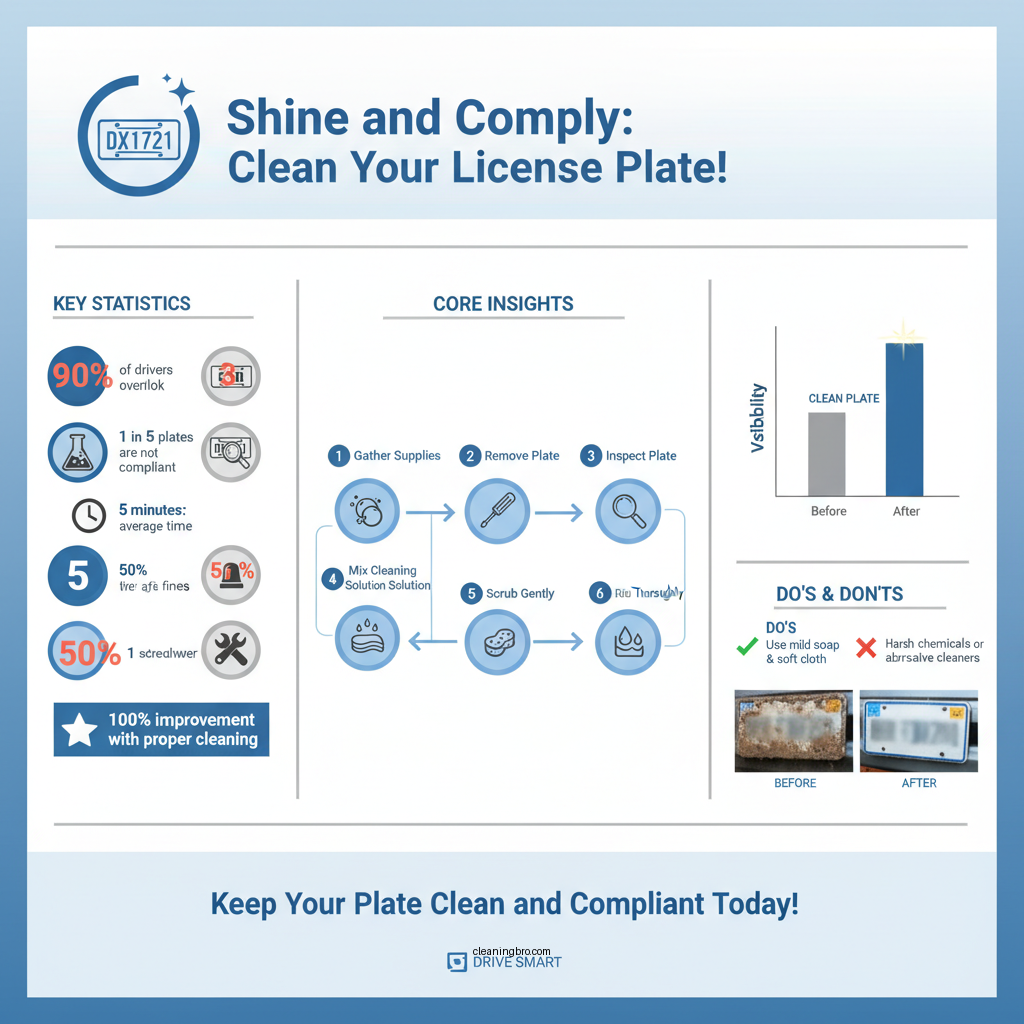
– Remove the license plate from the vehicle if necessary: If your license plate is excessively dirty or if you need to clean around the edges, removing it will allow for a more thorough job. Use a screwdriver to carefully detach the plate; be sure to keep any screws in a safe place for reattachment.
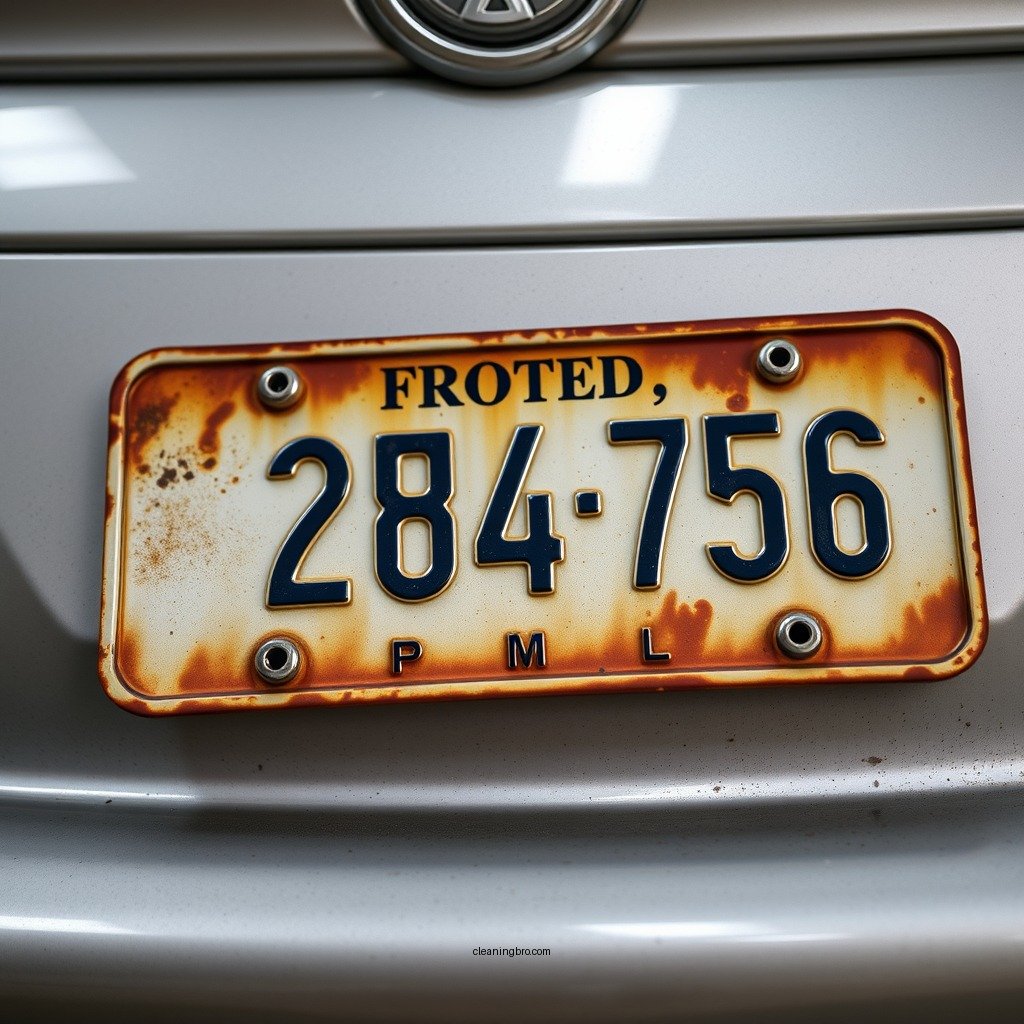
– Inspect the plate for any damage or significant dirt buildup: Take a moment to check for cracks, peeling paint, or rust. If the plate is damaged, it may need to be replaced to ensure compliance with local regulations.
Proper preparation is key to ensuring a successful cleaning experience.
Cleaning Process
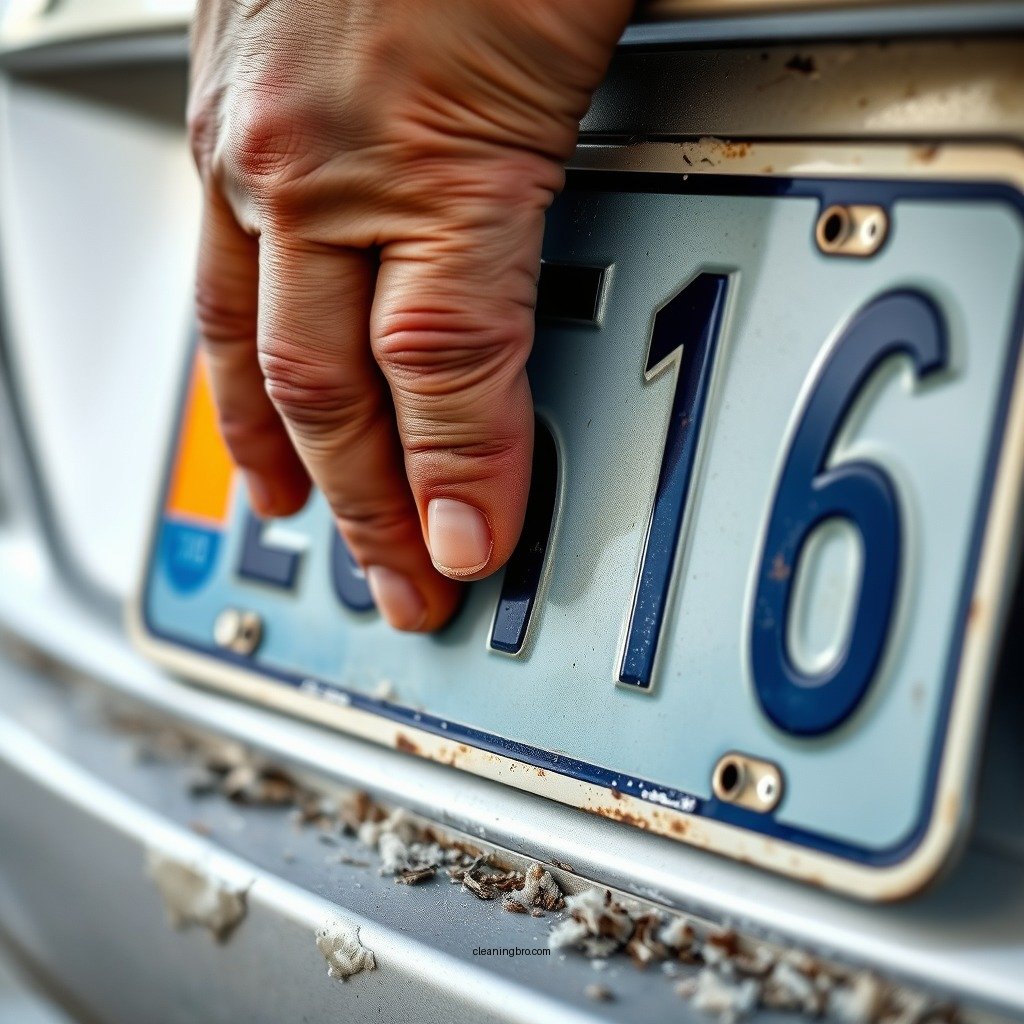
With your supplies at hand and your plate prepared, follow these steps for effective cleaning:
– Mix soap with water according to the product instructions: Typically, a simple mixture of warm water and a small amount of mild soap will suffice. Avoid using harsh chemicals or abrasive cleaners, as these can damage the plate’s finish.
– Use a soft sponge or cloth to gently scrub the surface: Begin cleaning the plate by applying the soapy mixture with your sponge or cloth. Use gentle circular motions to lift dirt and grime. Pay special attention to corners and edges, where dirt often accumulates.
By taking your time and applying gentle pressure, you can clean your license plate effectively without causing damage.
Most Common License Plate Cleaning Methods
| # | Cleaning Method | Effectiveness | Time Required | Cost |
|---|---|---|---|---|
| 1 | Soap and Water | High | 10-15 min | Low |
| 2 | Vinegar Solution | Medium | 15-20 min | Low |
| 3 | Automotive Cleaner | High | 10-15 min | Medium |
| 4 | Degreaser | Medium | 15-30 min | High |
| 5 | Pressure Washer | High | 5-10 min | Medium |
| 6 | Baking Soda Paste | Medium | 20-30 min | Low |
| 7 | Soap and Vinegar Mix | High | 10-20 min | Low |
Rinsing and Drying
After scrubbing, rinsing and drying are critical steps to complete the cleaning process:
– Rinse the plate thoroughly with clean water: Ensure that all soap residue is washed away. This is vital to prevent any buildup that could obscure the plate’s visibility. If you have removed the plate, using a hose is ideal, but if it’s still attached to the vehicle, a bucket of water will suffice.
– Dry the plate with a clean, soft towel: Gently pat the plate dry to avoid water spots. This not only enhances the appearance but also prevents potential rusting of metal plates.
Proper rinsing and drying ensure that the plate is not only clean but also maintains its integrity.
Dealing with Stubborn Stains
Sometimes, regular cleaning methods might not suffice, especially for stubborn stains or grime. Here’s how to tackle tougher cleaning challenges:
– For tough grime, apply a vinegar solution or specialized automotive cleaner: A mixture of equal parts vinegar and water can be particularly effective for removing stubborn dirt or grime. Apply the solution and allow it to sit for a few minutes before scrubbing.
– Use a soft brush for any intricate areas: If your license plate has raised lettering or grooves, a soft-bristle brush can help remove dirt without scratching the surface. Be gentle and avoid using hard bristles that could damage the plate.
By using these methods, you can restore your license plate to its original clarity and appearance.
Cleaning Solutions: Soap vs. Vinegar vs. Automotive Cleaner
| Feature | ⭐ Soap & Water | Vinegar Solution | Automotive Cleaner |
|---|---|---|---|
| Ease of Use | ✅ Very Easy | ✅ Easy | ✅ Moderate |
| Cost | Low | Low | Medium |
| Effectiveness | ✅ Very Effective | ✅ Effective | ✅ Highly Effective |
| Time Required | 10-15 min | 15-20 min | 10-15 min |
| Odor | Neutral | Strong | Varies |
| Environmental Impact | Low | Low | High |
| Availability | Widely Available | Widely Available | Available at Auto Stores |
| Safety | Safe | Safe | Follow Instructions |
| User Experience | Simple | Moderate | Moderate |
| 🏆 Best For | General Cleaning | Stubborn Grime | Heavy-Duty Cleaning |
Reattaching the License Plate
After completing the cleaning process, it’s time to reattach the license plate:
– Once clean and dry, reattach the license plate securely to your vehicle: Align the plate with the designated holes and ensure that it is straight. Using your screwdriver, tighten the screws securely to avoid any rattling while driving.
– Ensure that the plate is positioned correctly and visible: Check that the plate is easily readable from a distance. Proper visibility is crucial for compliance with traffic laws and for the safety of both the driver and pedestrians.
Taking the time to reattach the plate correctly ensures ongoing compliance and functionality.
Maintenance Tips
To keep your license plate looking pristine and compliant, consider the following maintenance tips:
– Regularly inspect your license plate for dirt and grime: Make it a habit to check your plate periodically, especially after long trips or during inclement weather. This proactive approach will help you address any buildup before it becomes a problem.
– Clean your plate every few months or as needed: Depending on your driving conditions, cleaning the plate every few months can maintain its appearance and legibility. Additionally, consider giving it a thorough clean before and after winter, as road salt and grime can accumulate rapidly.
By integrating these maintenance tips into your routine, you can keep your license plate in excellent condition, enhancing both aesthetics and functionality.
Keeping your license plate clean is crucial not only for aesthetics but also for legal compliance and safety. By following these steps, you can ensure your license plate remains visible and in good condition. Make cleaning it a regular part of your vehicle maintenance routine!
Frequently Asked Questions
What is the best way to clean a license plate?
The best way to clean a license plate is to use warm, soapy water along with a soft sponge or cloth. Avoid abrasive materials that could scratch the surface. For tougher grime, a mixture of vinegar and water can be effective. Rinse thoroughly with clean water and dry with a microfiber cloth to prevent water spots.
How often should I clean my license plate?
You should clean your license plate at least once a month or more frequently if you live in an area with heavy road grime, mud, or salt. Regular cleaning helps maintain visibility and ensures that your license plate remains legible, which is important for legal compliance and safety.
Why is it important to keep my license plate clean?
Keeping your license plate clean is important for several reasons, including legal compliance, safety, and aesthetics. A dirty license plate can be difficult for law enforcement to read, which may result in fines or complications during traffic stops. Additionally, a clean plate improves the overall appearance of your vehicle.
Which cleaning products are safe for a license plate?
Safe cleaning products for a license plate include mild dish soap, vinegar, and specialized automotive cleaners. Avoid harsh chemicals or solvents that could damage the paint or finish of the plate. Using a gentle, non-abrasive sponge ensures you won’t scratch or wear down the surface.
How do I remove stubborn stains from my license plate?
To remove stubborn stains from your license plate, first try using a mixture of baking soda and water to create a paste. Apply it to the stain and let it sit for a few minutes before scrubbing gently with a soft brush. If the stain persists, consider using a dedicated automotive cleaner designed for tough stains, ensuring it’s safe for the plate material.
References
- Vehicle registration plate
https://en.wikipedia.org/wiki/License_plate - https://www.nhtsa.gov/equipment/vehicle-licensing
https://www.nhtsa.gov/equipment/vehicle-licensing - https://www.cdc.gov/healthywater/drinking/cleaning.html
https://www.cdc.gov/healthywater/drinking/cleaning.html - https://www.nationalparks.org/our-work/cleaning-up-the-environment
https://www.nationalparks.org/our-work/cleaning-up-the-environment - Google Scholar Google Scholar
https://scholar.google.com/scholar?q=cleaning+license+plate - Google Scholar Google Scholar
https://scholar.google.com/scholar?q=vehicle+cleaning+methods - Google Scholar Google Scholar
https://scholar.google.com/scholar?q=license+plate+maintenance - https://www.sciencedirect.com/topics/earth-and-planetary-sciences/license-plate
https://www.sciencedirect.com/topics/earth-and-planetary-sciences/license-plate - https://www.britannica.com/technology/license-plate
https://www.britannica.com/technology/license-plate - https://www.reuters.com/article/us-vehicle-licensing-idUSKBN2A00Z4
https://www.reuters.com/article/us-vehicle-licensing-idUSKBN2A00Z4