How to Clean a Matcha Whisk for the First Time
Cleaning your matcha whisk for the first time is simple and essential for maintaining its quality. By following a few straightforward steps, you can ensure that your whisk remains in excellent condition, preserving both its functionality and the taste of your matcha. This guide will walk you through the best practices for cleaning and caring for your whisk, allowing you to enjoy the full benefits of this traditional Japanese tool.
Understanding the Matcha Whisk

The matcha whisk, known as a chasen, is a tool crafted primarily from bamboo and features delicate bristles designed to froth matcha tea. Given its fragile nature, it’s essential to handle the whisk with care during cleaning to prevent damage. The integrity of the whisk’s bristles directly affects the quality of the matcha you prepare; damaged bristles will not whisk the tea effectively, resulting in a less enjoyable drinking experience. Therefore, understanding its construction and purpose is crucial for proper maintenance.
Preparing for Cleaning
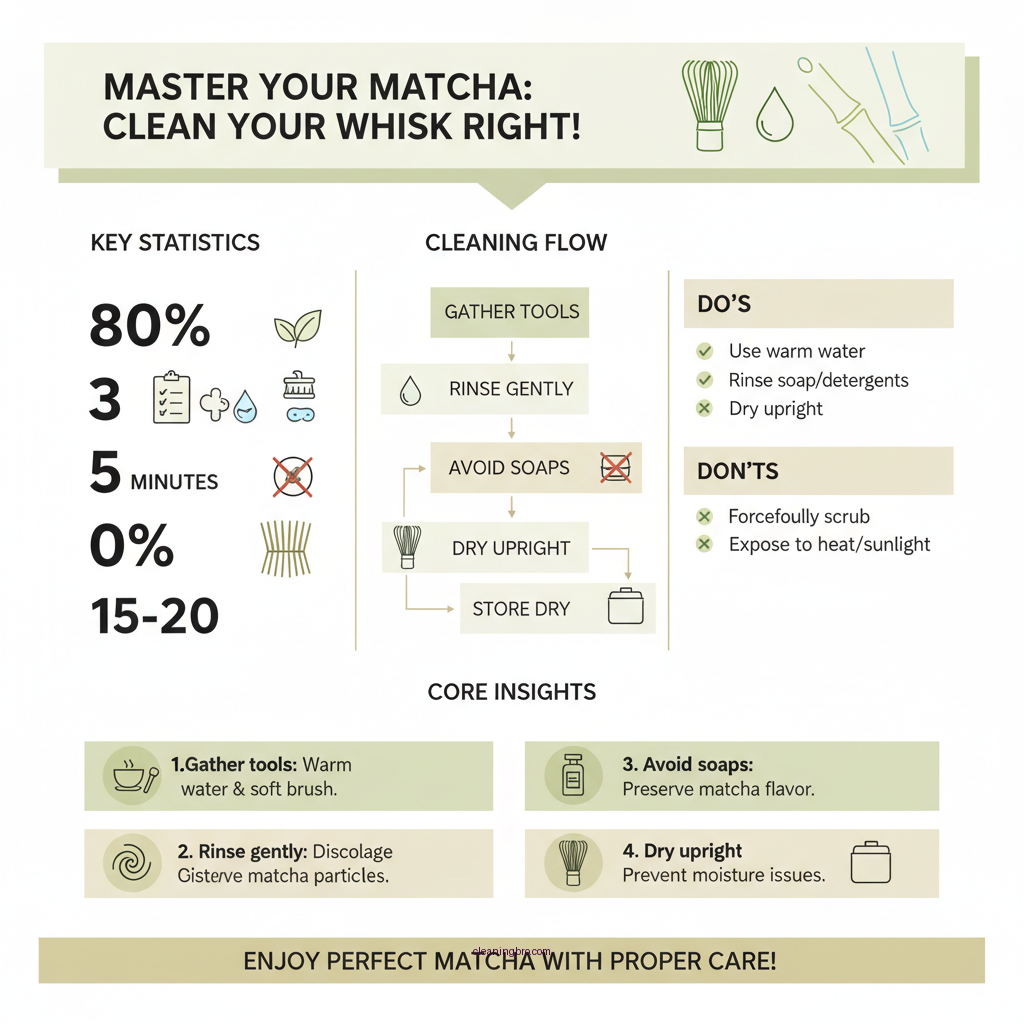
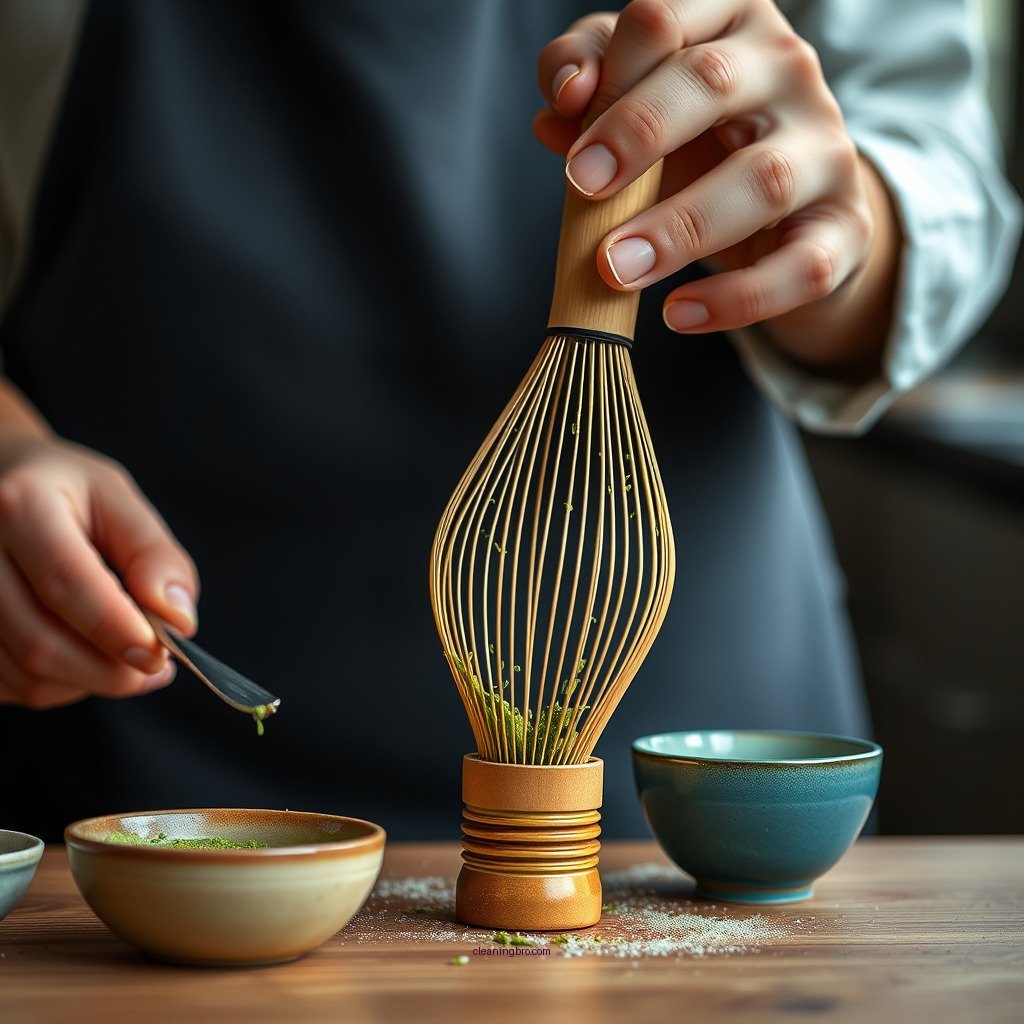
Before you begin cleaning your matcha whisk, it’s important to gather the necessary tools. You will only need warm water and a soft brush or cloth for this process. Many users mistakenly believe that soap or detergents can enhance the cleaning process; however, these substances can leave residues that alter the taste of your matcha and potentially damage the bamboo. Hence, keep your cleaning method simple and natural.
Rinsing the Whisk
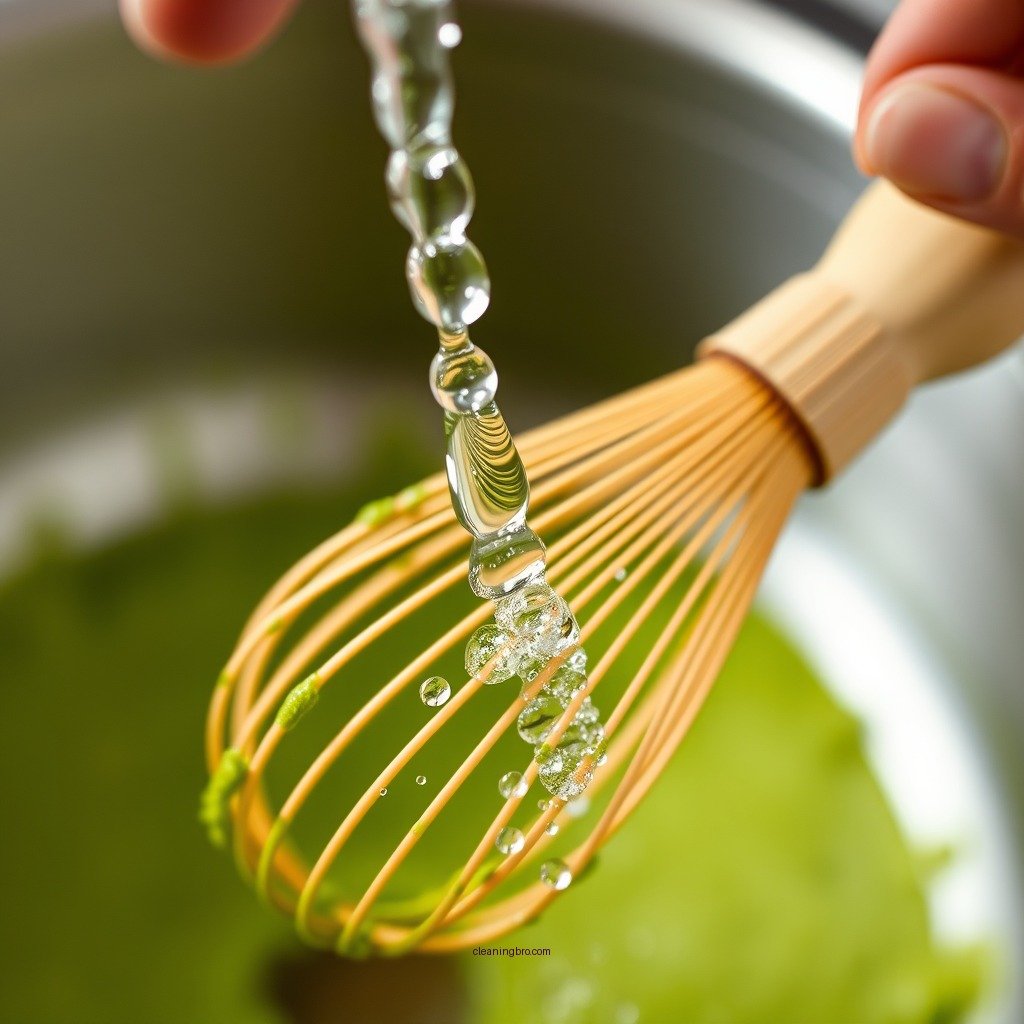
To clean your matcha whisk, hold it gently under warm running water. This initial rinse is vital for removing any matcha particles that may be stuck in the bristles. While rinsing, gently move the bristles with your fingers to help dislodge any residual matcha without risking damage. Avoid using force, as the bristles can bend or break easily. Spend a few moments ensuring that all matcha residue is removed, as any leftover particles can lead to an unpleasant taste in future brews.
Drying the Whisk
After rinsing, the drying process is equally important. Place the whisk upright in a holder or on a clean towel to air dry. This position helps maintain the shape of the bristles, preventing them from becoming misshapen. It is crucial to avoid using heat sources or direct sunlight for drying, as bamboo can warp or crack under extreme conditions. Allow the whisk to dry completely before storing it to prevent moisture from leading to mold growth.
Storing the Whisk
Proper storage of your matcha whisk is essential for its longevity. Store the whisk in a dry, cool place to discourage mold and bacteria growth. Consider investing in a whisk holder, as it helps maintain the shape of the bristles and prevents them from becoming damaged. Keeping the whisk away from moisture and light will ensure that it stays in optimal condition, ready for your next cup of matcha.
Tips for Long-Term Care
To ensure your matcha whisk performs well over time, clean it after every use. This practice prevents the buildup of matcha and maintains the quality of your whisk. Additionally, periodically inspect the whisk for any signs of wear, such as frayed or broken bristles. Replacing your whisk when necessary will help maintain an optimal whisking experience and ensure that you can continue to enjoy the full flavor of your matcha.
Maintaining your matcha whisk is straightforward and enhances your tea experience. By following these cleaning and care tips, you can ensure that your whisk remains in excellent condition for many matcha sessions to come. Enjoy your perfect cup of matcha!
Top 7 Types of Matcha Whisks (2023)
| # | Whisk Type | Material | Bristle Count | Best For |
|---|---|---|---|---|
| 1 | Standard Chasen | Bamboo | 80 | Traditional Matcha Preparation |
| 2 | Mini Chasen | Bamboo | 40 | Travel-Friendly |
| 3 | Thick Chasen | Bamboo | 100 | Frothing Thick Matcha |
| 4 | Thin Chasen | Bamboo | 60 | Frothing Thin Matcha |
| 5 | Ceramic Chasen | Ceramic | 80 | Stylish Option |
| 6 | Plastic Chasen | Plastic | 60 | Budget Option |
| 7 | Electric Whisk | Metal | Variable | Quick Frothing |
Matcha Whisk Quality Ratings (2023)
Chasen vs Mini Chasen vs Electric Whisk: Full Comparison
| Feature | ⭐ Chasen | Mini Chasen | Electric Whisk |
|---|---|---|---|
| Material | Bamboo | Bamboo | Metal |
| Bristle Count | 80 | 40 | Variable |
| Size | Large | Compact | Standard |
| Ease of Use | Requires skill | Easy | Very easy |
| Portability | Moderate | High | Low |
| Price | $20 | $15 | $25 |
| Durability | High | Moderate | High |
| Best for | Traditionalists | Travelers | Convenience |
| 🏆 Best For | Matcha Purists | On-the-go Users | Quick Frothing |
In conclusion, taking the time to properly clean and maintain your matcha whisk will greatly enhance your matcha experience. By rinsing it after use, allowing it to dry appropriately, and storing it correctly, you can ensure that your whisk remains functional and preserves the unique flavor of your matcha for years to come. Enjoy the art of matcha preparation!
Frequently Asked Questions
How do I clean my matcha whisk for the first time?
To clean your matcha whisk for the first time, gently rinse it under warm water immediately after use. Avoid using soap, as it can leave residues that affect the taste of your matcha. Gently swirl the whisk in the water to remove any matcha particles, then lay it flat to dry to maintain its shape.
What should I avoid when cleaning a matcha whisk?
When cleaning a matcha whisk, avoid using soap or detergents, as these can linger in the bristles and alter the flavor of your matcha. Additionally, do not scrub the whisk harshly, as this can damage the delicate bamboo bristles. Instead, opt for a gentle rinse and allow it to air dry.
Why is it important to clean a matcha whisk properly?
Proper cleaning of a matcha whisk is crucial to maintain its functionality and longevity. Residual matcha can lead to clumping and affect the quality of your tea, while improper cleaning may harbor bacteria. Regular care ensures a smoother whisking process and enhances your matcha experience.
What is the best way to dry a matcha whisk after cleaning?
The best way to dry a matcha whisk is to lay it flat on a clean, dry surface, allowing air to circulate around the bristles. Avoid placing it upright, as this can cause the bristles to bend or break. Proper drying helps preserve the whisk’s shape and effectiveness for future use.
Which tools can I use to clean my matcha whisk more effectively?
To clean your matcha whisk effectively, you can use a soft-bristled brush or a dedicated bamboo whisk cleaner, often available in tea shops. These tools help dislodge stubborn matcha particles without damaging the bristles. Always follow up with a gentle rinse to ensure complete cleanliness.
References
- Matcha
https://en.wikipedia.org/wiki/Matcha - Matcha | Origins, Uses, Japanese Green Tea Type, & Health Benefits | Britannica
https://www.britannica.com/topic/matcha - https://www.ncbi.nlm.nih.gov/pmc/articles/PMC6520820/
https://www.ncbi.nlm.nih.gov/pmc/articles/PMC6520820/ - https://pubmed.ncbi.nlm.nih.gov/30378394/
https://pubmed.ncbi.nlm.nih.gov/30378394/ - https://www.sciencedirect.com/science/article/abs/pii/S0954611114000452
https://www.sciencedirect.com/science/article/abs/pii/S0954611114000452 - https://www.nytimes.com/2020/01/17/well/eat/matcha-benefits.html
https://www.nytimes.com/2020/01/17/well/eat/matcha-benefits.html - https://www.theguardian.com/food/2021/dec/17/matcha-lovers-guide
https://www.theguardian.com/food/2021/dec/17/matcha-lovers-guide - Google Scholar Google Scholar
https://scholar.google.com/scholar?q=cleaning+matcha+whisk - Google Scholar Google Scholar
https://scholar.google.com/scholar?q=matcha+whisk+care - Google Scholar Google Scholar
https://scholar.google.com/scholar?q=how+to+clean+matcha+whisk