How to Clean a Paint Sprayer: Step-by-Step Guide
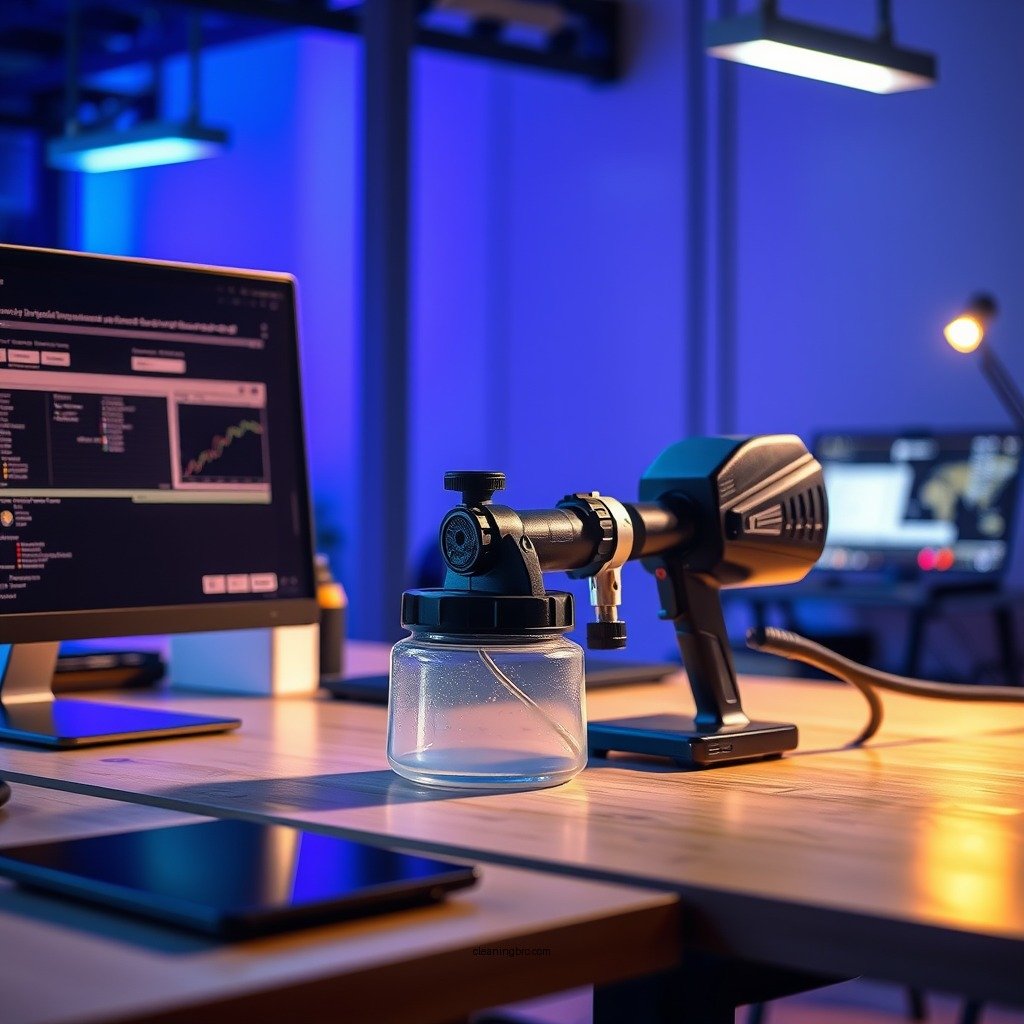
Cleaning a paint sprayer effectively is essential for maintaining its performance and longevity. To clean your paint sprayer, first, flush out any remaining paint with the appropriate solvent, then thoroughly clean all components according to the manufacturer’s instructions. In this guide, you’ll learn the detailed steps to ensure your paint sprayer is in top shape for your next project.
Understanding Your Paint Sprayer
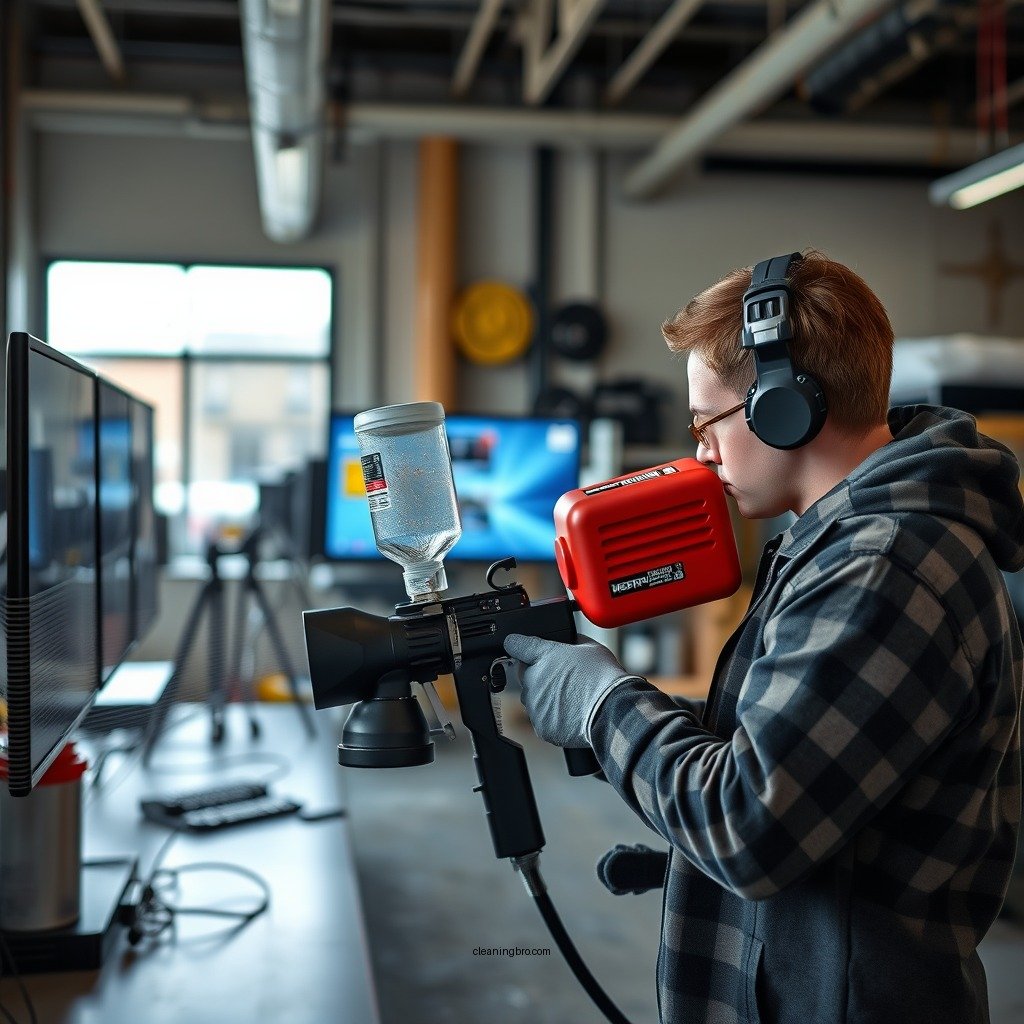
Different types of paint sprayers, such as airless and HVLP (High Volume Low Pressure), require specific cleaning methods tailored to their unique mechanics and paint types. For instance, airless sprayers can often handle thicker paints and require a more robust cleaning approach due to the potential for clogs in the nozzle and filters. Conversely, HVLP sprayers are designed for finer finishes and may need a gentler cleaning process to avoid damaging sensitive components. It is crucial to familiarize yourself with your paint sprayer’s manufacturer’s manual, which provides tailored cleaning instructions to ensure you do not void the warranty and maintain optimal performance.
Essential Cleaning Supplies
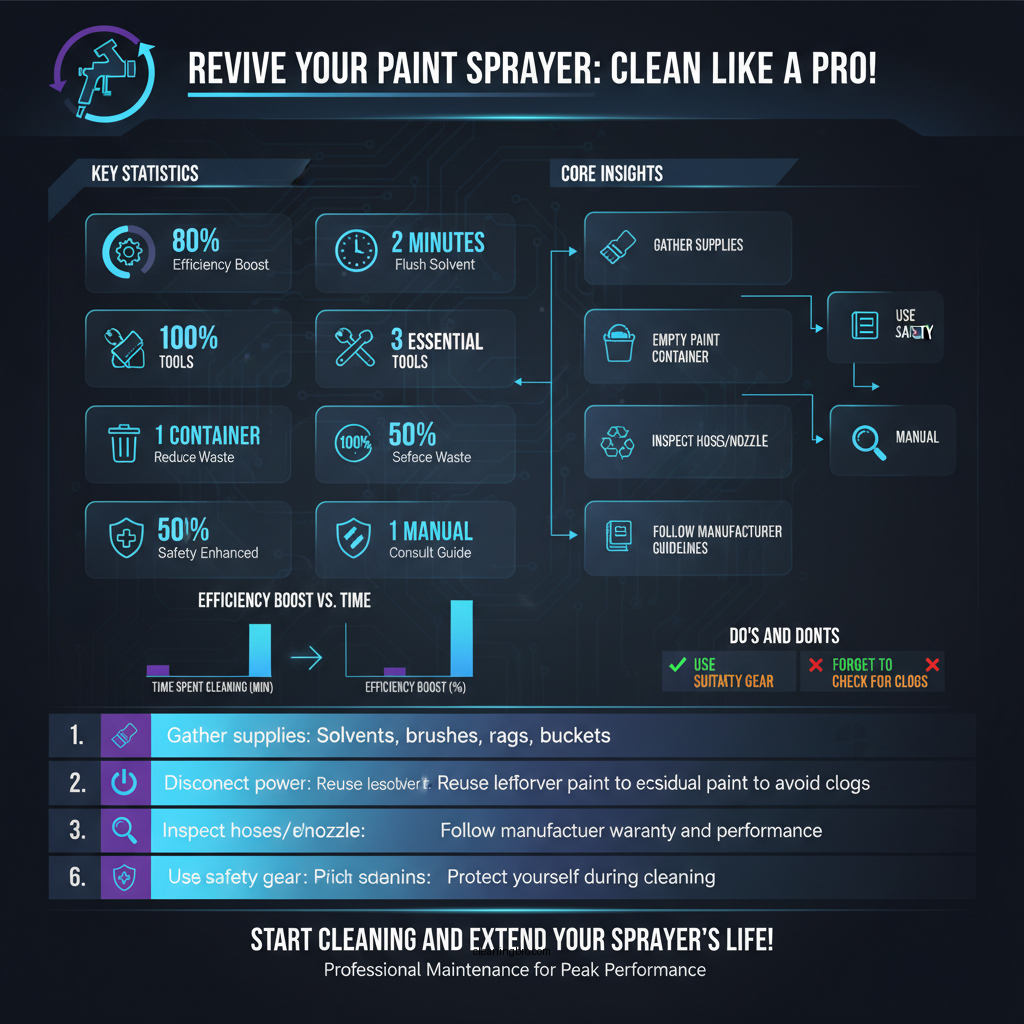
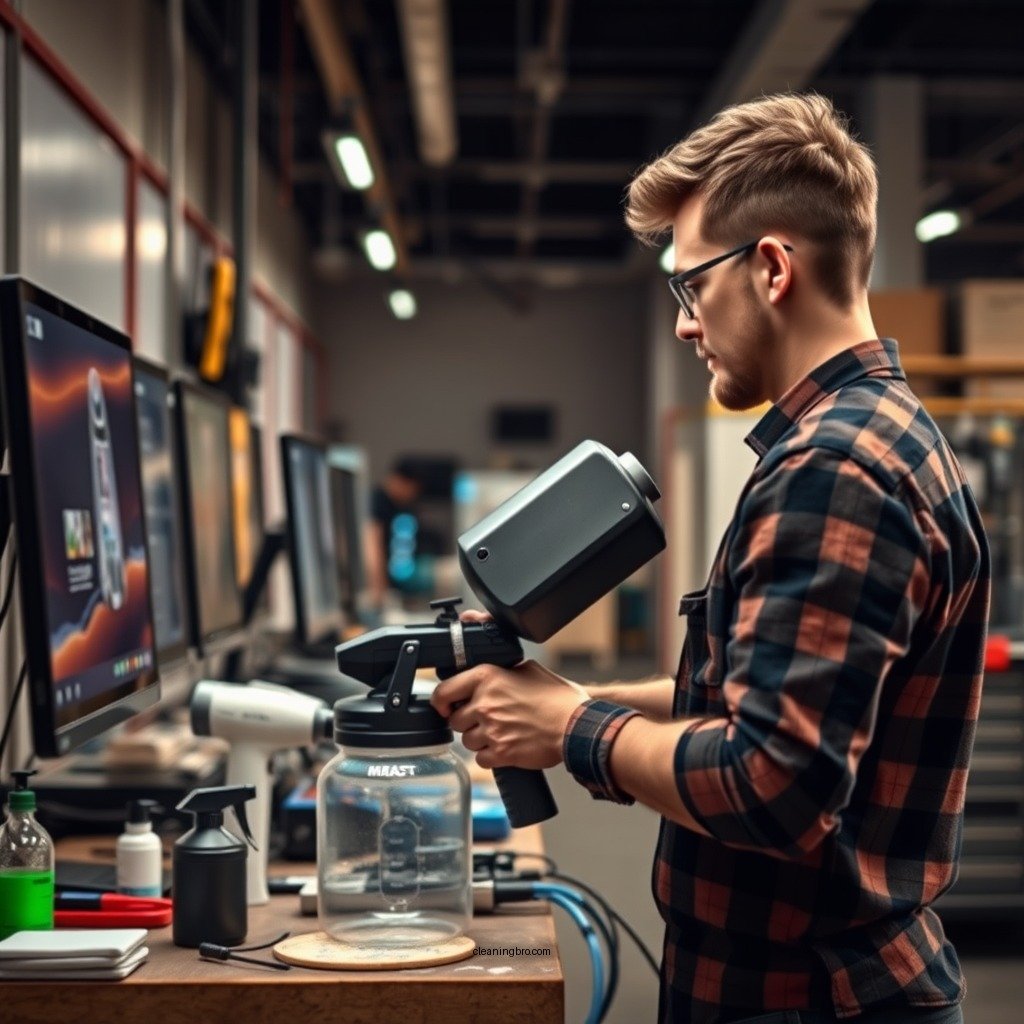
Before diving into the cleaning process, gather all necessary supplies to ensure a smooth and efficient experience. The essential cleaning supplies include:
– Solvents: Paint thinner for oil-based paints and water for water-based paints.
– Brushes: Various sizes of brushes to reach into tight spaces and clean the nozzle effectively.
– Rags: For wiping down surfaces and absorbing excess solvent.
– Buckets: For rinsing and flushing out the sprayer.
– Safety Gear: Gloves and goggles are essential to protect yourself from chemicals and paint particles during the cleaning process.
Having these supplies on hand will not only streamline your cleaning efforts but also enhance your safety while working.
Preparing for Cleaning
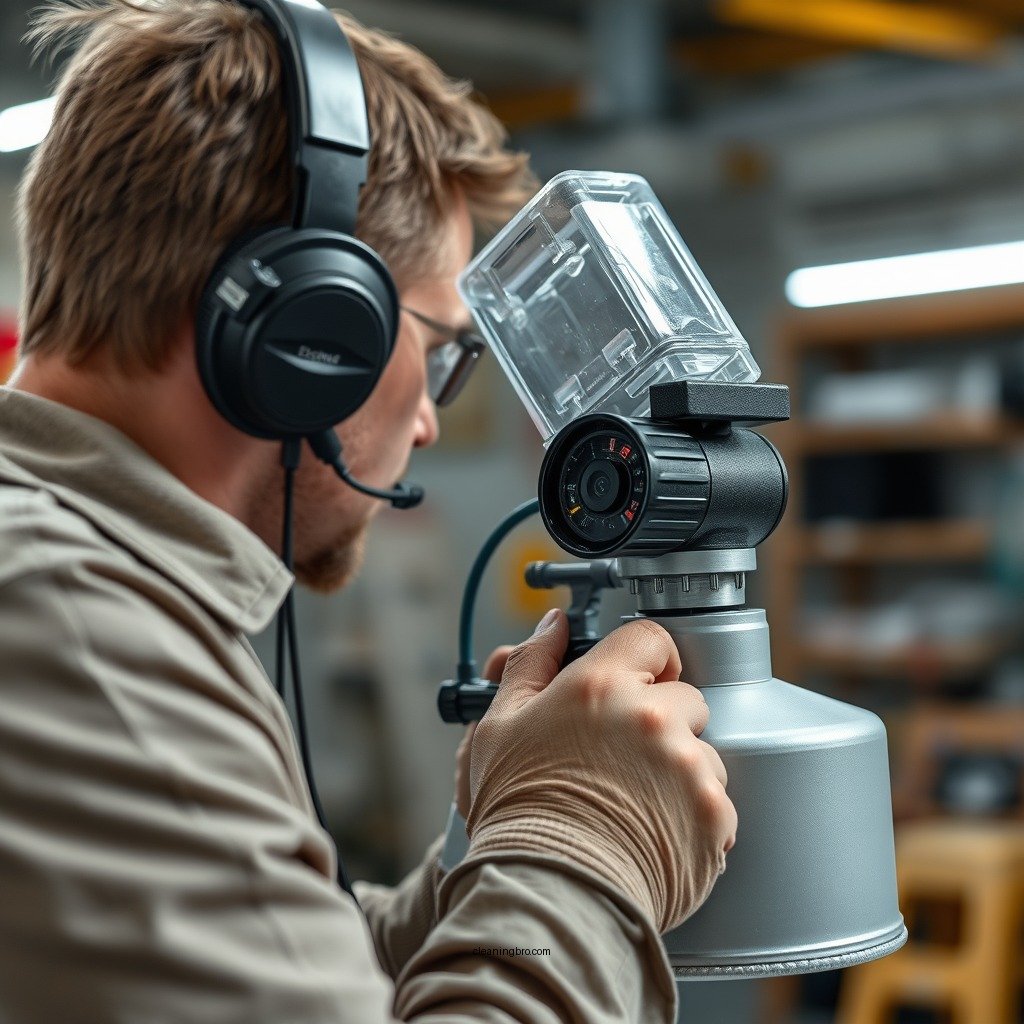
The first step in the cleaning process is to prepare your paint sprayer for disassembly. Begin by disconnecting the sprayer from the power source to prevent any accidental activation. Next, remove the paint container and pour any leftover paint back into its original container to minimize waste and environmental impact. This step is not only eco-friendly but also ensures that you can reuse any leftover paint for future projects.
Additionally, check for any remaining paint in the hoses and nozzle, as these areas often harbor residual paint that can dry and result in clogs.
Top 7 Paint Sprayer Brands (2024)
| # | Brand | Type | Cleaning Method | Average Price |
|---|---|---|---|---|
| 1 | Graco | Airless | Flush with water/mineral spirits | $300-$600 |
| 2 | Wagner | HVLP | Clean with soap and water | $100-$300 |
| 3 | Titan | Airless | Flush with solvent | $350-$700 |
| 4 | Fuji | HVLP | Clean with water and vinegar | $200-$800 |
| 5 | Graco Ultra | Airless | Flush with solvent | $400-$900 |
| 6 | HomeRight | HVLP | Wash with soap and water | $50-$150 |
| 7 | Campbell Hausfeld | Airless | Flush with mineral spirits | $150-$300 |
Flushing the Sprayer
Once you have prepared your paint sprayer, the next step is flushing out any residual paint. The appropriate solvent to use depends on the type of paint you utilized during your project. For water-based paints, run clean water through the sprayer until it runs clear. For oil-based paints, use mineral spirits or an equivalent solvent.
To flush the sprayer, reattach the hose to the fluid inlet, place the hose in a bucket or container, and activate the sprayer. Allow the solvent to run through the system for at least a minute, or until it comes out clear. This step is crucial as it helps prevent paint from drying inside the sprayer, which can lead to clogs and damage.
Disassembling the Sprayer
After flushing, it’s time to disassemble the sprayer for a more thorough cleaning. Carefully remove the nozzle, filter, and any other parts that require cleaning. Most sprayers will have a few screws or clips that need to be loosened or removed. Take note of how each part fits together, as this will facilitate easier reassembly later on.
It’s also advisable to take photographs of the assembly process or refer to the manufacturer’s manual for guidance. This will not only save time but also ensure that your paint sprayer is put back together correctly after cleaning.
Cleaning Each Component
With the sprayer disassembled, each component requires individual attention. Start by cleaning the nozzle and filter with a soft brush to remove any clogs or paint build-up. For stubborn residue, soak the parts in the appropriate solvent—water for water-based paints or mineral spirits for oil-based paints—allowing them to loosen and dissolve any remaining paint.
Using rags, wipe down all surfaces, including the exterior of the sprayer, to remove any paint splatters or dust that may have accumulated. Regular cleaning of each component not only enhances performance but also significantly extends the life of your paint sprayer.
Graco vs Wagner vs Titan: Paint Sprayer Comparison
| Feature | ⭐ Graco | Wagner | Titan |
|---|---|---|---|
| Type | Airless | HVLP | Airless |
| Max Pressure | 3000 PSI | 35 PSI | 3300 PSI |
| Weight | 25 lbs | 12 lbs | 30 lbs |
| Price | $400-$600 | $100-$300 | $350-$700 |
| Ideal For | Professional | Homeowners | Contractors |
| Power Source | Electric | Electric | Electric |
| Cleaning Method | Water/Solvent | Soap and Water | Water/Solvent |
| Warranty | 3 years | 1 year | 2 years |
| Best For | Professionals | DIYers | Construction Sites |
Reassembling and Storing the Sprayer
Once all parts are clean and dry, carefully reassemble the paint sprayer. Ensure that each component fits securely in its designated place to avoid leaks or malfunctions. Refer back to the notes or photographs taken during disassembly to ensure accuracy.
After reassembly, store the paint sprayer in a dry, cool place to prevent damage from humidity or temperature fluctuations. Keeping the sprayer in a protective case or bag can also safeguard against dust and accidental impacts. Proper storage will ensure that your paint sprayer remains ready for your next use, enhancing its lifespan and performance.
By following these steps, you can keep your paint sprayer clean and functional, enhancing its lifespan and performance for future projects. Regular maintenance is key, so make cleaning your sprayer a part of your routine after every use. This proactive approach will not only save you time and money in the long run but also ensure that your painting projects are executed smoothly and efficiently.
Frequently Asked Questions
How do I clean a paint sprayer after using oil-based paint?
To clean a paint sprayer after using oil-based paint, first, ensure the machine is turned off and unplugged. Use mineral spirits or paint thinner to flush out the paint from the sprayer, filling the reservoir with the solvent and spraying until the fluid runs clear. Finally, disassemble the sprayer according to the manufacturer’s instructions and clean all components with a brush and cloth to remove any residue.
What is the best method for cleaning a paint sprayer?
The best method for cleaning a paint sprayer involves immediate cleaning after use to prevent paint from drying inside. Begin by removing excess paint from the reservoir, then rinse with the appropriate solvent based on the type of paint used (water for latex, mineral spirits for oil-based). Follow up by flushing the system with clean water or solvent until the spray runs clear, and ensure all parts are thoroughly cleaned and reassembled.
Why is it important to clean my paint sprayer after each use?
Cleaning your paint sprayer after each use is crucial to maintain its performance and longevity. Leftover paint can dry and clog the nozzle and internal components, leading to inconsistent spray patterns and potential damage. Regular cleaning prevents these issues, ensuring your sprayer functions optimally for future projects.
Which products are recommended for cleaning a paint sprayer?
Recommended products for cleaning a paint sprayer include specific solvents like mineral spirits for oil-based paints and warm soapy water for latex paints. Additionally, using a brush or a cleaning kit designed for sprayers can help remove stubborn paint residue. Always refer to your sprayer’s manual for any brand-specific cleaning solutions that may enhance performance.
How can I prevent clogs in my paint sprayer when cleaning?
To prevent clogs in your paint sprayer during cleaning, make sure to thoroughly strain your paint before use to eliminate any debris. When cleaning, ensure that you flush the sprayer with the right solvent until the fluid runs clear, and pay special attention to the filter and nozzle areas. Regular maintenance, including checking for wear and tear, will also help avoid clogs in your sprayer.
References
- https://www.cdc.gov/niosh/topics/paints/
https://www.cdc.gov/niosh/topics/paints/ - https://www.houstonchronicle.com/life/article/cleaning-your-paint-sprayer-15674453.php
https://www.houstonchronicle.com/life/article/cleaning-your-paint-sprayer-15674453.php - Google Scholar Google Scholar
https://scholar.google.com/scholar?q=how+to+clean+paint+sprayer - https://www.sciencedirect.com/topics/engineering/paint-sprayer
https://www.sciencedirect.com/topics/engineering/paint-sprayer - https://www.woodmagazine.com/materials-guide/finishes/how-to-clean-a-paint-sprayer
https://www.woodmagazine.com/materials-guide/finishes/how-to-clean-a-paint-sprayer - Google Scholar Google Scholar
https://scholar.google.com/scholar?q=paint+sprayer+maintenance - https://www.britannica.com/topic/paint-sprayer
https://www.britannica.com/topic/paint-sprayer - how to clean paint sprayer – Search results
https://en.wikipedia.org/wiki/Special:Search?search=how+to+clean+paint+sprayer - https://www.ncbi.nlm.nih.gov/search/research-articles/?term=how+to+clean+paint+sprayer
https://www.ncbi.nlm.nih.gov/search/research-articles/?term=how+to+clean+paint+sprayer