How to Clean a Pipe Bowl: Simple Steps for a Fresh Smoke
Cleaning a pipe bowl is essential for maintaining a smooth smoking experience. A clean pipe not only enhances the flavor of your tobacco but also prolongs the life of the pipe itself. To effectively clean your pipe bowl, you’ll need to gather the right tools and follow a few straightforward steps. This guide will walk you through the process, ensuring your pipe is fresh and ready for use.
Gather Your Cleaning Supplies
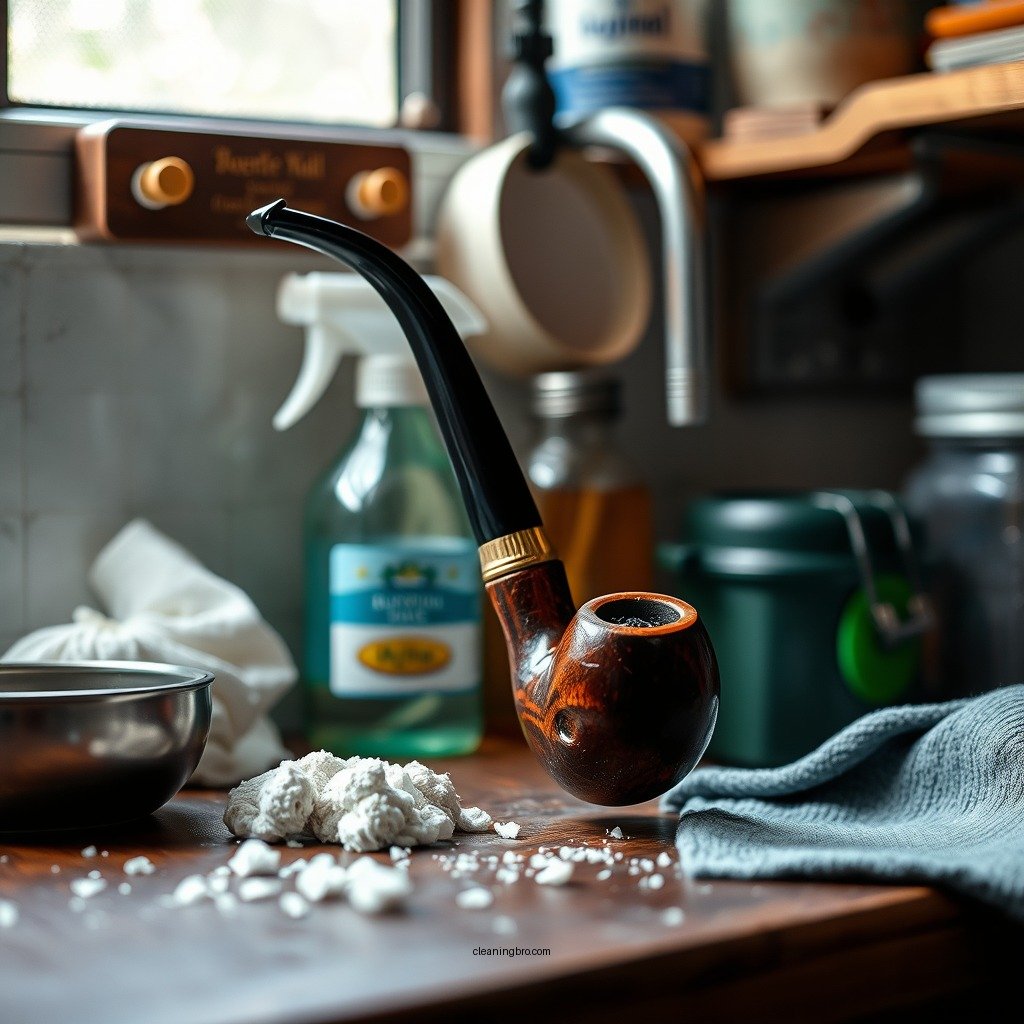
Before you begin the cleaning process, it’s crucial to have the right tools at your disposal. Here’s a list of supplies that will make your cleaning task easier and more effective:
– Pipe cleaners: These are essential for reaching into the nooks and crannies of your pipe bowl and stem. They help remove residue and gunk that can accumulate over time.
– Isopropyl alcohol: A powerful solvent, isopropyl alcohol is effective at breaking down the buildup of tar and resin inside your pipe. A concentration of 70% or higher is recommended for optimal results.
– Soft cloth or paper towels: These are useful for drying and polishing your pipe after cleaning. They can help restore the shine and remove any remaining moisture.
Having these supplies ready will streamline the cleaning process, ensuring that you can refresh your pipe quickly and efficiently.
Disassemble Your Pipe
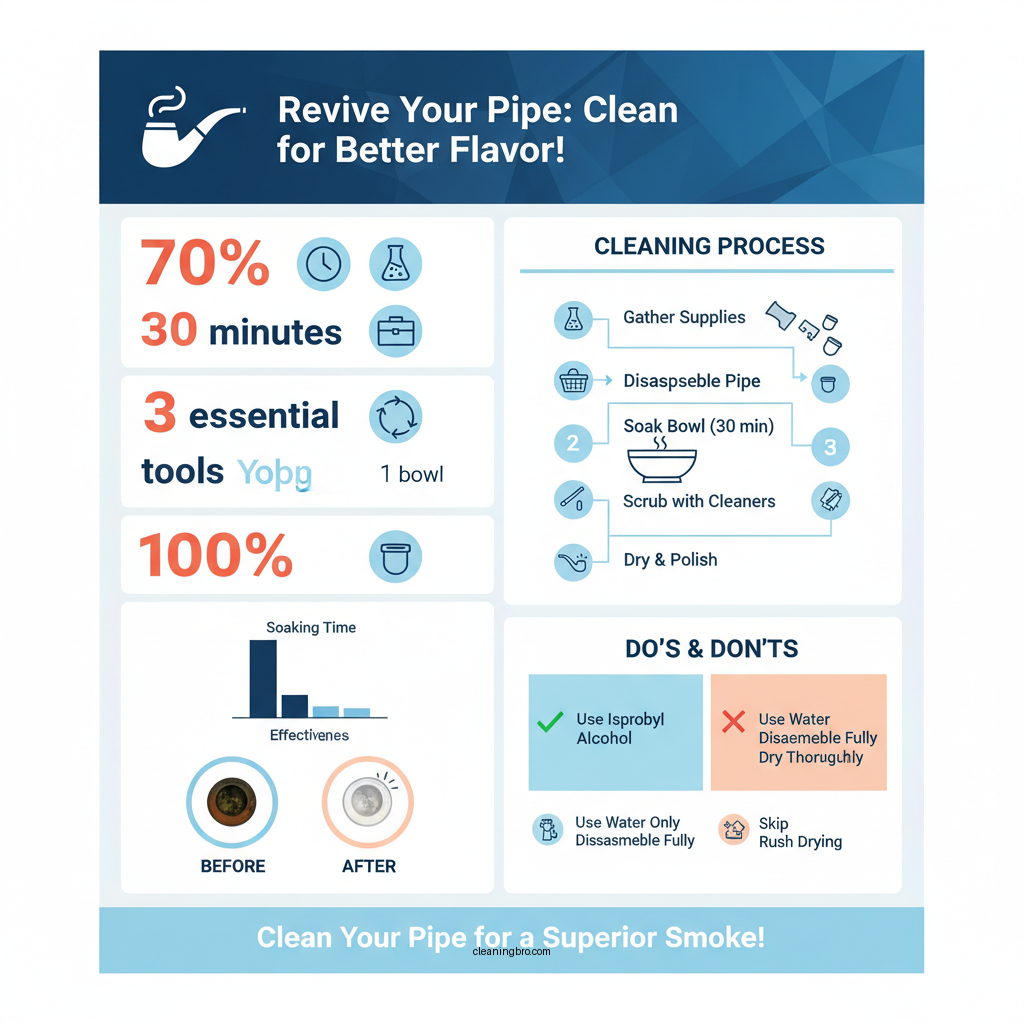
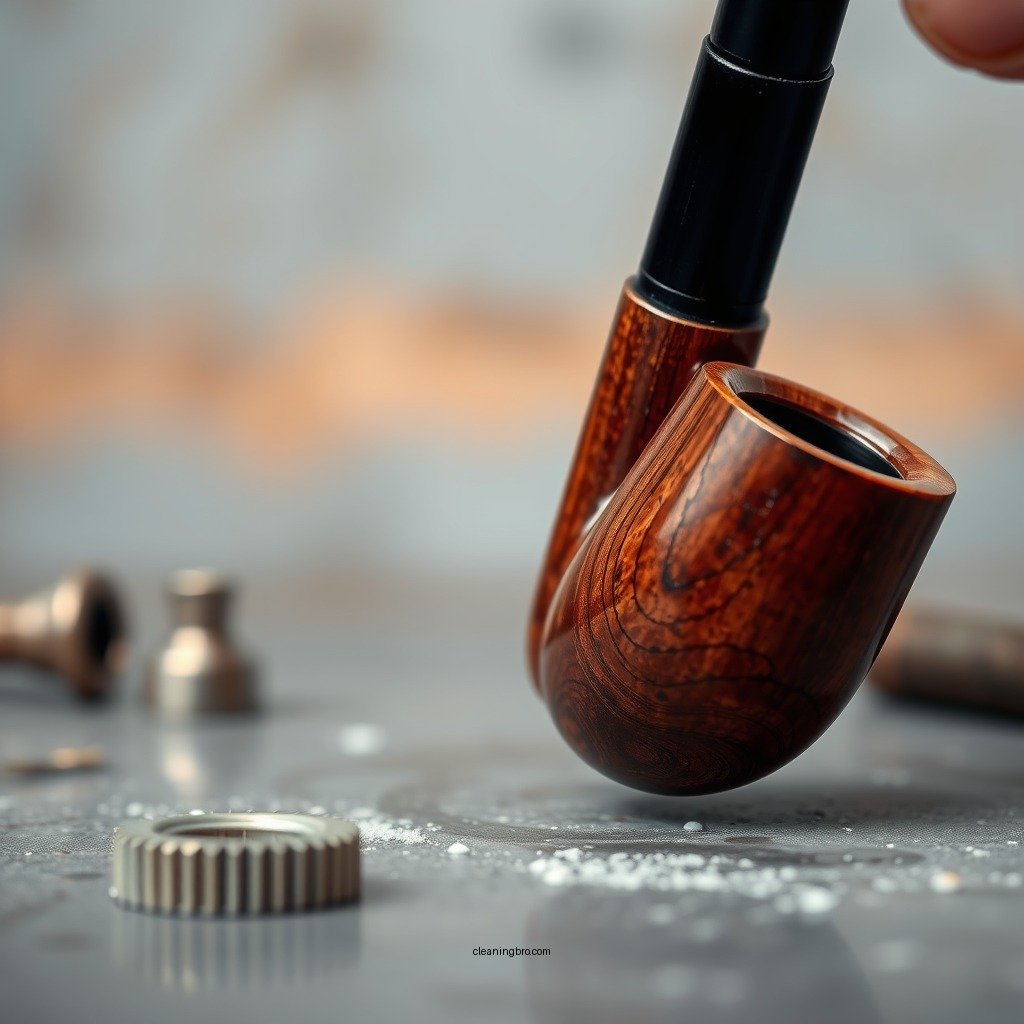
The next step is to carefully disassemble your pipe. This ensures that you can clean each component thoroughly:
– Remove the bowl: Gently twist and pull the bowl away from the stem. It’s important to do this carefully to avoid damaging the pipe.
– Clean the stem: Use a pipe cleaner that has been dipped in isopropyl alcohol to clear any obstructions in the stem. Insert the cleaner into the stem and twist it gently to remove any buildup of residue.
Disassembling your pipe allows for a more thorough cleaning, ensuring that no area is neglected. This step is crucial for maintaining both flavor and functionality.
Soak the Pipe Bowl
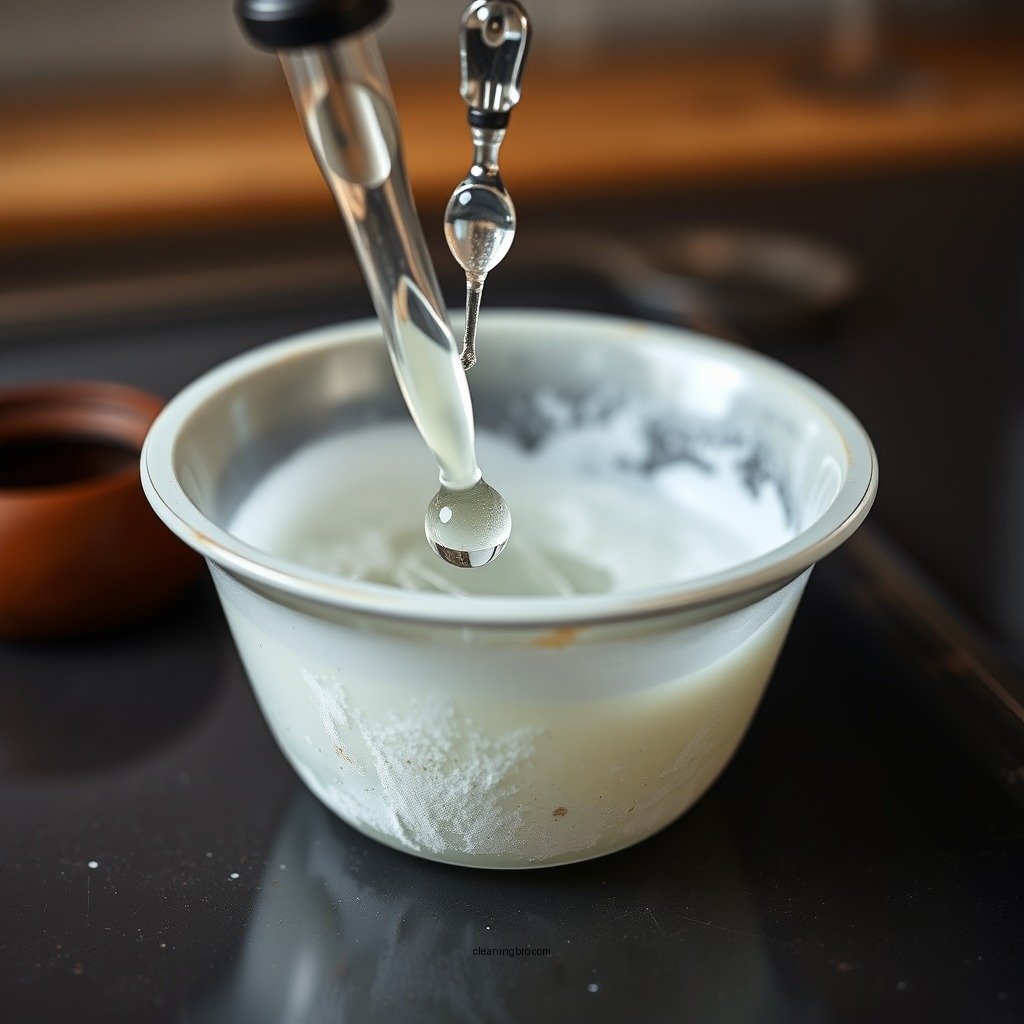
Now that your pipe is disassembled, it’s time to focus on soaking the bowl:
– Fill a container with isopropyl alcohol: Pour enough alcohol into a container to completely submerge the bowl. This will help loosen any stubborn residue.
– Let it soak: Allow the bowl to soak in the alcohol for about 30 minutes. This soaking period is critical, as it will help break down the buildup that has accumulated over time.
Soaking is an effective way to prepare the bowl for scrubbing, making the next step much easier.
Common Pipe Types and Their Maintenance Needs
| # | Pipe Type | Material | Cleaning Frequency | Difficulty |
|---|---|---|---|---|
| 1 | Briar Pipe | Briar Wood | After every use | Medium |
| 2 | Meerschaum Pipe | Meerschaum | Weekly | Easy |
| 3 | Clay Pipe | Clay | After every use | Hard |
| 4 | Corncob Pipe | Corncob | After every few uses | Easy |
| 5 | Glass Pipe | Glass | After every use | Very Easy |
| 6 | Metal Pipe | Metal | Weekly | Medium |
| 7 | Hybrid Pipe | Briar and Metal | Every few uses | Medium |
Scrub the Bowl
After soaking, it’s time for the detailed scrubbing:
– Use a brush or pipe cleaner: Take a pipe cleaner or a small brush and gently scrub the inside of the bowl. Make sure to reach all areas to remove any remaining residue or buildup.
– Rinse thoroughly: Once you’ve scrubbed the bowl, rinse it under warm water to ensure all alcohol and debris are washed away. It’s crucial to remove any cleaning solution to maintain the integrity of the materials and avoid affecting the taste in future uses.
This scrubbing and rinsing phase is vital for ensuring that your pipe bowl is completely free of any contaminants that could spoil your smoking experience.
Dry and Reassemble
Once the bowl is clean, it’s time to dry and reassemble your pipe:
– Use a soft cloth: Wipe down the bowl with a soft cloth to remove any excess moisture. This step helps prevent water spots and maintains the pipe’s aesthetic appeal.
– Reattach the bowl: Once the bowl is completely dry, twist it back onto the stem. Ensure a snug fit without forcing it, as overtightening can cause damage.
A well-dried and properly reassembled pipe will provide a better smoking experience, free from any unwanted tastes or odors.
Maintain Regular Cleaning
To keep your pipe in optimal condition, establish a regular cleaning routine:
– Aim to clean your pipe bowl after every few uses: Depending on how frequently you smoke, cleaning after every third or fourth use is generally recommended. This regular maintenance will help prevent heavy buildup and ensure a consistently pleasant smoking experience.
– Monitor buildup: Always pay attention to any signs of residue accumulation. If you notice a change in flavor or difficulty in breathing through the pipe, it may be time for a deep clean.
Regular cleaning not only improves your smoking experience but also prolongs the life of your pipe. A clean pipe helps preserve the flavor of your tobacco and reduces the risk of damage from accumulated residue.
In conclusion, cleaning your pipe bowl is a straightforward yet essential task that enhances your smoking experience. By following these simple steps—gathering the right supplies, disassembling your pipe, soaking, scrubbing, and maintaining a regular cleaning schedule—you can ensure that your pipe remains in excellent condition. A clean pipe leads to better flavor, smoother draws, and a longer lifespan for your smoking accessory. Now that you are equipped with the necessary knowledge and tools, you can confidently maintain your pipe for many enjoyable sessions to come.
Frequently Asked Questions
How do I properly clean a pipe bowl without damaging it?
To clean a pipe bowl effectively, start by removing any remaining tobacco and ash using a pipe tool or a soft brush. Then, soak the bowl in a mixture of warm water and mild soap for about 10-15 minutes to loosen any residue. Rinse thoroughly and use a soft cloth to dry it, ensuring not to damage the finish.
What are the best tools for cleaning a pipe bowl?
The best tools for cleaning a pipe bowl include a pipe cleaner, a soft brush, and a pipe tool with a reamer. Additionally, using cotton swabs can help reach smaller crevices, while isopropyl alcohol can effectively dissolve stubborn buildup. These tools combined will ensure a thorough cleaning process.
Why should I clean my pipe bowl regularly?
Regularly cleaning your pipe bowl is essential to maintain optimal smoking quality and flavor. Over time, residue and buildup can affect the taste of your tobacco, lead to unpleasant odors, and even cause health issues. A clean bowl promotes a smoother smoking experience and extends the life of your pipe.
Which cleaning solutions are safe for pipe bowls?
Safe cleaning solutions for pipe bowls include isopropyl alcohol, warm soapy water, and specialized pipe cleaners. Avoid harsh chemicals that may damage the material of your pipe. It’s best to use natural and non-toxic cleaners to ensure the integrity of your pipe while effectively removing buildup.
How often should I clean my pipe bowl for the best results?
For optimal results, it’s recommended to clean your pipe bowl after every few uses, especially if you smoke frequently. A thorough cleaning every couple of weeks can prevent significant buildup and maintain the flavor of your tobacco. Regular maintenance will ensure a better smoking experience and prolong the life of your pipe.
References
- https://en.wikipedia.org/wiki/Pipe_(smoking
https://en.wikipedia.org/wiki/Pipe_(smoking - https://www.sciencedirect.com/science/article/pii/S2351978917300698
https://www.sciencedirect.com/science/article/pii/S2351978917300698 - Google Scholar Google Scholar
https://scholar.google.com/scholar?q=how+to+clean+a+pipe+bowl - https://www.ncbi.nlm.nih.gov/pmc/articles/PMC6269510/
https://www.ncbi.nlm.nih.gov/pmc/articles/PMC6269510/ - https://www.mayoclinic.org/diseases-conditions/smoking-addiction/symptoms-causes/syc-20371502
https://www.mayoclinic.org/diseases-conditions/smoking-addiction/symptoms-causes/syc-20371502 - https://www.cdc.gov/tobacco/basic_information/health_effects/index.htm
https://www.cdc.gov/tobacco/basic_information/health_effects/index.htm - https://www.bbc.com/future/article/20201201-the-ultimate-guide-to-smoking-pipes
https://www.bbc.com/future/article/20201201-the-ultimate-guide-to-smoking-pipes - Google Scholar Google Scholar
https://scholar.google.com/scholar?q=cleaning+smoking+pipes - https://www.nature.com/articles/s41598-018-30963-9
https://www.nature.com/articles/s41598-018-30963-9 - https://www.britannica.com/topic/pipes-smoking
https://www.britannica.com/topic/pipes-smoking