How to Clean a Room Where Someone Died
Cleaning a room where someone has died is an emotionally challenging task that requires both sensitivity and thoroughness. It’s essential to approach this responsibility with respect and care, ensuring that both the physical space and emotional environment are handled with dignity. This guide will provide you with the necessary steps to clean the room effectively while honoring the memory of the deceased.
Understand the Emotional Impact

Cleaning a room where someone has died can be profoundly emotional. It’s crucial to recognize the weight of the task and prepare yourself mentally. You may experience a range of feelings, including sadness, nostalgia, or even anxiety. Acknowledging these emotions can help you cope better as you proceed.
Consider involving a friend or family member to provide emotional support during the cleaning process. Having someone to talk to can be comforting and may help you navigate any overwhelming feelings that arise. If necessary, don’t hesitate to seek professional counseling or support groups to process your emotions during this difficult time.
Safety Precautions
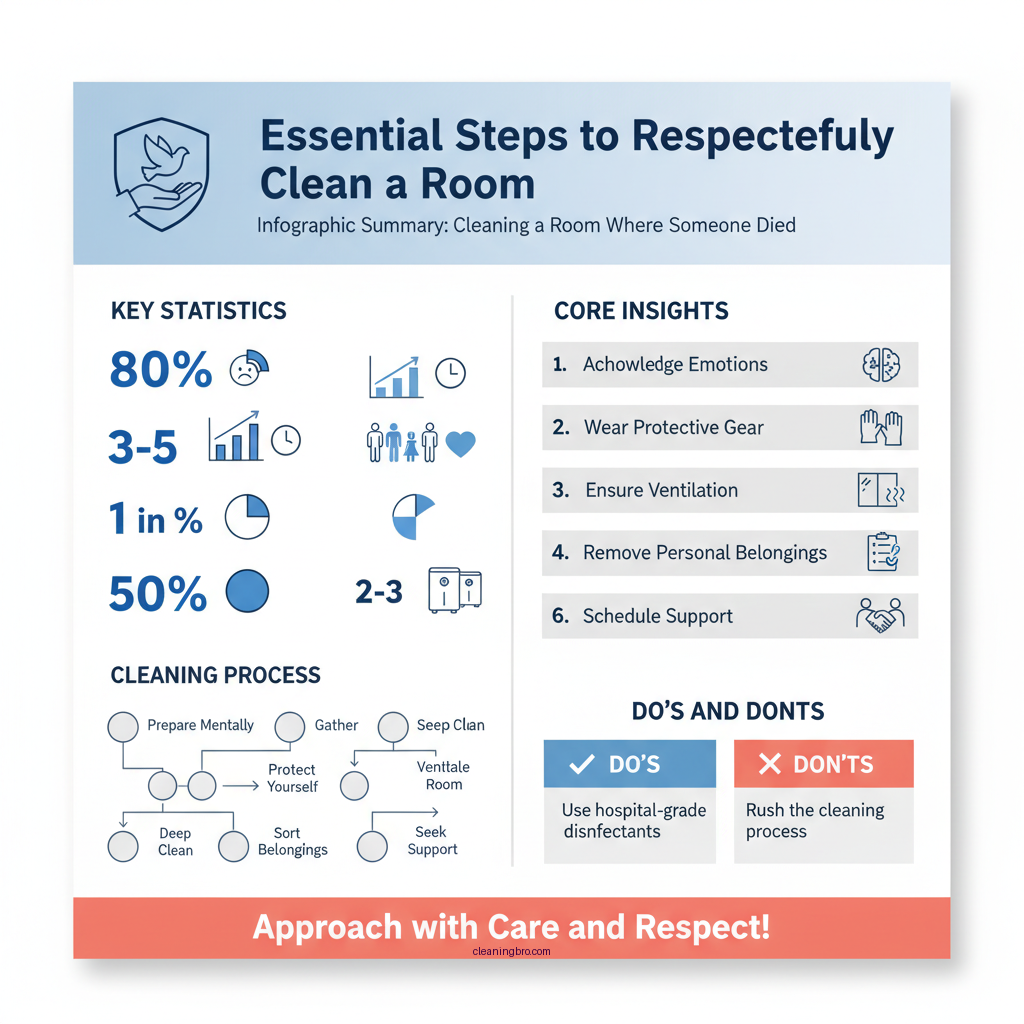
Before you begin cleaning, implementing safety precautions is vital. Wear protective gear such as gloves, masks, and possibly goggles, especially if you are dealing with bodily fluids or other biological hazards. This not only protects you from potential health risks but also allows you to focus on the task at hand without worrying about contamination.
Ensure proper ventilation in the room. Open windows and doors to allow fresh air to circulate, which helps to minimize any unpleasant odors or airborne contaminants. If the room has been sealed for a while, consider using air purifiers or fans to improve air quality before starting the cleaning process.Gather Necessary Cleaning Supplies
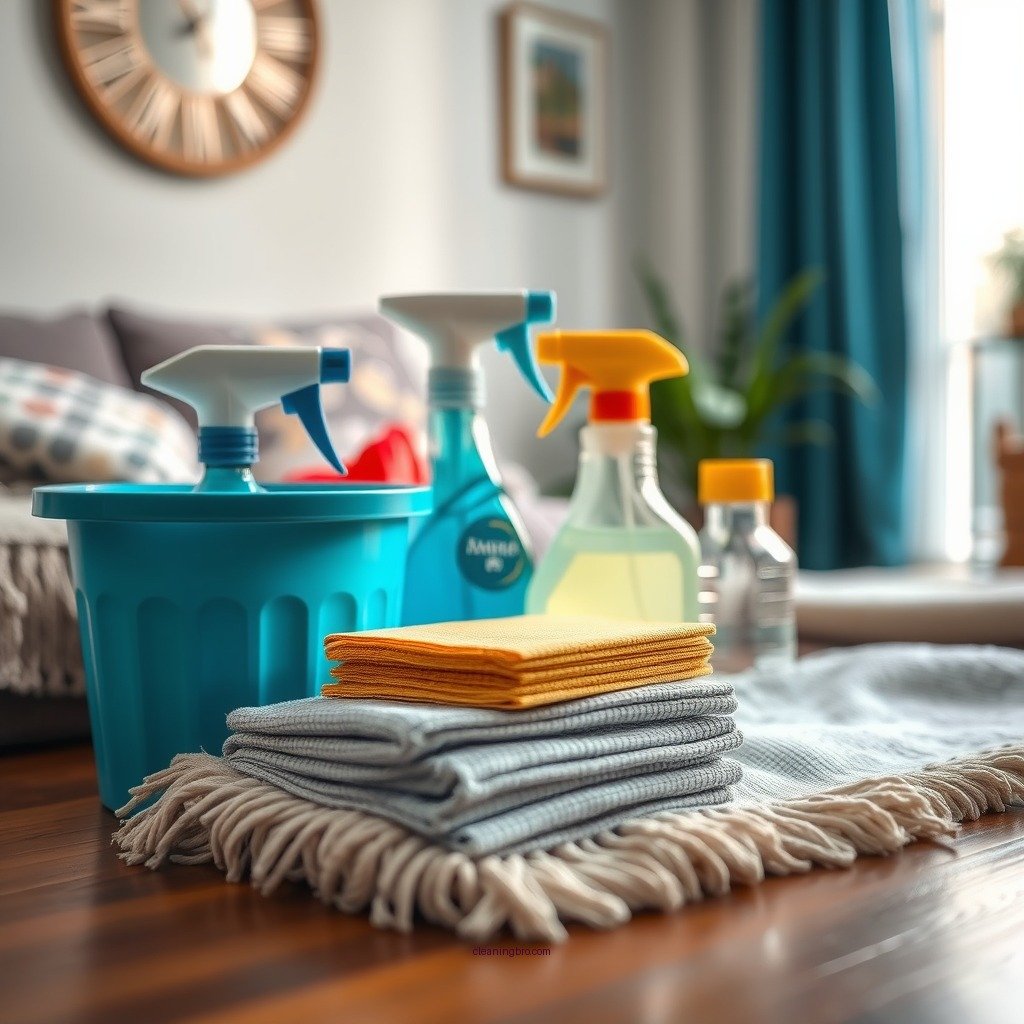
Preparing a comprehensive list of cleaning products and tools is essential for a thorough cleaning. Here’s a checklist of items you may need:
– Heavy-duty trash bags
– Disinfectants (preferably hospital-grade)
– Scrubbing brushes and sponges
– Paper towels or microfiber cloths
– Broom and vacuum cleaner
– Mops and bucket
– Enzymatic cleaners for biological stains
– Odor neutralizers
– PPE (personal protective equipment)
Make sure that the cleaning supplies you choose are appropriate for the surfaces and items in the room. For example, wood surfaces may require specific cleaners that won’t damage the finish, while carpets might need specialized products for deep cleaning.
Remove Personal Belongings
Once you have your supplies ready, it’s time to begin the emotional and logistical process of sorting through personal belongings. Carefully go through items in the room, separating those you wish to keep, donate, or dispose of. It’s essential to handle personal items with care, as they may hold significant sentimental value.
Take your time and allow yourself to reflect on the memories associated with each item. If possible, involve family members or close friends in this process, as they may want to share their thoughts or help decide what to do with certain belongings. Remember that it’s perfectly okay to keep items that are meaningful to you or the deceased, as they can serve as a source of comfort and remembrance.
Deep Cleaning Process
Once personal items have been sorted, focus on the deep cleaning process. Start with dusting and wiping down all surfaces in the room, including shelves, windowsills, and furniture. Use disinfectant wipes or sprays to ensure all surfaces are sanitized.
Next, vacuum or mop the floors thoroughly. Pay special attention to areas that may have been affected by bodily fluids or other contaminants. Use appropriate cleaning solutions for these areas; enzymatic cleaners can be particularly effective for biological stains. Ensure all surfaces are cleaned, including hidden corners and spaces, to eliminate any lingering odors or contaminants.
Dispose of Hazardous Materials
It’s important to dispose of any hazardous materials safely. Items that cannot be adequately cleaned or sanitized should be thrown away in accordance with local regulations. This may include contaminated clothing, bedding, or other personal items.
If the task feels too overwhelming or if there is a significant amount of biohazardous waste, consider contacting a professional cleaning service that specializes in biohazard situations. These professionals are trained to handle such tasks safely and sensitively, allowing you to focus on your emotional well-being during this challenging time.
Final Touches and Emotional Closure
After the cleaning process is complete, take a moment to reflect and honor the memory of the deceased in the space. This could mean placing a photo or a memento of the person in the room to create a sense of peace. Such gestures can help in the emotional healing process, allowing you to connect with fond memories.
Consider spending a few quiet moments in the cleaned space, acknowledging the life that was there and the impact it had on yours. This practice can provide a sense of closure and help you transition from a place of grief to a place of remembrance.
Cleaning a room where someone has died is undoubtedly a difficult task requiring both physical and emotional care. By following these steps and approaching the situation with compassion, you can ensure that the space is treated with the respect it deserves. If you find the process overwhelming, remember that it’s perfectly acceptable to seek professional assistance to help you through this trying time.
Frequently Asked Questions
What are the first steps to take when cleaning a room where someone died?
The first steps include ensuring the area is safe and secure, and then contacting local authorities if it hasn’t been done yet. After that, you should gather necessary cleaning supplies such as gloves, masks, and biohazard bags. It’s crucial to assess the room for any hazardous materials before beginning the cleaning process.
How do I handle the emotional aspect of cleaning a room where someone has passed away?
Cleaning a room where someone has died can be emotionally challenging. It’s important to allow yourself to grieve and consider seeking support from friends, family, or professionals. Taking breaks and approaching the task with care can help manage emotions while ensuring the space is cleaned respectfully.
Why is it important to use professional cleaning services for a death scene?
Professional cleaning services specialize in biohazard cleanup and have the training and equipment to safely handle hazardous materials, including bodily fluids. They ensure that the area is thoroughly sanitized and can help alleviate the emotional burden on family members. Hiring professionals also ensures compliance with local regulations regarding biohazard disposal.
What cleaning products are best for sanitizing a room after a death?
The best cleaning products for sanitizing a room after a death include hospital-grade disinfectants and enzymatic cleaners specifically designed to break down biological matter. Look for products labeled as effective against viruses and bacteria, such as those containing bleach or hydrogen peroxide. Always follow the manufacturer’s instructions for optimal results.
Which personal protective equipment (PPE) should I wear when cleaning a death scene?
When cleaning a death scene, it’s essential to wear appropriate personal protective equipment (PPE) such as gloves, masks, goggles, and protective clothing. This gear protects you from exposure to harmful pathogens and bodily fluids. Ensuring you’re properly equipped helps to maintain safety during the cleaning process.
References
- https://www.cdc.gov/niosh/topics/biohazards/cleaning.html
https://www.cdc.gov/niosh/topics/biohazards/cleaning.html - Detail
https://www.who.int/news-room/fact-sheets/detail/infection-prevention-and-control - https://www.ncbi.nlm.nih.gov/pmc/articles/PMC7318591/
https://www.ncbi.nlm.nih.gov/pmc/articles/PMC7318591/ - https://www.ncbi.nlm.nih.gov/books/NBK310053/
https://www.ncbi.nlm.nih.gov/books/NBK310053/ - https://www.mayoclinic.org/healthy-lifestyle/consumer-health/in-depth/home-safety/art-20045273
https://www.mayoclinic.org/healthy-lifestyle/consumer-health/in-depth/home-safety/art-20045273 - https://www.bbc.com/future/article/20200617-how-to-prepare-for-a-death-in-the-family
https://www.bbc.com/future/article/20200617-how-to-prepare-for-a-death-in-the-family - https://www.theguardian.com/lifeandstyle/2018/aug/02/how-to-clean-up-after-a-death
https://www.theguardian.com/lifeandstyle/2018/aug/02/how-to-clean-up-after-a-death - Google Scholar Google Scholar
https://scholar.google.com/scholar?q=cleaning+after+a+death - Google Scholar Google Scholar
https://scholar.google.com/scholar?q=decontamination+after+death - Google Scholar Google Scholar
https://scholar.google.com/scholar?q=biological+hazards+cleaning+after+death